
Dublin Castle
Medieval castle - closed until the end of 2026
Dublin Castle, former seat of the British crown, spans 800 years from a Viking settlement to the State Apartments. Fully closed until 31 December 2026.
Contents
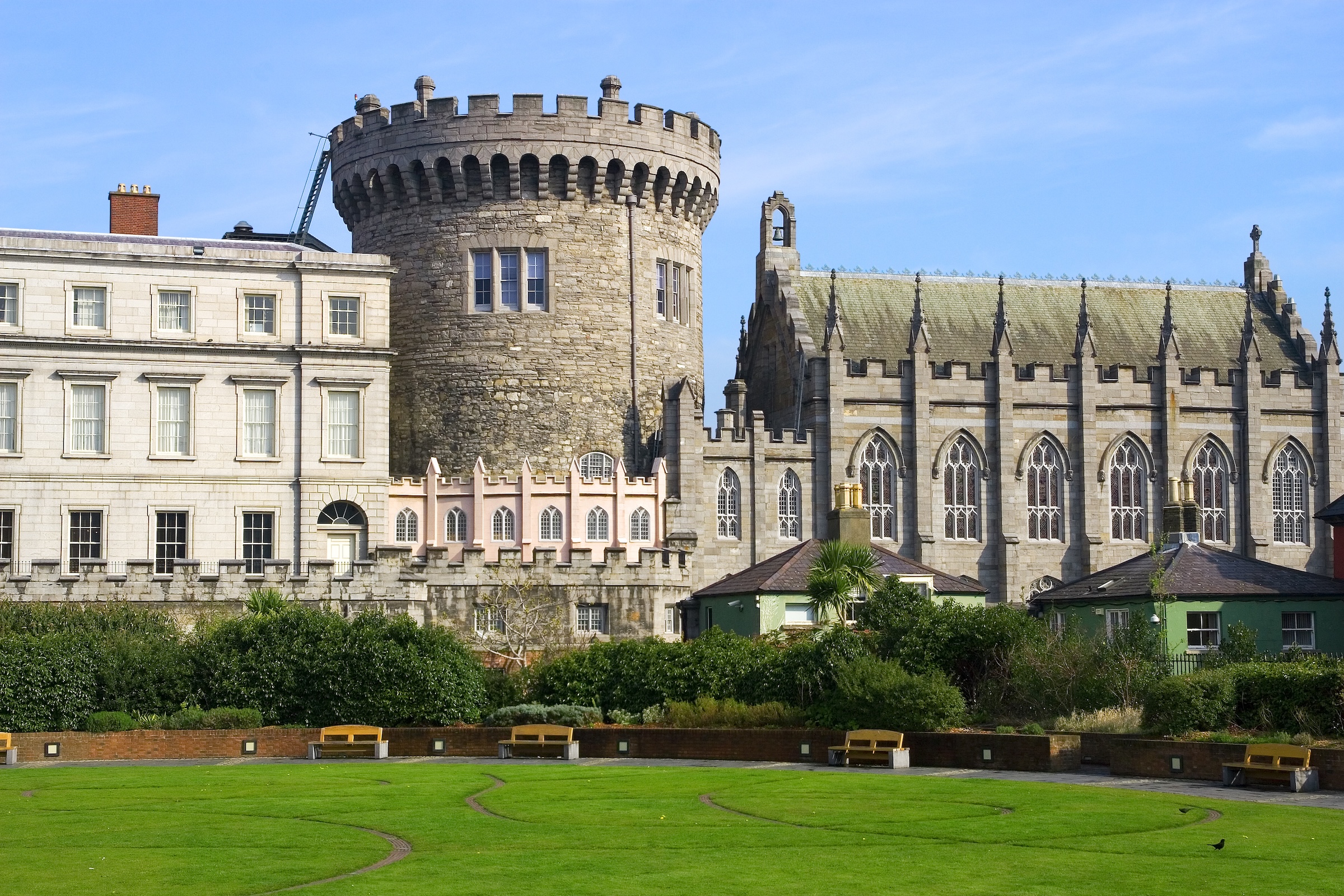
Dublin Castle has stood at the heart of the city for over 800 years and tells Ireland's history like almost nowhere else: from a Viking settlement, through centuries as the seat of English and then British rule, to today's role as a venue for state receptions and the inauguration of the President of Ireland. Centrally located on Dame Street, it's an easy addition to a walking tour of the old town.
Important: closed in 2026
Because of Ireland's EU Council presidency, Dublin Castle is serving as a conference venue in 2026 and is closed to the public. The State Apartments have been closed since 5 May 2026, and since 15 June 2026 so has the entire site, including the courtyards and the Dubh Linn Garden - until 31 December 2026; the passage between Dame Street and Ship Street is closed too. Public tours are expected to resume from January 2027.
- If you're in Dublin in the second half of 2026, plan firmly around the closure or pick an alternative.
- Check dublincastle.ie before you travel, as the timeframe can shift.
- Good substitutes are the nearby Christ Church Cathedral or Trinity College with the Book of Kells.
History
The castle was built in the early 13th century on the remains of a Viking settlement and remained the seat of English, later British, administration in Ireland for centuries. Until 1922, the crown's viceroys governed from here. In 1907, Dublin Castle made criminal history when the Irish Crown Jewels vanished from a safe and have never been found.
Following Irish independence, the castle was formally handed over to the new government in 1922. Since then it has served as a stage for state receptions and the inauguration of Ireland's president. Its courtyards still form a political focal point of the Republic and are normally free to enter, though they are closed during the 2026 shutdown.
What to expect
The visit takes you through the lavish state rooms and beneath the castle into its medieval layers. Highlights include:
- State Apartments: the ceremonial rooms with chandeliers and paintings, including St Patrick's Hall, where presidential ceremonies still take place today.
- Chapel Royal: the neo-Gothic castle chapel from 1814, with fine stonework and ornate wood interiors, accessible only on the guided tour.
- Viking excavations: beneath the castle lie remains of the city wall and the earliest settlement, also part of the guided tour; access is via stairs only.
- Dubh Linn Garden: the garden behind the castle sits on the site of the old "black pool" that gave Dublin its name, and is normally free to enter (closed during the 2026 shutdown).
- Chester Beatty: right next door, the Chester Beatty displays manuscripts and religious art spanning 4,500 years, with free admission - in 2026 it is likewise closed from 15 June until the end of December.
Self-guided or guided
After the reopening there will again be two separate tickets, and the difference is worth weighing up:
- The self-guided tour (€8 for adults) covers the State Apartments alone. You explore the rooms at your own pace, with a free official self-guiding app available to download.
- The guided tour (€12) is the only option that opens every part of the site, adding the Viking excavations and the Chapel Royal. It's a separate ticket category and isn't included in the self-guided price.
If you want the full picture of the castle, the guided tour is the better choice. If the grand state rooms are your main interest, the cheaper self-guided option is enough.
Visiting and practical tips
Dublin Castle is normally open daily from 09:45 to 17:45, with last admission at 17:15; tours run from 10:00 to 16:30, with no seasonal variation. In 2026, however, visits are suspended until the end of December because of the EU Council presidency. Allow around one to two hours for the interior. Mornings and late afternoons are quieter than around midday.
- Tickets: normally bookable online from 15 days ahead through the official portal; only a limited number of same-day tickets are available at the desk. No separate skip-the-line options are officially advertised. Sales are suspended during the 2026 closure.
- Accessibility: the State Apartments and Chapel Royal are fully accessible, as are the Coach House Gallery and the Dubh Linn Garden. The Viking excavation is reachable only via stairs.
- Without a ticket: the courtyards and Dubh Linn Garden are normally free to enter, but closed during the 2026 shutdown. The neighbouring Chester Beatty has no admission charge, but is likewise closed from 15 June until the end of December 2026.
The castle is just a few minutes' walk from Temple Bar, Trinity College and Christ Church Cathedral, making it an easy fit for a city walking tour. For more historic buildings, see the overview of Castles and Ruins; if you're planning to visit several top attractions, the Dublin Pass may pay off.
Frequently asked questions
When is Dublin Castle open? +
How much does it cost to visit Dublin Castle? +
Is the guided tour of Dublin Castle worth it? +
Can I visit Dublin Castle without a ticket? +
Nearby
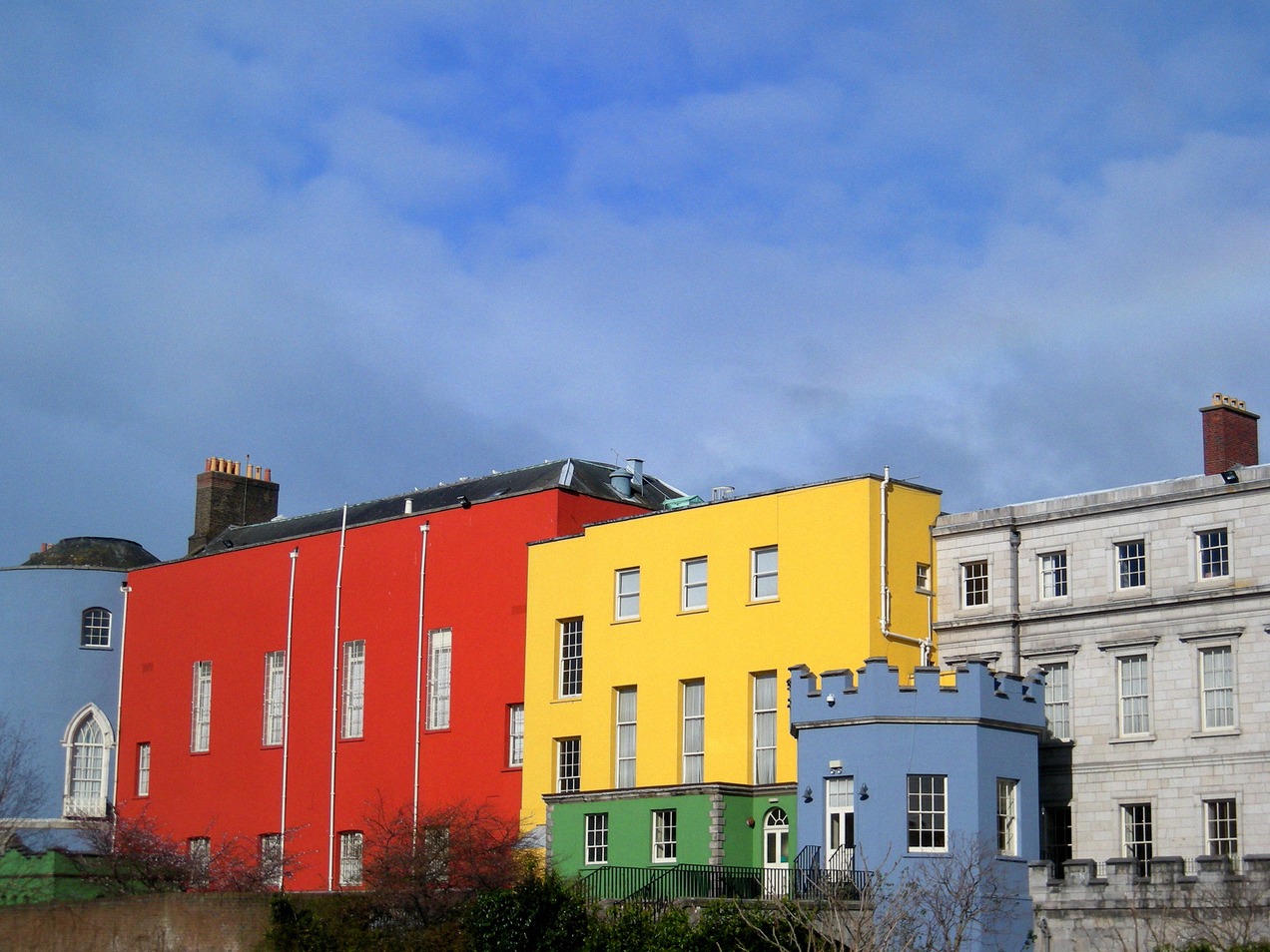
Chester Beatty Library
The Chester Beatty at Dublin Castle holds manuscripts, rare books and sacred art spanning 4,500 years, free admission. Closed 15 June to end of December 2026.
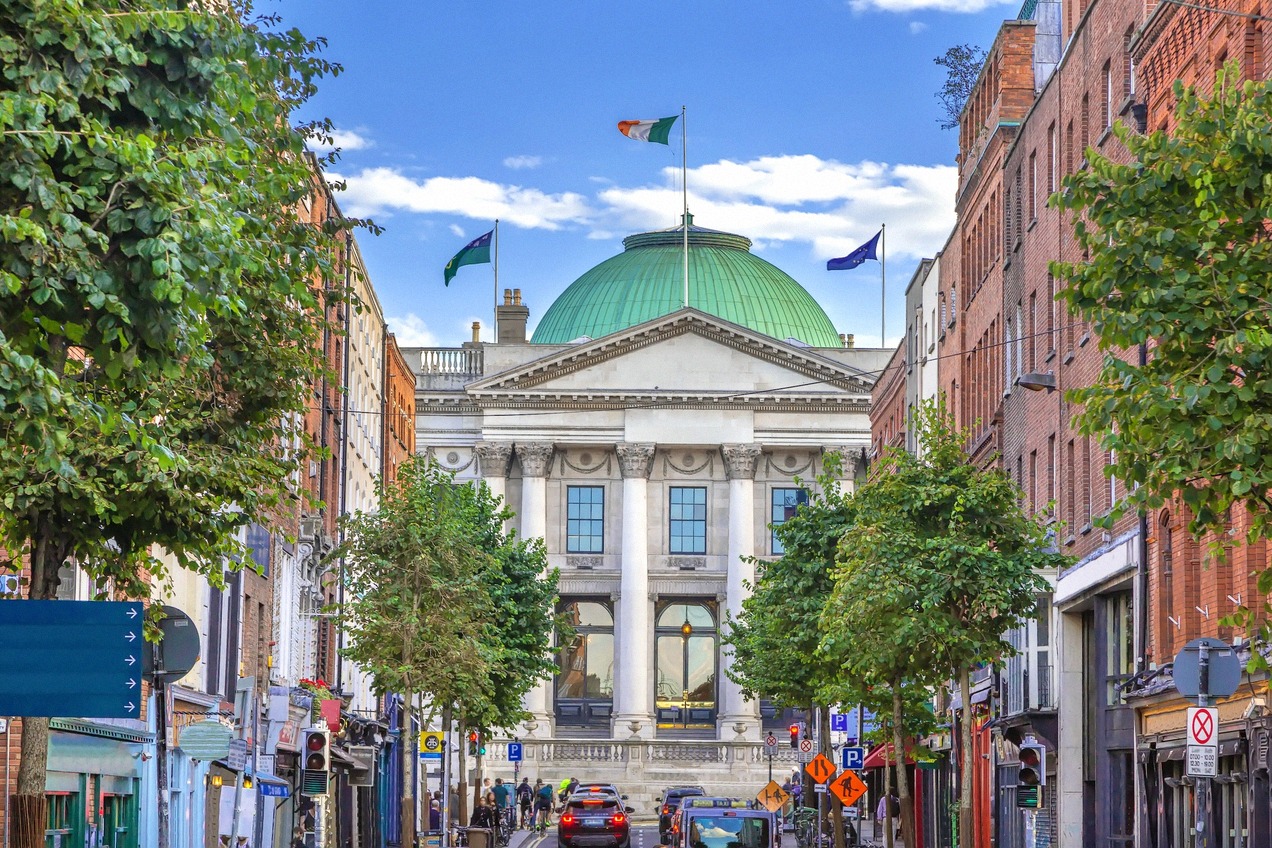
Dublin City Hall
Dublin City Hall on Dame Street, built in 1769 as the Royal Exchange. Magnificent rotunda, free admission. Opening hours, directions and visitor tips.
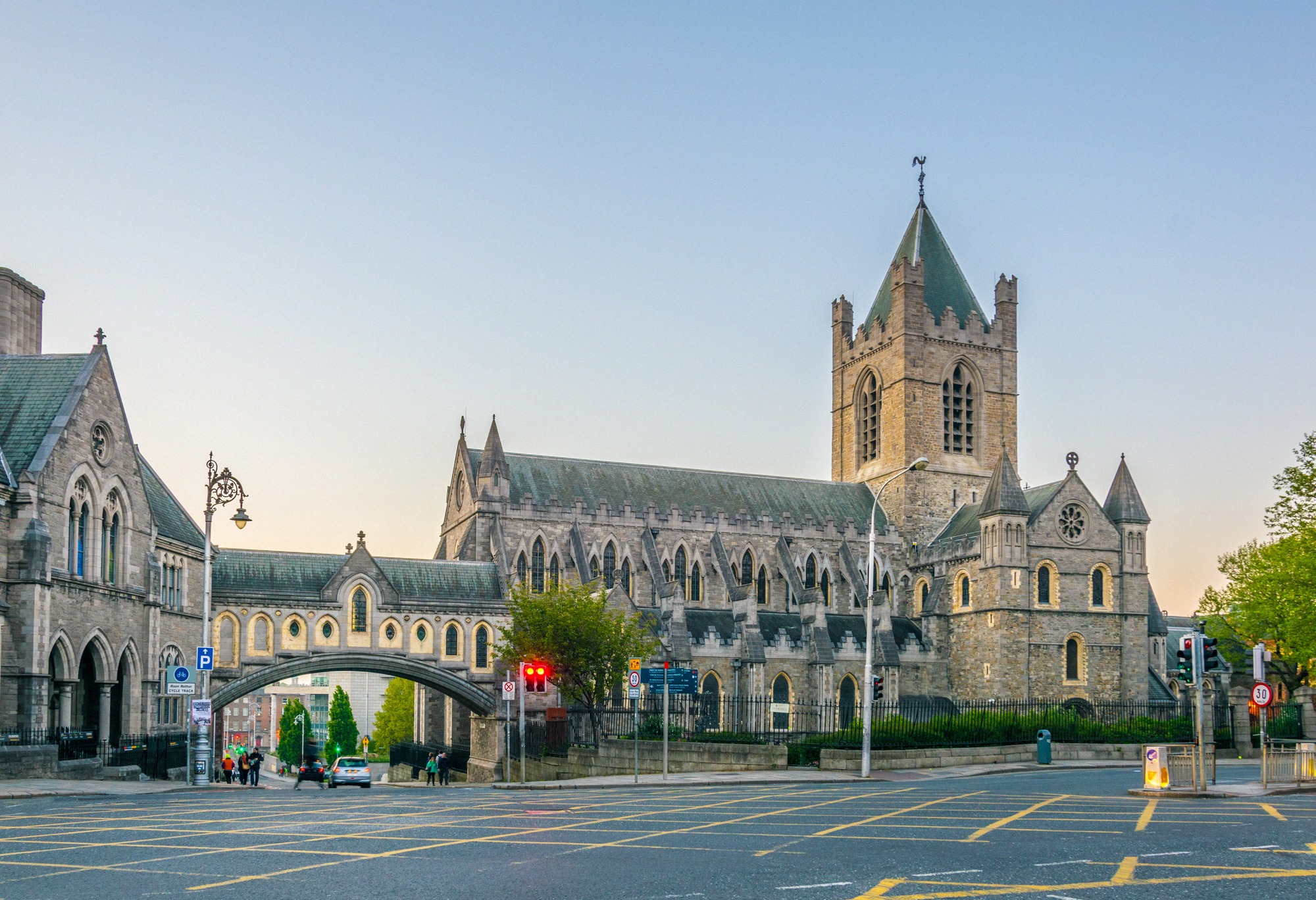
Christ Church Cathedral
Christ Church Cathedral (Cathedral Church of the Holy Trinity) is Dublin's oldest building, home to Ireland's largest crypt, Strongbow's tomb and the mummified cats Tom and Jerry.
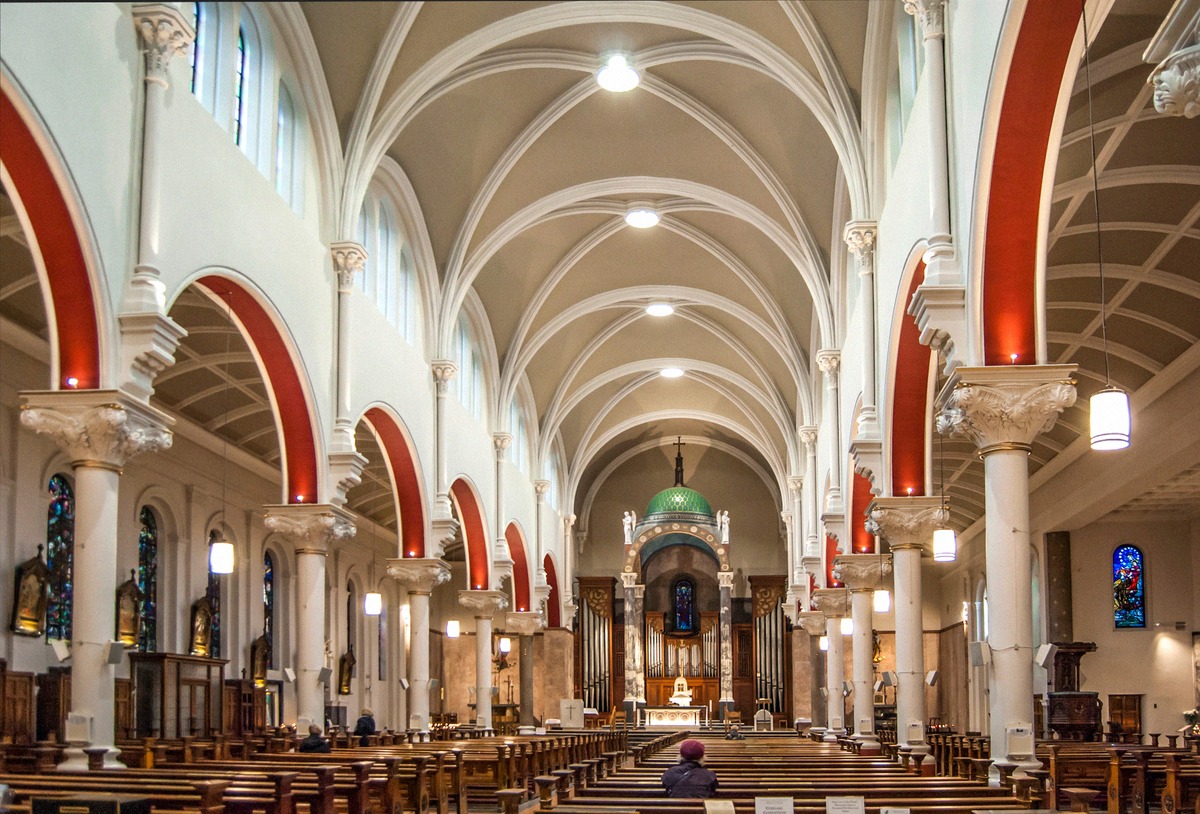
Whitefriar Street Church
The Church of Our Lady of Mount Carmel holds the relics of St Valentine and "Our Lady of Dublin", Ireland's oldest statue of Mary.
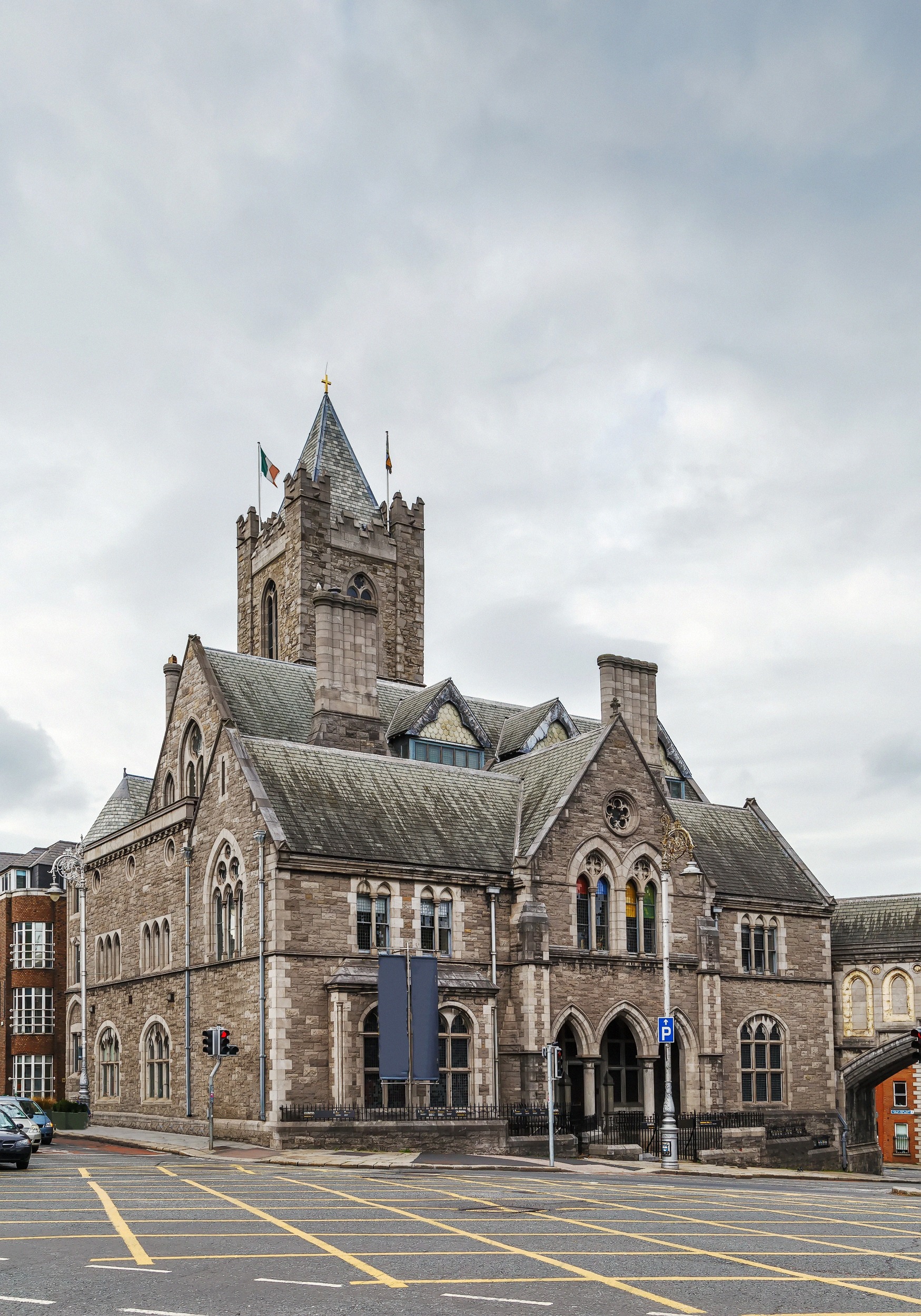
Dublinia
Hands-on Viking and medieval history next to Christ Church Cathedral. Living-history tours, interactive stations and a climb up St Michael's Tower.
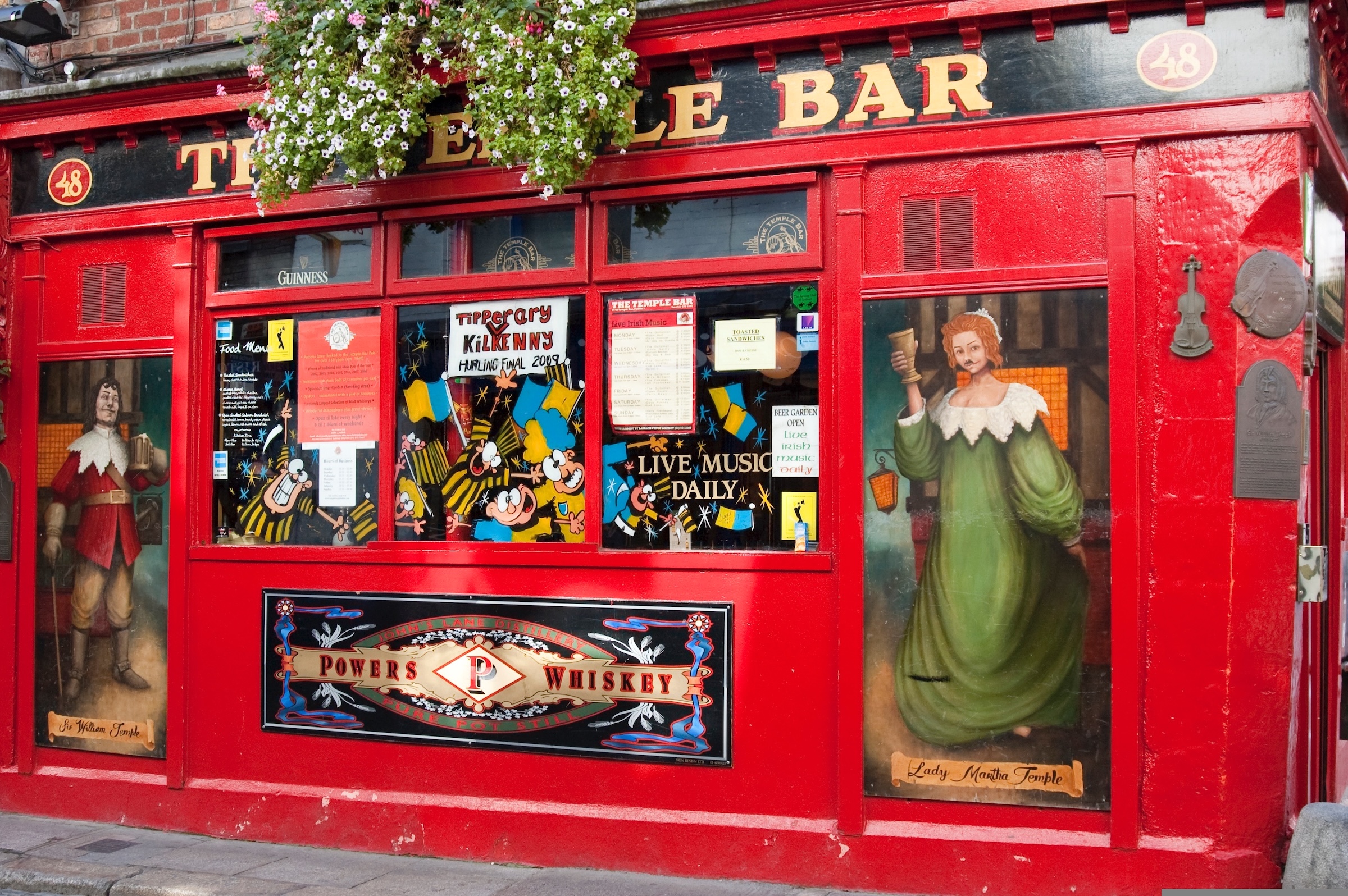
Temple Bar
Temple Bar is Dublin's entertainment quarter on the Liffey, with cobbled lanes, live-music pubs, galleries and the Wall of Fame. Free to enter.