
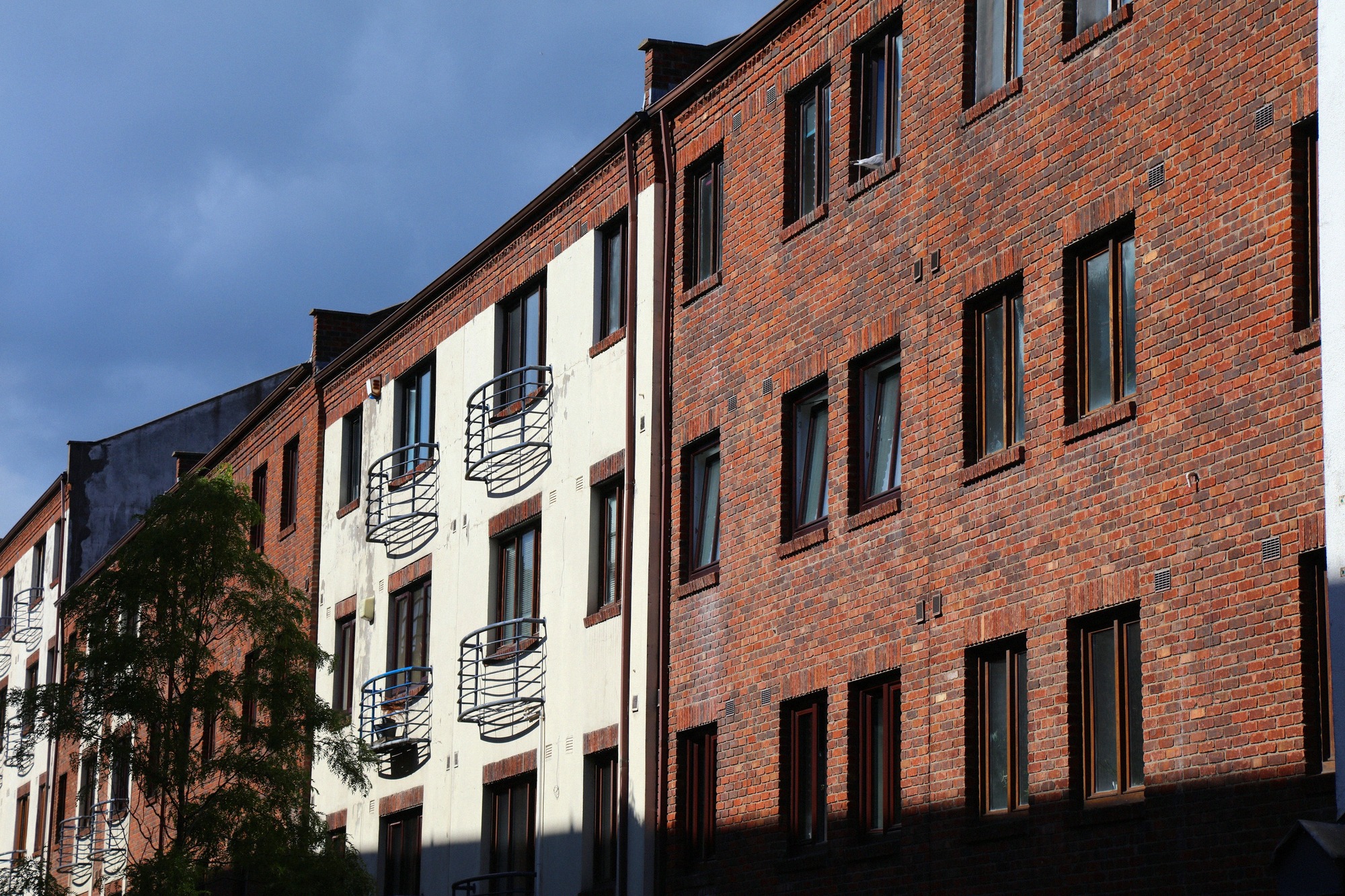
The Liberties
Dublin's brewery and market quarter west of the old city
Overview
Dublin's neighbourhoods at a glance, from the brewery quarter of The Liberties to Georgian Dublin, Smithfield & Stoneybatter, the Docklands and the fishing town of Howth. All free to explore.
Dublin's brewery and market quarter west of the old city
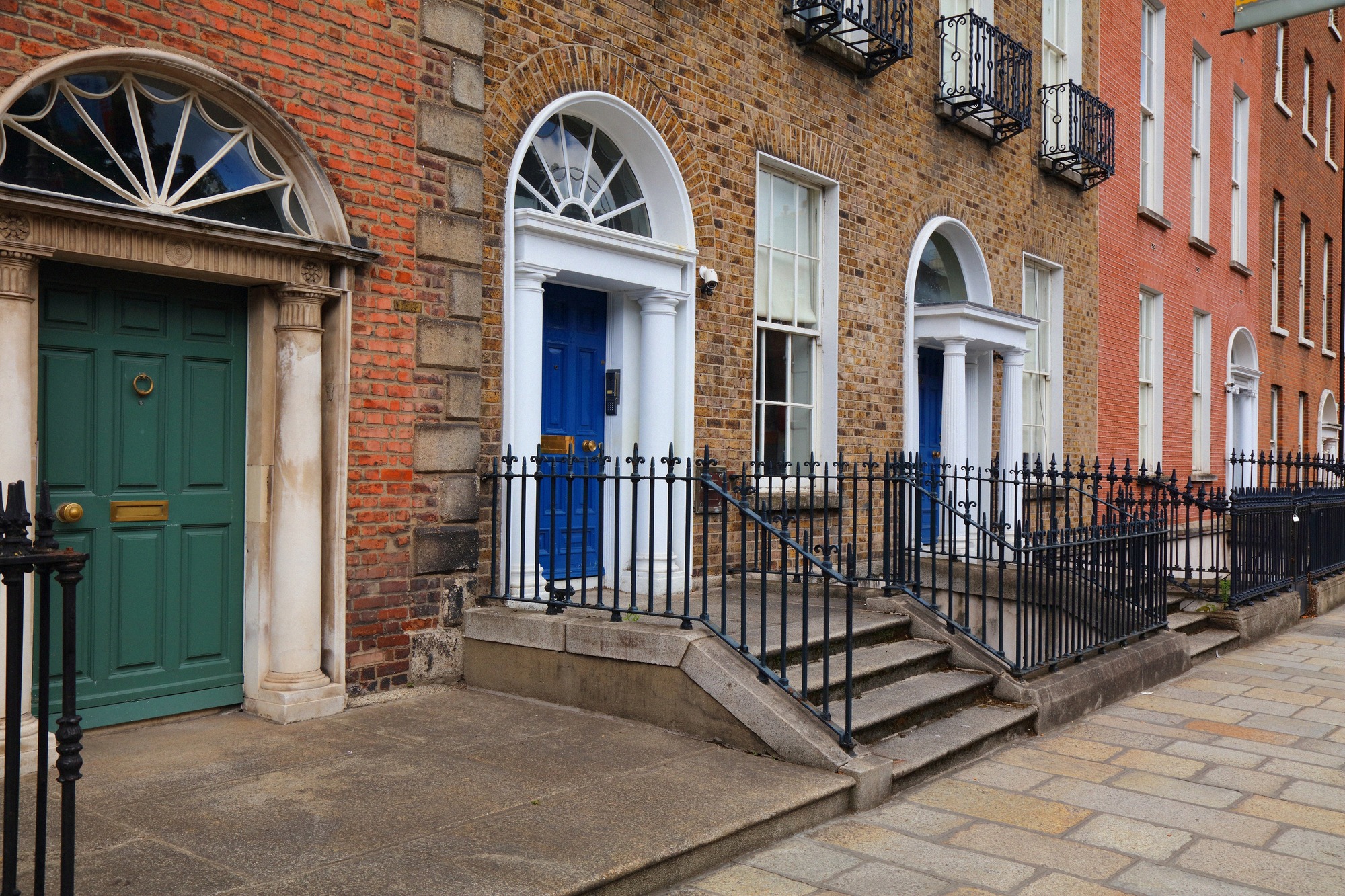
Georgian squares & museum quarter in the south-east
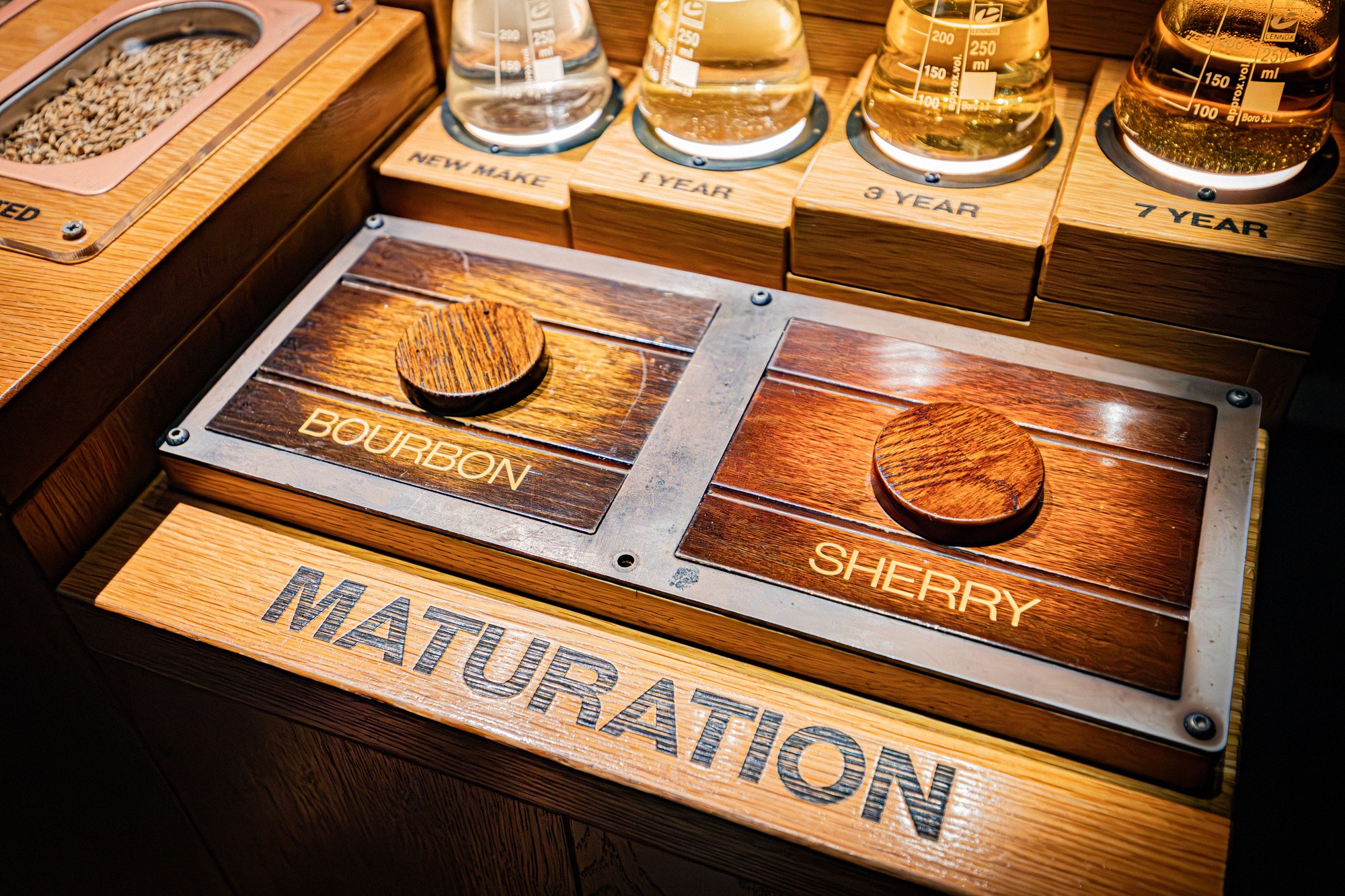
Whiskey, cobblestones and village character north of the river
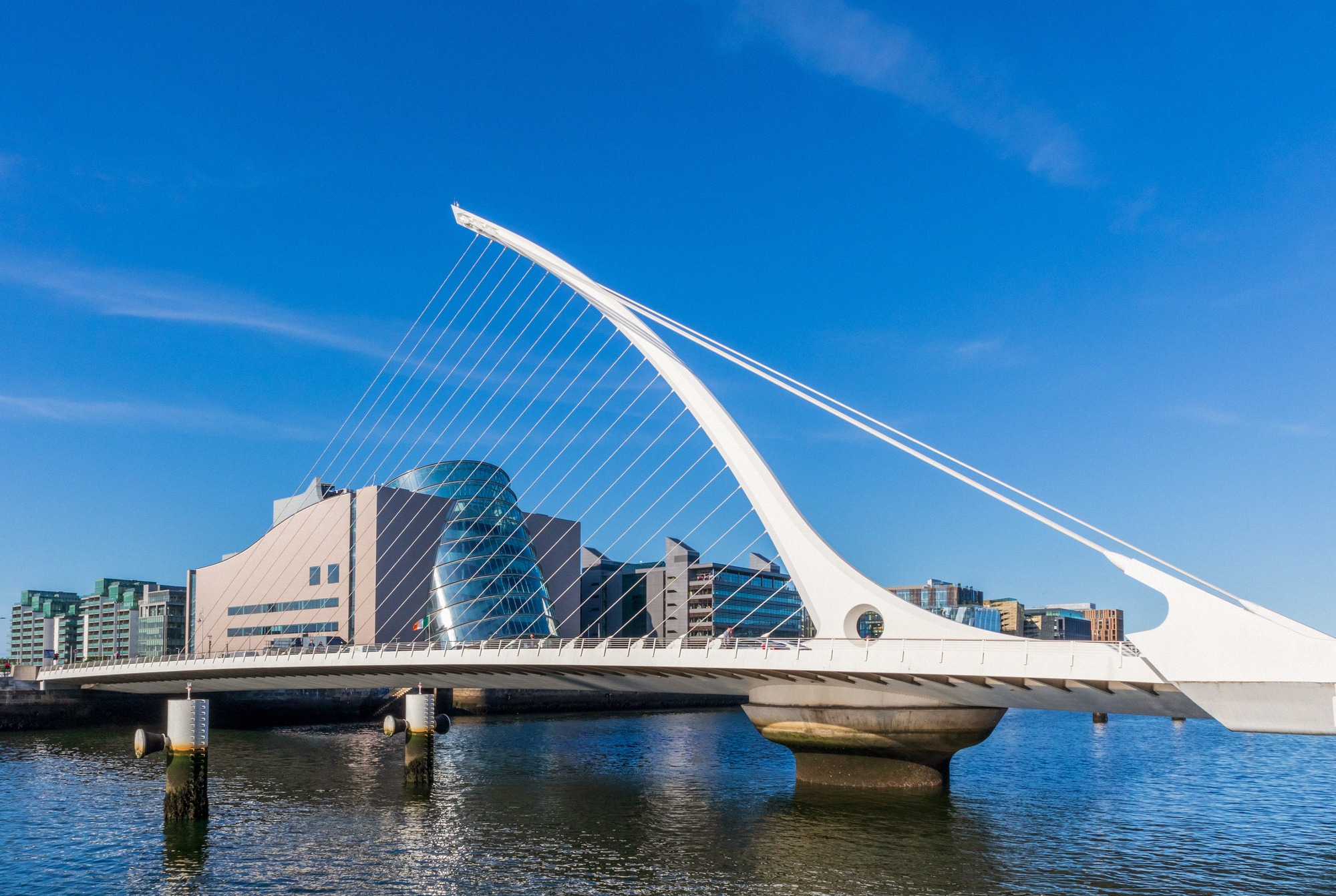
Dublin's modern harbourside quarter at the mouth of the Liffey
Fishing harbour with cliff walk and bird island
No results found.
Three terms describe three different things in Dublin, and mixing them up means looking in the wrong place.
The city centre, officially, is the area between the two canals: the Grand Canal marks its southern edge, the Royal Canal its northern one. Everything in between falls under postal districts Dublin 1 (north of the Liffey) and Dublin 2, 4, 6, 7 and 8 (mostly south). Practically the whole visitor programme sits within this area.
Downtown, in the touristic sense, is much smaller - a rectangle of roughly two square kilometres bounded by St Stephen's Green in the south, O'Connell Bridge in the north, Trinity College in the east and Christ Church in the west. Walking corner to corner takes about 20 minutes. Grafton Street is its southern spine, O'Connell Street the northern one, with Temple Bar in between.
An old town, in the sense of a self-contained medieval core, is something Dublin doesn't really have. Medieval Dublin stood around Dublin Castle, Christ Church Cathedral, St Audoen's and Wood Quay on the Liffey; much of it disappeared under Georgian townhouses in the 18th century and under civic buildings at Wood Quay in the 1970s. What gets photographed as the "old town" today is usually the cobbled lanes of Temple Bar - these actually date from the 17th and 18th centuries and were restored in the 1990s. Anyone after genuinely old Dublin should head to Dublinia and then walk on foot past Christ Church, St Audoen's and the surviving stretch of city wall on Cook Street.
For general orientation: the Liffey divides north from south, and the postal districts follow suit (odd numbers north, even numbers south). The south side holds most of the sights, museums and shopping streets, the north side has O'Connell Street, the General Post Office and the theatre district. The interactive map of Dublin shows exactly what sits where.
Dublin is compact, and the Liffey divides the city into a north side and a south side. Our neighbourhood profiles cover four inner-city quarters that shape the cityscape beyond the well-known sights, plus Howth, the fishing town on the peninsula, as a classic day trip.
West of the old town lies The Liberties, the city's oldest neighbourhood, once a weavers' and working-class quarter, and still the heart of Dublin's brewing and distilling tradition. Here stands the Guinness Storehouse, Ireland's most-visited attraction, with St Patrick's Cathedral and the neighbouring Marsh's Library, dating from 1707, at its eastern edge. The street markets on Meath Street and the antique shops of Francis Street reveal a side of Dublin that has largely vanished from the city centre.
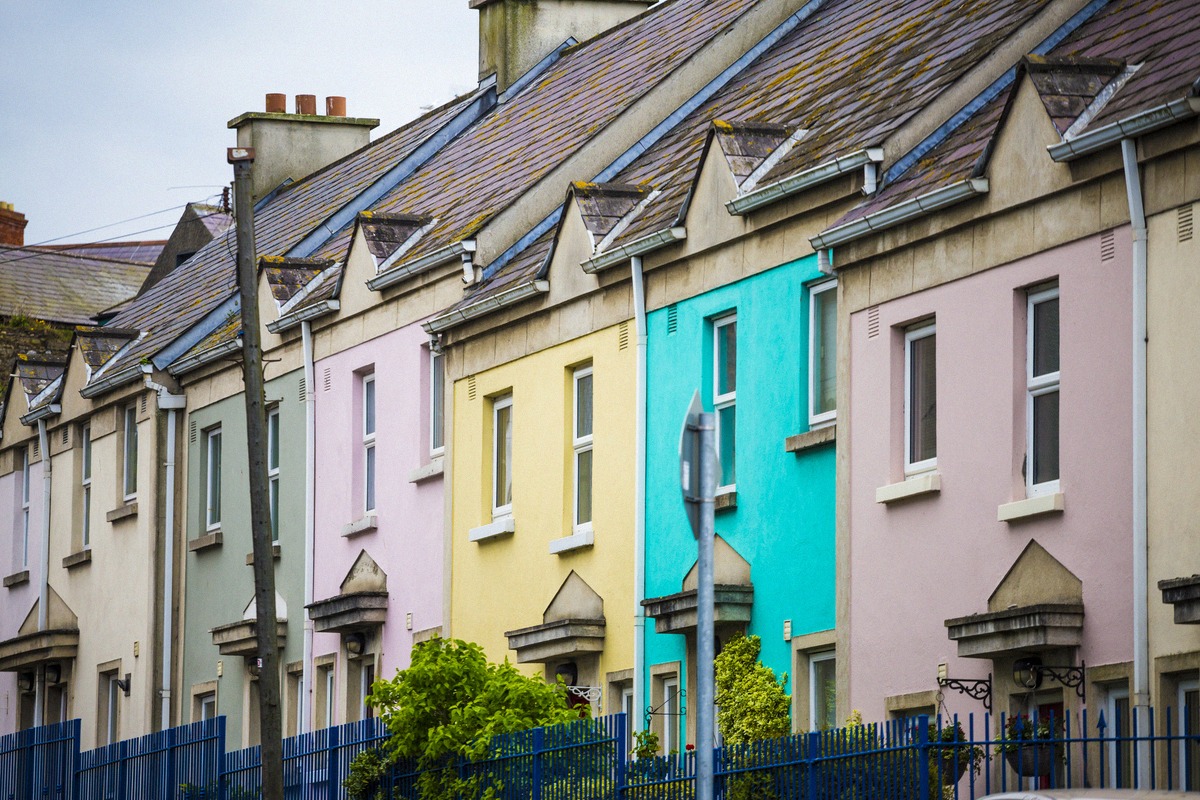
Southeast of Trinity College begins Georgian Dublin, around Merrion Square and Fitzwilliam Square, red-brick 18th-century townhouses with their famous coloured doors. Few neighbourhoods pack in so many museums in so little space: the National Gallery of Ireland, with works by Vermeer and Caravaggio, the Victorian Natural History Museum and the National Library, all free to enter.
North of the Liffey lie Smithfield & Stoneybatter, two neighbourhoods that have grown together between the Four Courts and Phoenix Park. On the newly cobbled Smithfield Square, the Jameson Distillery Bow St. leads visitors through the old distillery buildings, and a short walk away St Michan's Church holds its famous mummified crypt; Stoneybatter's Victorian cottage streets are among the city's most sought-after addresses.
At the eastern end of the Liffey, the Docklands show Dublin's newest face, glass architecture, quayside promenades and the Samuel Beckett Bridge, alongside the 1791 Custom House and the EPIC emigration museum in the old CHQ bonded warehouse. With more time, extend the walk along the Great South Wall to the red Poolbeg Lighthouse.
Two areas are deliberately missing from these profiles, because we cover them as attractions in their own right. Temple Bar, the cobblestoned nightlife quarter on the south bank, is freely accessible and the central starting point between Trinity College and Dublin Castle; its reputation as an overpriced party strip isn't unfounded, but genuine cultural venues such as the Irish Film Institute sit among the pubs. North of O'Connell Bridge runs the wide O'Connell Street, with the General Post Office, scene of the 1916 Easter Rising, and the 120-metre The Spire. South of there, the pedestrianised Grafton Street leads to St Stephen's Green, whose park is likewise free to enter.
Howth isn't an inner-city neighbourhood but the classic day trip for Dubliners, reachable by DART from Connolly, Tara Street or Pearse Station in around 25 minutes. This fishing town on the peninsula northeast of the city offers the harbour with its fishmongers on the West Pier, the Cliff Walk with views of the Baily Lighthouse (ninety minutes to three hours depending on the route), and the ruins of St Mary's Abbey above the harbour. Aside from the train fare, none of it costs anything; a good approach is to walk in the morning and leave the harbour, Howth Castle and the seafood restaurants for the afternoon.
The neighbourhoods themselves are entirely free - streets, squares, markets and promenades charge no admission. Money only changes hands for what you go inside: the Guinness Storehouse from €24 online, the Jameson tour from €26, the EPIC museum usually €22 (cheaper online). Free, on the other hand, are the major national museums in Georgian Dublin and St Stephen's Green Park. The otherwise-free Chester Beatty Library is closed, along with the entire Dublin Castle grounds, from 15 June to the end of December 2026.
The postal-district system helps with orientation: odd numbers lie north of the Liffey, even numbers south - the exception is Phoenix Park, which belongs to Dublin 8 despite its northern location. The most sought-after addresses are Dublin 2 (Trinity, Grafton Street) and Dublin 4 (Ballsbridge). The inner-city neighbourhoods sit close enough together to link up easily on foot; from Smithfield it's only a few minutes to the main entrance of Phoenix Park, and west of the Liberties, Kilmainham Gaol is one of the city's most powerful history museums.