
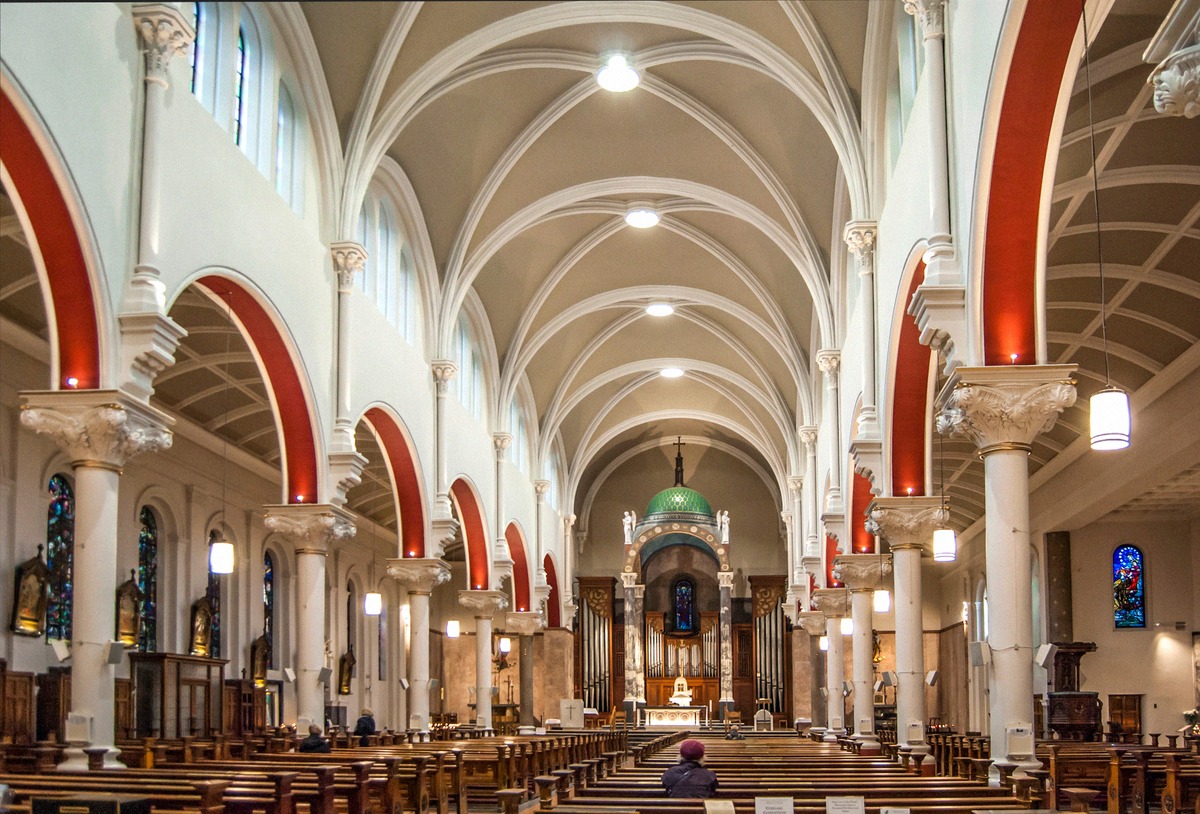
Whitefriar Street Church
Carmelite Church & Shrine of St Valentine
Overview
Dublin's churches and cemeteries at a glance - St Patrick's, Christ Church, St Michan's, St Audoen's, Whitefriar Street, St Mary's, Glasnevin and Mount Jerome, with prices, hours and tips for 2026.
Carmelite Church & Shrine of St Valentine
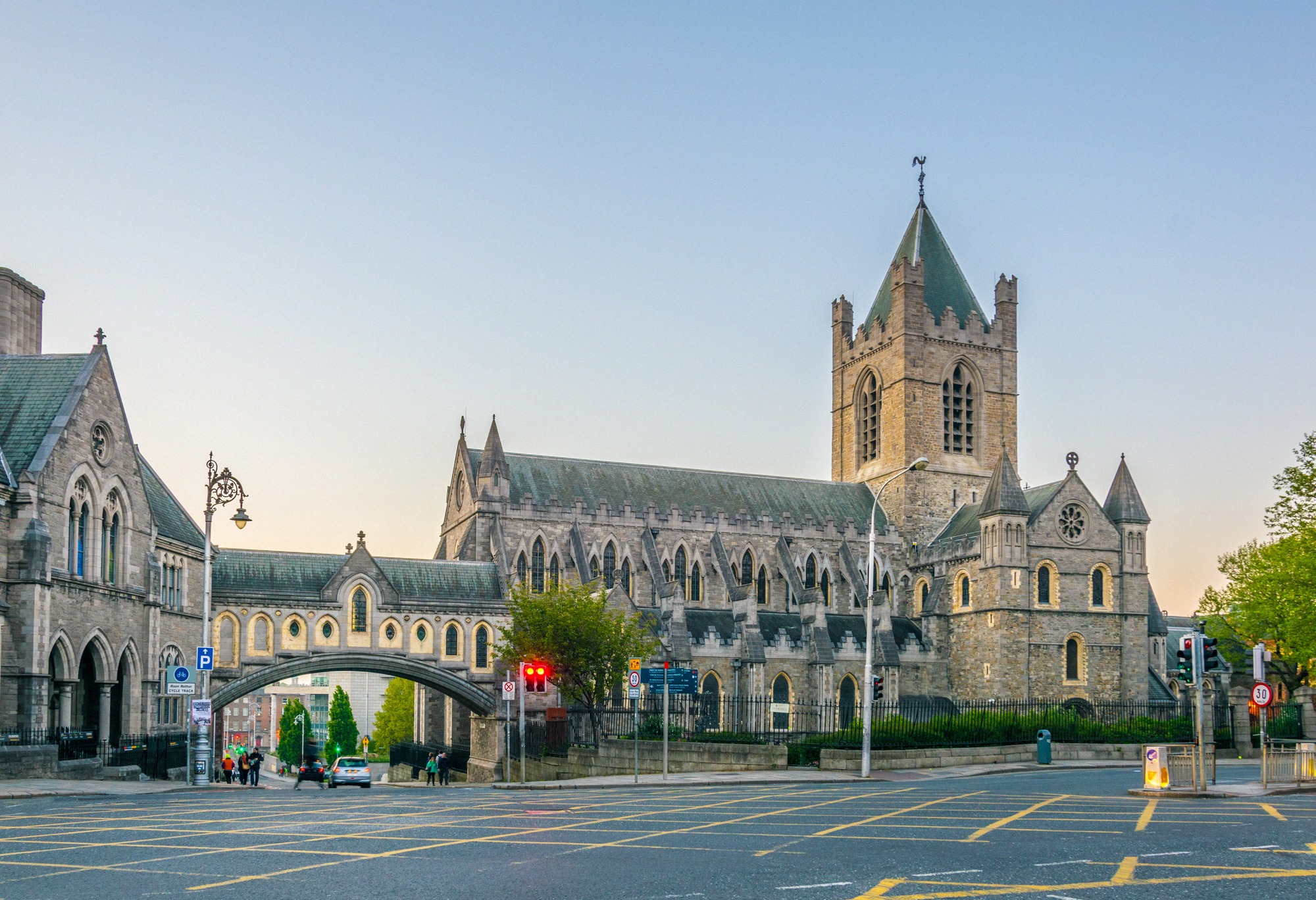
Dublin's oldest building and Ireland's largest crypt
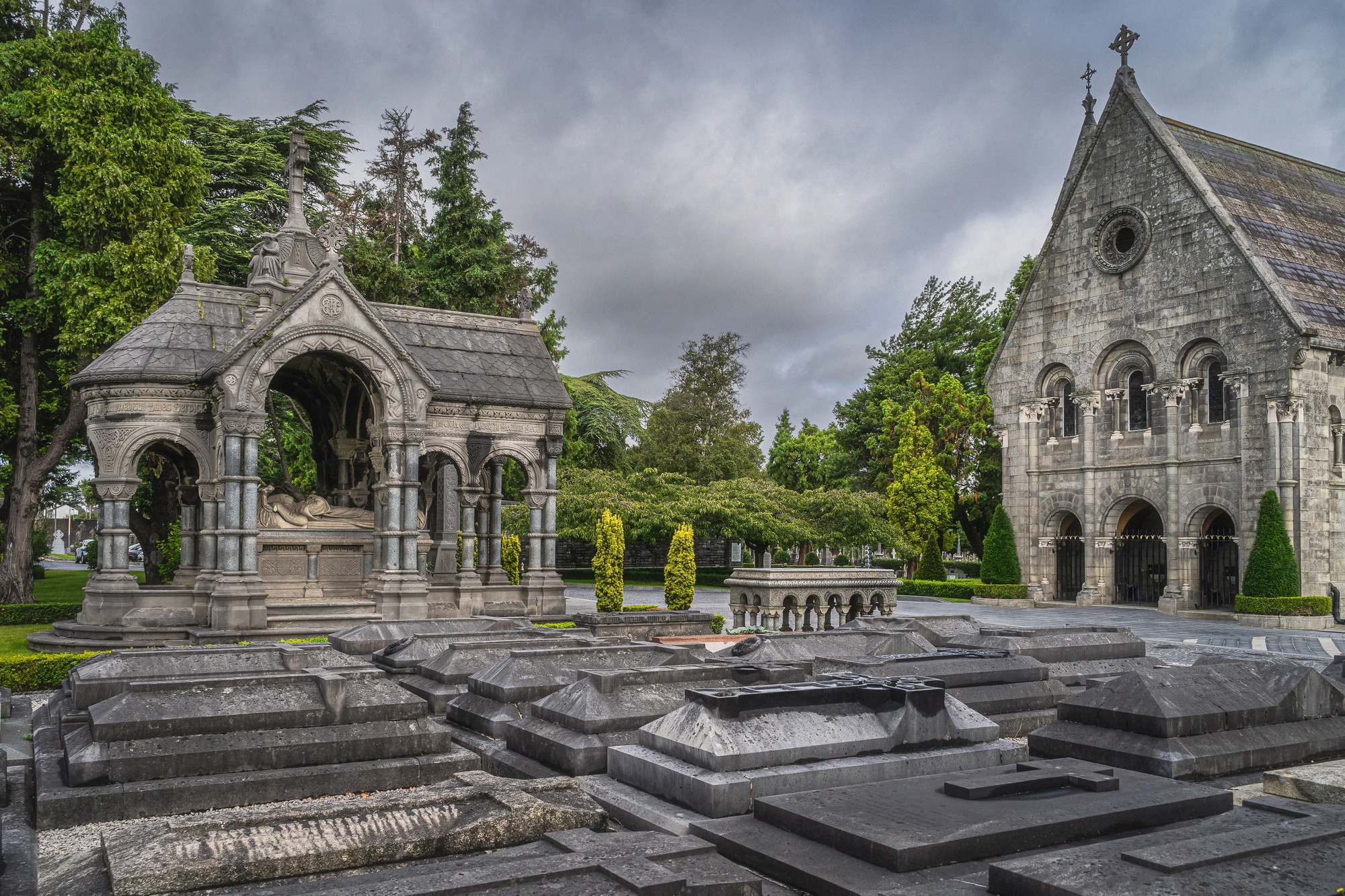
Ireland's National Cemetery
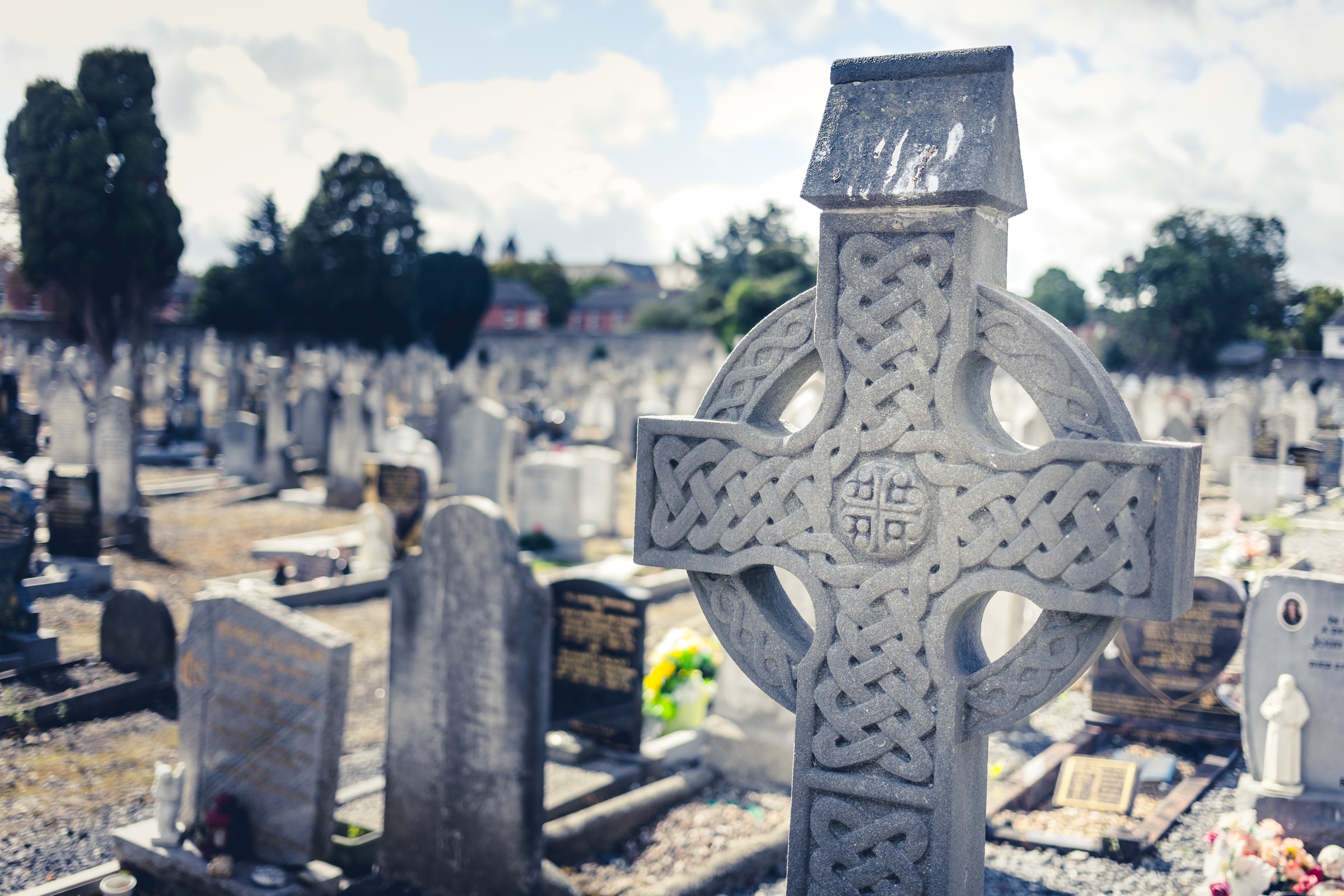
Victorian cemetery in Harold's Cross
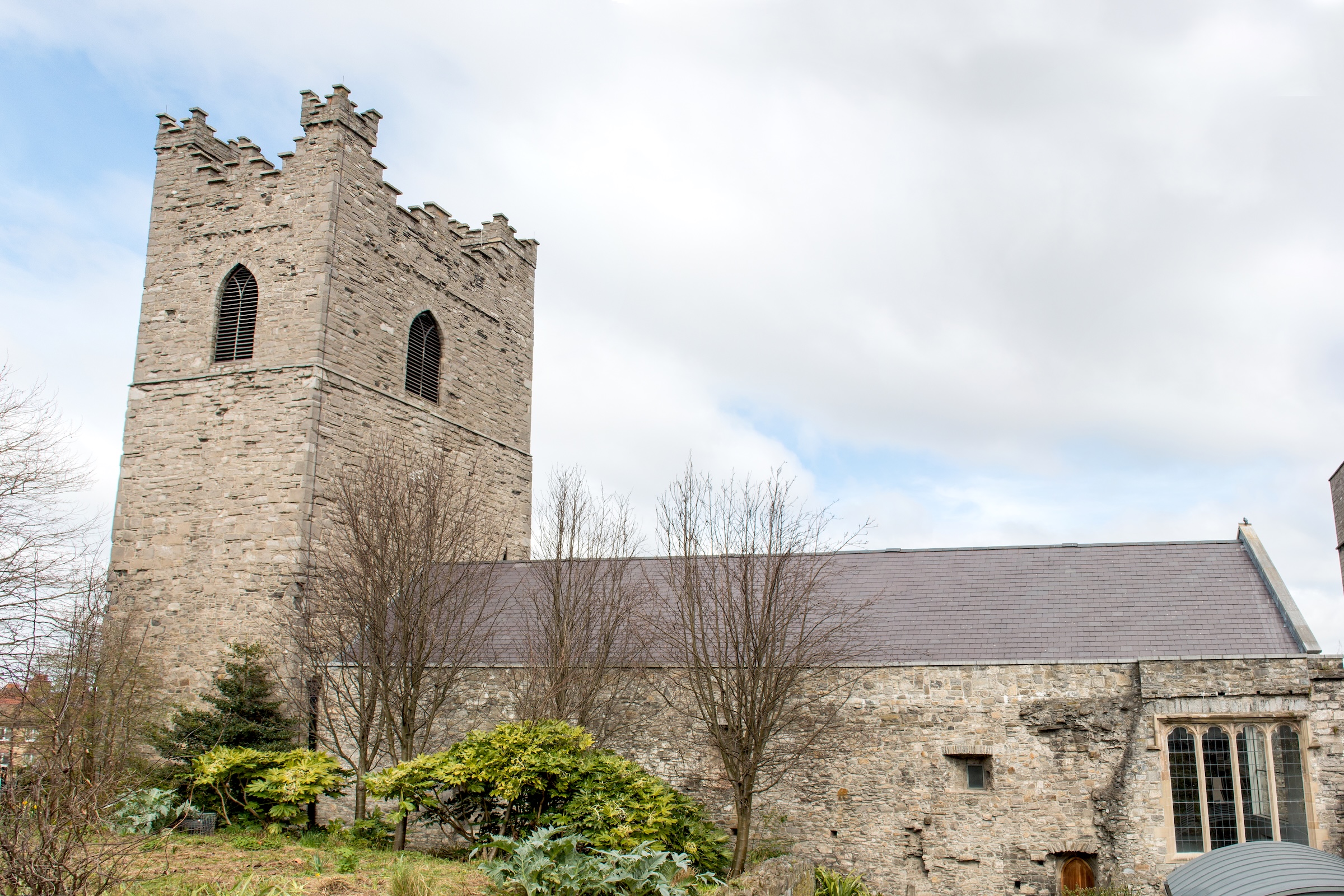
Dublin's oldest working church & Ireland's oldest bells
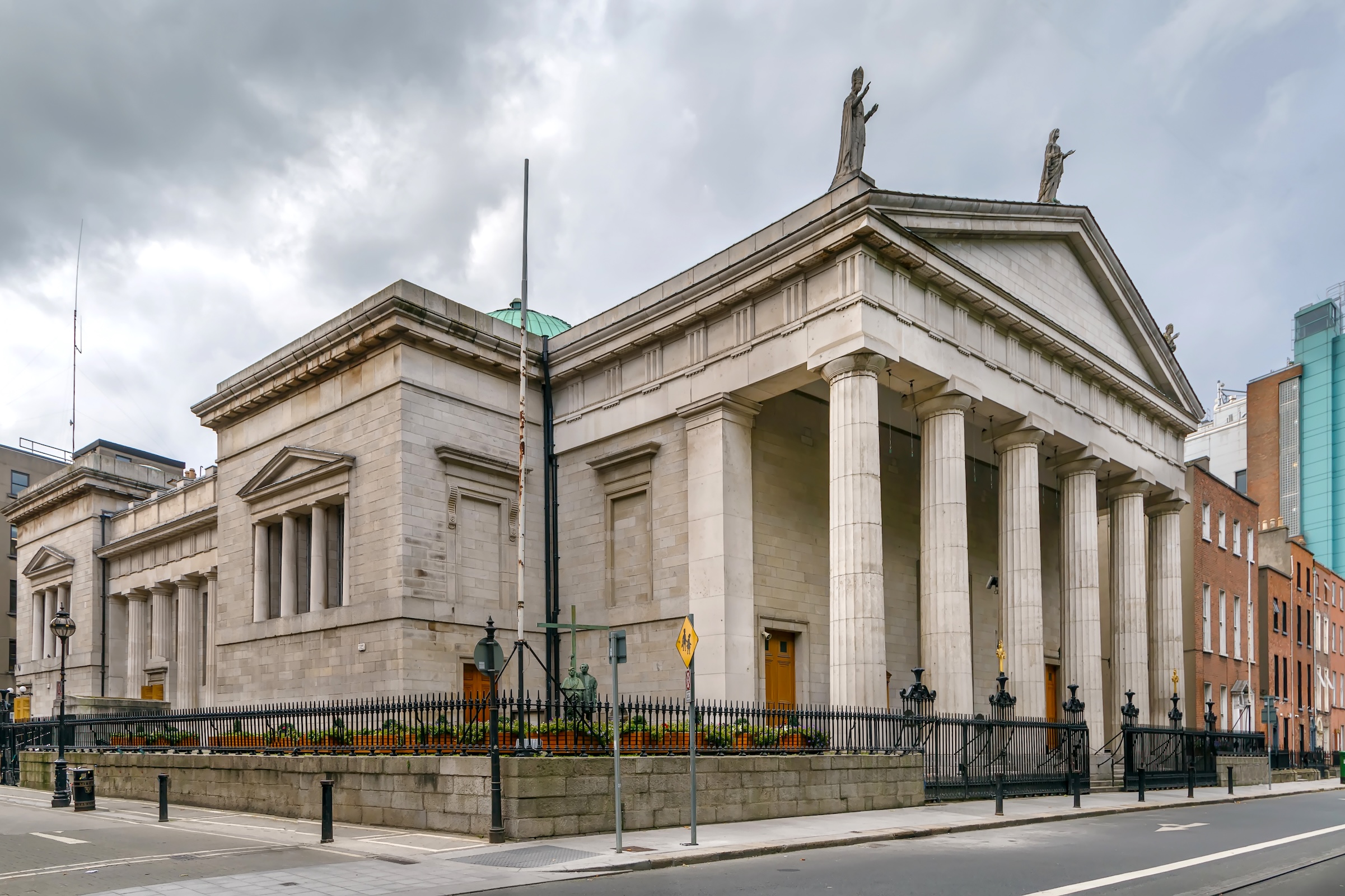
Neoclassical architecture & the Palestrina Choir
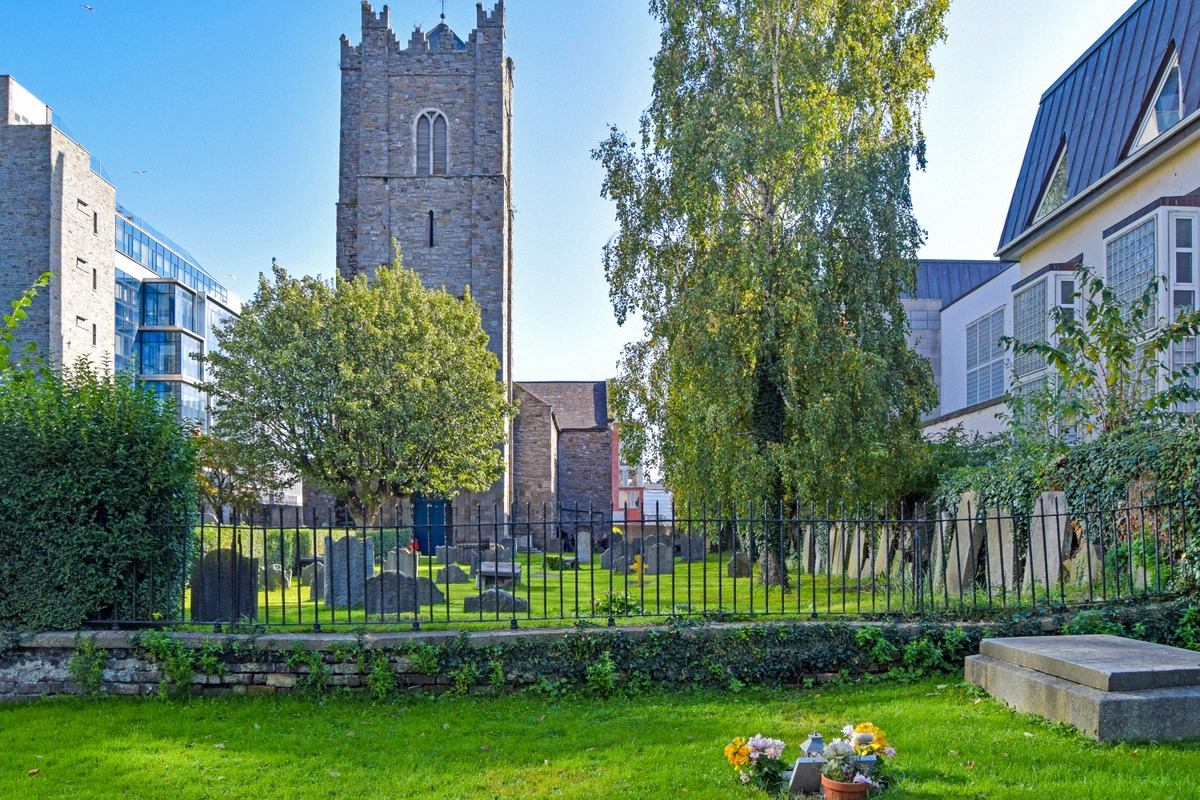
Crypt of mummies with a Bram Stoker connection
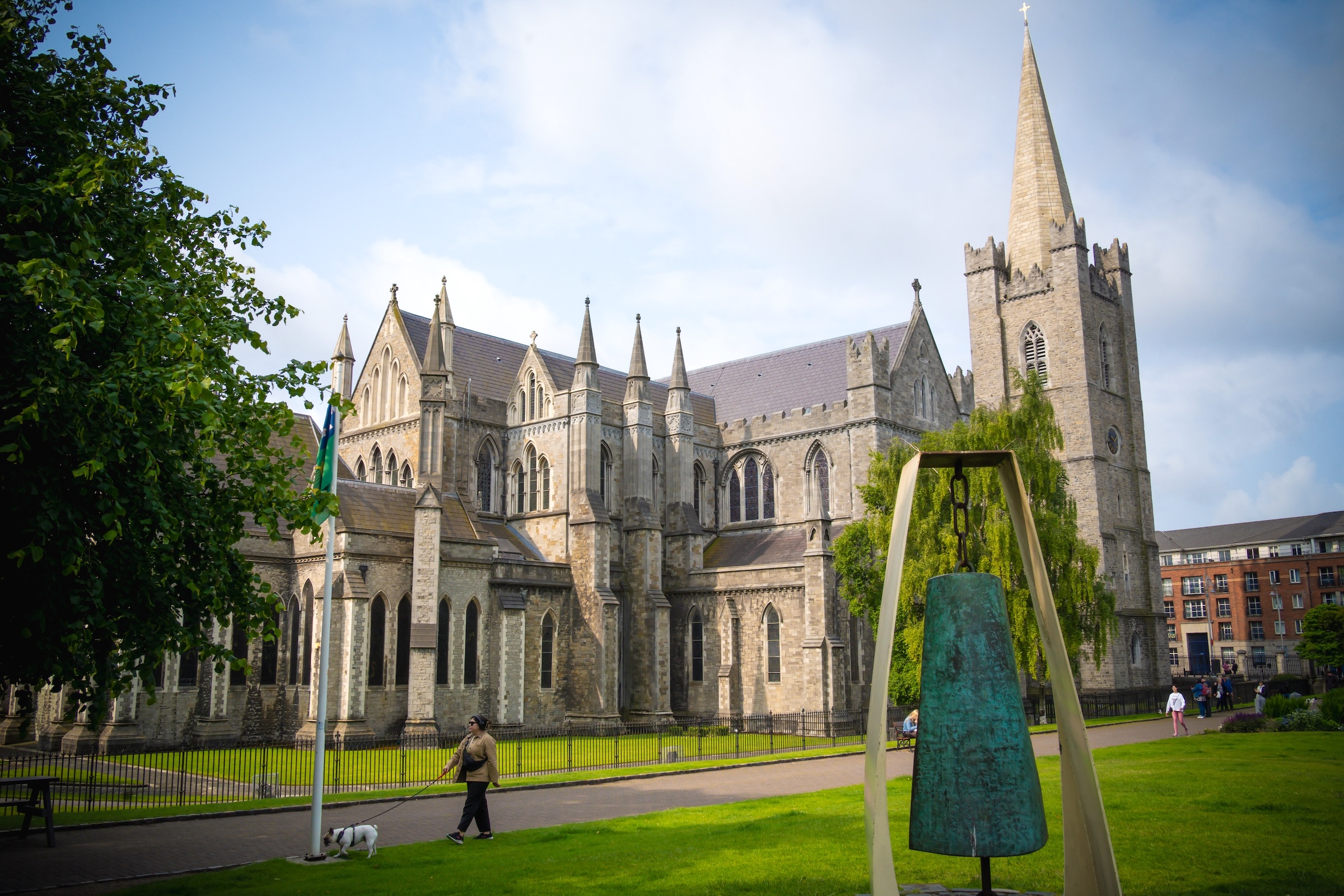
Ireland's largest church & Swift's tomb
No results found.
Dublin is a surprisingly church-rich city, and one where the denominations sit at odds with what you'd expect. Its two most famous places of worship, St Patrick's and Christ Church, both belong to the Anglican Church of Ireland, while the Catholic majority long made do with a "pro-cathedral" instead of a full one. If you like churches, you'll find medieval crypts, Viking history, a genuine saint's relic and a door that gave an English phrase its name. This overview features eight worthwhile places, six churches and two historic cemeteries, with prices and opening hours for 2026.
St Patrick's Cathedral (founded 1191) is Ireland's largest church and the national cathedral of the Church of Ireland. It's the burial place of writer and long-serving dean Jonathan Swift, author of "Gulliver's Travels". Famous here is the Door of Reconciliation from 1492: during a feud between the Butler and FitzGerald noble families, Gerald FitzGerald had a hole cut into the door and reached his arm through it in a gesture of peace, giving rise to the phrase "to chance your arm". Admission costs €11.50 for adults, €10 concession and €5.50 for children aged 6 to 12; guided tours included in the ticket run Monday to Saturday at 10:30 and 14:30.
Just five to ten minutes' walk away stands Christ Church Cathedral, the older of the two. It was founded around 1030 by the Viking king Sitric Silkenbeard, then rebuilt in stone in the late 12th century by the Anglo-Norman conqueror Strongbow. The highlight lies underground: the crypt included in the ticket is considered the largest surviving medieval crypt in Ireland and Britain, and the oldest structure standing in Dublin, complete with the mummified cat and rat known as "Tom and Jerry". Adults pay €12, and a combined ticket with the neighbouring Viking museum Dublinia costs €25. If you're planning to see both cathedrals anyway, check the Go City Dublin Pass, which already includes admission to St Patrick's and Christ Church.
Four more churches are free to visit and pair well with the cathedrals. St Audoen's Church in the Liberties is Dublin's only medieval parish church still in use, home to the three oldest bells still ringing in Ireland, cast in 1423. Admission and the grounds are free; the Office of Public Works visitor centre opens only in season, from 27 March to 5 November 2026, daily 9:30-17:30 (last admission 16:45).
The Whitefriar Street Carmelite Church on Aungier Street is an active Catholic parish church and also free of charge. What makes it interesting for visitors is its relic: the remains of St Valentine rest here in a silver shrine, a gift from Pope Gregory XVI. According to its official website, it's open Monday, Wednesday, Thursday and Friday 7:30-17:00, Tuesday until 21:00 and Saturday 7:30-19:00; Sundays follow Mass times only.
St Mary's Cathedral, north of O'Connell Street, was elevated to Dublin's permanent Catholic cathedral in late 2025 and is home to the renowned Palestrina Choir. Admission is free. Worth noting for planning purposes: St Mary's is expected to close from Easter 2026 (Easter Sunday, 5 April) for around two years for a restoration costing roughly €25 million; services will move to St Andrew's Church on Westland Row for the duration.
At St Michan's Church, north of the Liffey, the church itself is free, while the famous crypt with its naturally mummified bodies is accessible only on a guided tour (€7.00 per person, ticket on site). Following the arson attack in June 2024, which destroyed several mummies, only a reduced tour schedule runs, reportedly Monday to Thursday according to consistent travel sources, with occasional short-notice cancellations. It's worth confirming by phone (01 872 4154) before you visit.
If you want to get closer to Irish history, visit two burial grounds, both free to enter. Glasnevin Cemetery is Ireland's national cemetery, the resting place of Daniel O'Connell, Michael Collins and Charles Stewart Parnell. The grounds are open daily 9:00-17:00 free of charge; only the exhibition and tours cost extra (Irish History Tour €17, O'Connell Tower Climb from €11). Mount Jerome Cemetery in Harold's Cross was Ireland's first private cemetery, opened in 1836, and stands out for its Victorian vaults; those buried here include the painter Jack B. Yeats and Sir William Wilde. Admission is free; the main gate opens Monday to Saturday 8:30-16:00, Sundays and public holidays from 10:00.
Most of these places sit close together in the southern city centre and link up well on foot: Christ Church (with its crypt, optionally Dublinia), the free St Audoen's just around the corner, then St Patrick's with Swift's grave and the Door of Reconciliation, and to finish, the Whitefriar Street Church with its Valentine relics. St Michan's and St Mary's lie north of the Liffey, and the two cemeteries further out again, they work best as a separate trip. Allow half a day to a full day for the city-centre loop, depending on how much time you spend at the two paid cathedrals (around 45 to 60 minutes each). If you want to see more of the medieval quarter, our overview of attractions and Dublin's city history have plenty more to explore.