
Chester Beatty Library
Manuscripts & sacred art - closed until the end of 2026
The Chester Beatty at Dublin Castle holds manuscripts, rare books and sacred art spanning 4,500 years, free admission. Closed 15 June to end of December 2026.
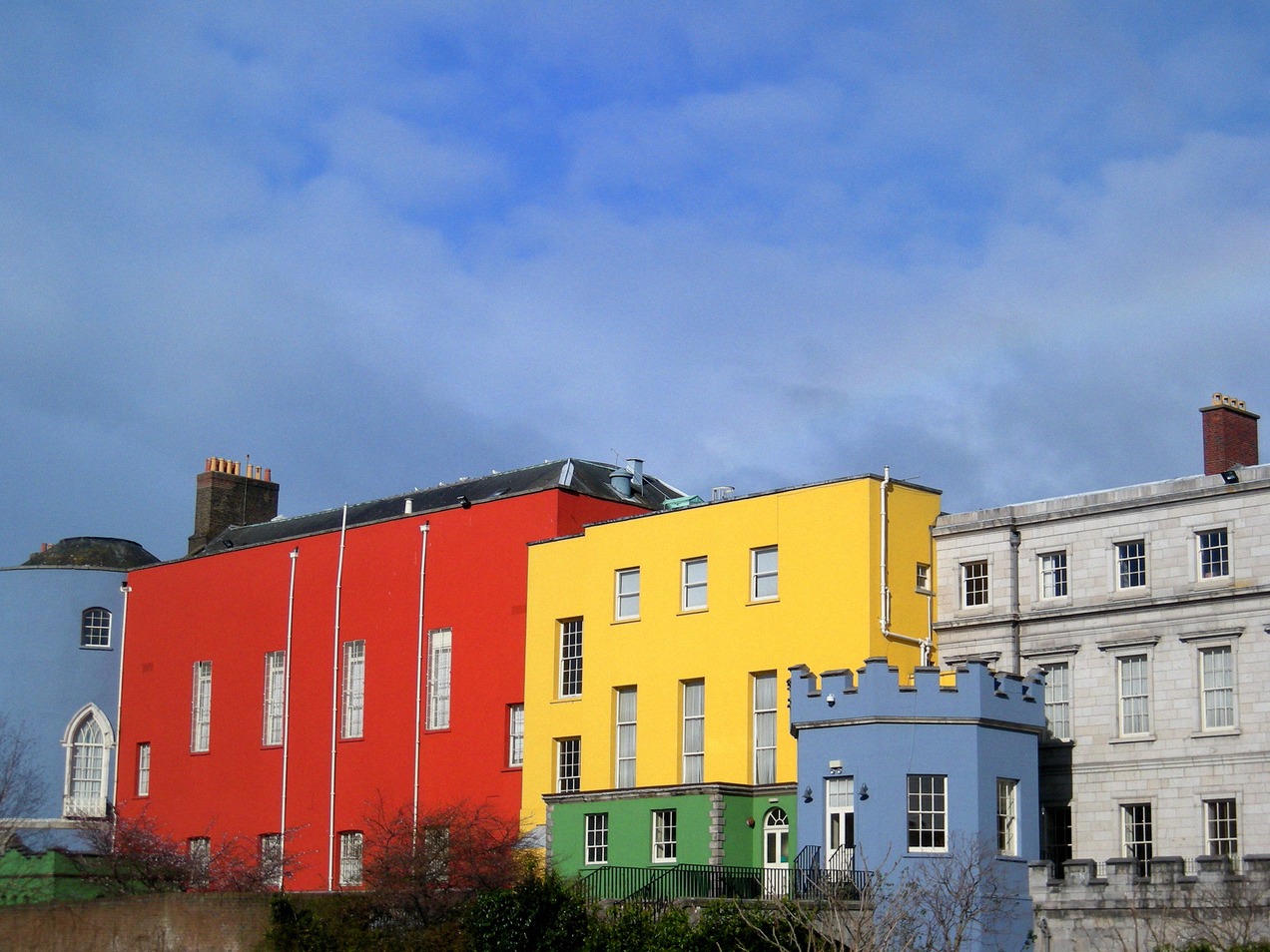
Contents
The Chester Beatty is one of the world's foremost museums of manuscripts, rare books and sacred art, and it sits right inside Dublin Castle. From the oldest surviving love poem to early Qur'an manuscripts, the collection spans 4,500 years of human history. Admission is free, and the museum was named European Museum of the Year in 2002.
Important: closed in 2026
From 15 June to the end of December 2026, the Chester Beatty is closed to the public. The reason is Ireland's EU Council Presidency, for which the whole of Dublin Castle is being used as a venue. Reopening is planned for January 2027.
- If you're visiting Dublin in the second half of 2026, plan your visit for before the closure or pick an alternative.
- Check chesterbeatty.ie before you travel, as the timeline could shift.
- For another free-admission art museum, the Hugh Lane Gallery is a good substitute, though it's also closed for renovation; the National Gallery of Ireland remains open.
The collection
The holdings are organised into three main areas: the Western, Islamic and East Asian collections. All three include manuscripts, prints, miniatures, decorative art and rare books.
Highlights include the Chester Beatty Love Poems (around 1160 BC), one of the oldest surviving love poems in the world, along with Egyptian books of the dead from various eras. The biblical Chester Beatty Papyri, dating from the 3rd and 4th centuries AD, are among the oldest surviving textual witnesses to the New Testament, their discovery in 1931 was hailed as the most significant find of biblical manuscripts since the Codex Sinaiticus.
The Islamic collection comprises more than 6,000 individual objects and ranks among the finest outside the Middle East. It includes over 260 Qur'an manuscripts, some dating from the early 8th century, barely a century after the death of the Prophet Muhammad. Especially notable is the Ibn al-Bawwab Qur'an from 1000 AD, a masterpiece of Islamic calligraphy.
The East Asian department displays Chinese jade books, Japanese picture scrolls and netsuke, intricately carved miniature sculptures that served as fashionable toggles in Edo-period Japan (1603-1868), used to fasten inrō (small containers for personal items) to a sash. The Mughal collection from India holds over 1,000 individual folios of calligraphy and portrait miniatures of the Mughal emperors.
The exhibitions
The museum presents two permanent exhibitions. On the first floor, "Arts of the Book" traces the art of the book from antiquity to the present, including illuminated European manuscripts, master prints from Dürer to Rembrandt, and one of the world's most significant collections of Chinese jade books.
On the second floor, "Sacred Traditions" is devoted to the world's religions: Judaism, Christianity, Islam, Buddhism, Hinduism, Jainism and ancient Egyptian belief systems are presented through their sacred texts and artworks.
Above the exhibition galleries lies a small, quiet roof garden. Designed as a contemplative space, it offers views over the Dubh Linn Garden and Dublin Castle, ideal for a break between collections.
Sir Alfred Chester Beatty
The American mining engineer Alfred Chester Beatty (1875-1968) made his fortune in copper mining, which earned him the nickname "King of Copper". As a young man he had already begun collecting Chinese snuff bottles and Japanese netsuke. After a trip to Egypt in 1914, he expanded his collection to include Islamic manuscripts.
In 1950, frustrated with post-war British politics, Beatty left the UK and settled in Dublin. In 1954 he opened a library on Shrewsbury Road to display his collection to the public. In 1957 he became the first person ever to be made an honorary citizen of Ireland. After his death in 1968, he was given a state funeral at St Patrick's Cathedral, the first private citizen in Irish history to receive one. He bequeathed his collection to the people of Ireland.
In 2000, marking the 125th anniversary of Beatty's birth, the museum moved into the restored Clock Tower Building at Dublin Castle. The building was constructed in 1820, likely to designs by the architect Francis Johnston, and originally served as an arsenal for the Royal Engineers. In 2002, the Chester Beatty became the first and, to date, only Irish museum to be named European Museum of the Year.
Visiting: what to know
Allow around 1.5 to 2 hours for the two permanent exhibitions. It's quietest on weekday mornings and late afternoons; there are no official peak times to avoid. Admission is free, and a donation of €10 is welcome. Individual visitors don't need a ticket or advance booking.
- Guided tours: free drop-in tours on Wednesdays at 17:30, Saturdays at 14:00 and Sundays at 15:00; meet in the atrium, capped at 15 people, no booking.
- Audio guide: available via the free Audiala app in several languages, including English, German, French, Italian, Spanish and Japanese.
- Photography: allowed without flash, except in specially marked areas.
- On site: the Silk Road Café, serving Mediterranean and Middle Eastern food, plus a museum shop open even without a ticket.
The museum sits in the courtyard of Dublin Castle and pairs well with a castle visit. Dame Street is only about a 2-minute walk away, and Trinity College around 10 minutes. Hop-on-hop-off buses stop right at the castle. For more ideas on planning your days, see the Attractions guide and the Museums in Dublin overview.
Frequently asked questions
How much does it cost to visit the Chester Beatty? +
What are the Chester Beatty's opening hours? +
Is it true the Chester Beatty is closed in 2026? +
Are there guided tours at the Chester Beatty? +
How do I get to the Chester Beatty? +
Nearby
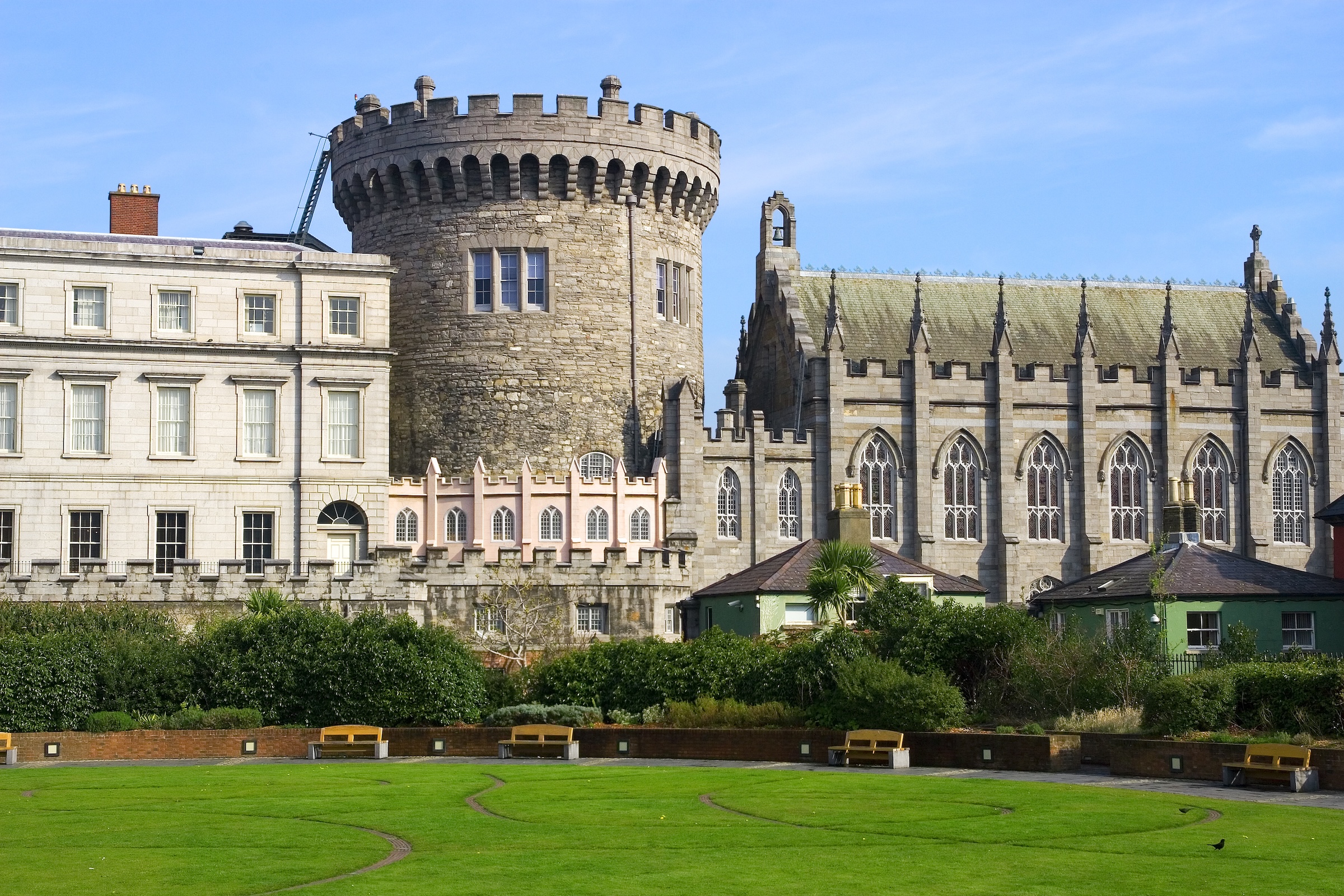
Dublin Castle
Dublin Castle, former seat of the British crown, spans 800 years from a Viking settlement to the State Apartments. Fully closed until 31 December 2026.
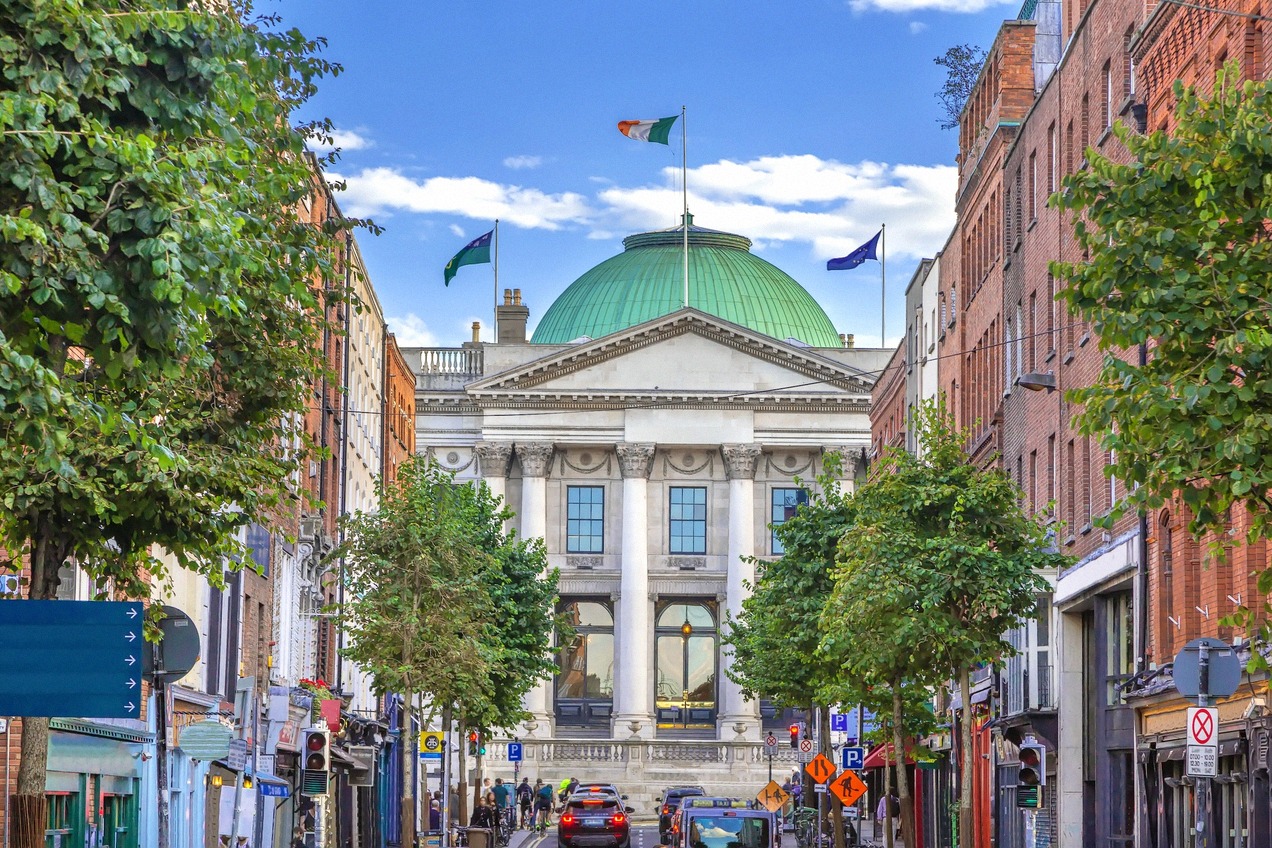
Dublin City Hall
Dublin City Hall on Dame Street, built in 1769 as the Royal Exchange. Magnificent rotunda, free admission. Opening hours, directions and visitor tips.
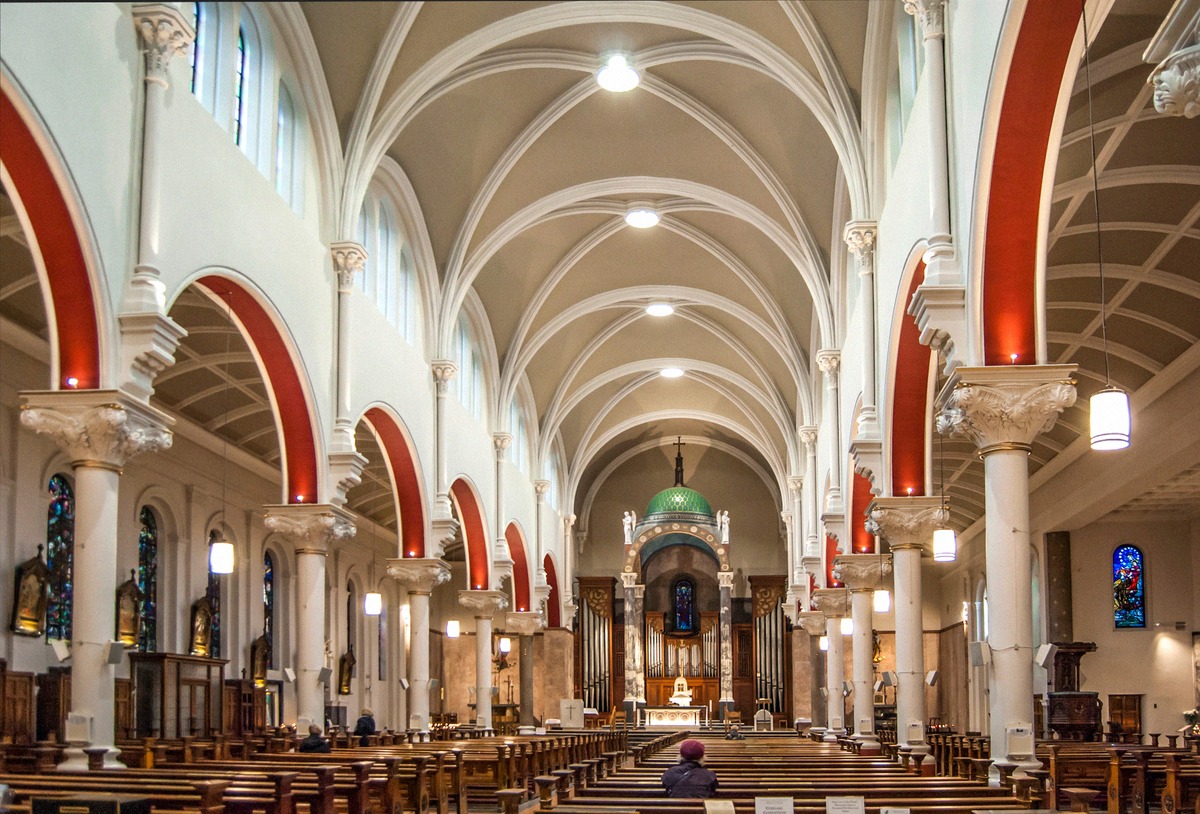
Whitefriar Street Church
The Church of Our Lady of Mount Carmel holds the relics of St Valentine and "Our Lady of Dublin", Ireland's oldest statue of Mary.
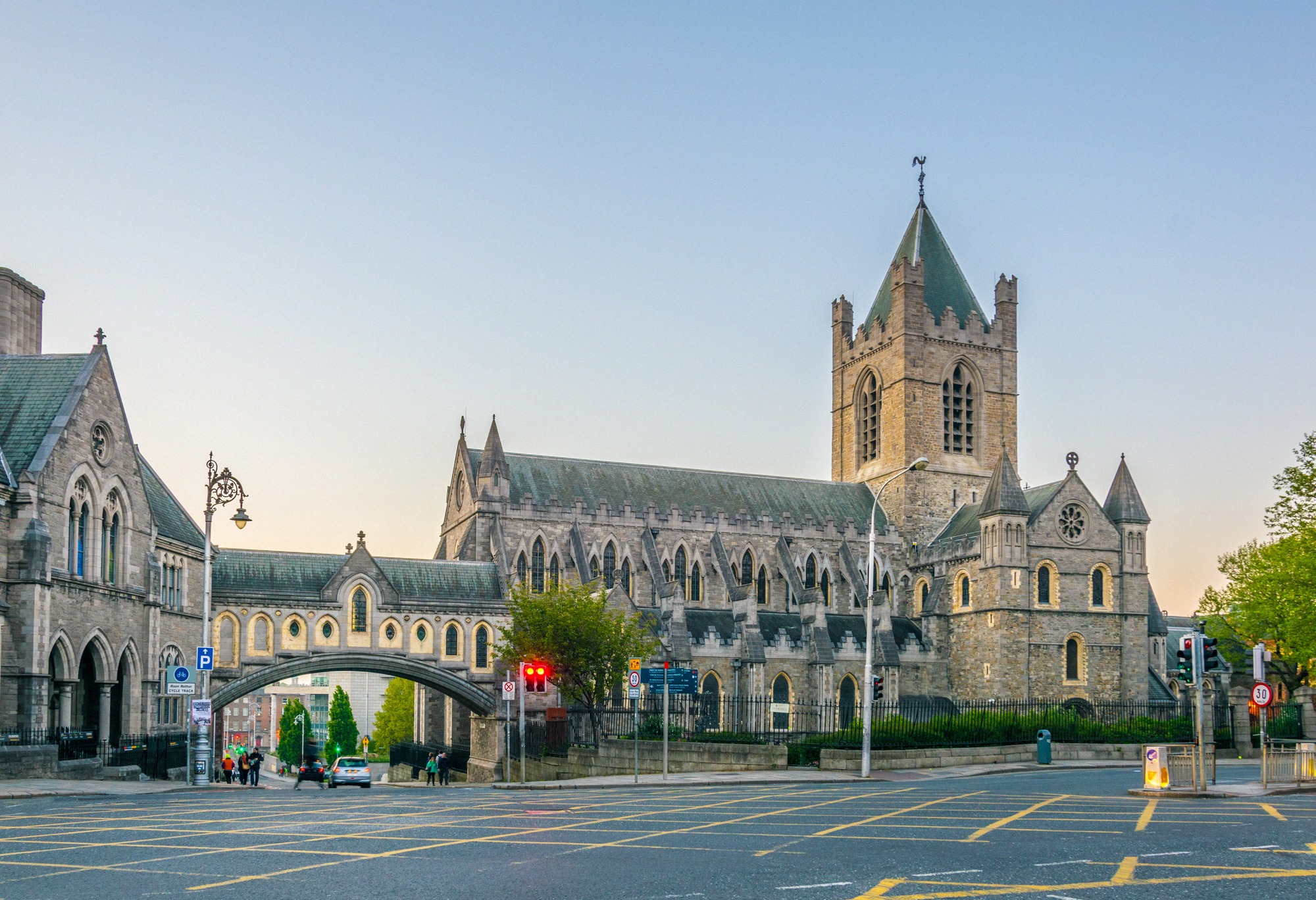
Christ Church Cathedral
Christ Church Cathedral (Cathedral Church of the Holy Trinity) is Dublin's oldest building, home to Ireland's largest crypt, Strongbow's tomb and the mummified cats Tom and Jerry.
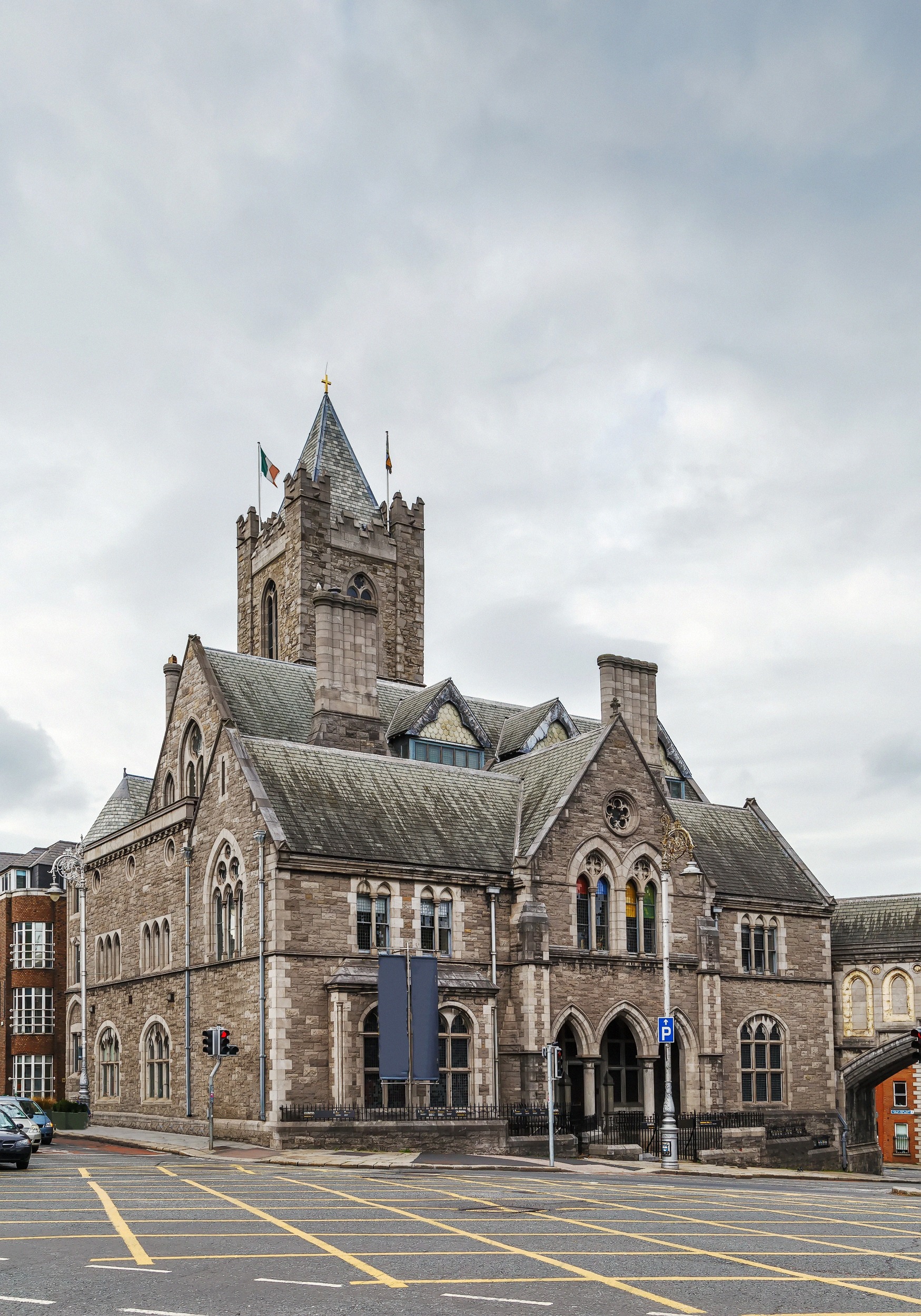
Dublinia
Hands-on Viking and medieval history next to Christ Church Cathedral. Living-history tours, interactive stations and a climb up St Michael's Tower.
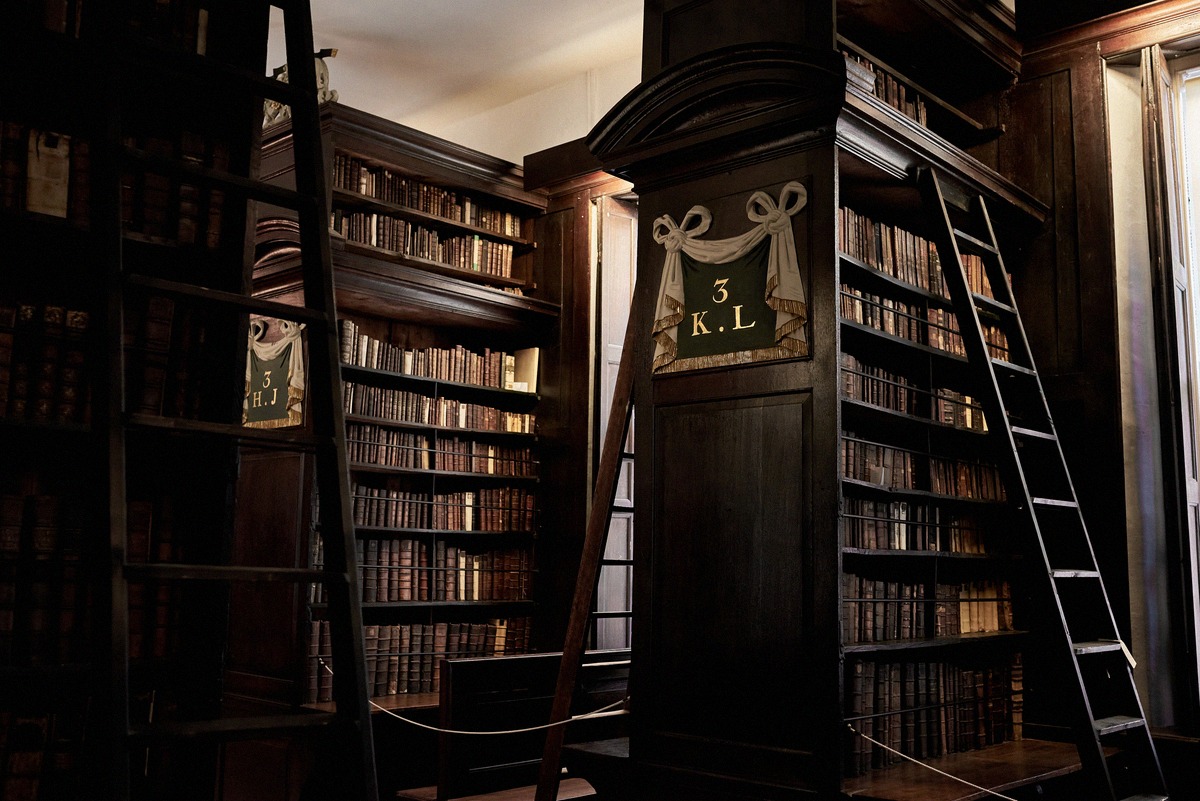
Marsh's Library
Marsh's Library, tucked behind St Patrick's Cathedral, is Ireland's oldest public library, almost unchanged since 1707. Hours, prices and tips.