
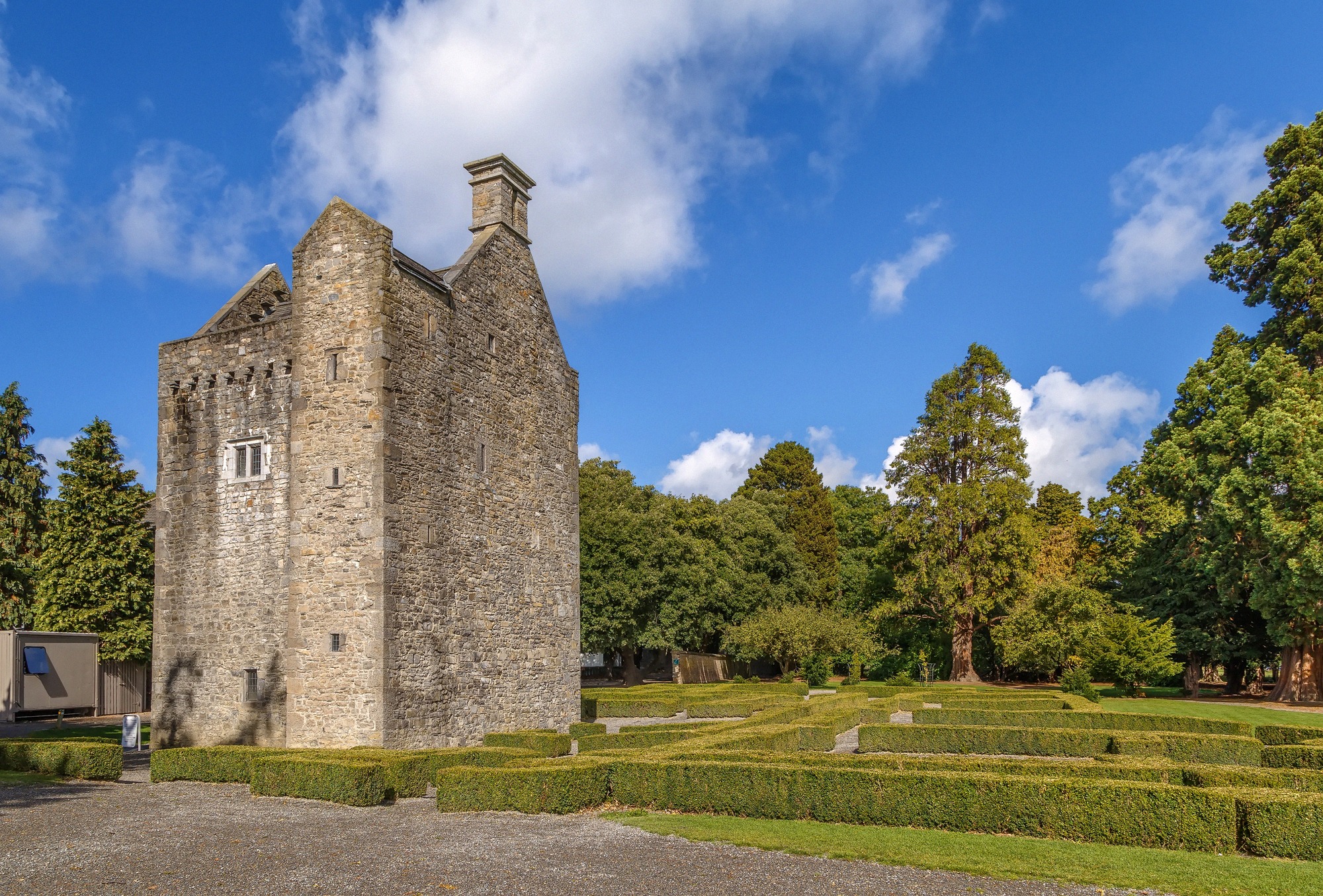
Ashtown Castle
A rediscovered tower house hidden inside Phoenix Park
Overview
All of Dublin's attractions at a glance, from the Guinness Storehouse and Trinity College to free classics like Phoenix Park and St Stephen's Green.
A rediscovered tower house hidden inside Phoenix Park
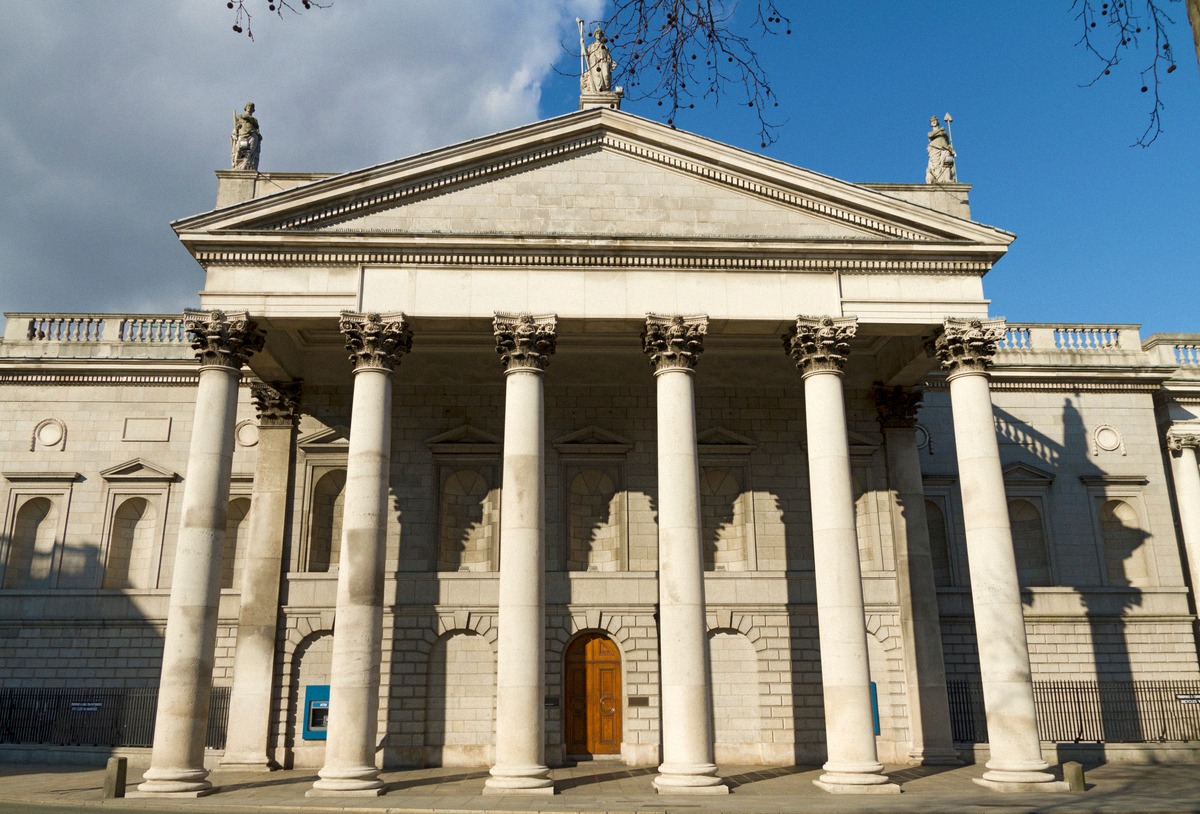
The historic Parliament House, now a bank branch
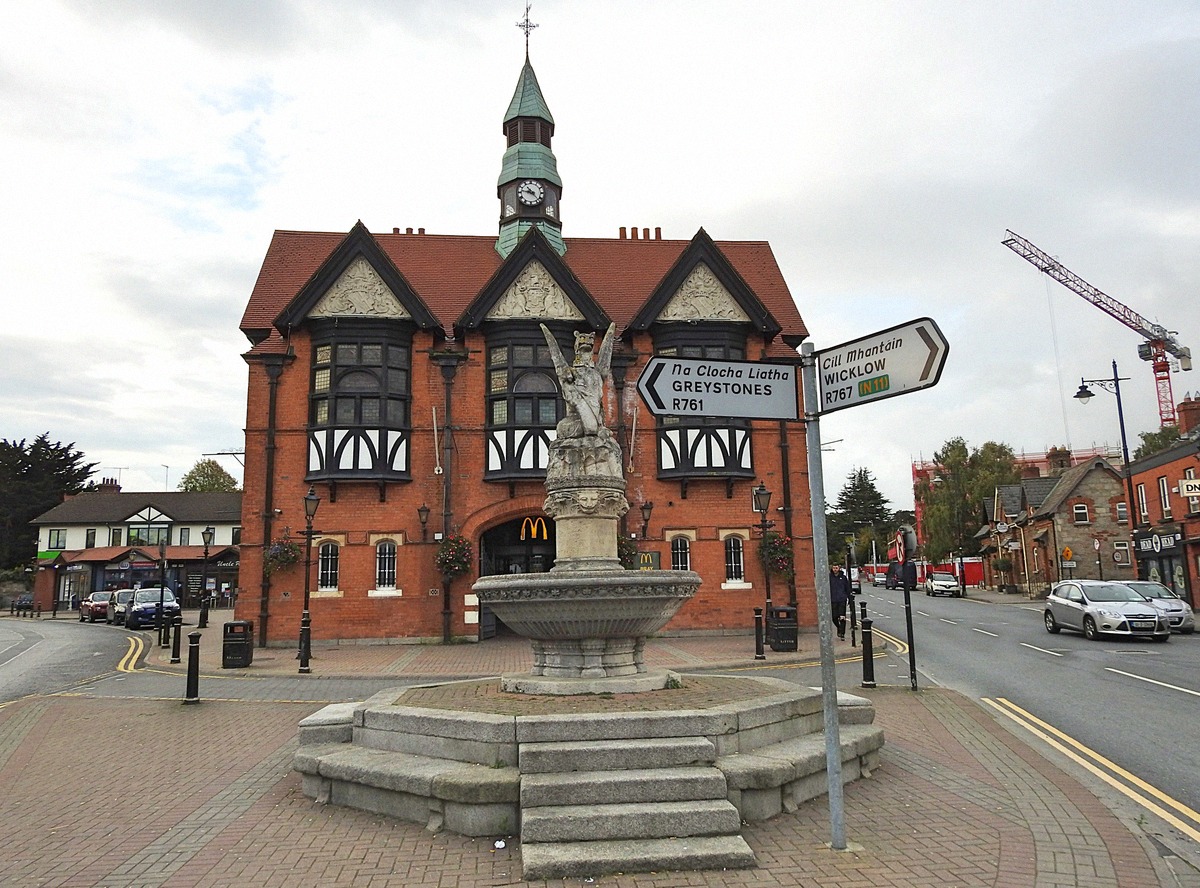
Tudor Town Hall & Brabazon Fountain in Bray
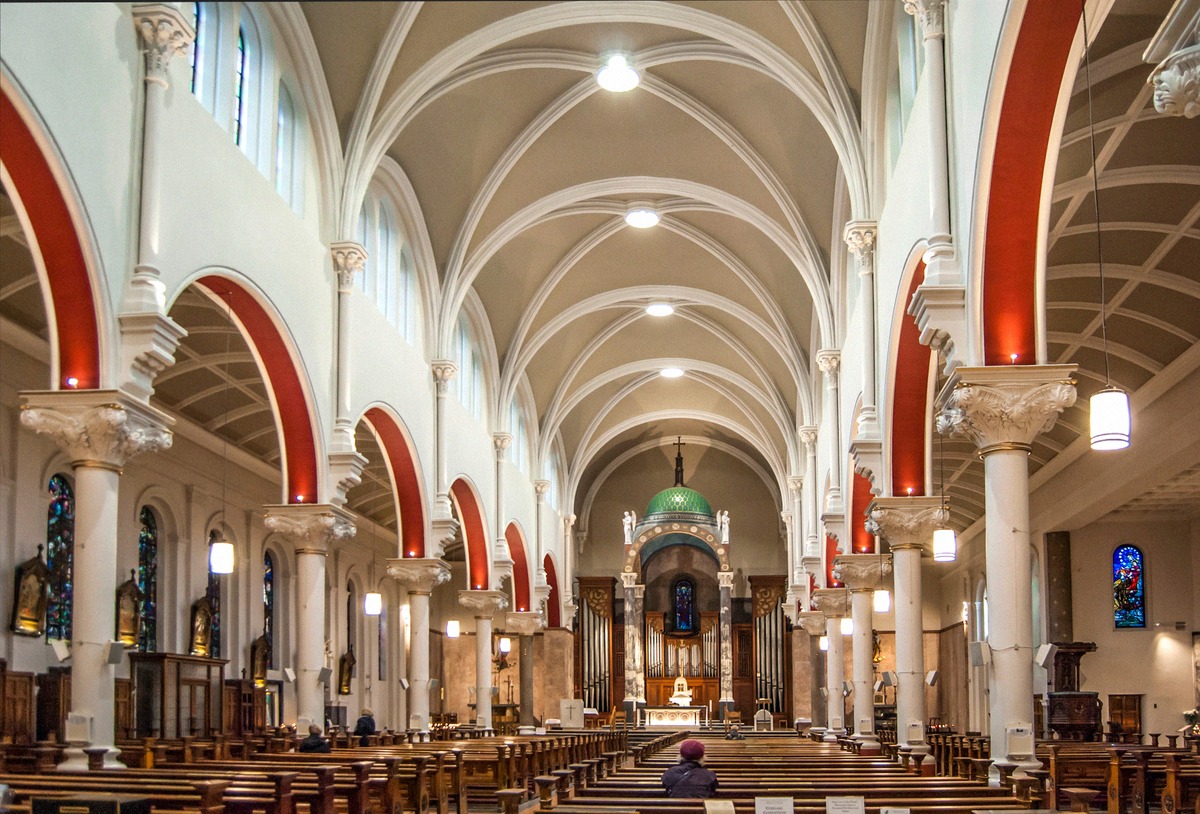
Carmelite Church & Shrine of St Valentine
Neoclassical garden pavilion full of architectural tricks
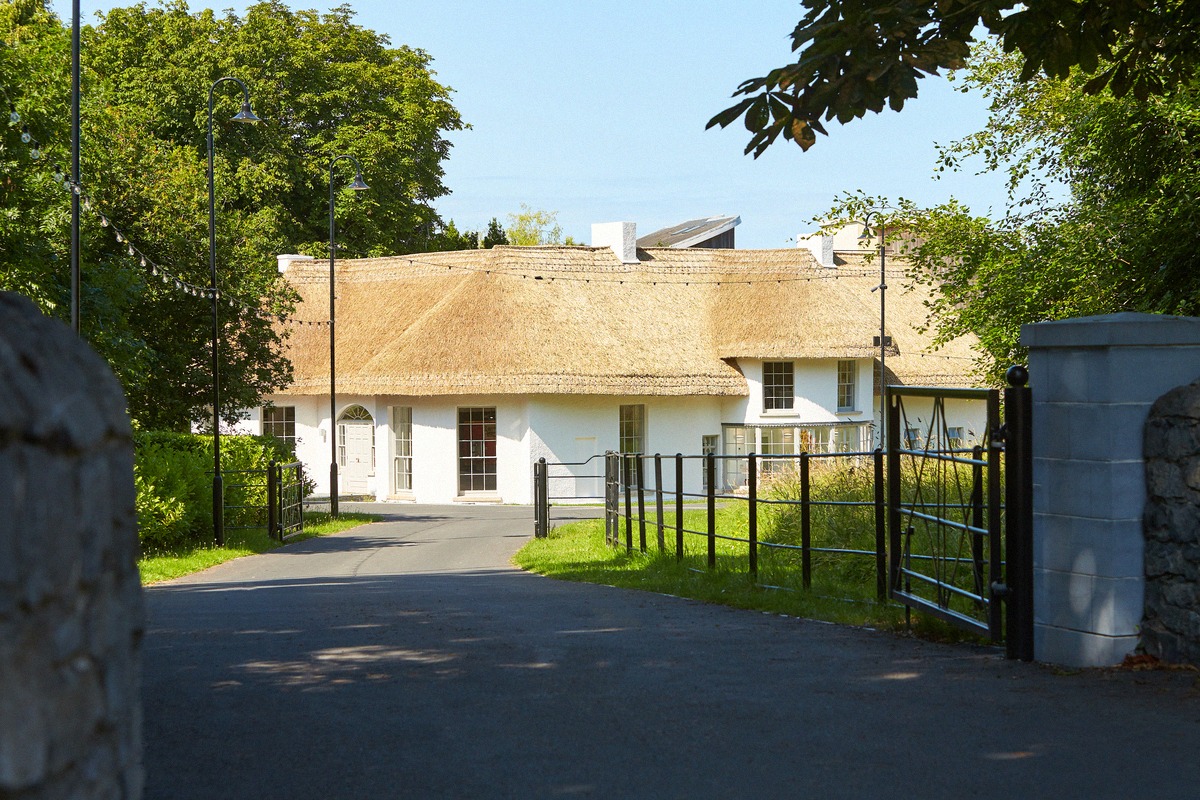
Model railway museum near Malahide Castle
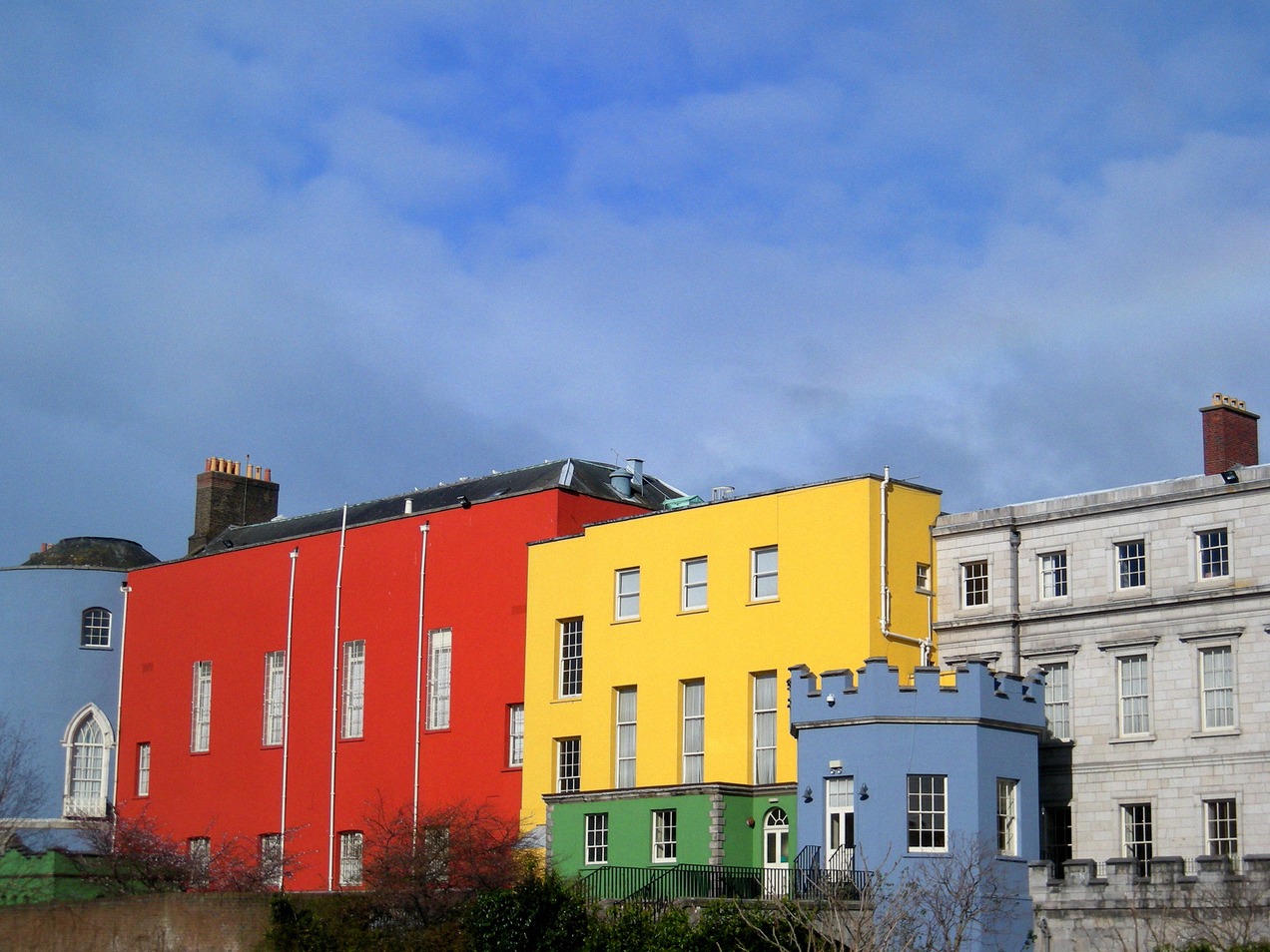
Manuscripts & sacred art - closed until the end of 2026
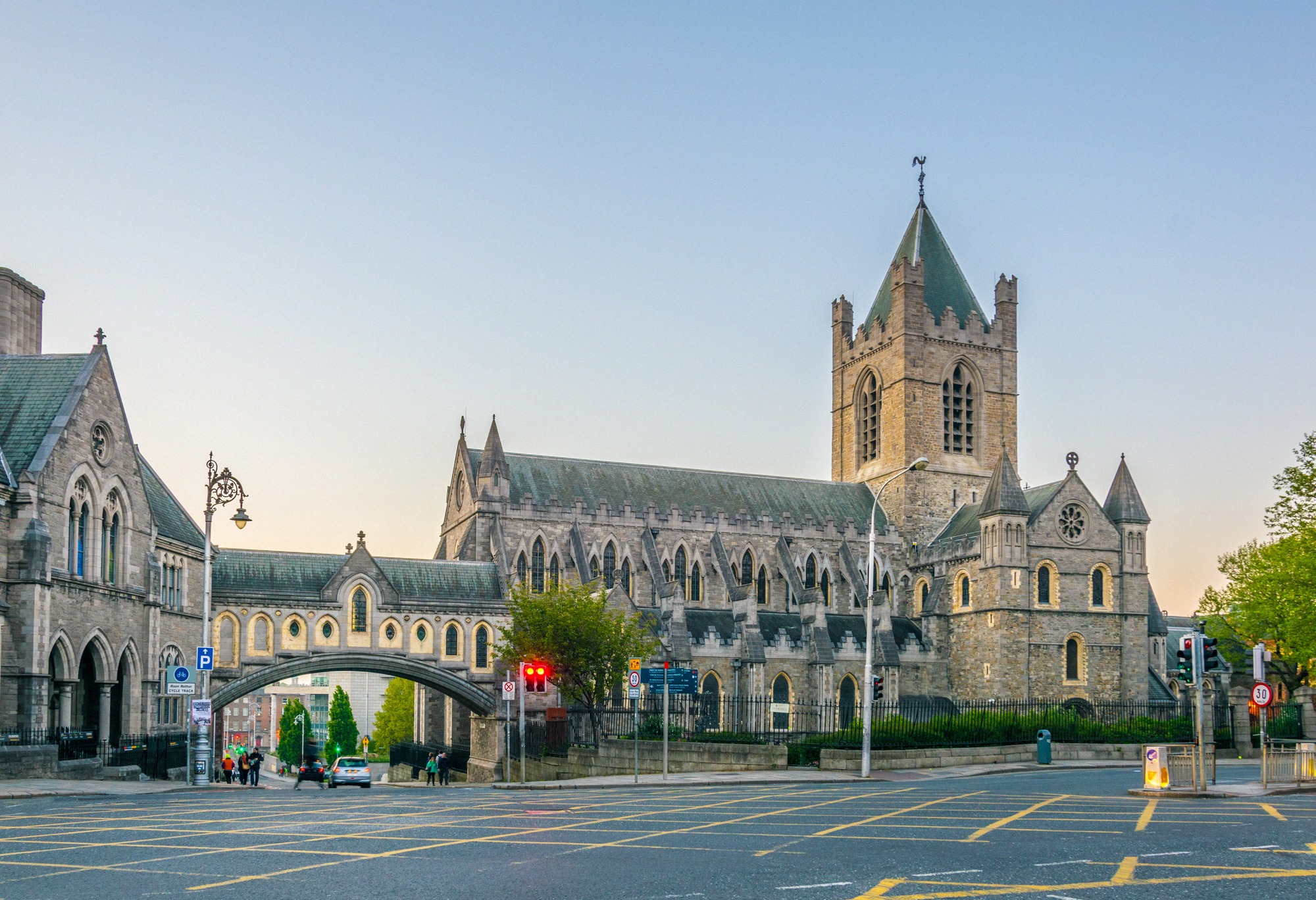
Dublin's oldest building and Ireland's largest crypt
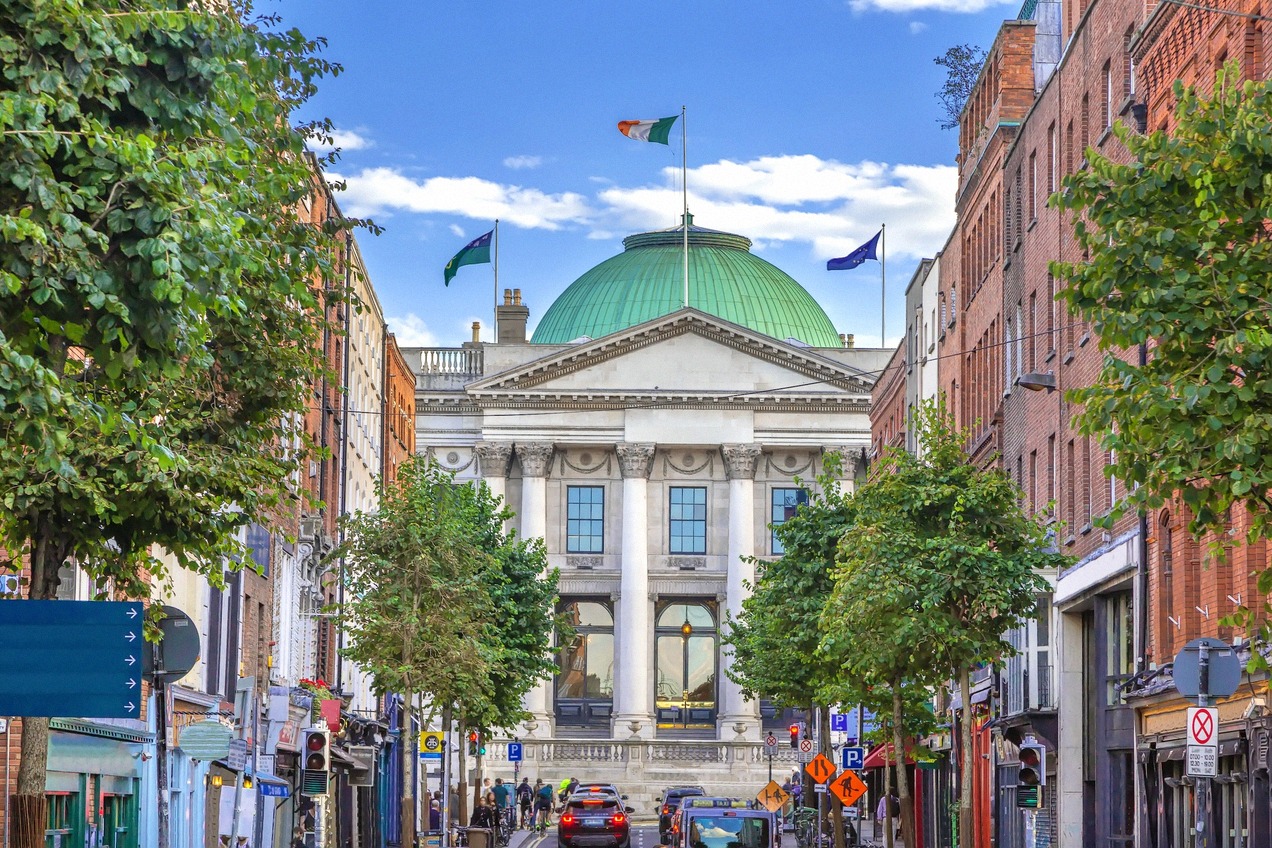
Georgian showpiece with a grand rotunda
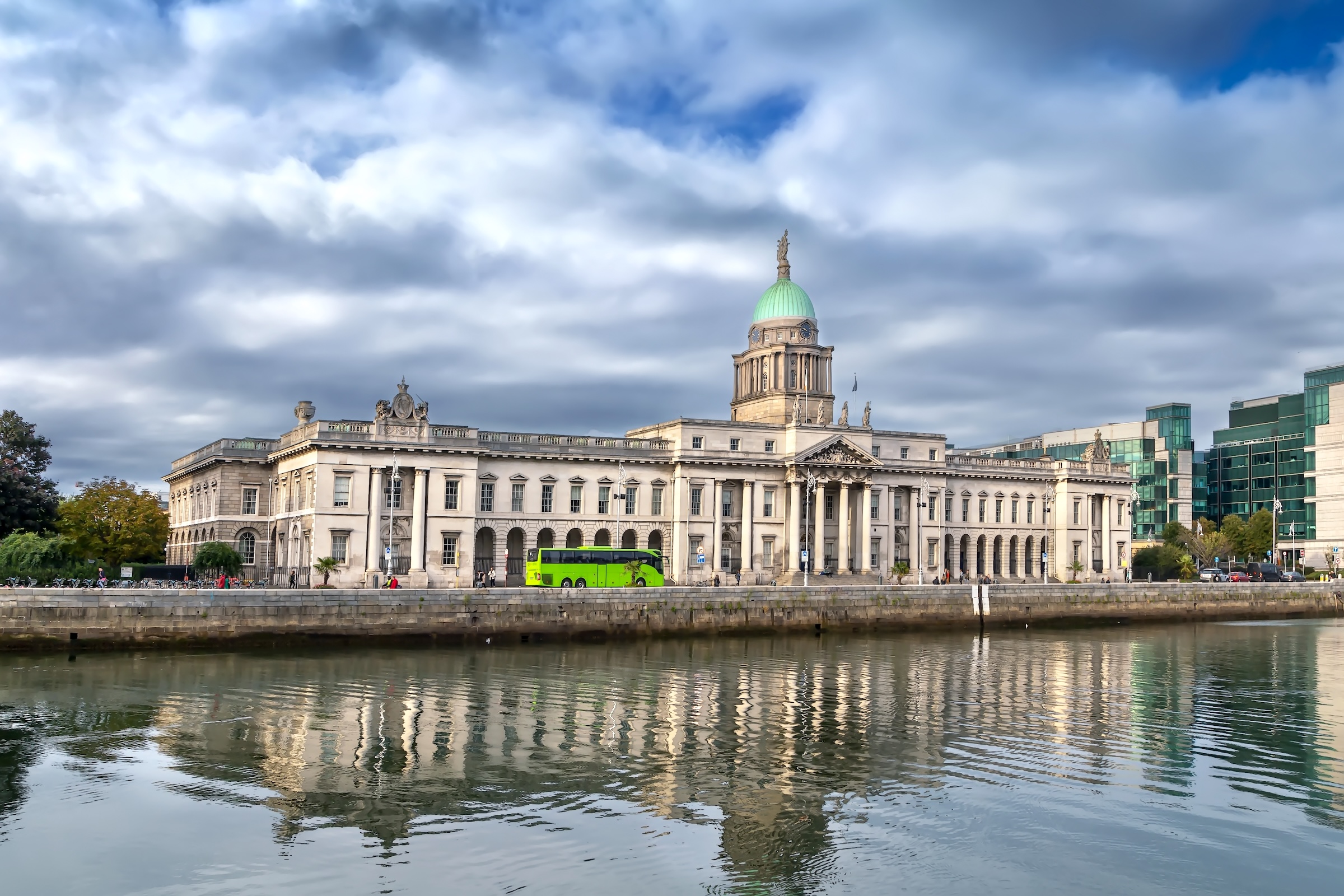
Gandon's customs palace on the Liffey
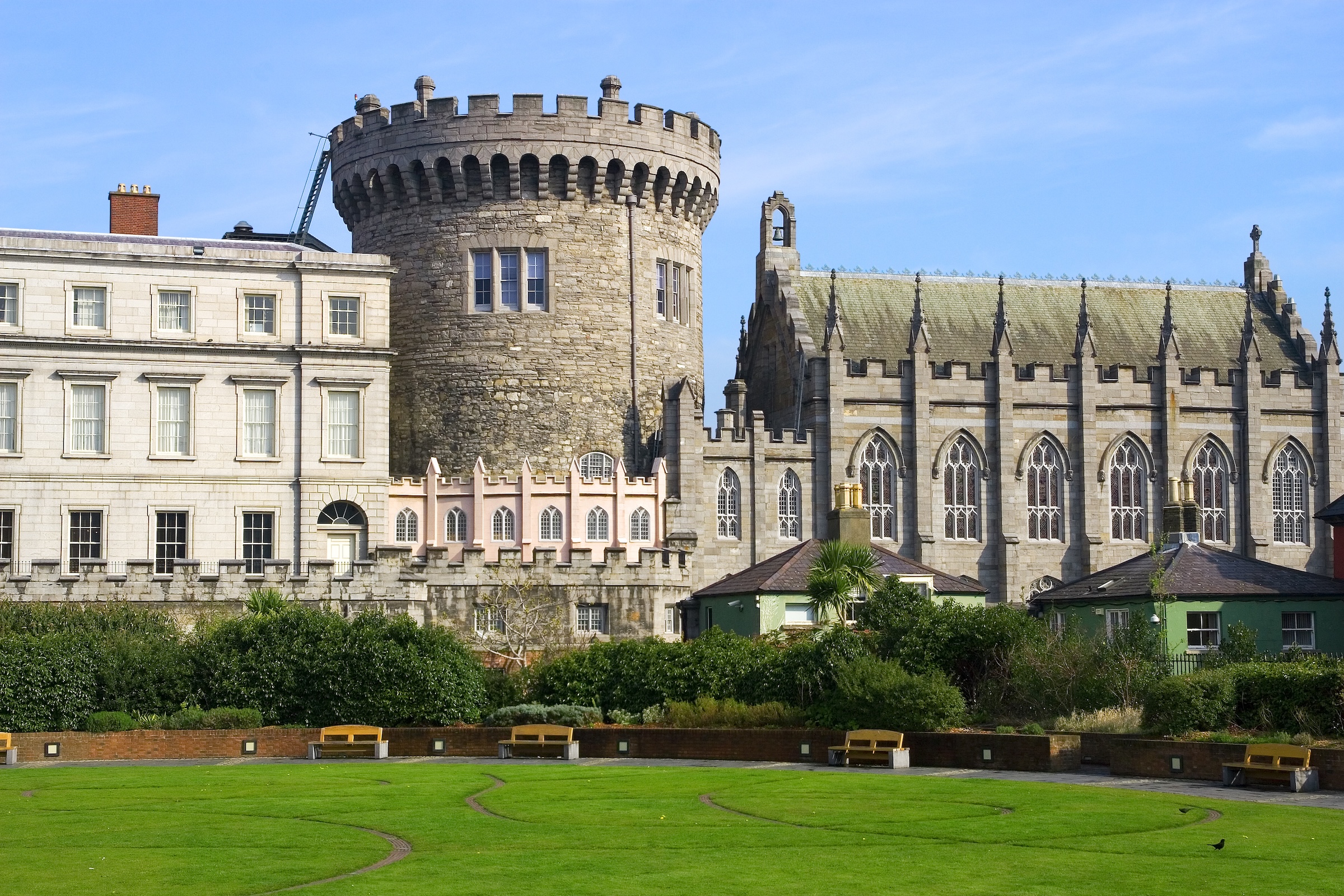
Medieval castle - closed until the end of 2026
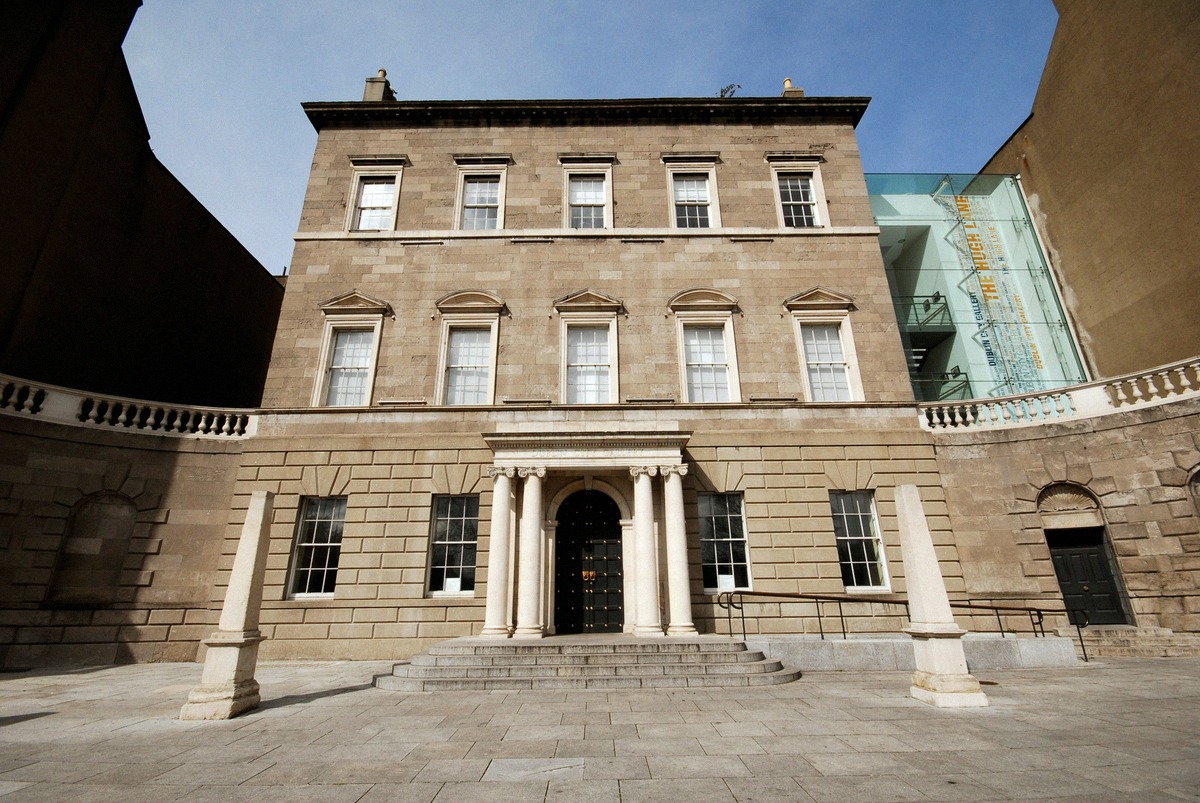
City gallery on Parnell Square - closed until around 2028
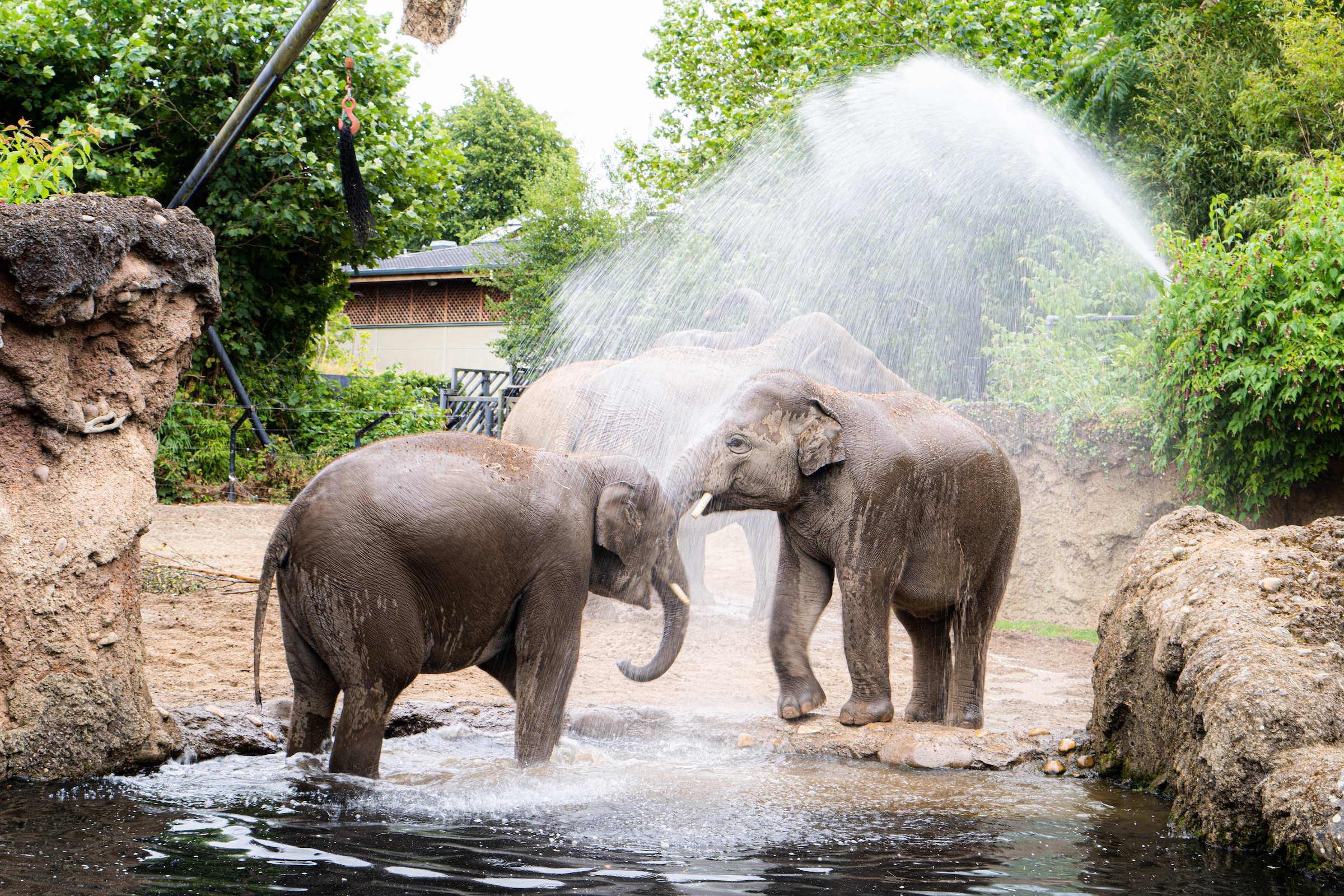
Ireland's oldest zoo, set inside Phoenix Park
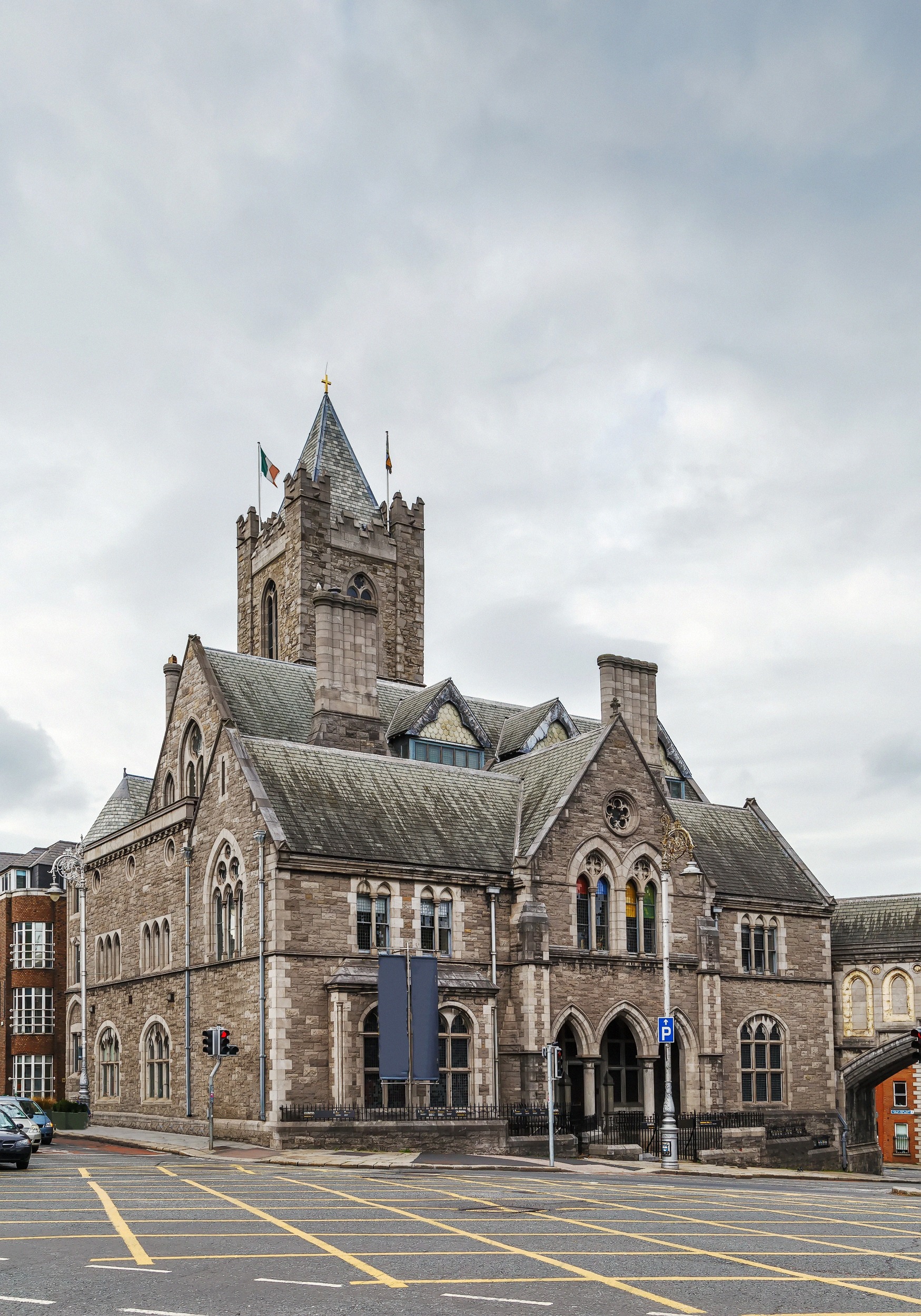
Viking and medieval history museum beside Christ Church
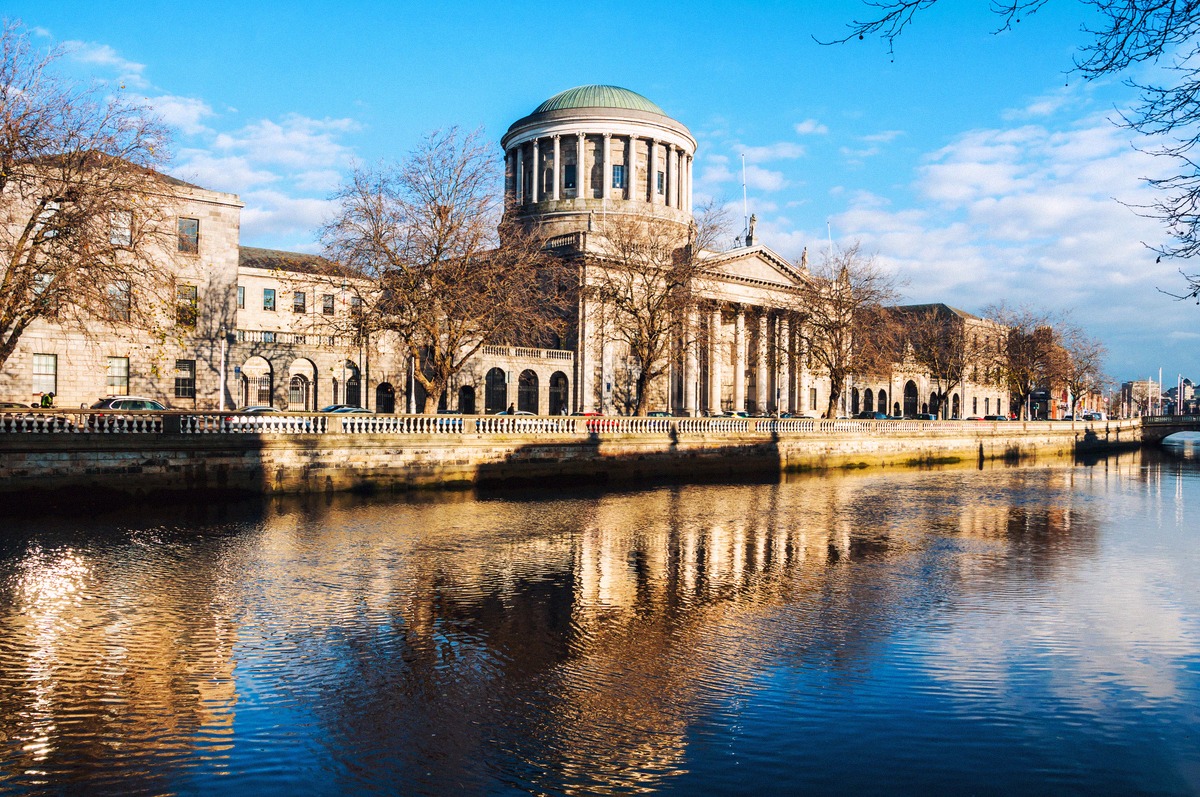
Neoclassical courts building on Inns Quay
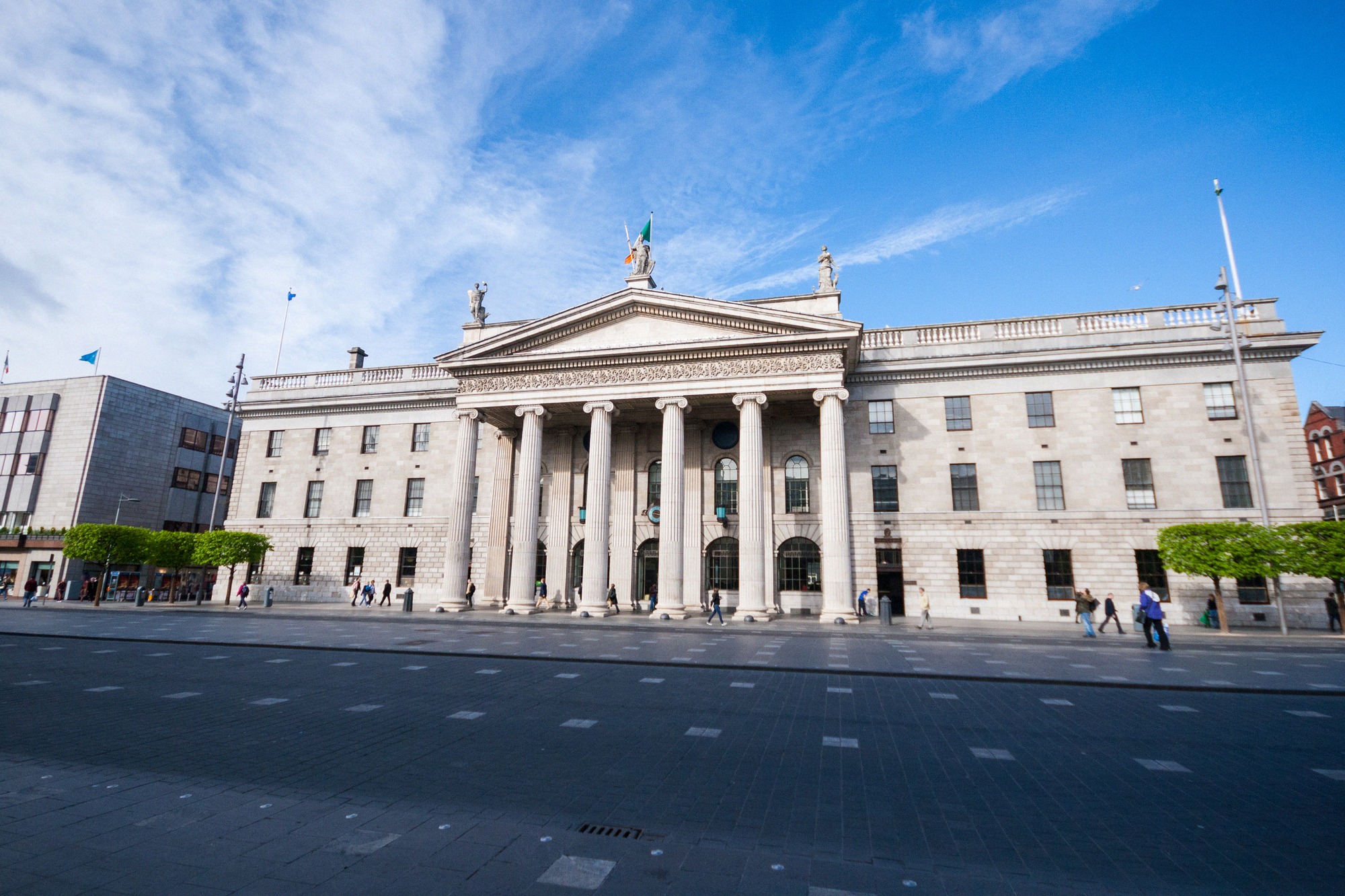
Headquarters of the 1916 Easter Rising
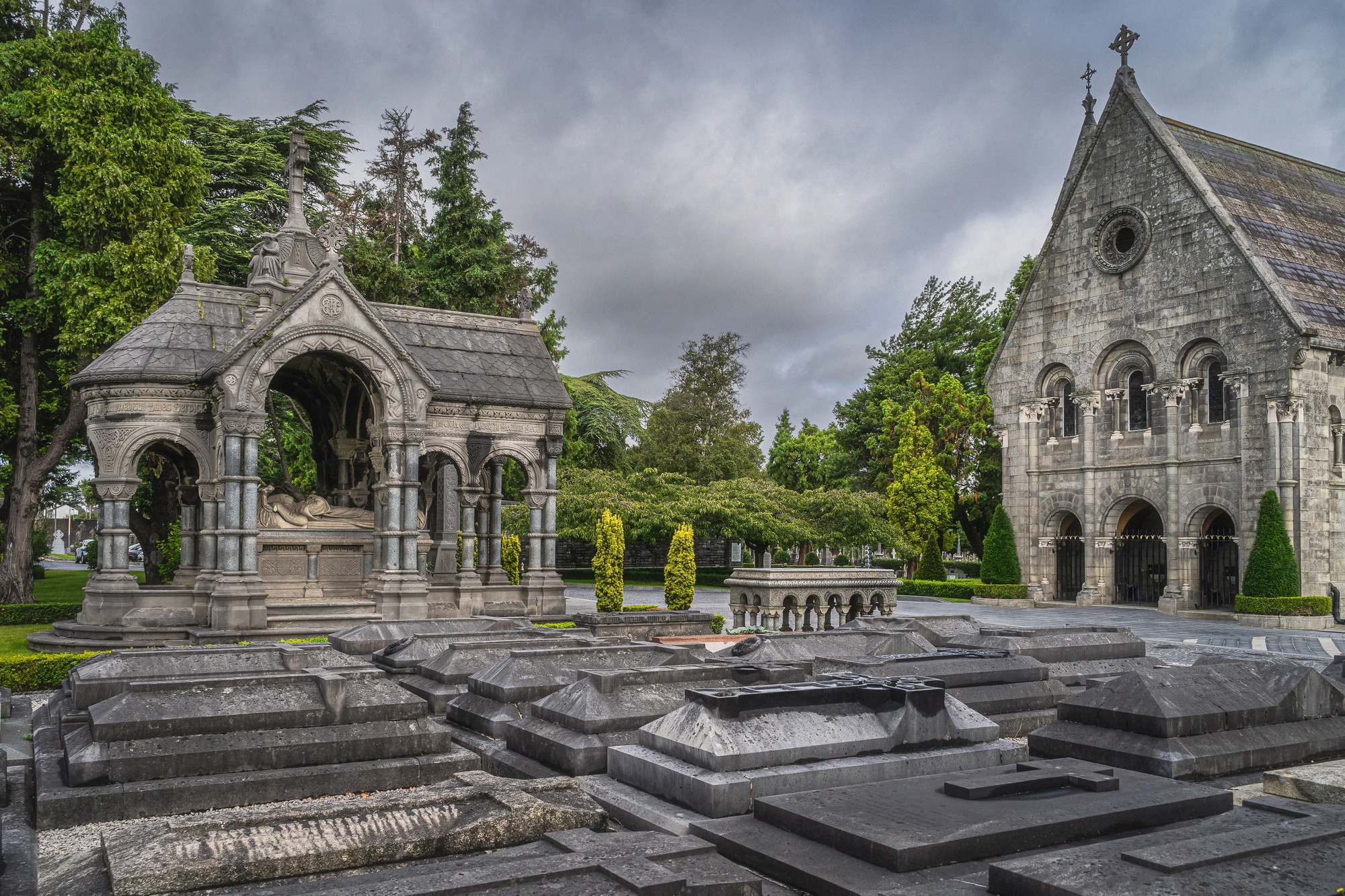
Ireland's National Cemetery
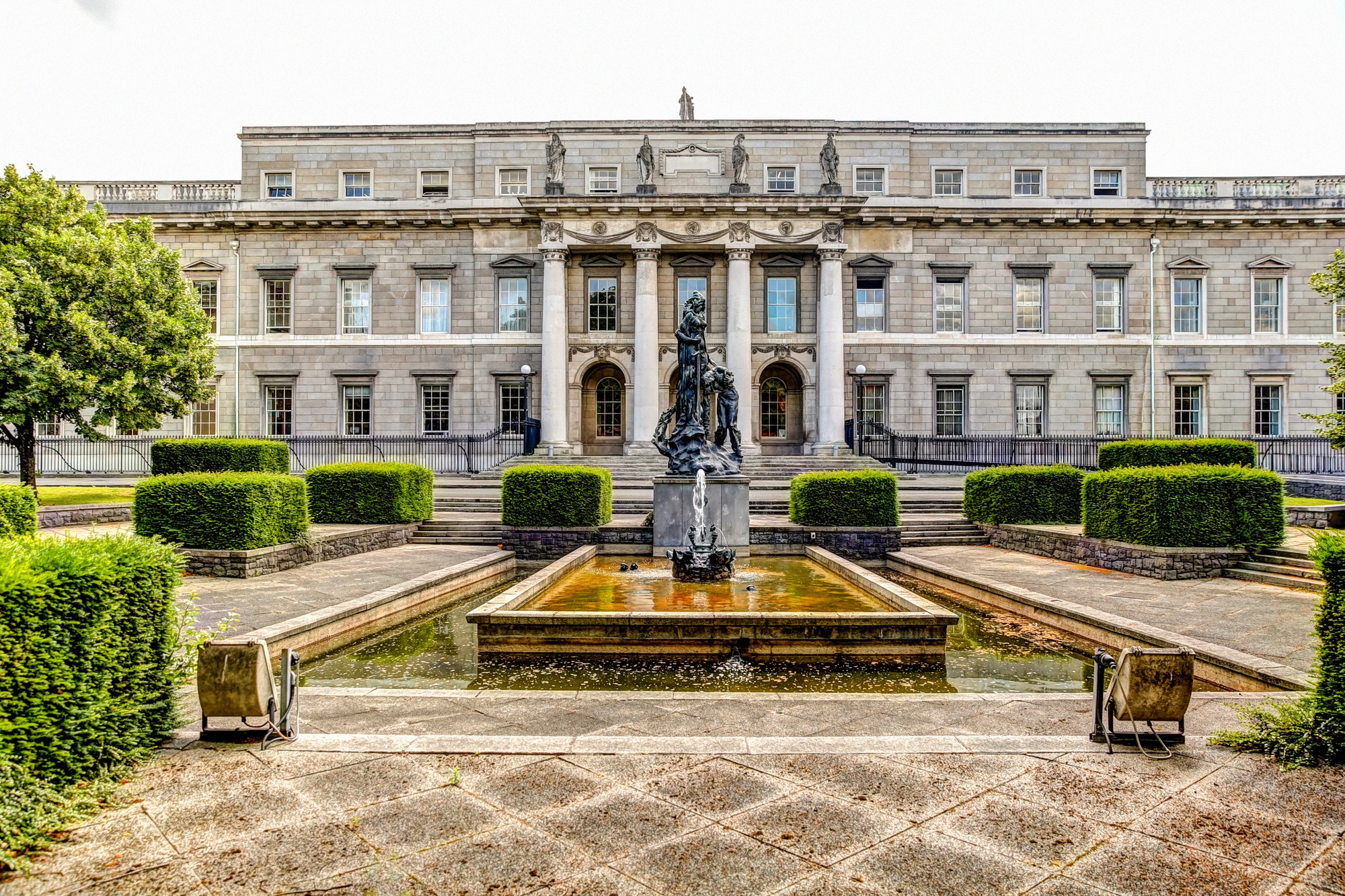
Seat of the Irish government on Upper Merrion Street
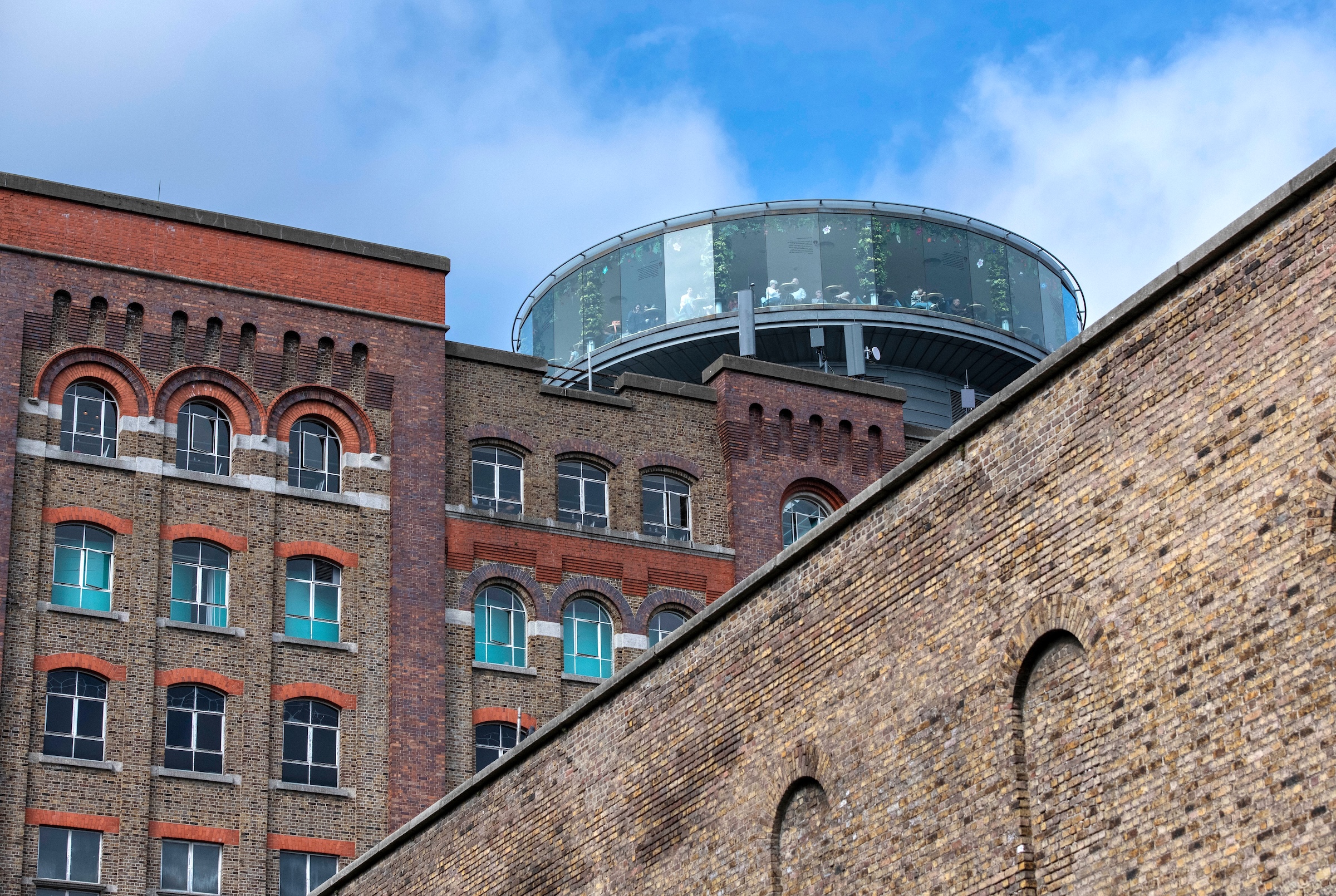
Brewery visitor centre with a panoramic bar
Castle grounds and transport museum on Dublin Bay
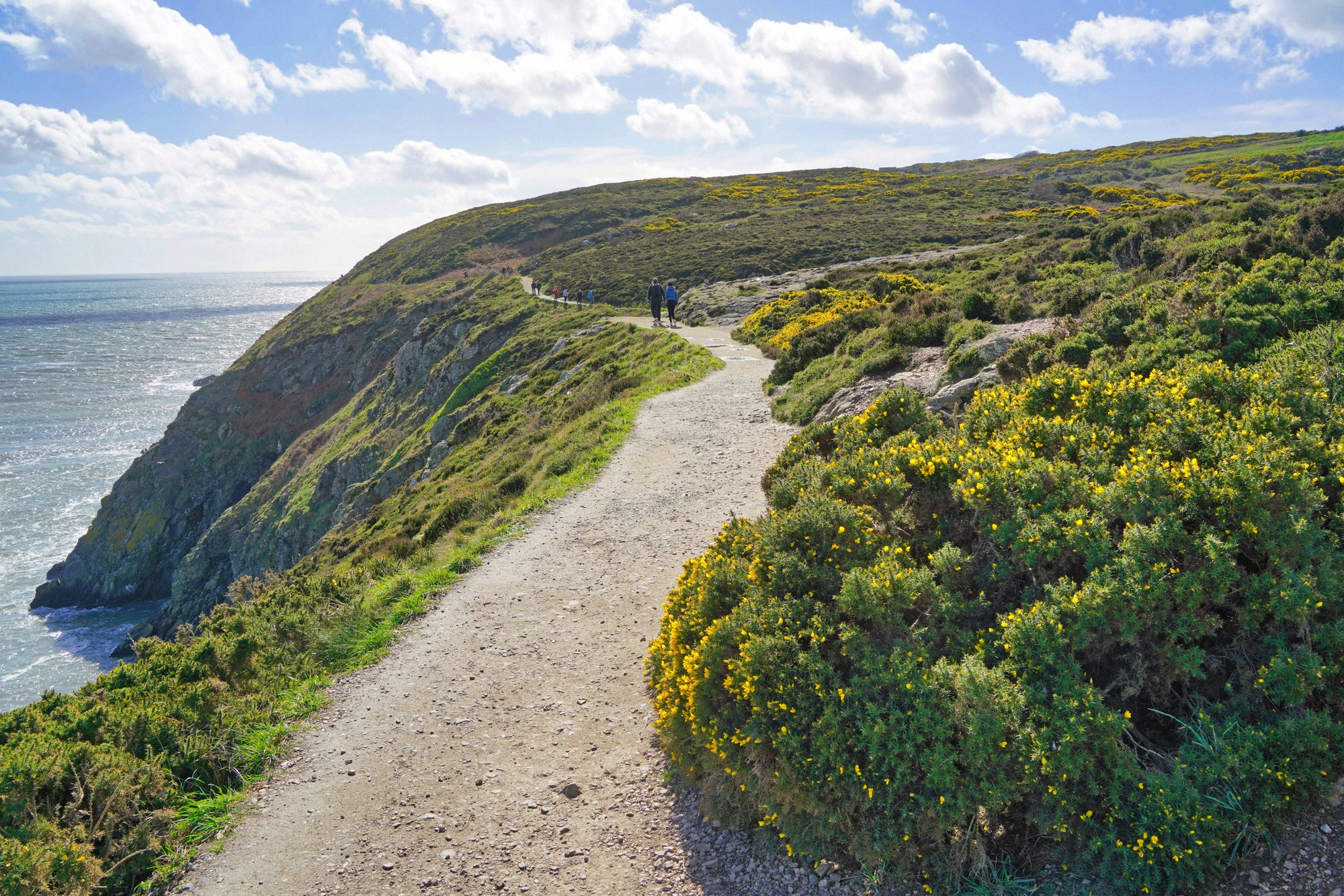
Fishing harbour with cliff walk and bird island

Guided whiskey tour with tastings
Joyce museum and starting point for the Ulysses tours
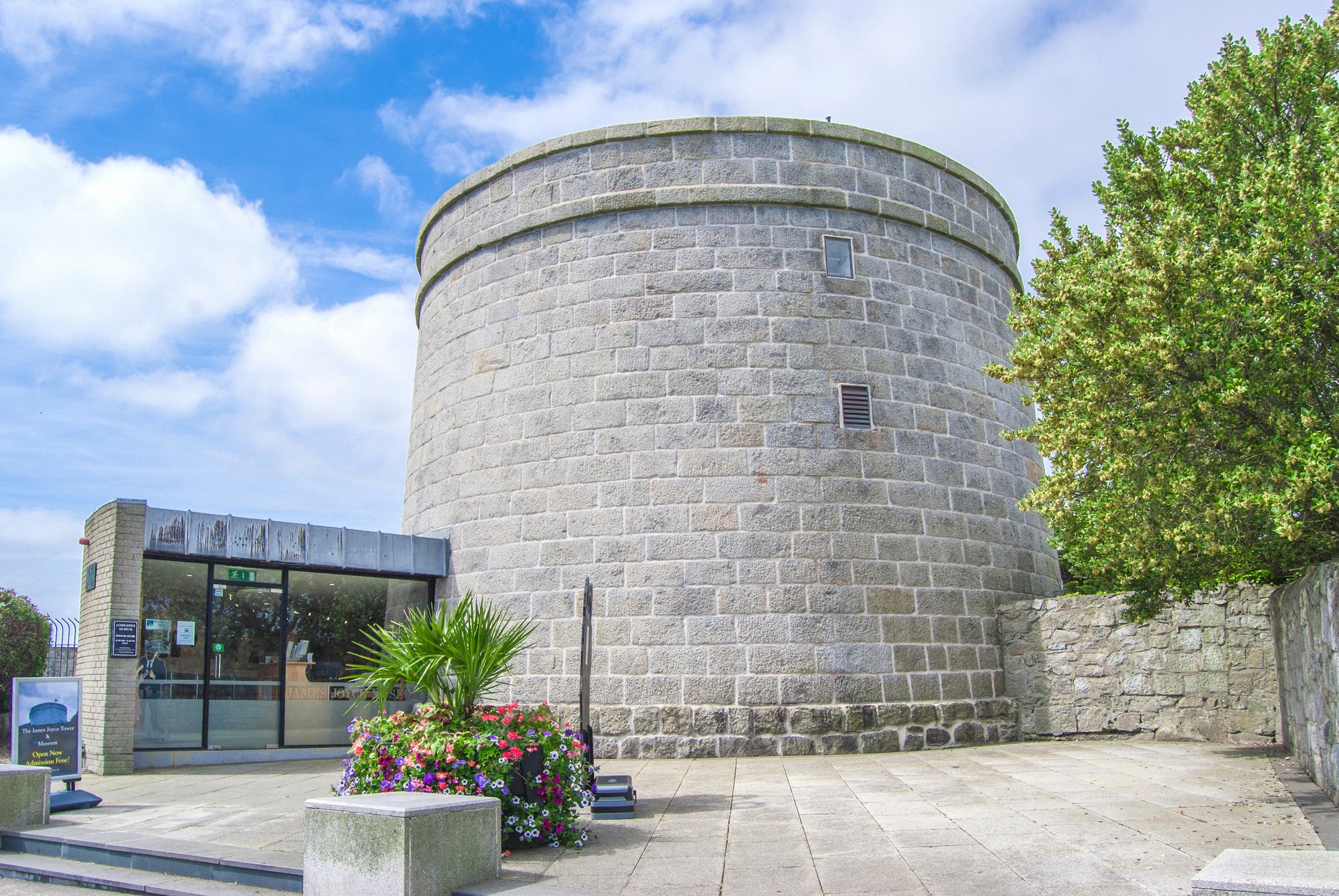
Martello Tower & Ulysses Landmark in Sandycove
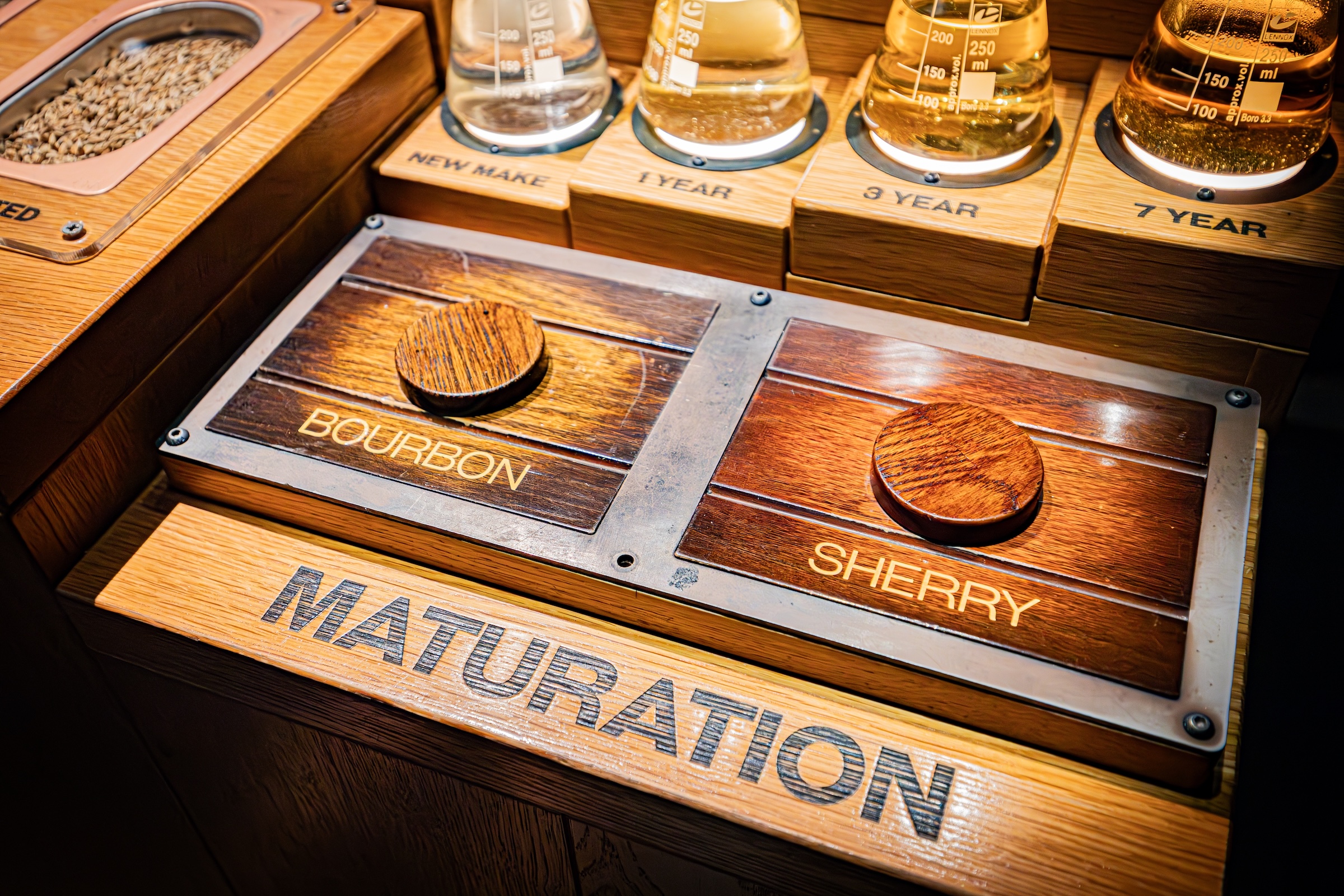
Whiskey distillery & visitor centre dating from 1780
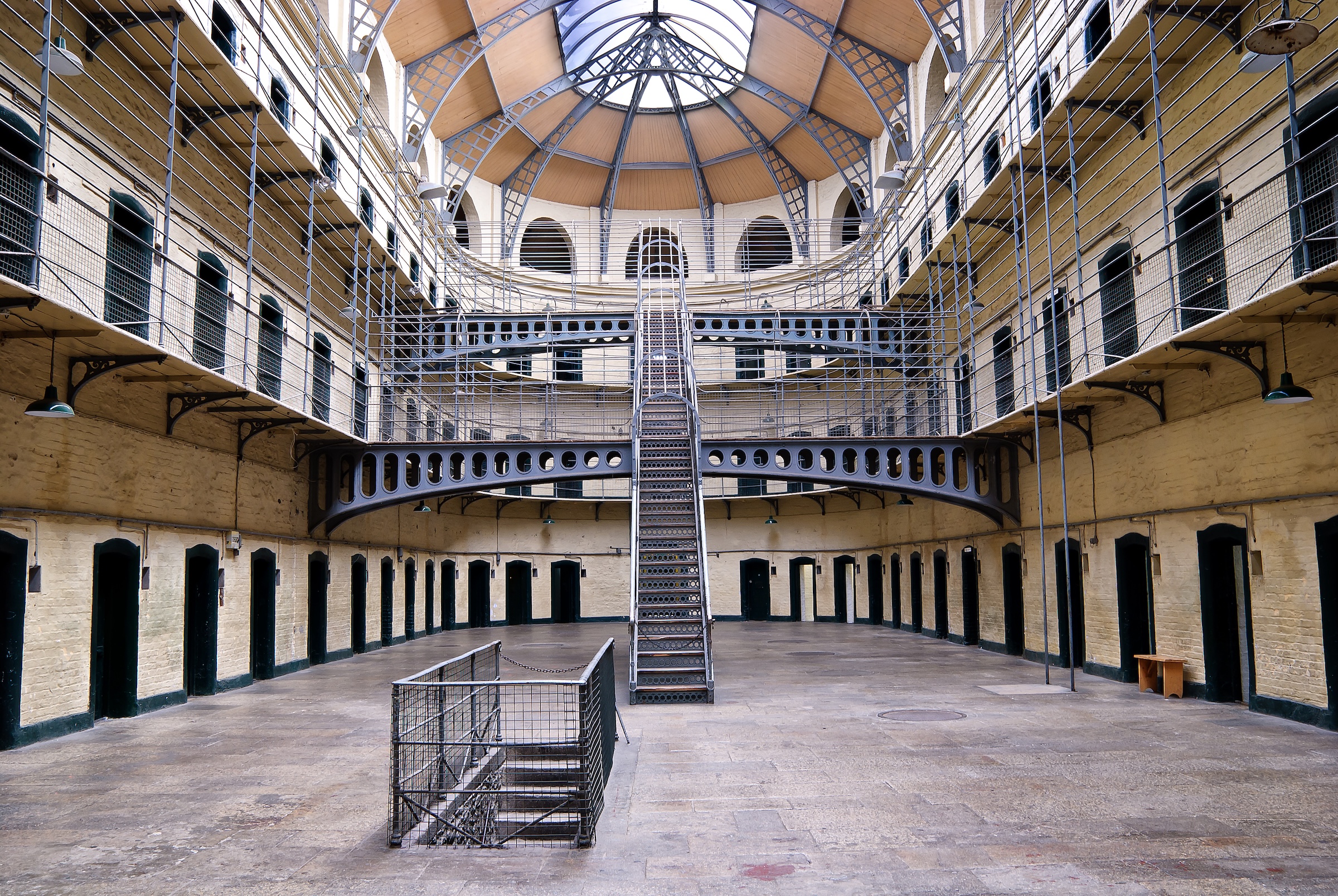
Historic prison and national monument
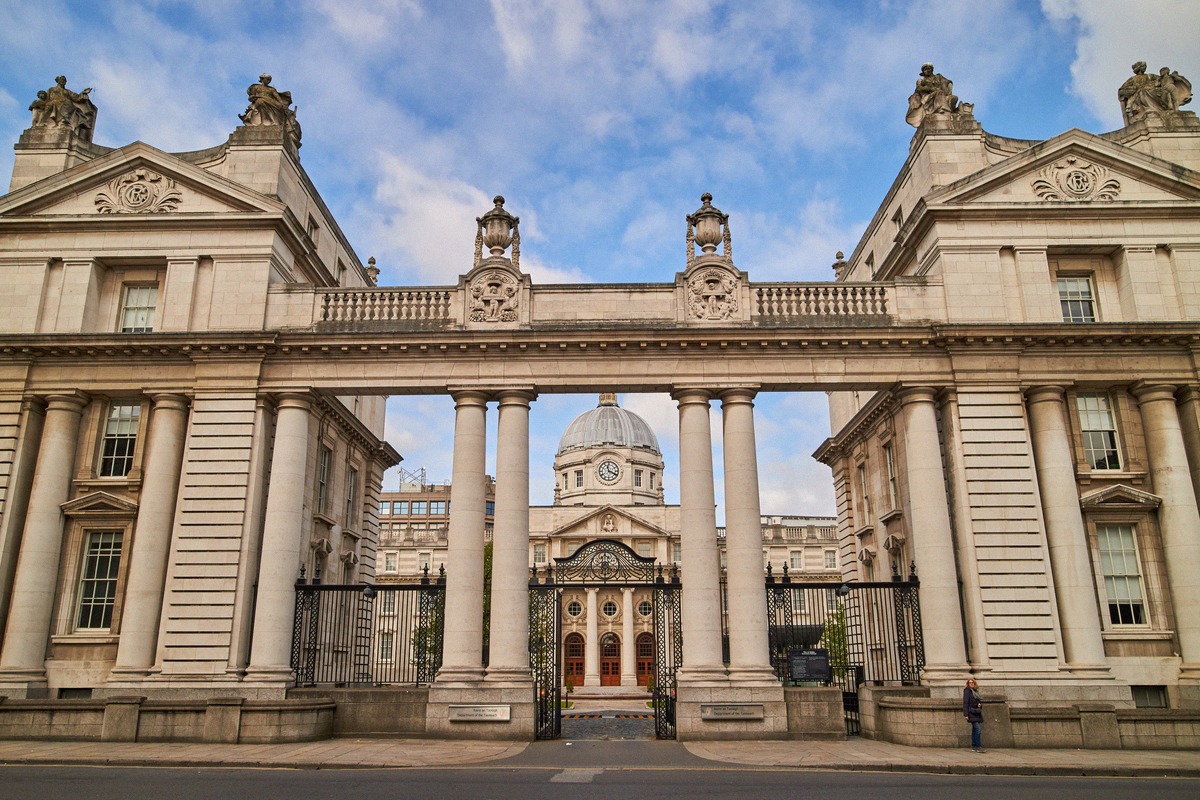
Home of the Irish Parliament (the Oireachtas)
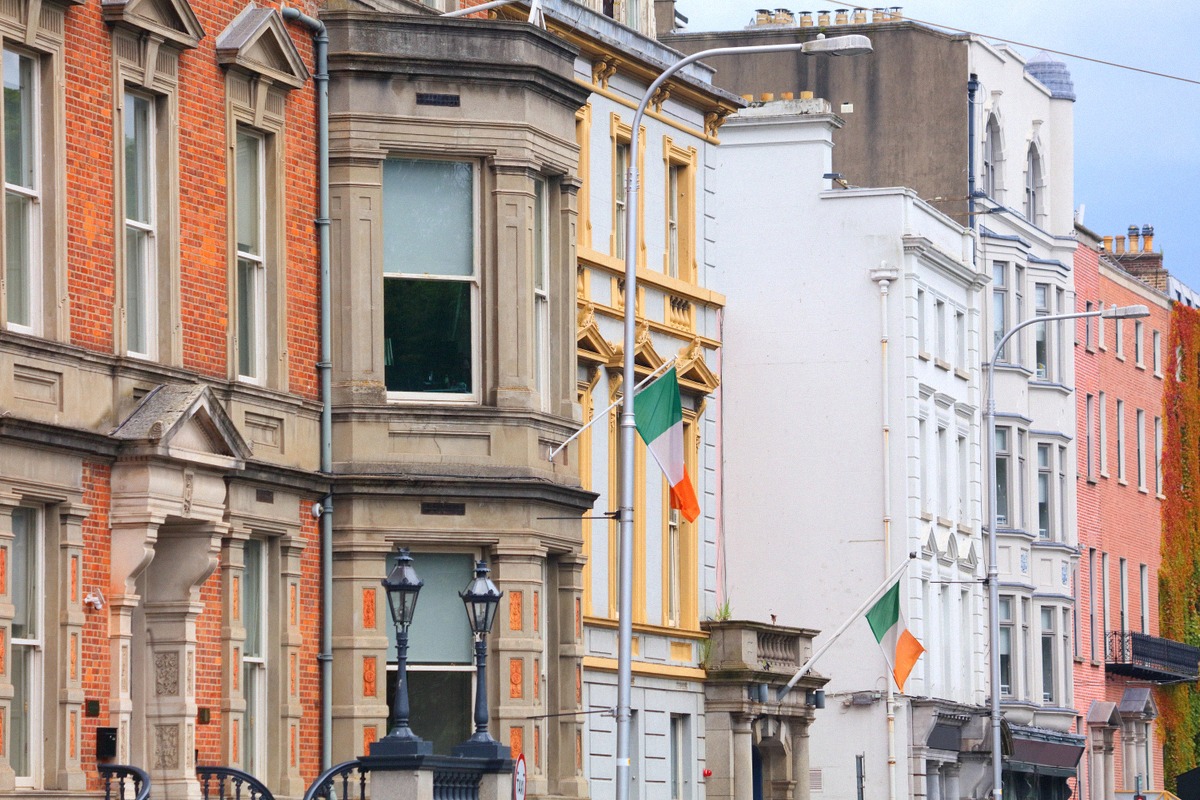
City history museum on St Stephen's Green
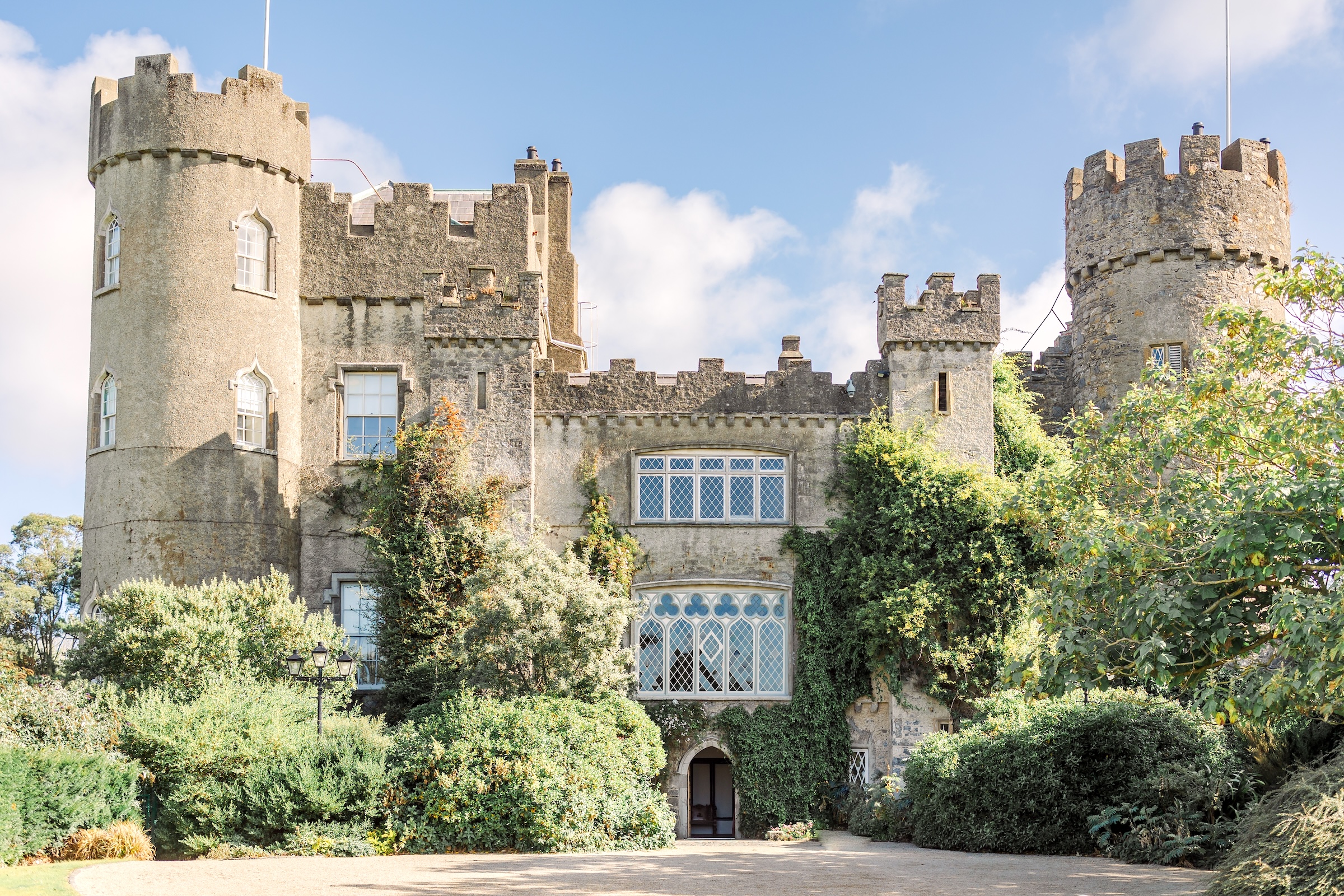
Medieval castle and gardens near Dublin
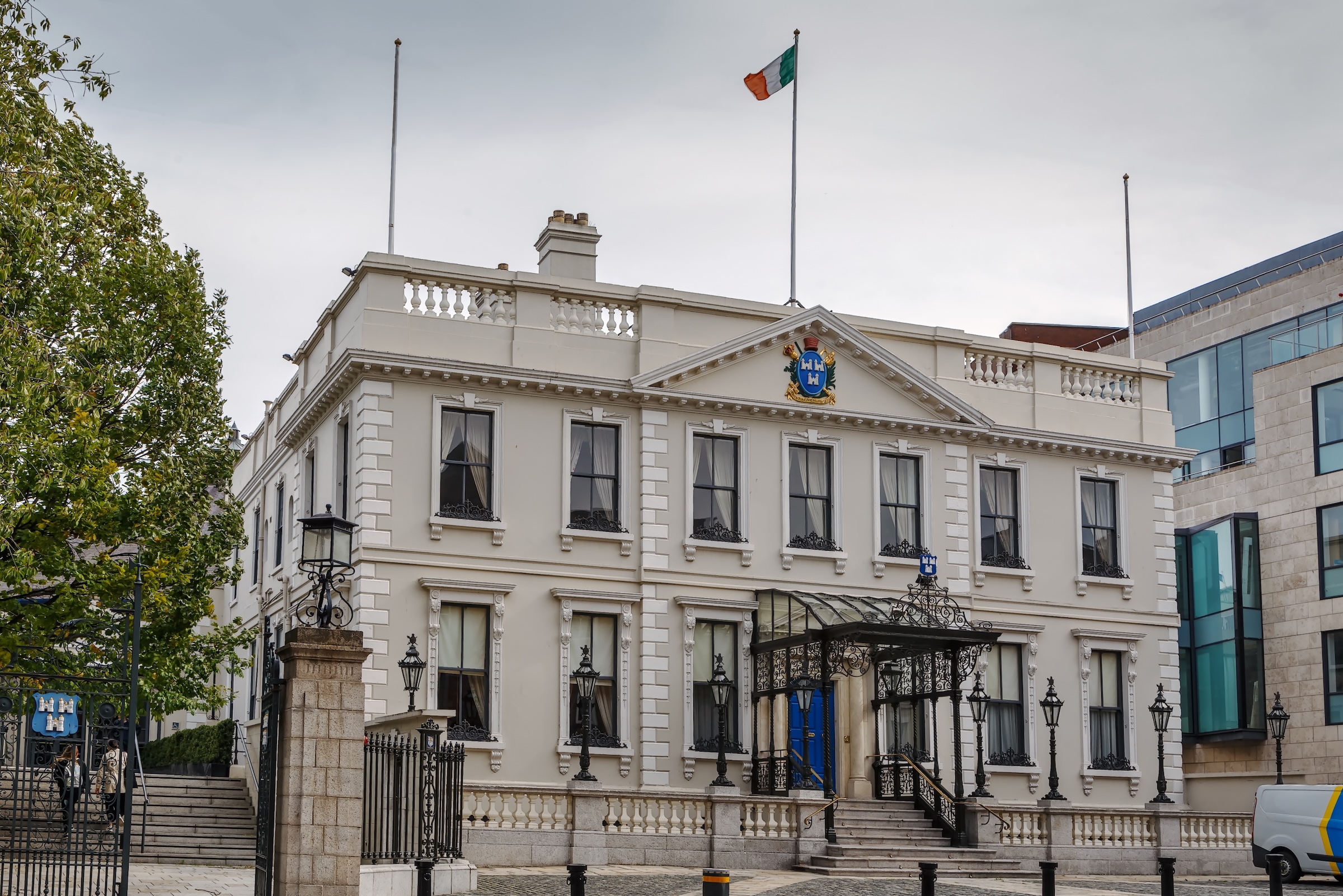
Ireland's oldest mayoral residence
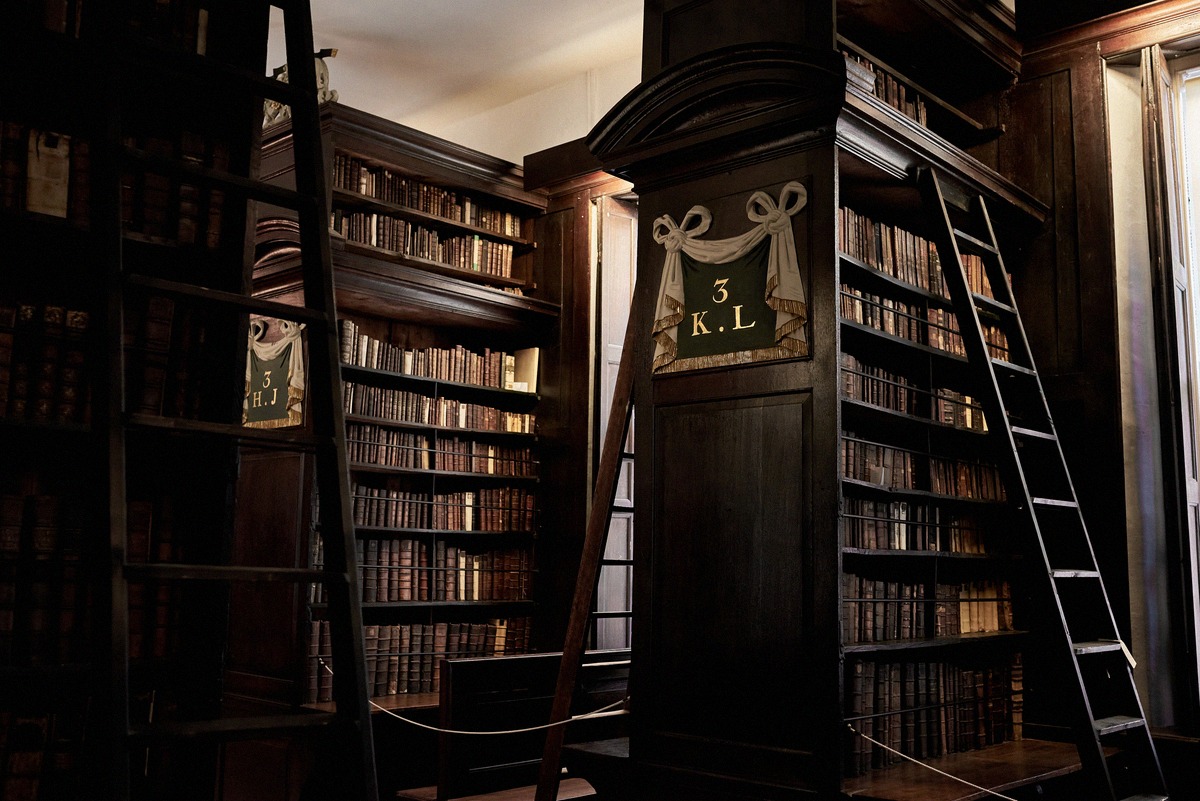
Ireland's oldest library
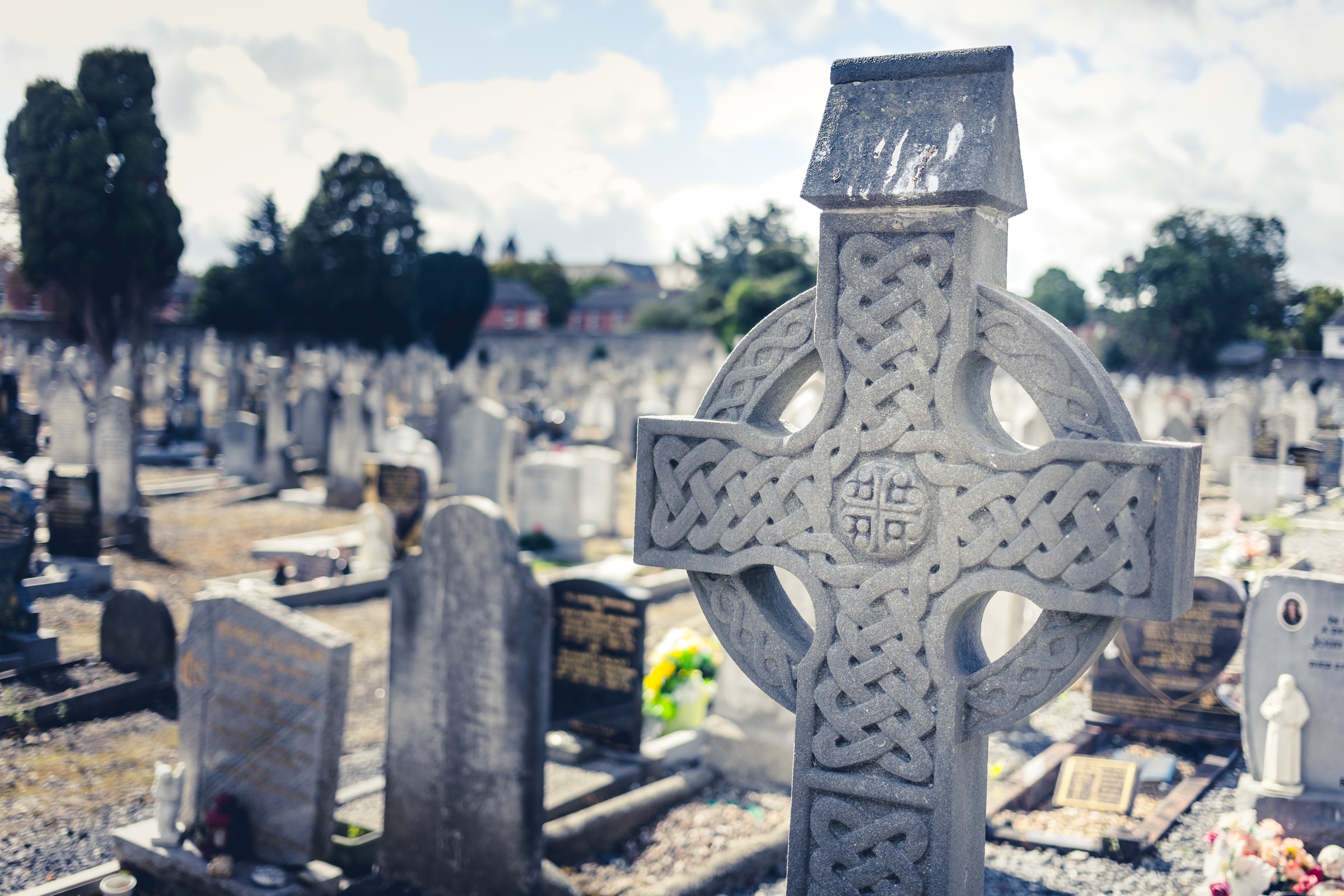
Victorian cemetery in Harold's Cross
Museum of literature at St Stephen's Green
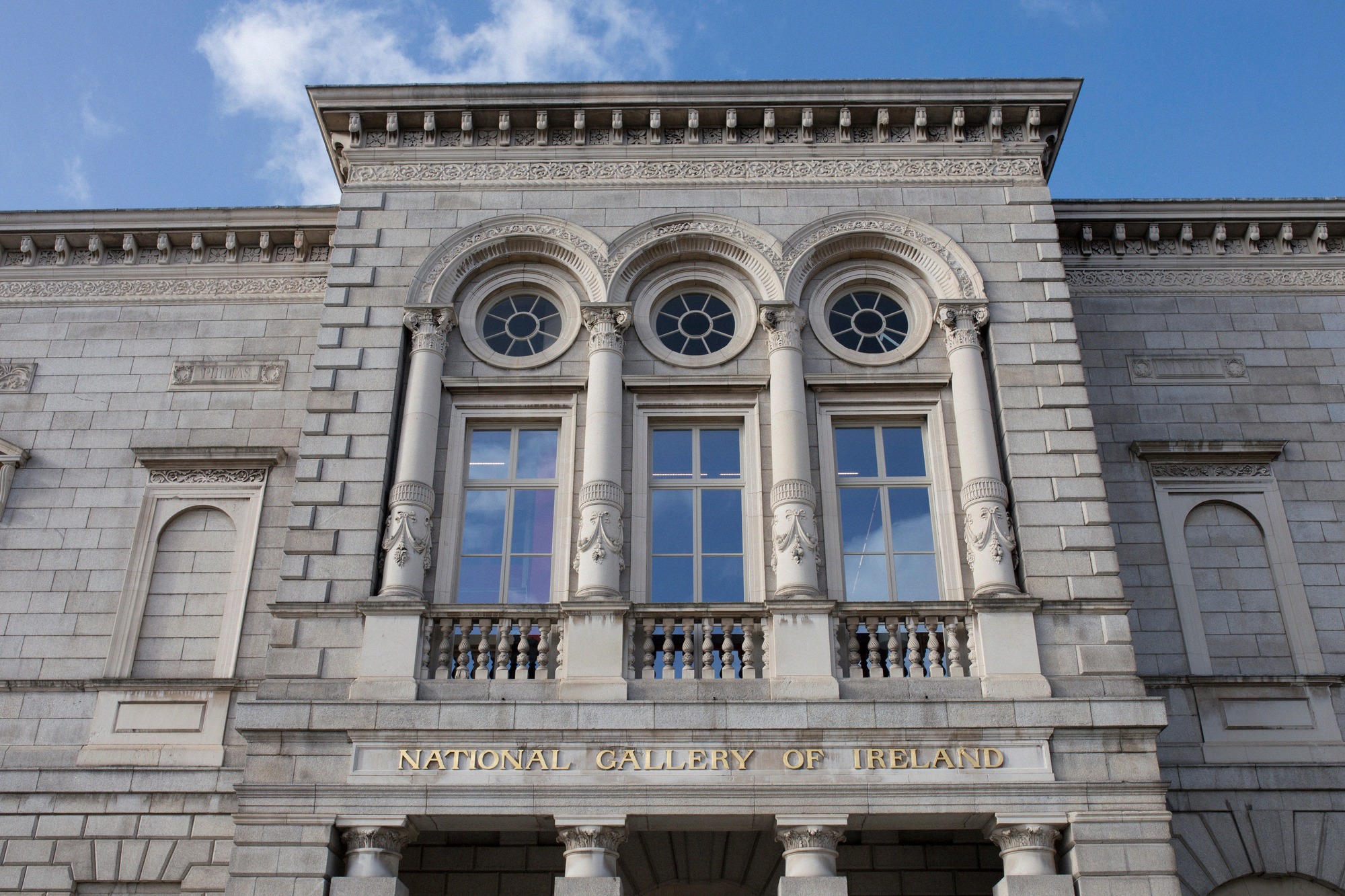
Art museum on Merrion Square
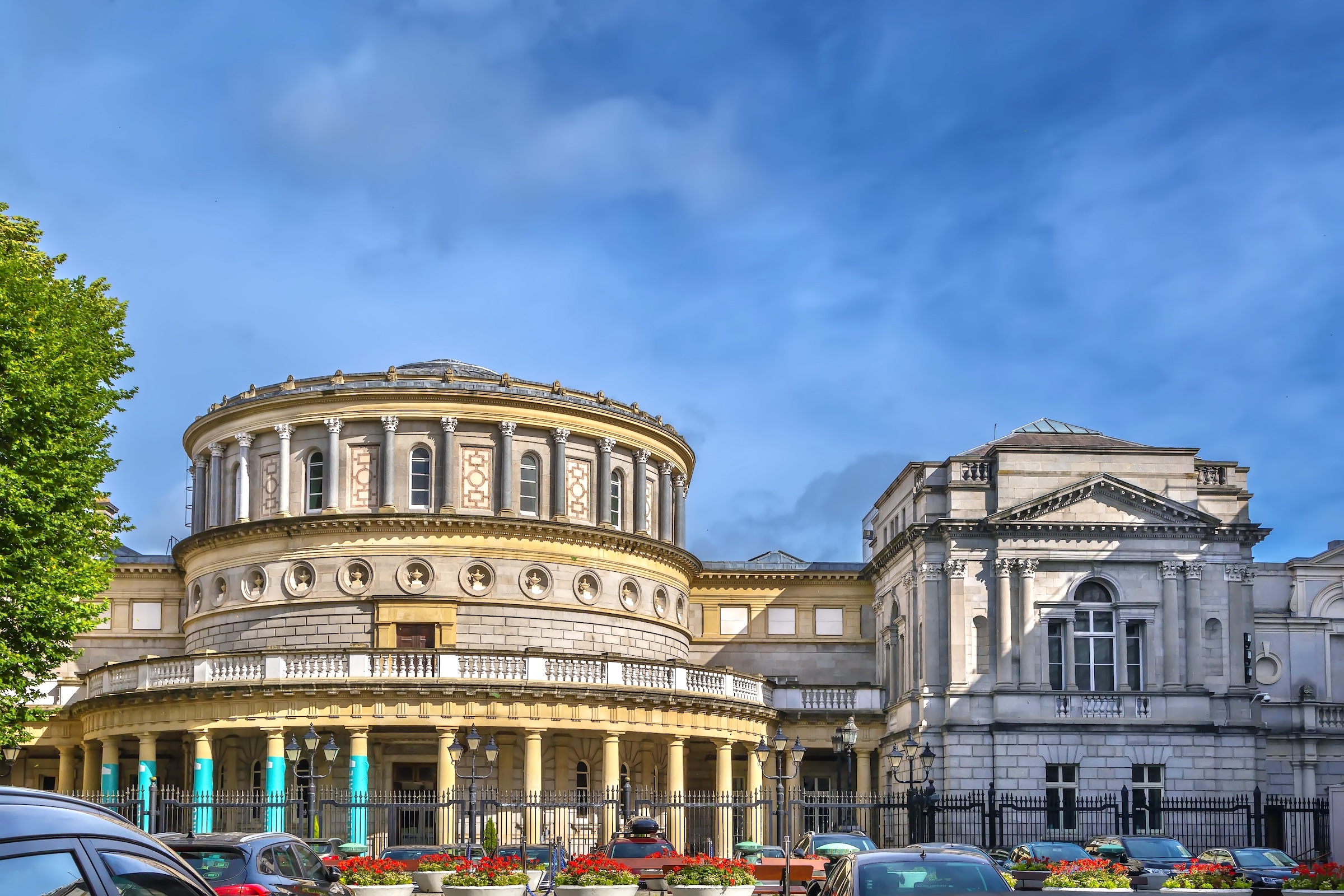
Ireland's national library on Kildare Street
Printing museum in a former garrison chapel
Natural history museum on Merrion Street
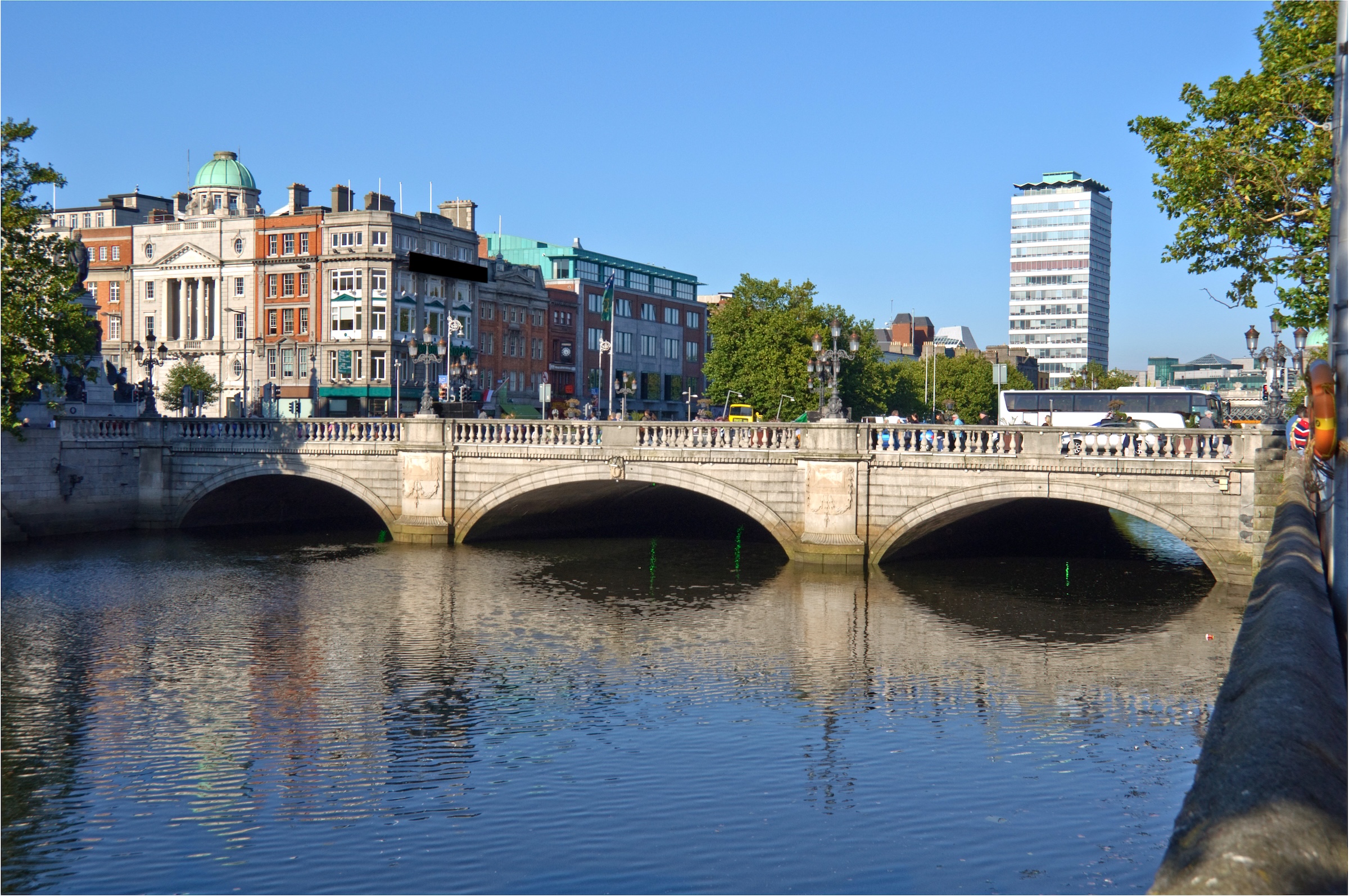
Liffey bridge in the city centre, wider than it is long
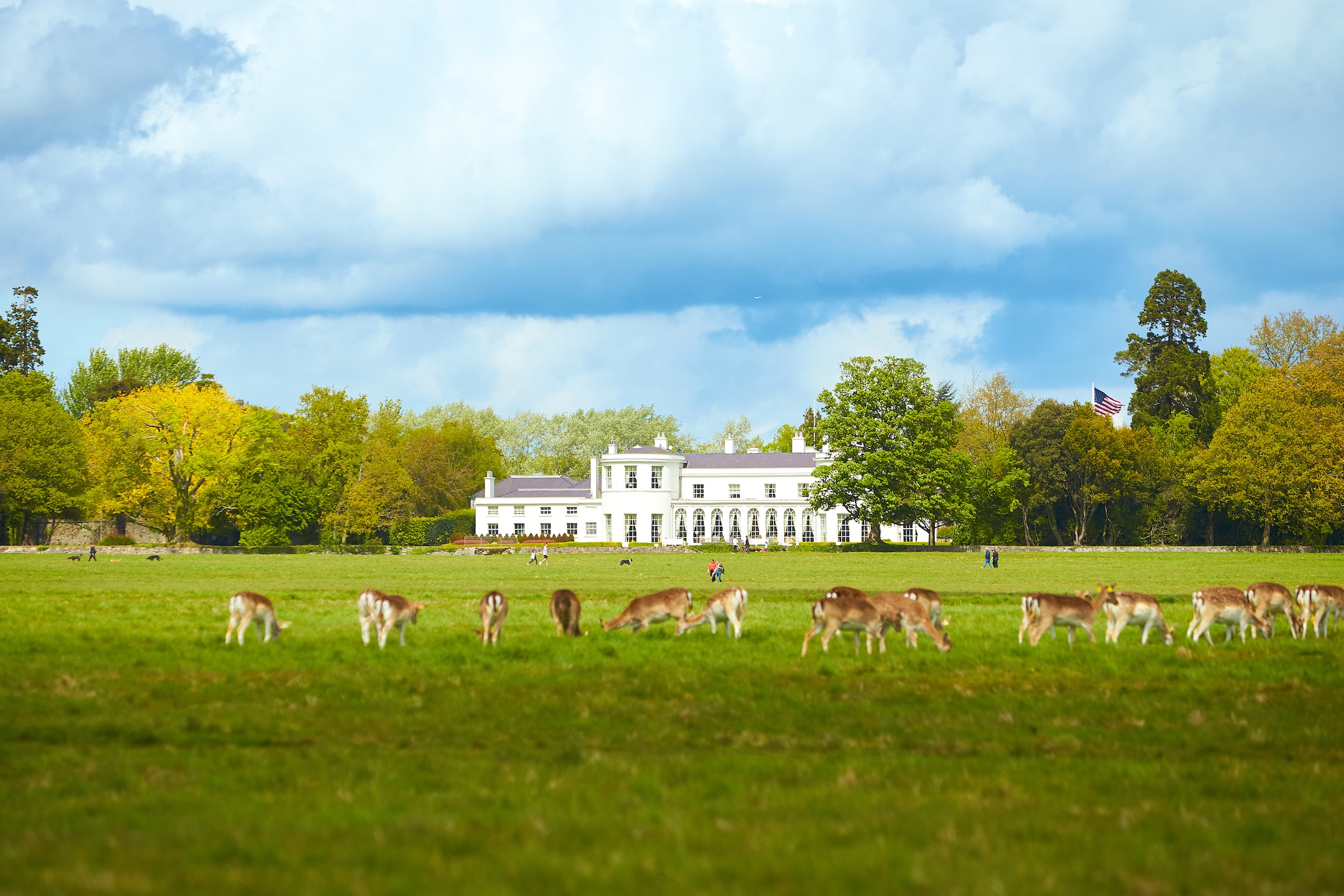
Europe's largest enclosed city park, home to wild fallow deer
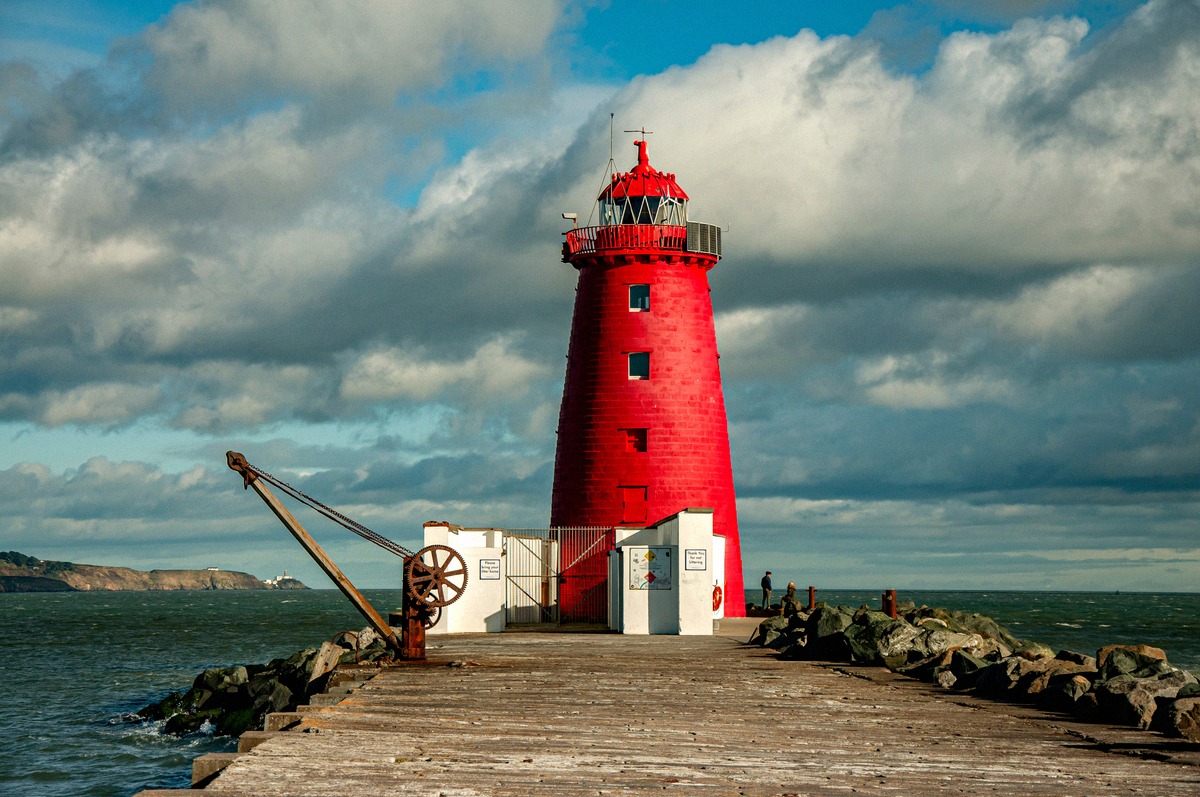
Red lighthouse at the end of the Great South Wall
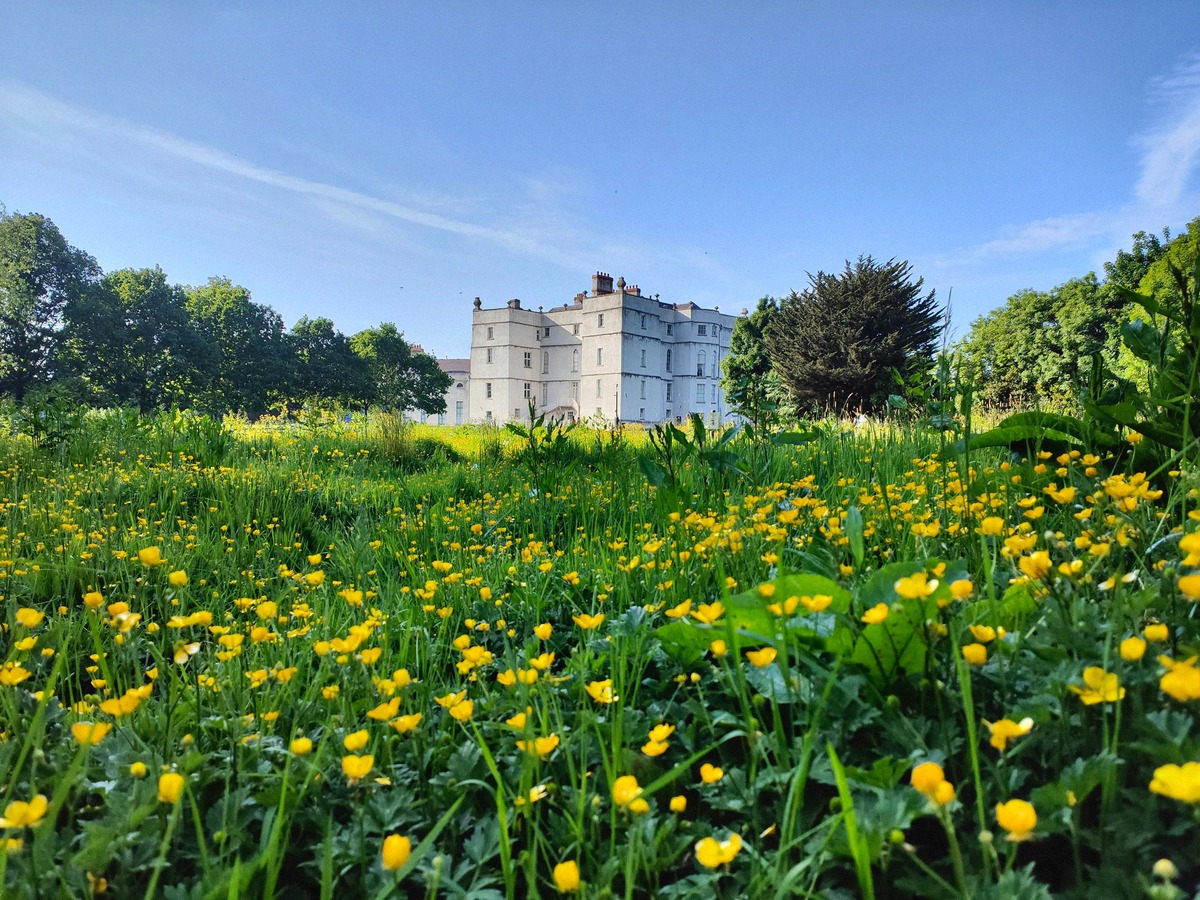
Fortified 1583 manor house in south Dublin
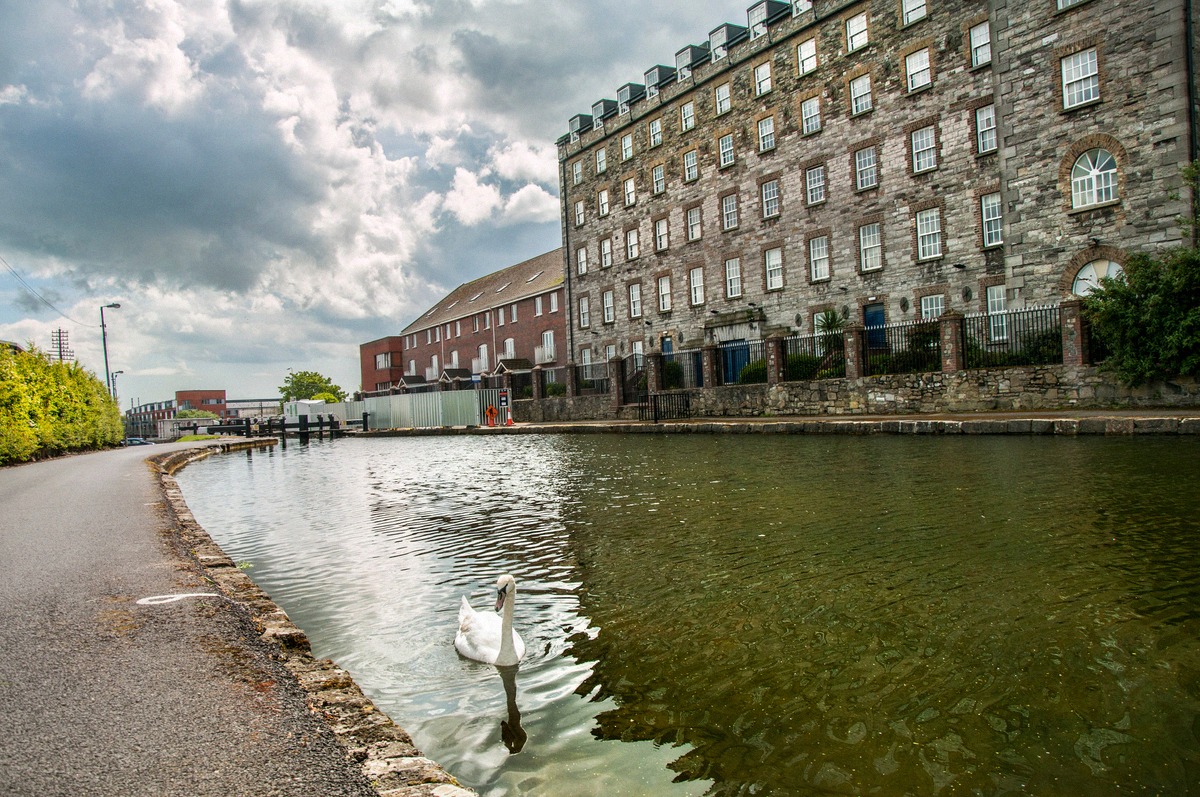
Towpath walk from Dublin to Leixlip
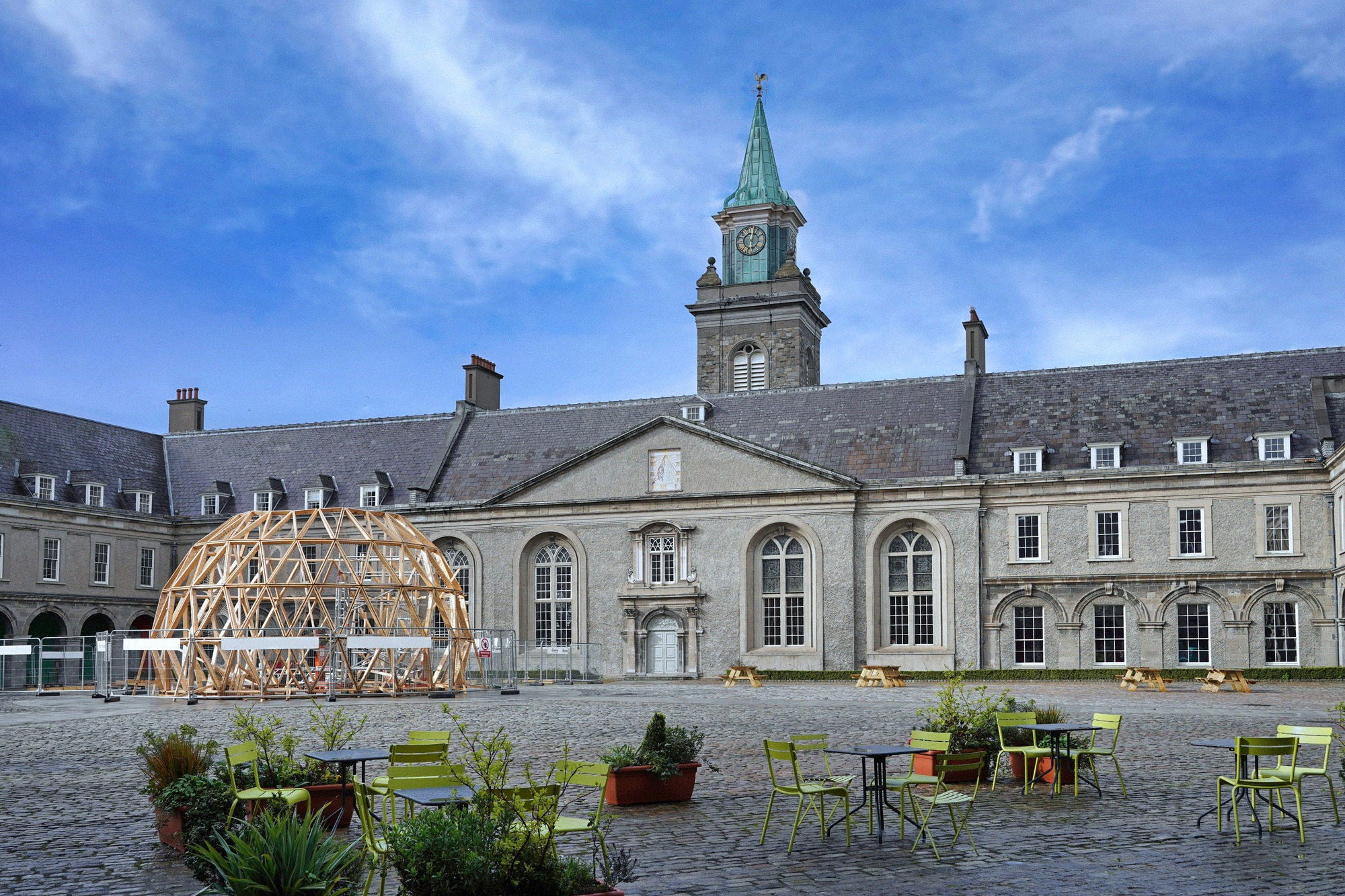
Baroque building with an art museum & formal garden
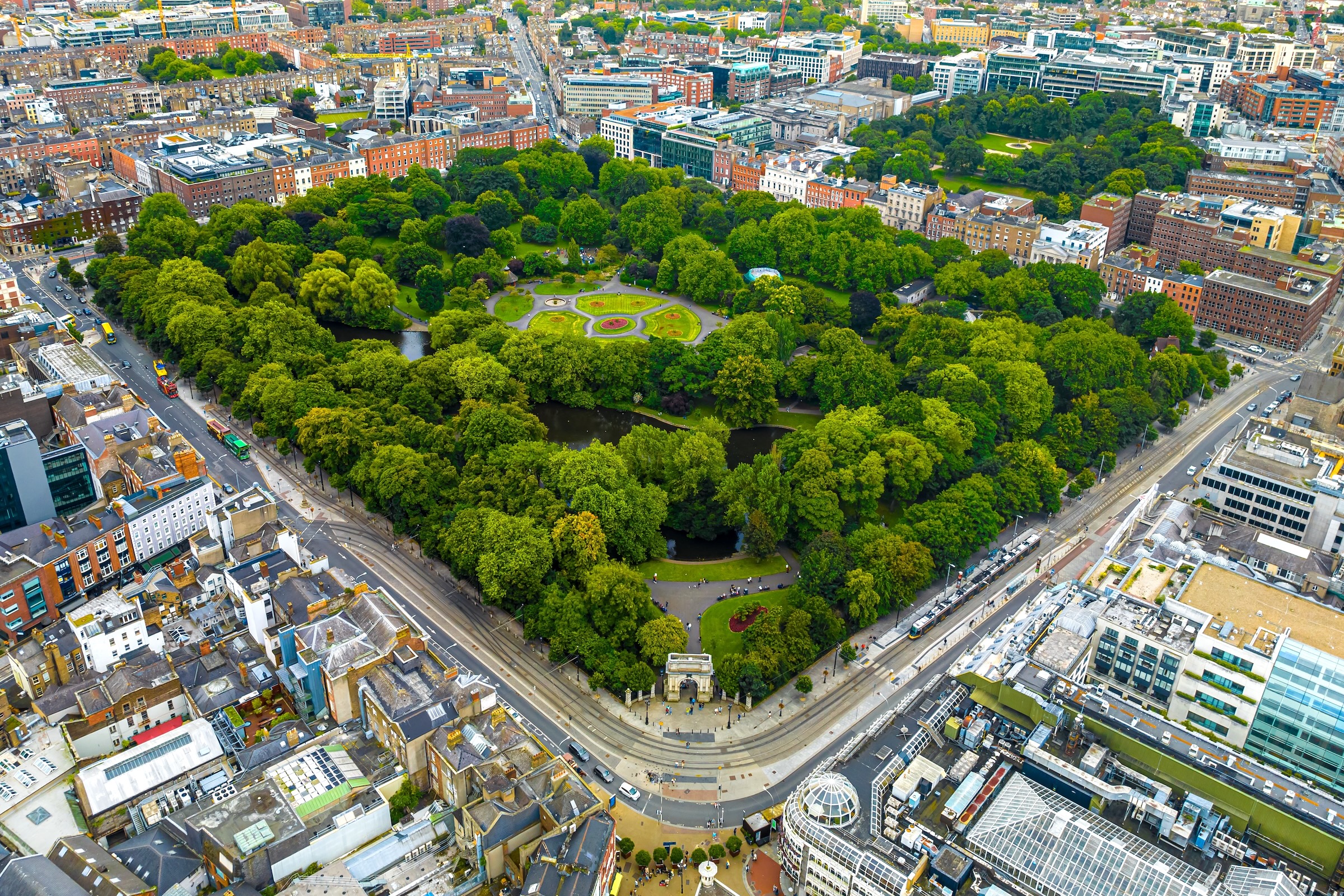
Dublin's central park, with an ornamental lake and monuments
Traditional horse fair held twice a year
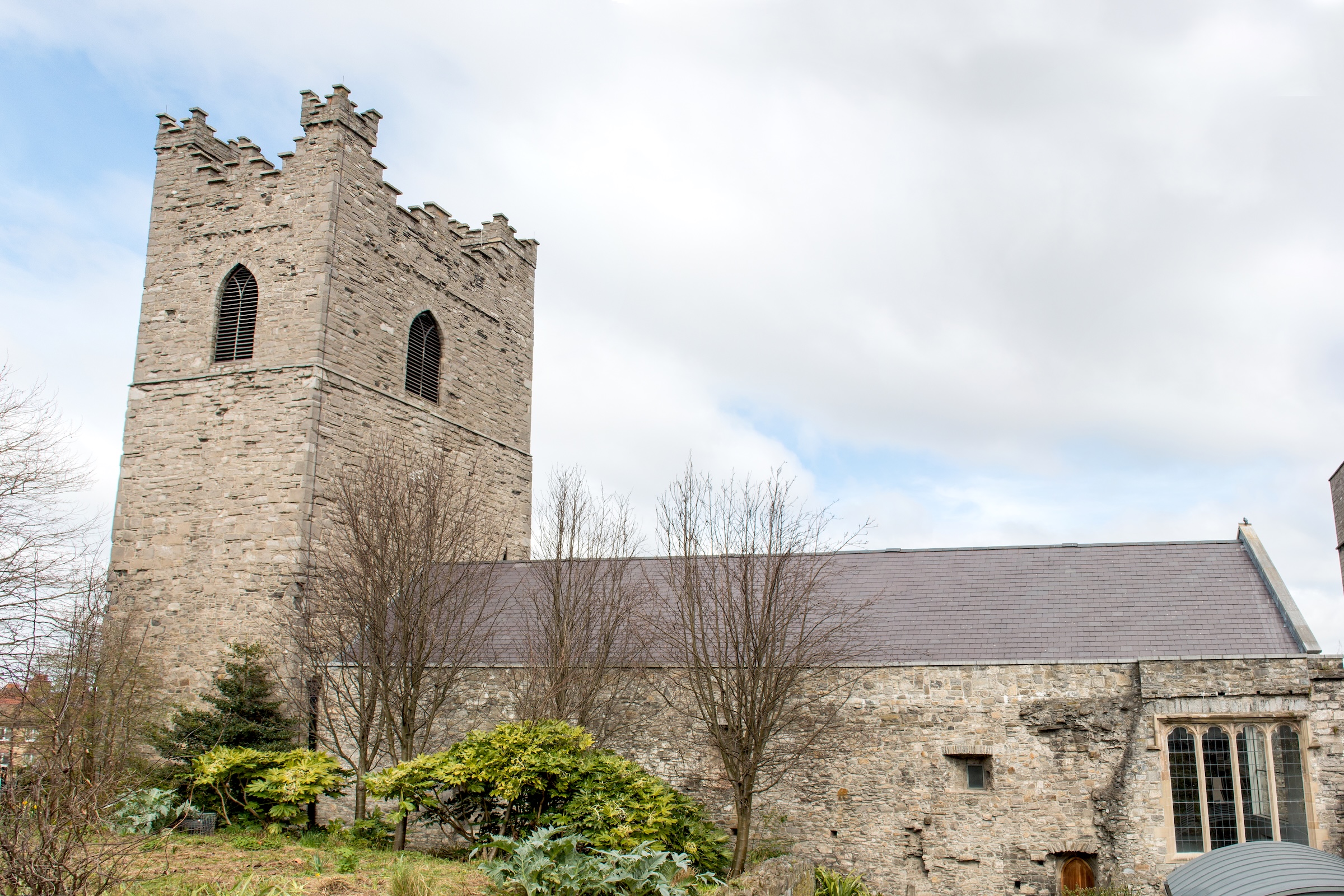
Dublin's oldest working church & Ireland's oldest bells
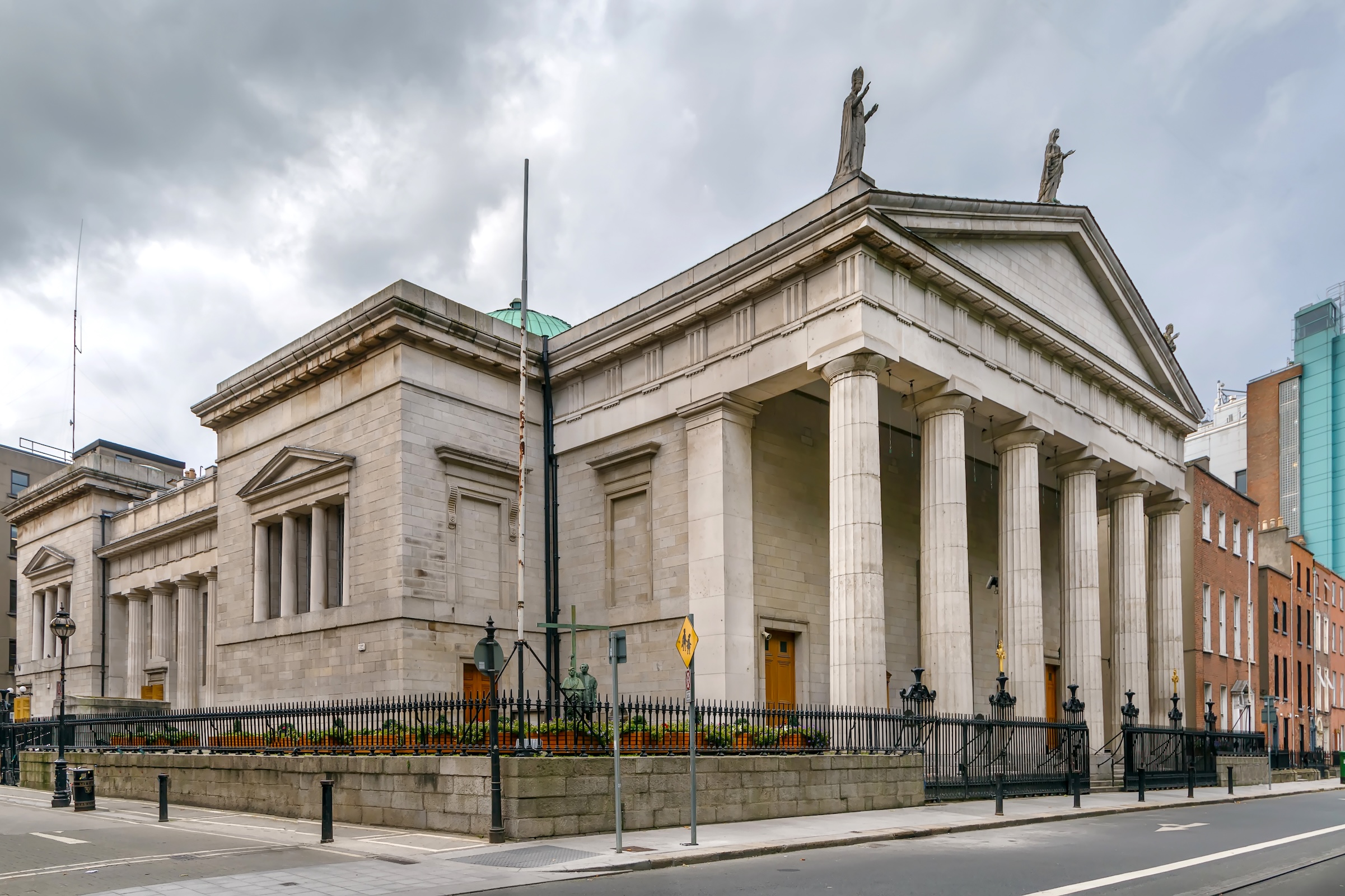
Neoclassical architecture & the Palestrina Choir
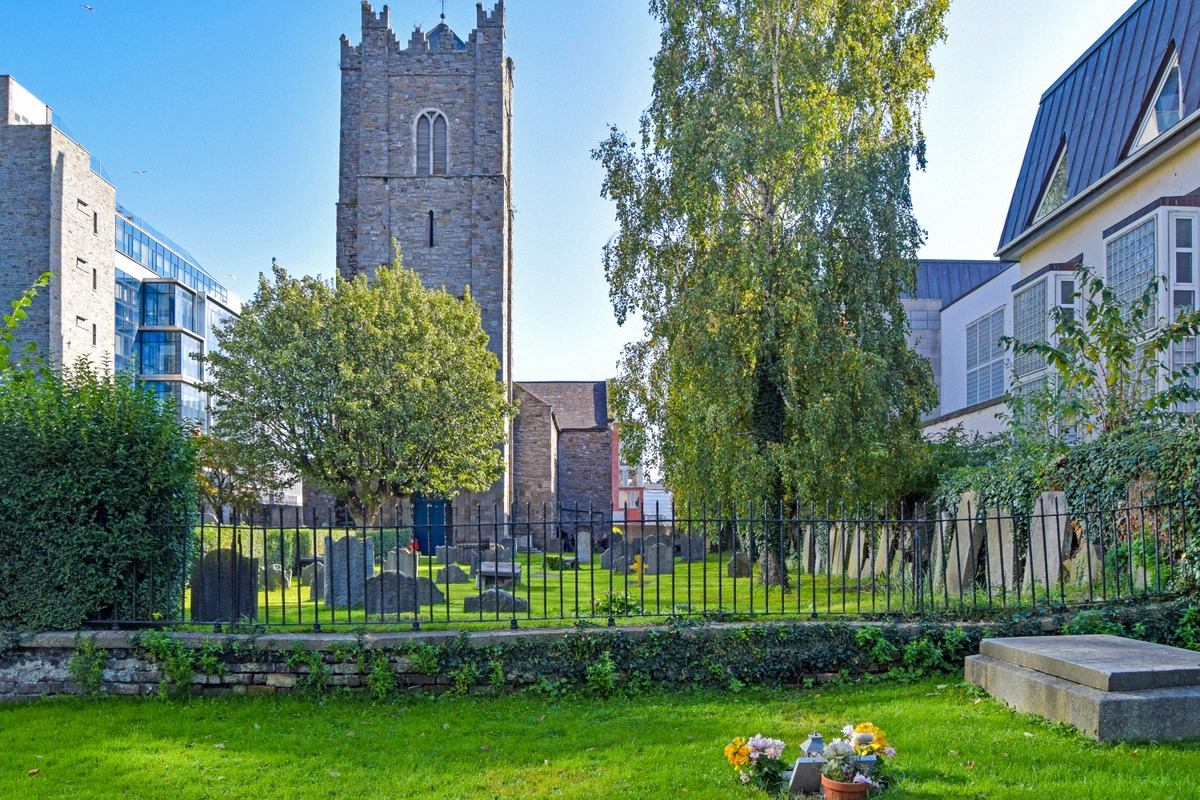
Crypt of mummies with a Bram Stoker connection
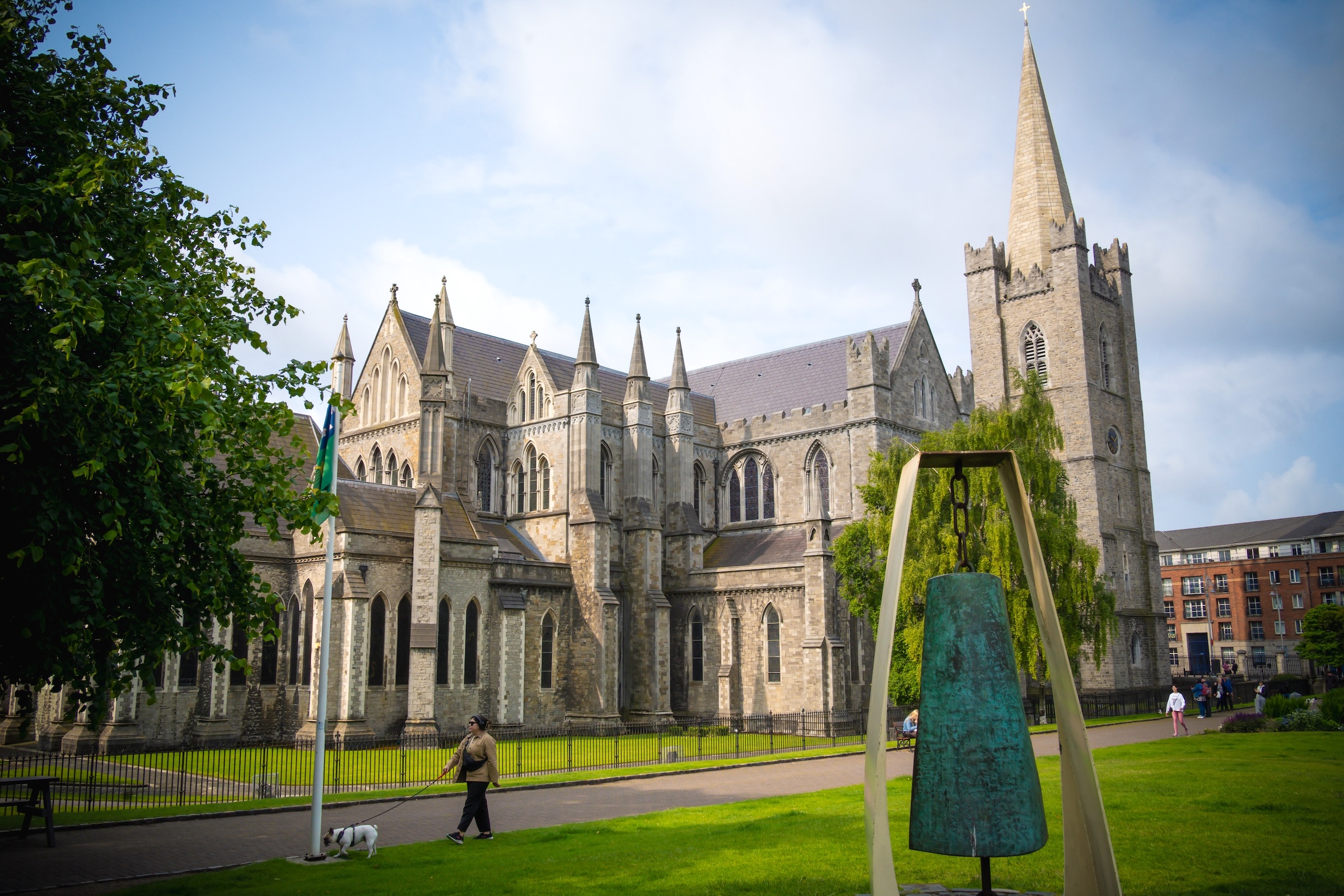
Ireland's largest church & Swift's tomb
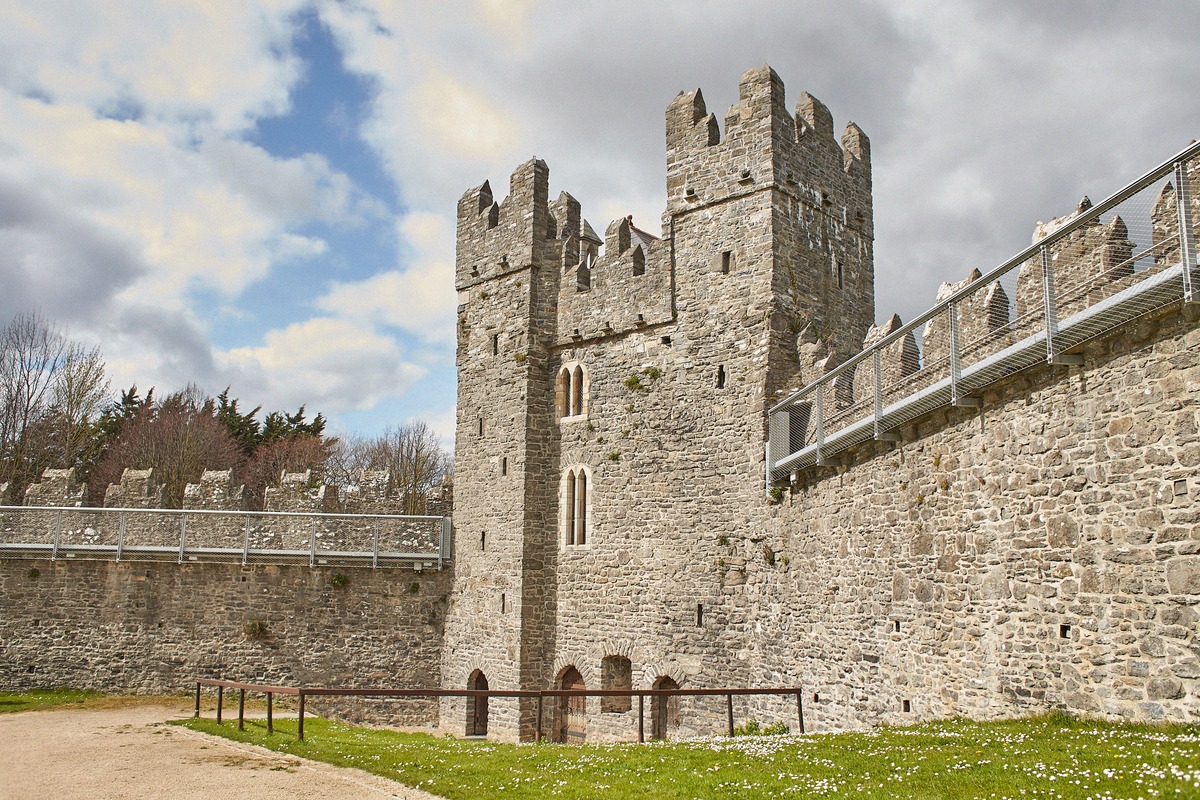
Medieval seat of the archbishops of Dublin, free to visit
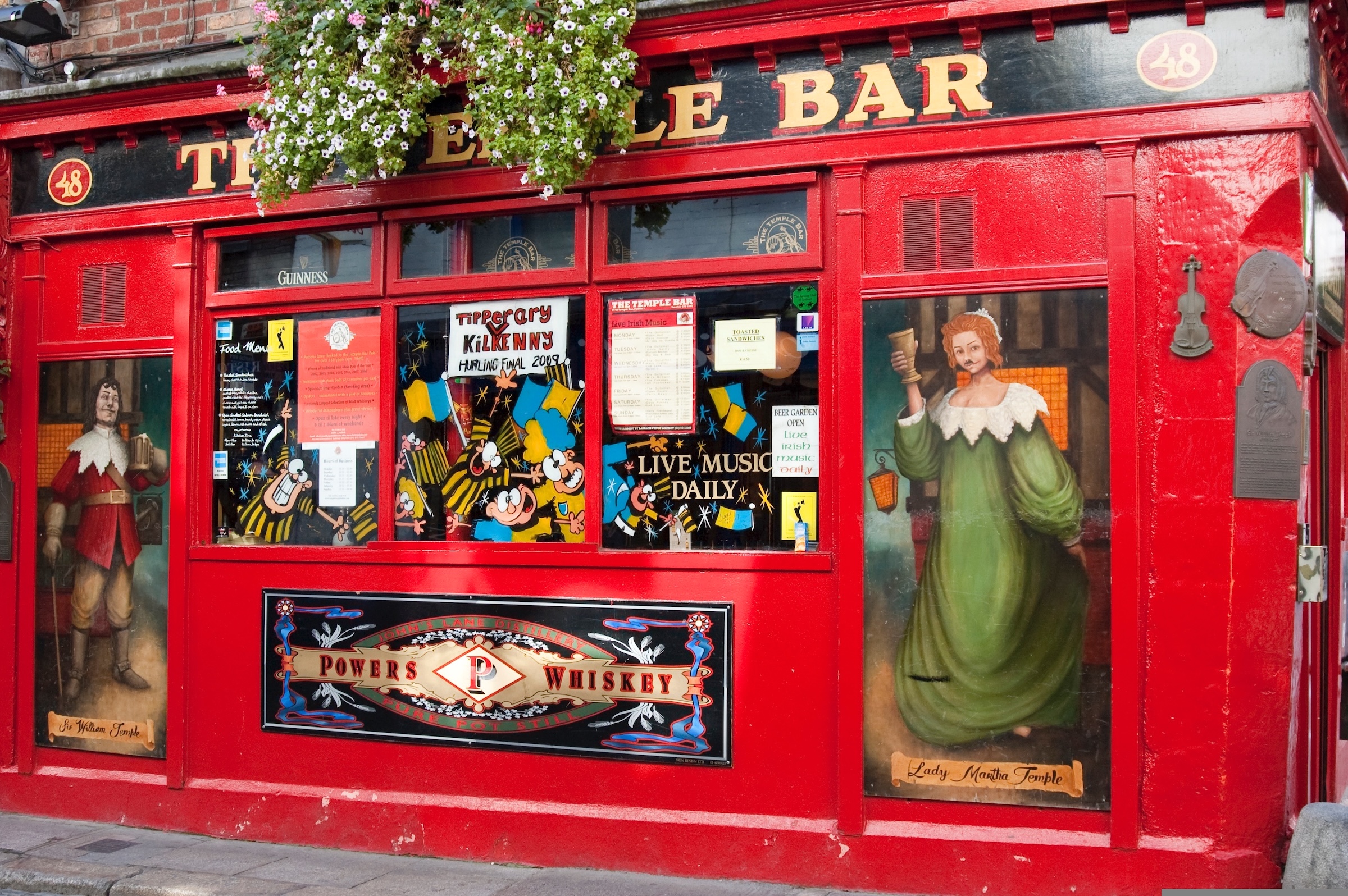
Dublin's pub and cultural quarter
Wax figures on Westmoreland Street
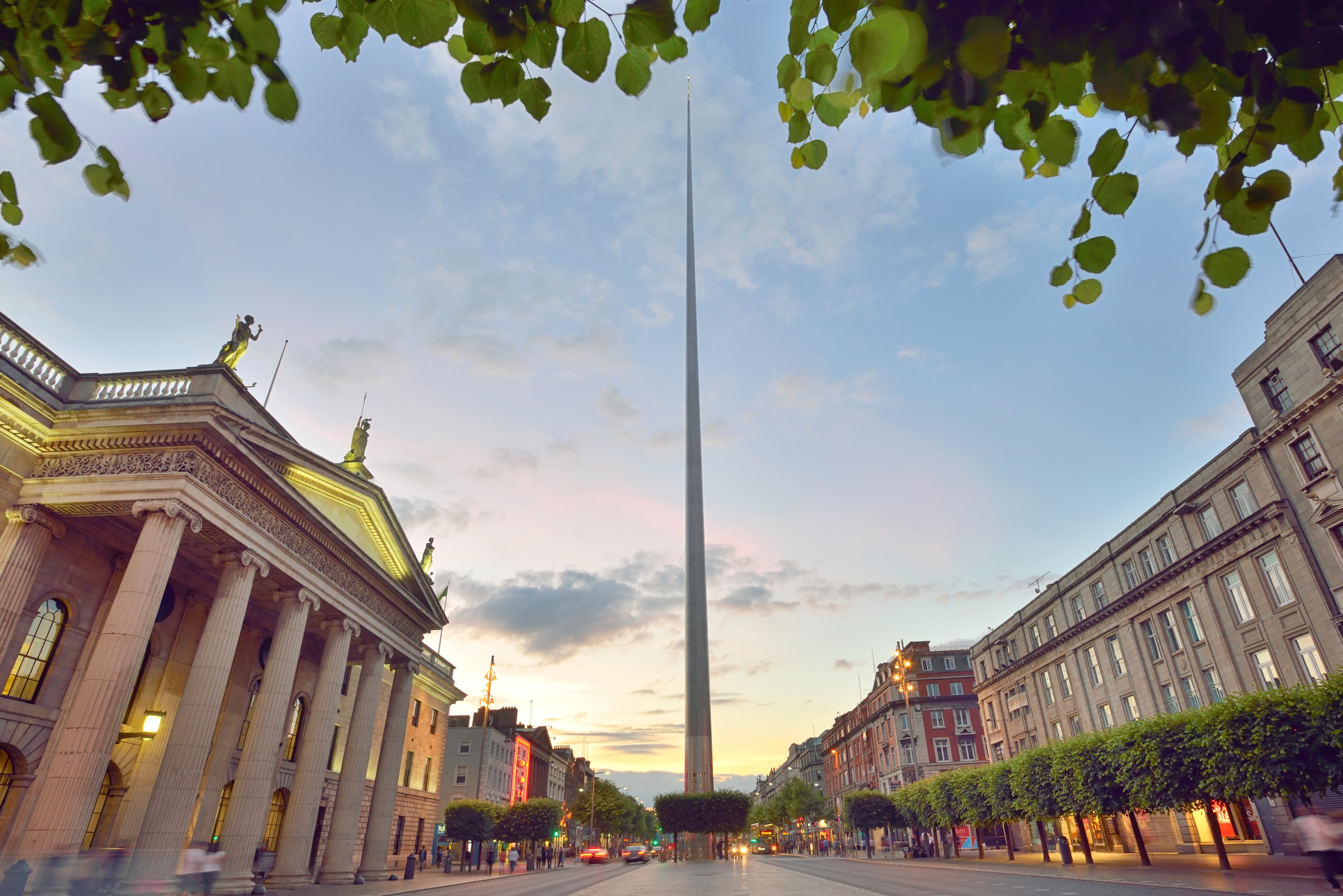
120m stainless-steel spire on O'Connell Street
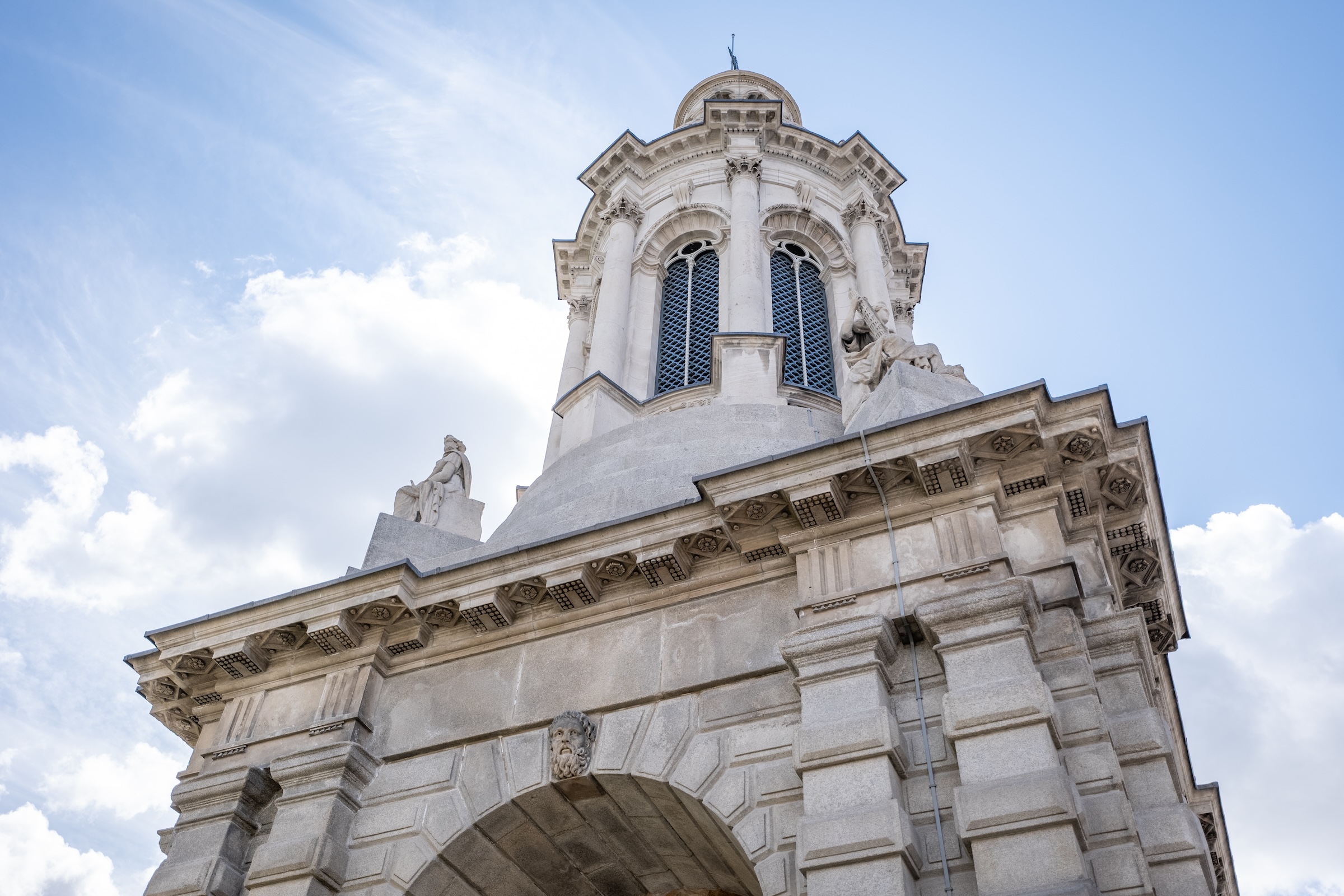
Oldest university, home to the Book of Kells & Long Room
No results found.
Dublin is a surprisingly walkable city for a long weekend: most of the big attractions sit south of the River Liffey, within a few minutes of each other on foot, and everything else is a short bus or DART ride away. This page rounds up all 54 attractions in the city, from the brewery to the cathedral, the city park to the high-security jail. Here you'll find the top 10, landmarks by category, every free attraction, 2026 admission prices, and two ready-made itineraries for two or three days.
Short on time? Work through these ten. Between them they cover everything the city is known for: beer, books, rebellion, medieval history and the sea.
An eleventh attraction would normally make this list: Dublin Castle. It's closed to the public for Ireland's EU Council Presidency, the State Apartments since 5 May 2026 and the entire grounds since 15 June, until 31 December 2026; public tours resume in January 2027.
Beyond the ten classics lies the real depth of what Dublin has to offer. The gallery above lists all 54 attractions; the hubs below sort them by theme:
Closely related but not covered on this page: guided walking tours, pub crawls, bus and boat tours and day trips are in our Tours and Day Trips guide, and the multi-attraction pass is covered in our Go City Dublin Pass guide.
Roughly half of Dublin's attractions cost nothing to visit. Free to enter are the big green spaces Phoenix Park and St Stephen's Green, the pub district of Temple Bar, the Trinity College campus, and landmarks such as The Spire and O'Connell Bridge.
The state institutions are permanently free too: the National Museum of Ireland at its Dublin sites Archaeology on Kildare Street and Decorative Arts & History at Collins Barracks, the permanent collection at the National Gallery of Ireland, the IMMA and the National Library. Among the churches, St Audoen's and St Mary's Pro-Cathedral charge no admission, and if you visit St Patrick's Cathedral for a service, that's free too. The grounds of Glasnevin Cemetery are free to walk; only the museum and guided tour cost anything.
Two attractions drop off the free list in 2026: the Chester Beatty Library on the Dublin Castle grounds is closed from 15 June to the end of December 2026, and the Natural History Museum on Merrion Street has been closed since September 2024 for a multi-year renovation. The Hugh Lane Gallery has been closed since 28 September 2025, expected to reopen in 2028.
Prices are for adults, as of 2026. Several attractions use dynamic pricing; the figure shown is the official starting price, and real time slots often cost more.
| Attraction | 2026 price | Note |
|---|---|---|
| Guinness Storehouse | from €24 | dynamic, standard slots usually €26 to €36; Guinness Academy from €34, STOUTie from €30 |
| Book of Kells & Old Library | from €26 | from €19 without the digital exhibition, guided from €65; not included in any pass |
| EPIC The Irish Emigration Museum | €22 | €17.60 when booked 30 days in advance, free return visit within 10 days |
| Jameson Distillery Bow St. | from €26 | up to around €31 at peak times |
| Teeling Whiskey Distillery | from €20 | Trinity Tasting €25, Distillery Select €35 |
| Irish Whiskey Museum | from €25 | guided tasting tour, timed slots only |
| Dublinia | from €18 | combined ticket with Christ Church available |
| Little Museum of Dublin | from €18 | included in the DoDublin hop-on hop-off ticket |
| National Wax Museum Plus | from €17.50 | |
| Kilmainham Gaol | from €8 | booked guided tour only, free with the Heritage Card |
| St Patrick's Cathedral | from €11.50 | free to attend a service |
| Christ Church Cathedral | from €12 | |
| Glasnevin Cemetery | from €11 | grounds free, museum and guided tour cost extra |
| Dublin Zoo | from €22.50 online | €26.50 on the door; child €17 online |
| Malahide Castle | from €17 | included in the Go City Dublin Pass |
Three rules save the most money:
Three to five paid attractions a day is realistic, allowing 1 to 2 hours each plus travel time. Two ready-made itineraries with order, walking times and breaks are in our Dublin in 2 Days and Dublin in 3 Days plans.
As a rule of thumb: day one belongs south of the Liffey, with Trinity College, the two cathedrals and the Liberties around the Guinness Storehouse. Day two takes in Kilmainham Gaol, Phoenix Park and Georgian Dublin to the east with the state museums. If you have a third day, head to the coast at Howth or Malahide, both around half an hour away on the DART.
Almost every city-centre attraction lies within a 20-minute walk of Trinity College, and the River Liffey is the easiest way to orientate yourself: to the south, Trinity, Temple Bar, Dublin Castle, the cathedrals and Georgian Dublin to the east; to the north, O'Connell Street, the GPO and Parnell Square. For exactly where each attraction sits, see our interactive map of Dublin; the neighbourhoods themselves are profiled in our Neighbourhoods in Dublin hub.
Most paid attractions open mid-morning, around 09:30 to 10:00, and close in the late afternoon, with last admission often 45 to 60 minutes before closing. Parks, neighbourhoods and landmarks, by contrast, can be slotted in at any time, ideal for early morning or late afternoon between two bookings.