
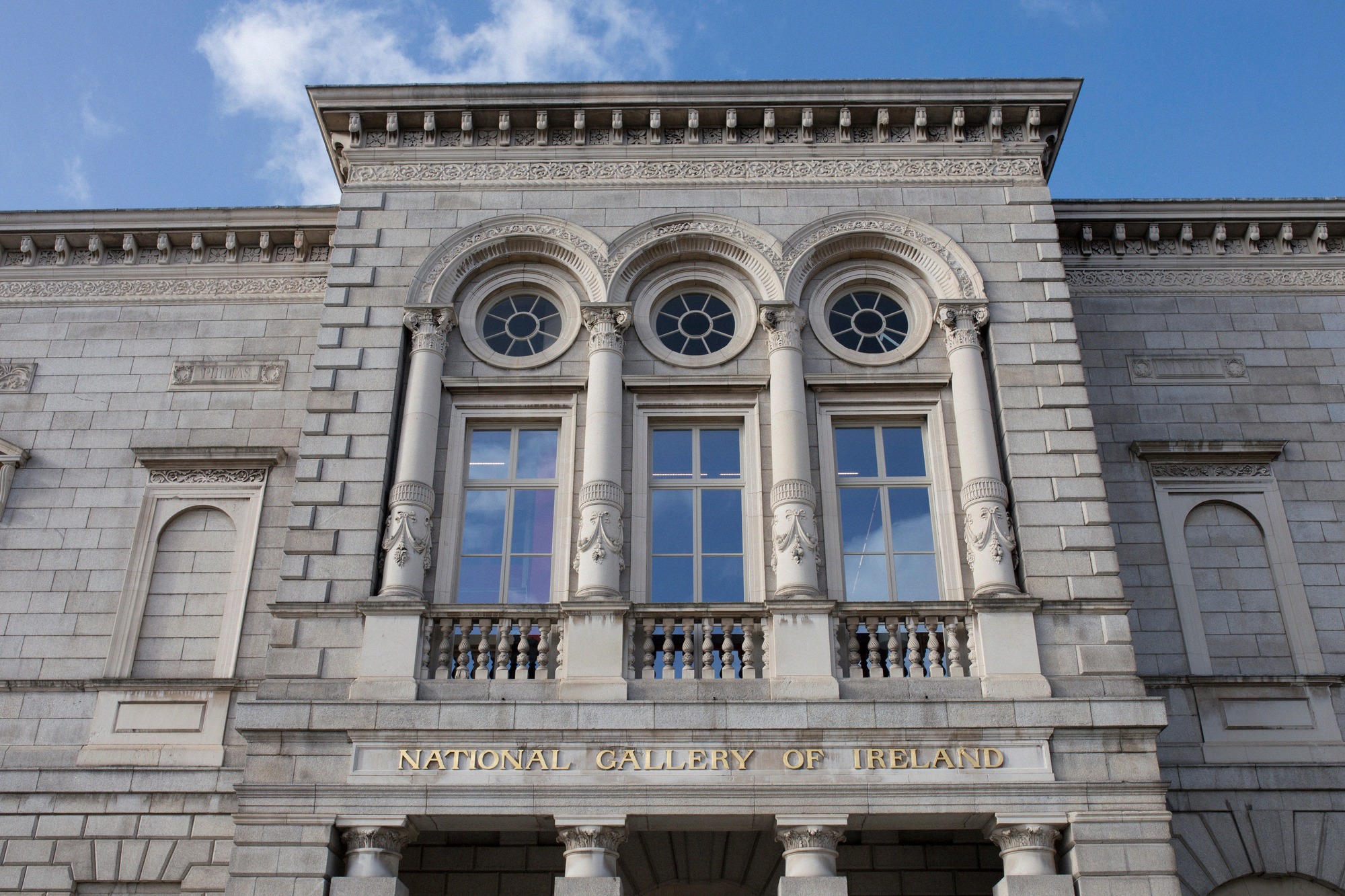
National Gallery of Ireland
Art museum on Merrion Square
Overview
Dublin's museums and libraries at a glance, from the Book of Kells to the National Gallery, Chester Beatty and IMMA to Kilmainham Gaol. With prices, free venues and the 2026 closures.
Art museum on Merrion Square
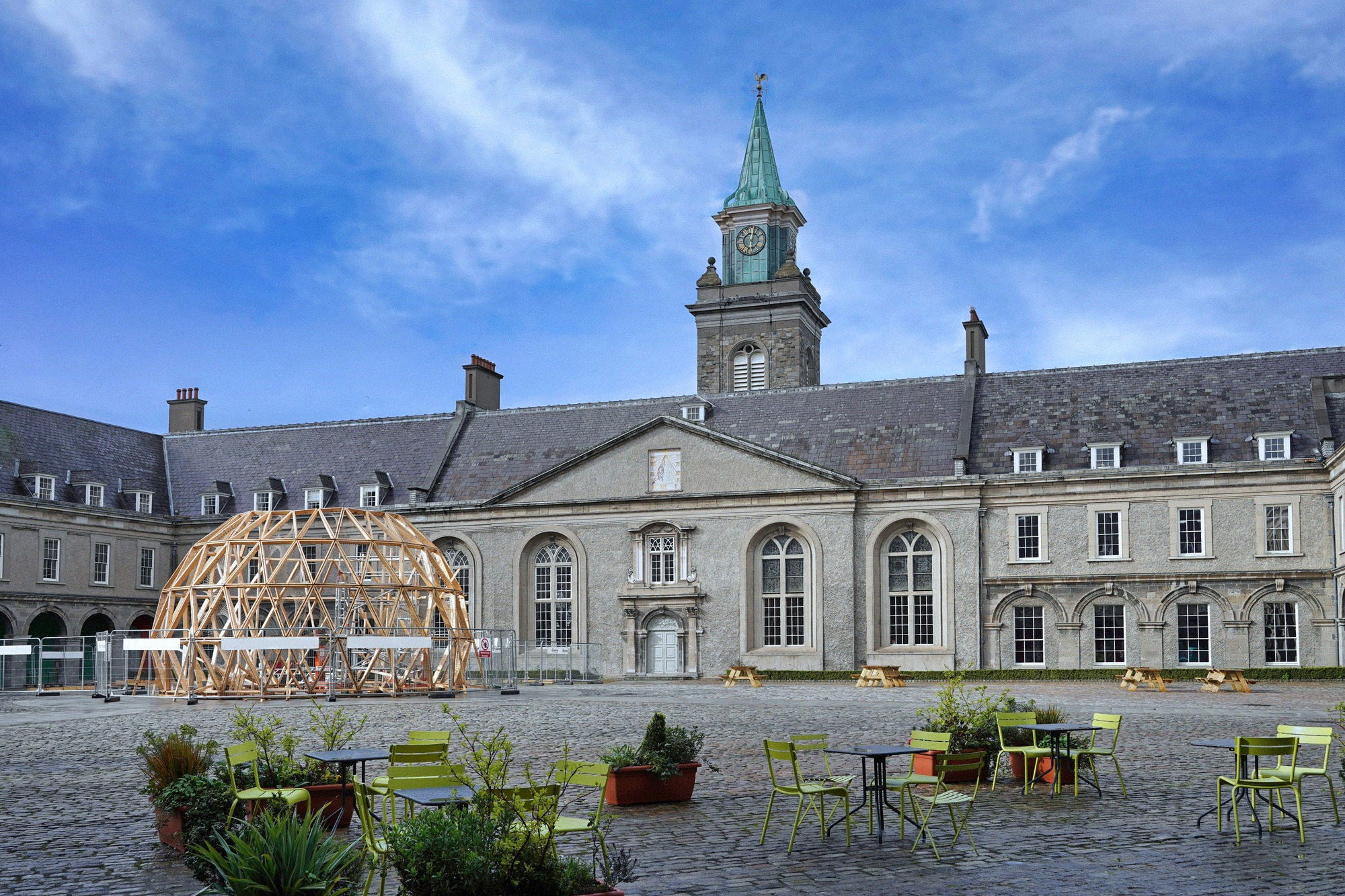
Baroque building with an art museum & formal garden
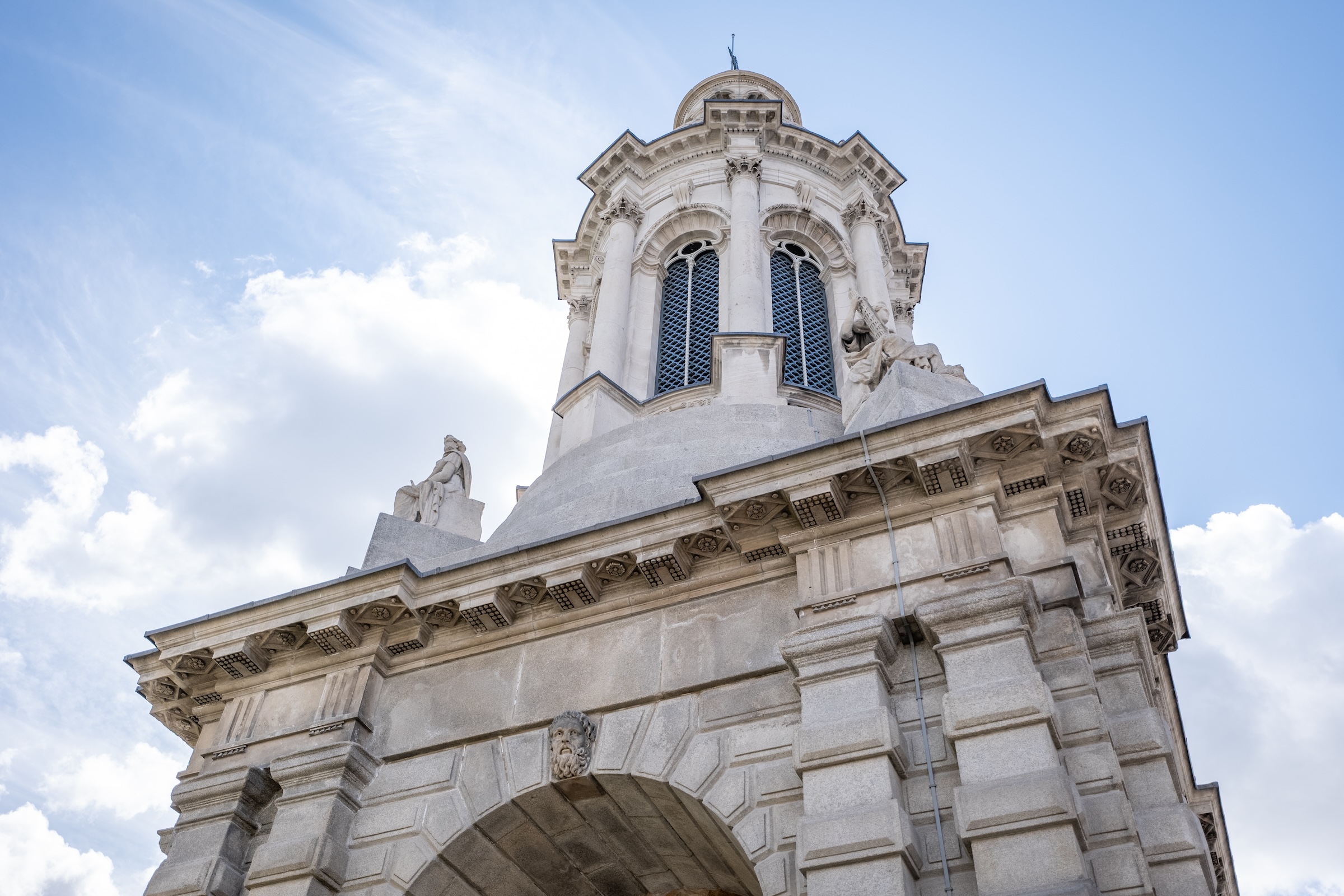
Oldest university, home to the Book of Kells & Long Room
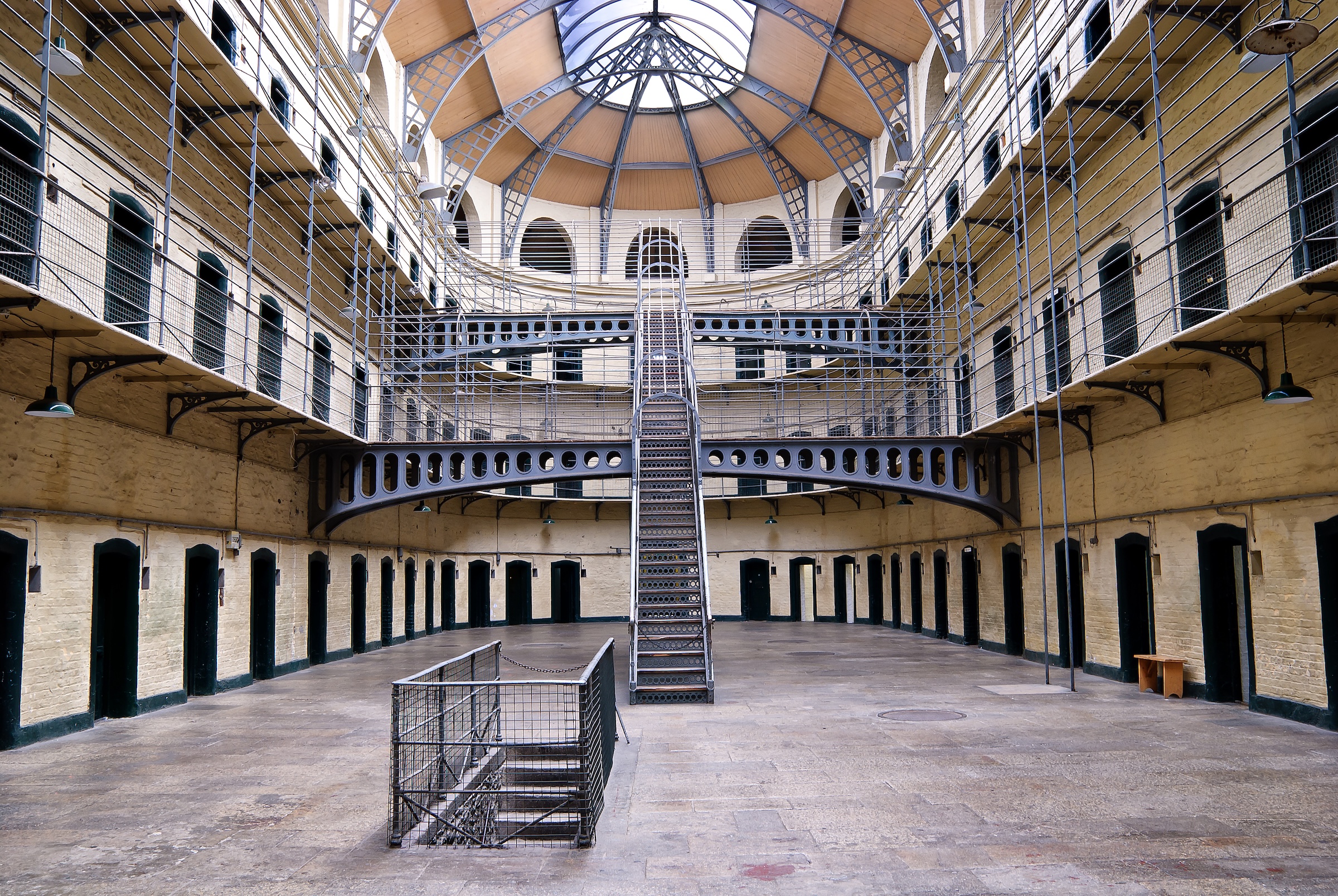
Historic prison and national monument
Museum of literature at St Stephen's Green
Joyce museum and starting point for the Ulysses tours
Printing museum in a former garrison chapel
Wax figures on Westmoreland Street
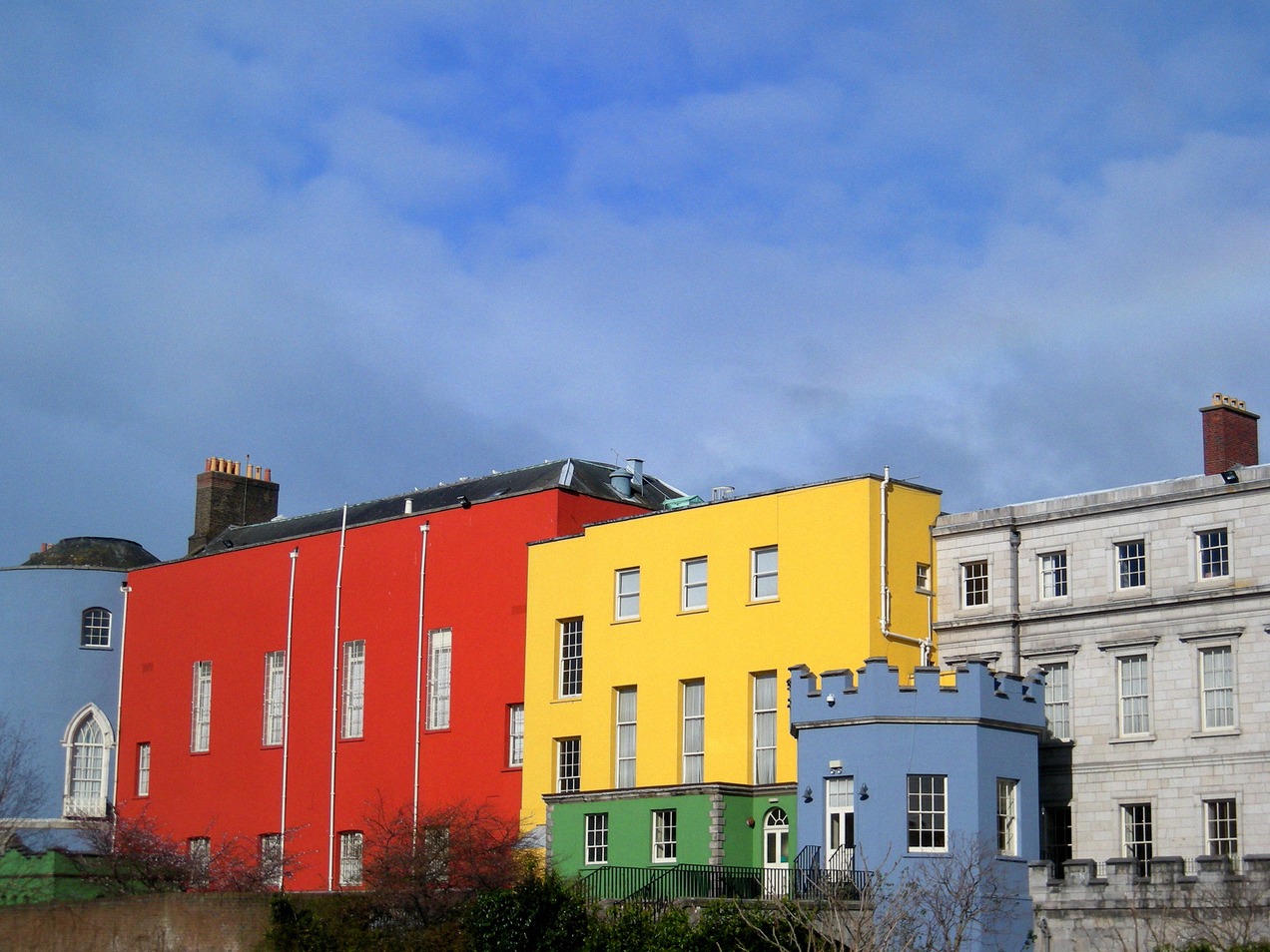
Manuscripts & sacred art - closed until the end of 2026
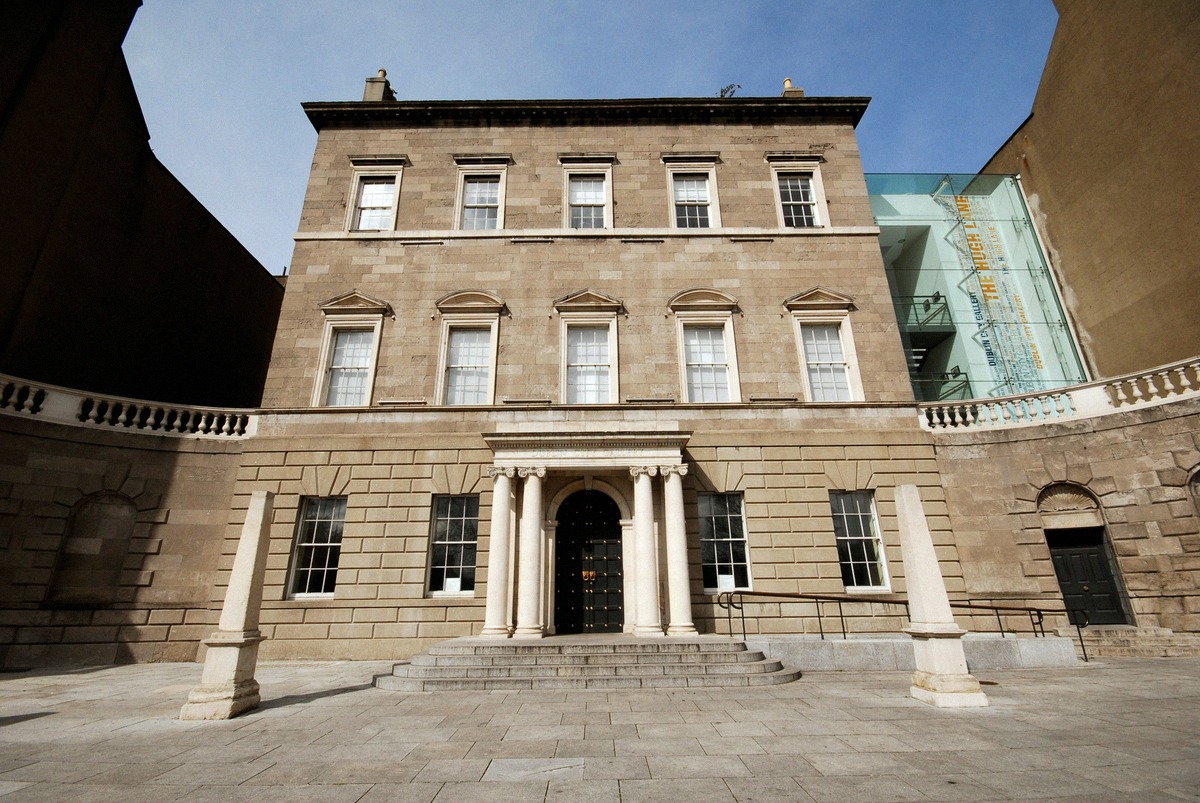
City gallery on Parnell Square - closed until around 2028
No results found.
Dublin's museum scene is surprisingly dense and refreshingly kind to your wallet. Many of the most important venues charge no admission at all, because they're run as state national museums, and almost all of them are within easy walking distance of the centre, or a short bus ride away. Other highlights, such as the Book of Kells or Kilmainham Gaol, do charge admission, but rank among the city's most-visited attractions.
This guide sorts Dublin's key museums, galleries and libraries by theme, with prices, opening hours and the practical details worth knowing before you visit. Three current notes up front that many older guidebooks don't cover yet, and that will shape your 2026 planning: the Natural History Museum and Hugh Lane Gallery are closed for restoration, and the Chester Beatty shuts around midyear.
Before you plan your visit, it helps to know the basic split. The state-run venues are free; the commercial attractions or those run by the OPW charge admission.
There's no dedicated museum combo ticket, and the free venues aren't made any cheaper by the Dublin Pass either, that pays off more for paid attractions such as the Guinness Storehouse and EPIC. Kilmainham Gaol can't be booked through third parties at all (tickets direct from the OPW only).
Dublin's literary heritage is reflected in its libraries, and two of them hold manuscripts of genuine world importance.
The biggest draw is the Book of Kells Experience at Trinity College. The roughly 90-minute visit runs through the Old Library, including the famous Long Room with its "Gaia" installation, and ends in the Red Pavilion with digital exhibitions, including "Book of Kells 360". It's open Monday to Friday 9:00-18:00, Saturday 9:00-18:30 and Sunday 9:30-18:00. Admission is time-slotted, and booking online in advance is the only reliable option. Pricing is tiered, the self-guided Experience starts at €26, the shorter "Book of Kells & Old Library" option without the digital exhibition is from €19 (around 45 minutes, and often sold out), while guided tours start at €65. Concessions exist for seniors and students, but the official website only lists exact amounts within the booking widget.
Just a short walk away is the free National Library of Ireland (7-8 Kildare Street). Alongside its reading rooms and changing exhibitions, it permanently houses the world's largest collection relating to W. B. Yeats, including manuscripts of "The Lake Isle of Innisfree" and "Easter, 1916", his Nobel Prize medal and personal artefacts. It's open Monday, Thursday and Friday 9:30-17:00, Tuesday and Wednesday 9:30-19:00, Saturday and Sunday 9:30-17:00; on bank holiday Mondays, 12:00-17:00.
In the gardens of Dublin Castle, inside the Clock Tower Building, sits one of the city's most unusual museums. The Chester Beatty collects international rather than Irish treasures. Its holdings span a Western, an Islamic and an East Asian collection, ranging from 2700 BC to the present, rare manuscripts, prints, miniatures, icons and books. Admission is free, with a suggested donation of €10.
Regular opening hours are Tuesday to Saturday 9:45-17:30 (Wednesday until 20:00) and Sunday 12:00-17:30; it's only closed on Mondays from November to February.
Important for 2026, the Chester Beatty is closed to the public from 15 June to the end of December 2026, due to Ireland's EU Council presidency. If you want to see it, plan your visit for the first half of the year.
Ireland's premier address for art history is the National Gallery of Ireland on Merrion Square - Caravaggio, Vermeer, Turner and an entire room of Jack B. Yeats, with free entry to the permanent collection. It's open daily, and stays open until 20:30 on Thursdays. If you're after modern art, head to IMMA, the Irish Museum of Modern Art, housed in the baroque Royal Hospital Kilmainham; entry here is free as well. For something more hands-on, visit the National Print Museum, where historic printing presses still run, admission is free, though guided tours and workshops cost extra.
Beyond the big-name venues, it's worth exploring Dublin's lively gallery scene, almost all of it free to visit:
If you'd rather look outdoors: worthwhile street-art areas include Temple Bar (the murals near Blooms Hotel, for example), plus Smithfield, Camden Street, Portobello and the Docklands, a wander round any of these costs nothing and slots neatly between gallery visits. Two dates bring the scene together in 2026: Culture Night on Friday 19 September, with over 350 free venues taking part, and Dublin Gallery Weekend, running 5 to 8 November; more dates are listed in the events calendar.
Two paid venues are devoted to the city's literary tradition: MoLI - Museum of Literature Ireland on St Stephen's Green and the James Joyce Centre, housed in a Georgian townhouse (adults €7, concession €5, children under 12 free). MoLI's official headline price starts at €12, though adults typically pay €14.50, and families €32. It's open daily 10:00-17:00 (last admission 16:00), and free on the first Friday of every month, 18:00-21:00. The former Dublin Writers Museum on Parnell Square has been permanently closed since March 2020 and won't reopen; its own page lists which venues cover the subject today. If you want to dig deeper into Dublin's literary heritage, our guide to literary Dublin has more places to explore. More of a family stop is the National Wax Museum Plus opposite Trinity College, a waxworks with admission from €17.50 (concession €14.50, children under 12 €11.50, family ticket from €56).
Few places let you experience Ireland's more recent history as directly as Kilmainham Gaol. The former prison sits on Inchicore Road, around 3.5 kilometres from the city centre, and can only be visited on a guided tour. Tickets are sold exclusively in advance online, through the official website or Heritage Ireland, third-party tickets are explicitly not valid. Allow around 90 minutes for the visit, roughly an hour for the tour plus the museum.
Admission prices are modest, adults €8, seniors €6, students €4, family ticket (2 adults plus 2-3 children under 18) €20; children under 12 go free but still need a ticket. You can get there by Dublin Bus, on the Luas Red Line to Suir Road, or by car, park at the neighbouring IMMA, five minutes' walk away.
If you prefer something lighter, the Little Museum of Dublin on St Stephen's Green (No. 15) is worth a look. It reopened in June 2025 after a year-long renovation. Access is via a guided tour of just under half an hour through a collection of more than 5,000 objects donated by Dubliners themselves, a very personal take on the city's 20th-century history. Adults pay €18, seniors and students €16, families €45; book through the official website's online ticket shop.
If you're after Celtic treasures, head to the National Museum of Ireland - Archaeology on Kildare Street, right next to the National Library, also free. Over in the Docklands (Custom House Quay, CHQ Building), EPIC The Irish Emigration Museum tells the story of the Irish diaspora across 20 galleries and has repeatedly been named "Europe's Leading Tourist Attraction"; tickets online start at €22 (families from €39, with a 20 per cent discount for booking 30 days ahead), and it's open daily 10:00-18:45, last admission 17:00. For the 1916 Easter Rising, GPO Witness History at the General Post Office on O'Connell Street is worth a visit; check the official website for current prices.
Most venues sit conveniently close together. The National Library, National Museum - Archaeology and National Gallery form a compact triangle south-east of the centre, within walking distance of Trinity College, ideal for combining the Book of Kells with two free museums in a single day. The Chester Beatty sits centrally at Dublin Castle and fits neatly in between, as long as it's open. MoLI and the Little Museum bookend St Stephen's Green. EPIC lies a little further out in the Docklands, while Kilmainham Gaol, around 3.5 kilometres away, is the furthest afield, it's worth setting aside half a day for the gaol, which combines well with the neighbouring IMMA.
Monday is the critical day in Dublin, but unlike in many European cities it doesn't write off entirely. Here's the overview for the main houses:
| House | Monday | Booking |
|---|---|---|
| National Museum, Kildare Street (Archaeology) | open 13:00-17:00 (Tue-Sat 10:00-17:00, Sun 13:00-17:00) | not needed |
| National Museum, Collins Barracks | same as Kildare Street | not needed |
| National Gallery of Ireland | open 11:00-17:30, Thursdays until 20:30 | not needed |
| IMMA | closed (except bank holidays) | not needed |
| MoLI | open, daily 10:00-17:00 | advisable at peak times |
| Little Museum of Dublin | open, daily 09:30-17:00 | guided tour, book a slot |
| Book of Kells Experience | open, Mon-Fri 09:00-18:00 | essential, timed entry |
| Kilmainham Gaol | open | essential, guided tour only |
| National Library | open 09:30-17:00 | only for the reading rooms (Reader's Ticket) |
Three rules sum up the booking question:
Correct as of 2026; check each house's own website before visiting.
Three programme changes worth building into your 2026 plans. The Natural History Museum on Merrion Street, affectionately known to Dubliners as the "Dead Zoo", has been fully closed since 1 September 2024 for a major restoration of the 1856 building. There's no reopening date yet; several years are expected. As a replacement, the Dead Zoo Lab at Collins Barracks (National Museum - Decorative Arts & History) displays around 1,300 objects covering entomology, geology, mammals, birds, amphibians, reptiles and marine life, also free.
The Hugh Lane Gallery on Parnell Square has been closed since 28 September 2025 for the restoration of its 1930s gallery wing, and is expected to remain shut for several years, not before around 2028. Its most famous exhibit, the Francis Bacon studio, relocated room by room from London, is also inaccessible during this time. Don't build the gallery into your visit for now; IMMA and the RHA Gallery cover modern art instead.
And, as mentioned above, the Chester Beatty closes from 15 June for the rest of the year. All three venues still show up as open on plenty of "museums for a rainy day" lists, so don't take that at face value.