
Admission
Christ Church Cathedral admission
Entry to the cathedral and crypt, including the treasures exhibition, with an audio guide in English and six other languages.
4.6 (83) · Tiqets
From €12
Book TicketDublin's oldest building and Ireland's largest crypt
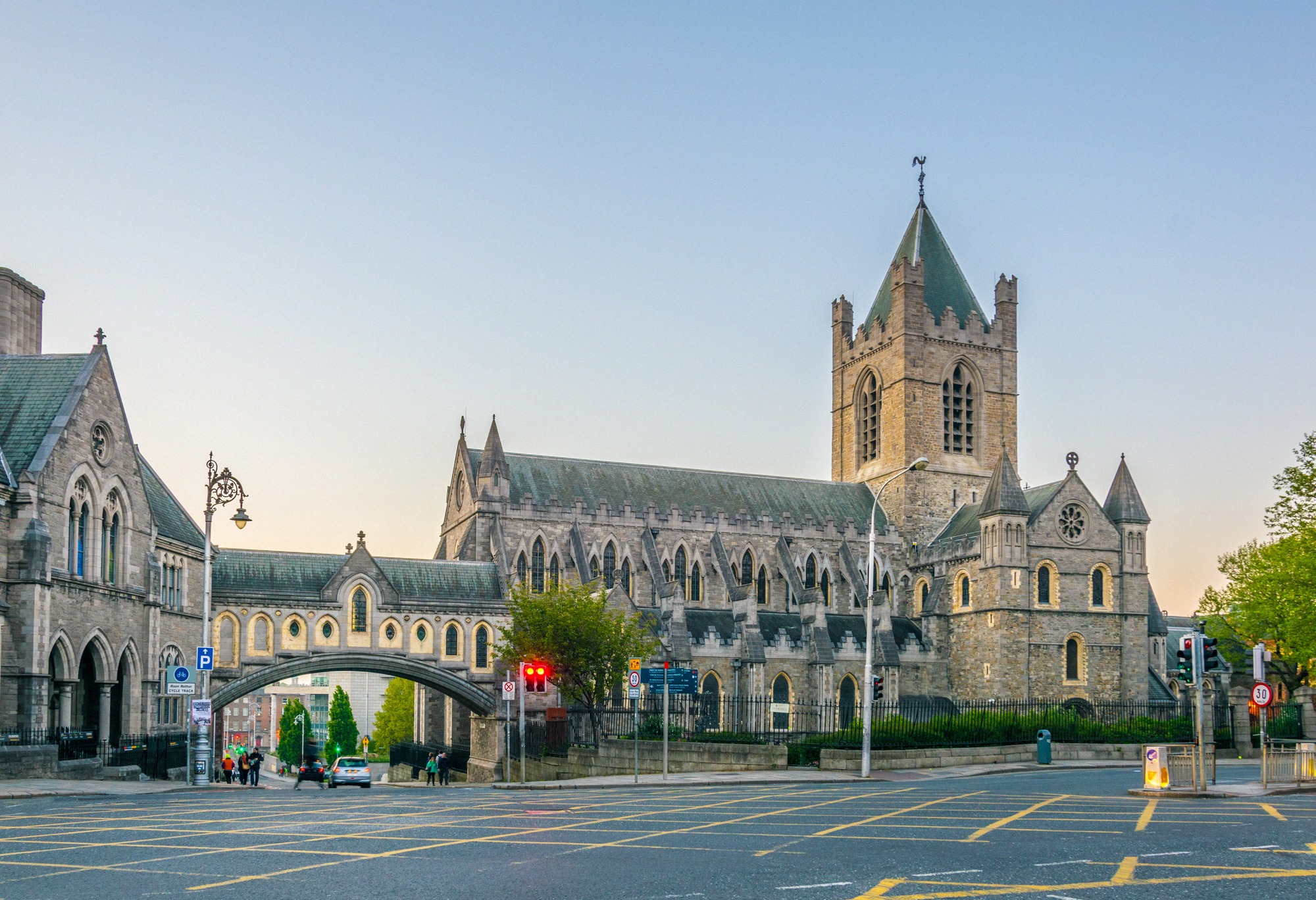
Christ Church Cathedral (Cathedral Church of the Holy Trinity) is Dublin's oldest building, home to Ireland's largest crypt, Strongbow's tomb and the mummified cats Tom and Jerry.
Book online
Admission
Entry to the cathedral and crypt, including the treasures exhibition, with an audio guide in English and six other languages.
4.6 (83) · Tiqets
From €12
Book TicketChrist Church Cathedral has stood above the former Viking settlement of Wood Quay for nearly a thousand years, making it Dublin's oldest surviving building. From the medieval crypt to the curious mummified cats Tom and Jerry, it tells the city's story like nowhere else.
Around 1030, the Viking king Sitriuc Silkenbeard, together with Dúnán, Dublin's first bishop, founded a wooden church on this site. Following a pilgrimage to Rome, Sitriuc granted the land on the hill above the Viking settlement for the building of the church.
From the 1170s, under Archbishop Laurence O'Toole and with financial backing from the Anglo-Norman commander Richard de Clare, known as Strongbow, a stone building was raised in the Romanesque style. Strongbow, whose arrival in 1170 marked the start of English rule in Ireland, was laid to rest here. His present-day tomb, however, is a 16th-century replacement: the original was destroyed when the nave's vault collapsed in 1562.
In the 13th century the cathedral was extended in the Gothic style. Craftsmen from Somerset used limestone from Dundry for the elaborate stonework. In 1395, King Richard II received the homage of Ireland's four provincial kings here, and in 1487 the pretender Lambert Simnel was crowned King of England in Christ Church.
Centuries of decline took their toll: at one point the crypt served as a market and even a tavern. Between 1871 and 1878, Dublin whiskey distiller Henry Roe funded a major restoration by architect George Edmund Street. The cost of around £230,000 equates to a double-digit million sum today once adjusted for inflation, and it gave the cathedral its present neo-Gothic appearance, complete with tower, buttresses and the distinctive covered bridge to the Synod Hall, which today houses the Dublinia museum.
The medieval crypt runs the full 63.4-metre length of the cathedral, making it the largest of its kind in Britain and Ireland. It houses the "Treasures of Christ Church" exhibition, with remarkable pieces on display: a rare 14th-century copy of the Magna Carta Hiberniae and royal silverware donated by William III in 1697 following his victory at the Battle of the Boyne.
Among the most unusual exhibits are a mummified cat and rat, found trapped inside an organ pipe. James Joyce mentioned them in "Finnegans Wake", and Dubliners know them affectionately as "Tom and Jerry".
In St Laud's Chapel, a heart-shaped reliquary holds the heart of the city's patron saint, Laurence O'Toole. The relic was stolen in 2012 and recovered unharmed in Phoenix Park in 2018 after a six-year investigation. It is now displayed in an installation created by artist Eoin Turner.
The visit begins in the soaring nave, with its Romanesque and Gothic arches, before descending into the crypt, the real highlight of a visit. There you'll find the exhibition, the silverware and the curious animal mummies all together; a café in the crypt makes for a good break. Visitors lucky enough to time a visit with the bell ringers can also see the famous bell tower and its 19 bells.
The distinctive covered bridge leads straight across to the Viking and medieval museum Dublinia, housed in the former Synod Hall. A combined ticket is worth it if you plan to explore both in one day.
The cathedral sits right in the historic city centre, about a ten-minute walk from Trinity College and just a few minutes from Dublin Castle. The larger St Patrick's Cathedral is about a five-minute walk away, the two pair well together, as does the nearby St Michan's Church with its own mummy crypt.
Tickets are available on-site or more cheaply online through the official booking system; there's no fixed time-slot or skip-the-line option. Note the seasonal opening hours: the cathedral stays open later in summer but closes earlier when a visiting choir is singing a service. On Sundays it's only open to visitors in two set windows. For a fuller list of Dublin's sacred sites, see the overview of Churches in Dublin; if you're planning to visit several top attractions, the Dublin Pass may pay off.
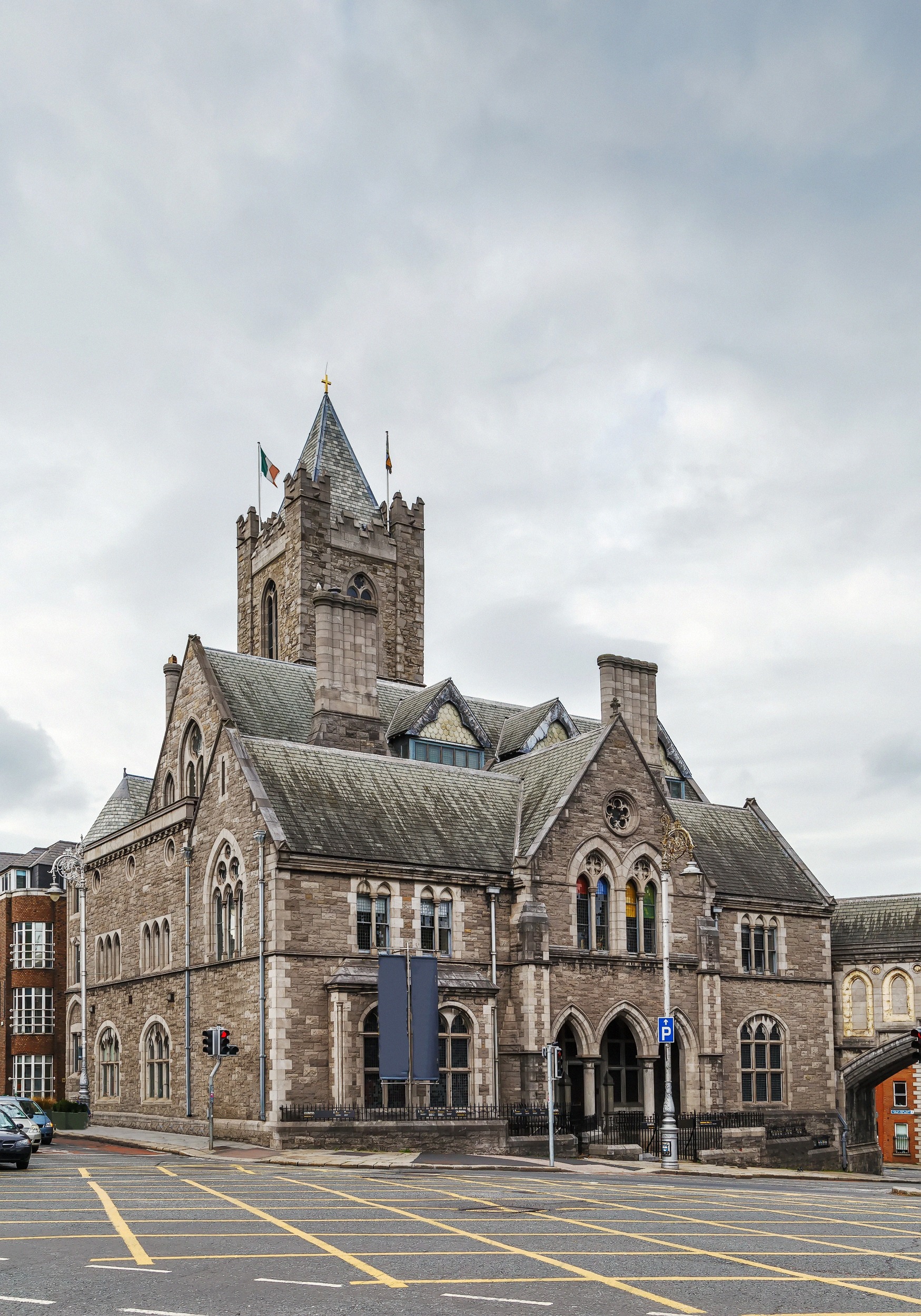
Hands-on Viking and medieval history next to Christ Church Cathedral. Living-history tours, interactive stations and a climb up St Michael's Tower.
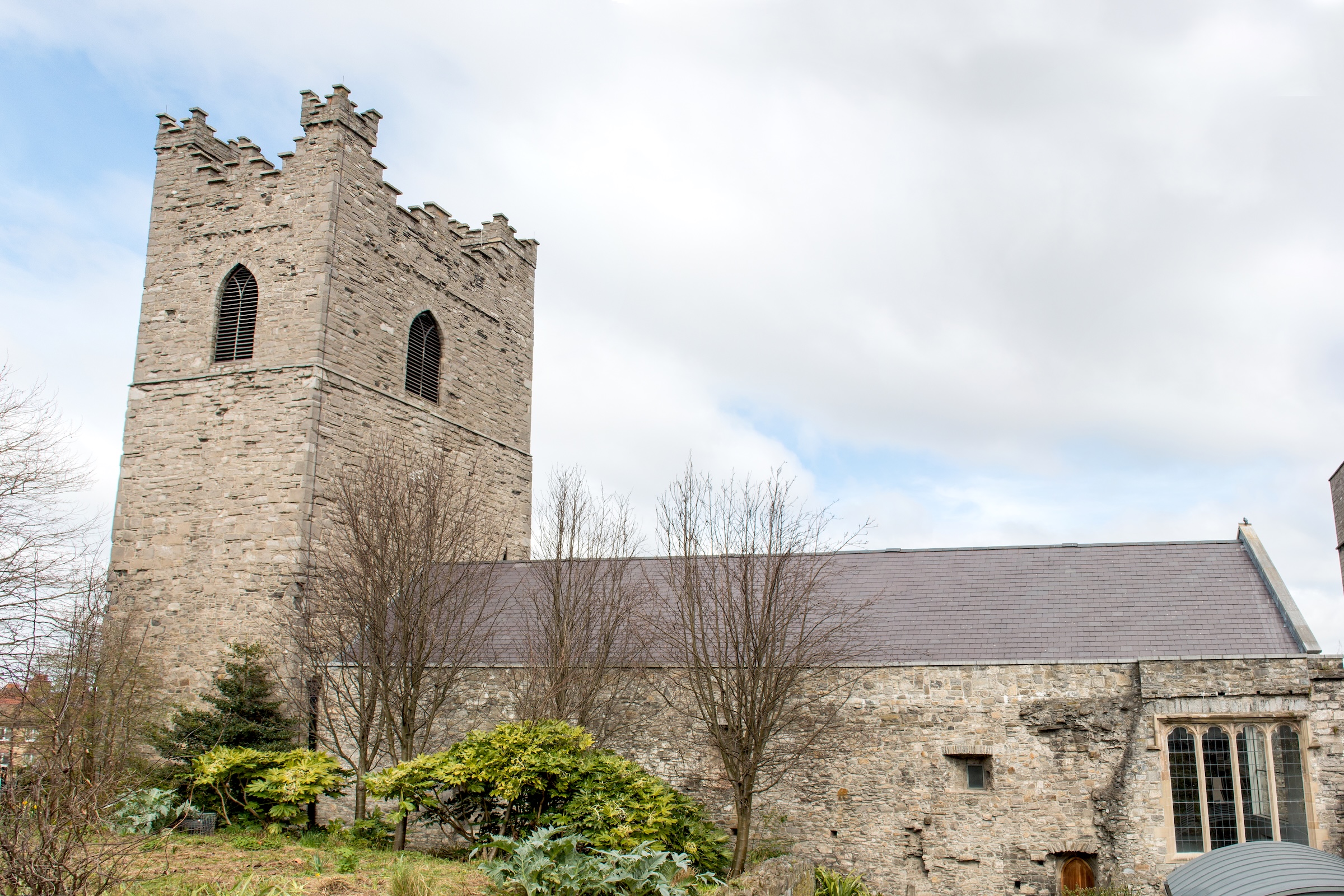
Dublin's oldest church still in parish use, with Ireland's oldest bells and the city's last surviving medieval gate. Free admission, interior open seasonally only.
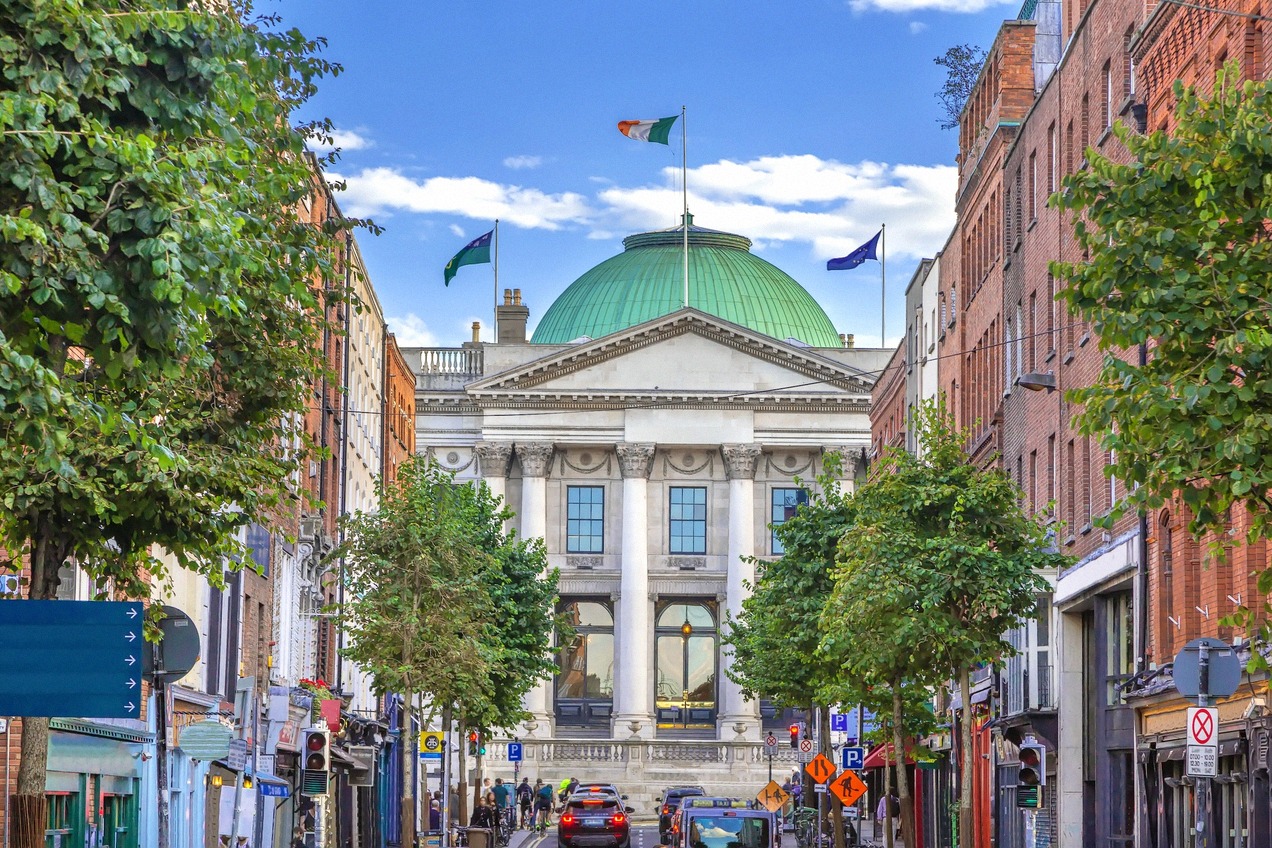
Dublin City Hall on Dame Street, built in 1769 as the Royal Exchange. Magnificent rotunda, free admission. Opening hours, directions and visitor tips.
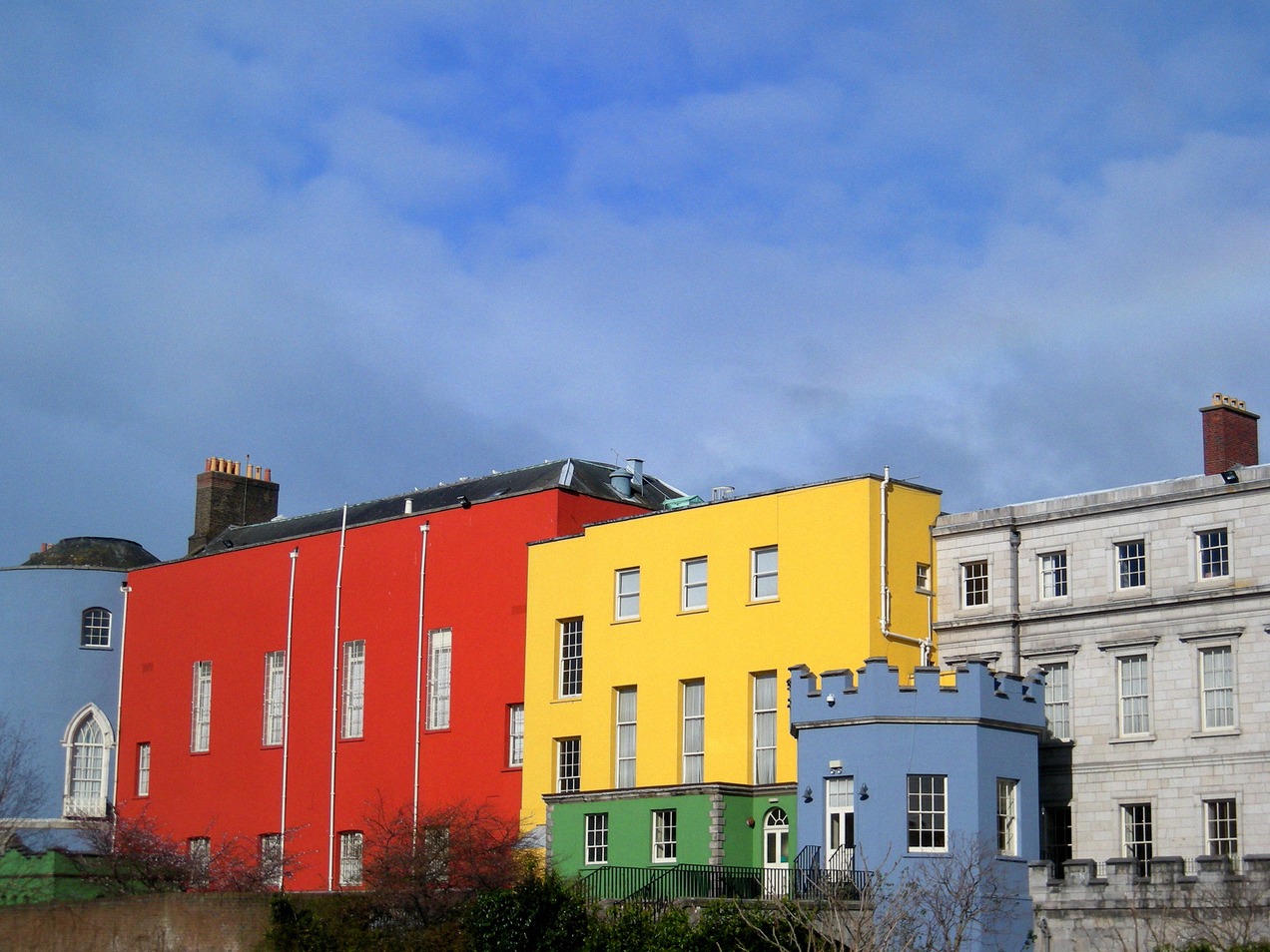
The Chester Beatty at Dublin Castle holds manuscripts, rare books and sacred art spanning 4,500 years, free admission. Closed 15 June to end of December 2026.
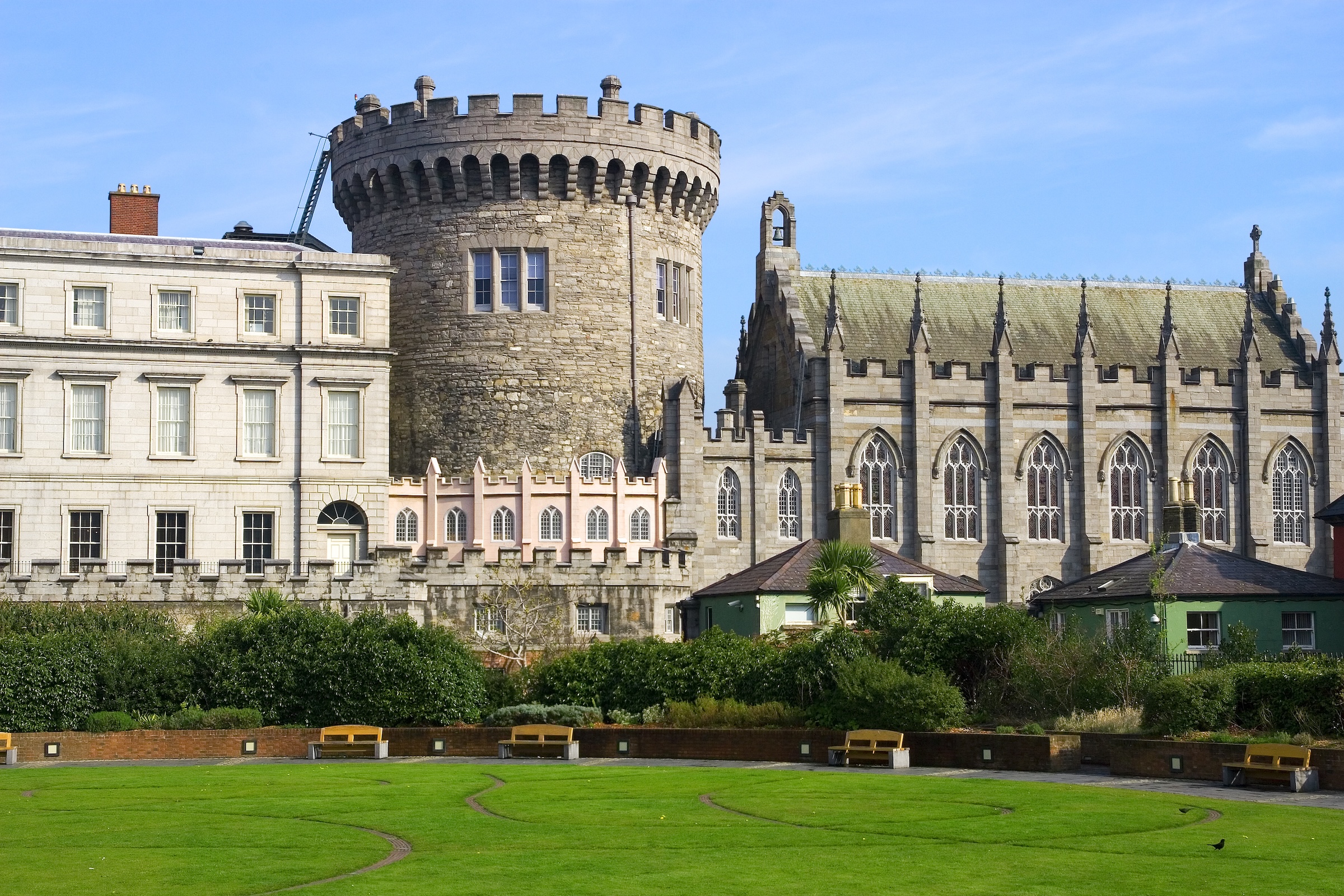
Dublin Castle, former seat of the British crown, spans 800 years from a Viking settlement to the State Apartments. Fully closed until 31 December 2026.
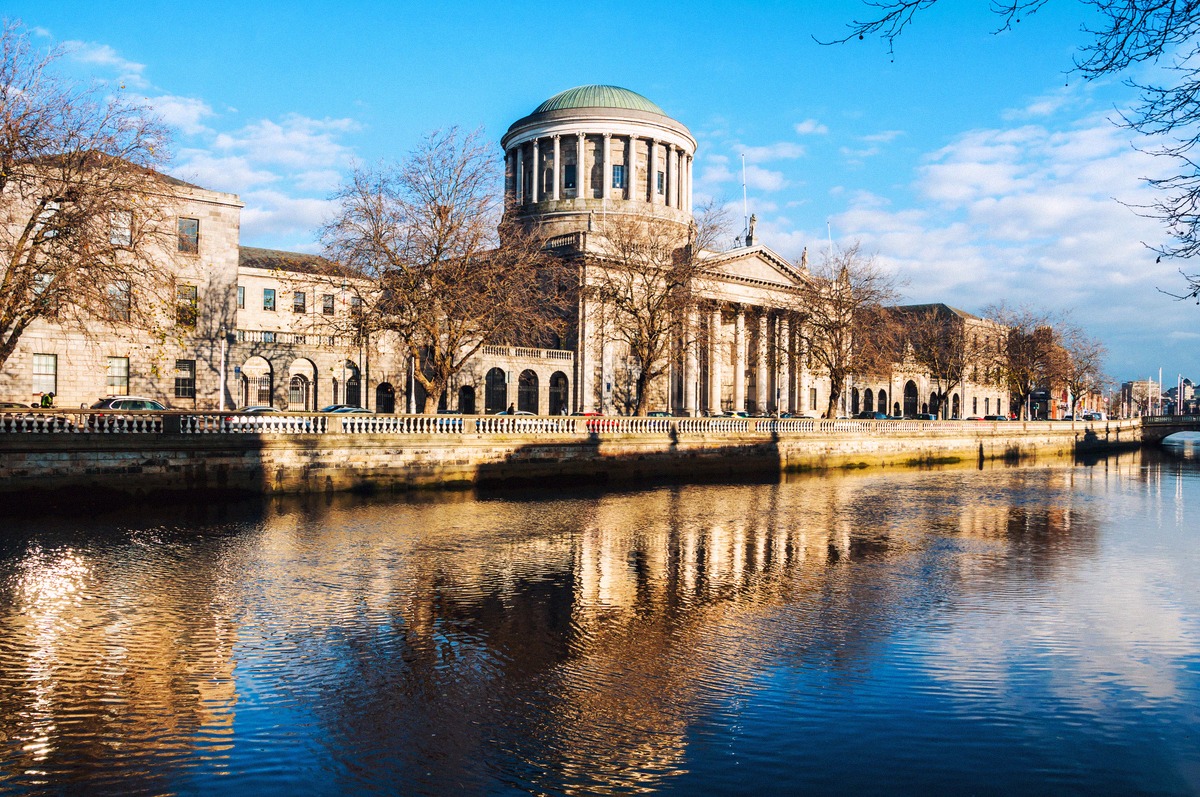
The Four Courts on Inns Quay is Ireland's most important courts building, designed by James Gandon. Public hearings are free to attend.