
Getting There & Transport
Overview
To Dublin and around Dublin: flights and ferries compared, the airport transfer in 20 to 35 minutes, the Leap Card with its TFI 90-minute fare, and what you need to know about hiring a car for day trips.
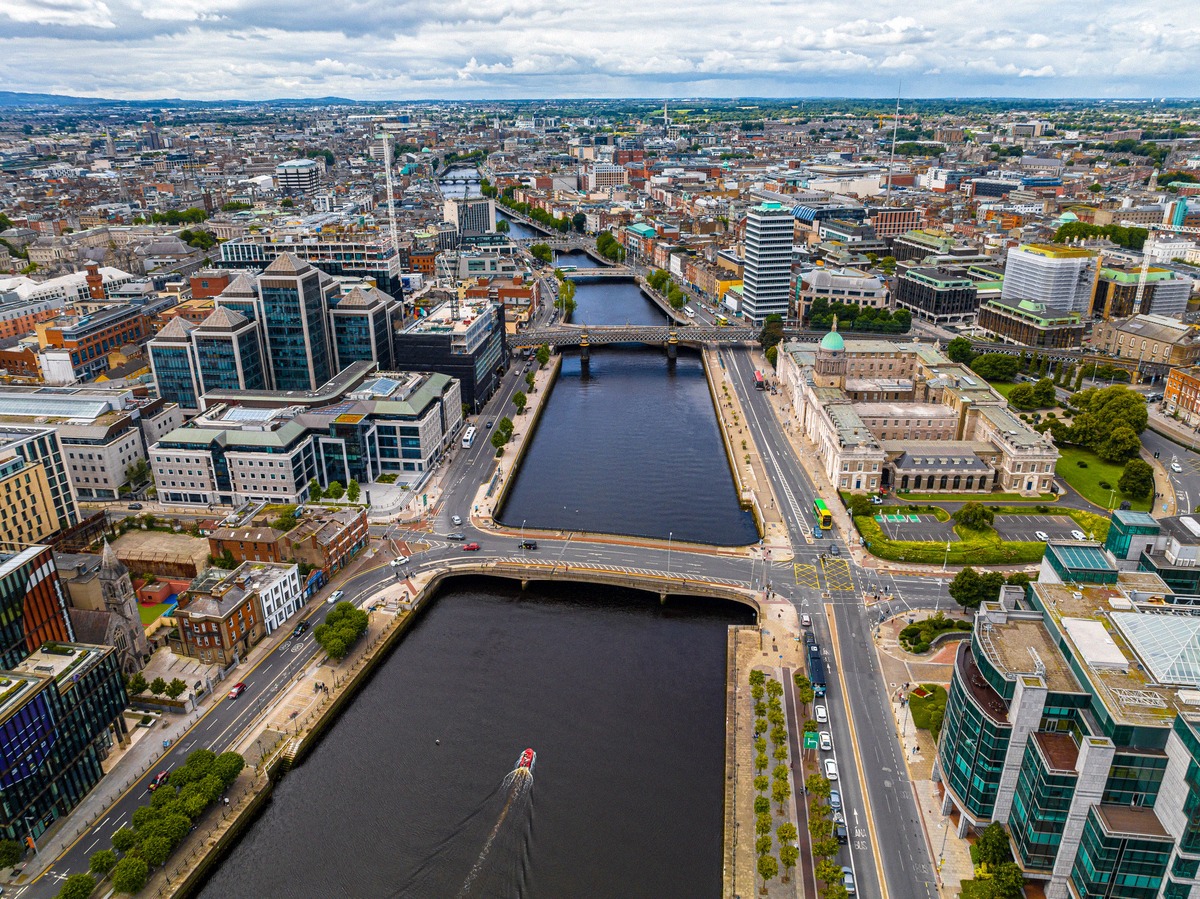
Dublin is under two and a half hours by air from most of Europe, and once you're there you can get around perfectly well without a car: buses, the Luas tram and the coastal DART line cover the city and its surroundings densely, and the cheapest way to pay for all of them is the Leap Card. This overview compares the ways of getting to Dublin, explains the airport transfer, and shows which ticket works out best, the details are in the linked guides.
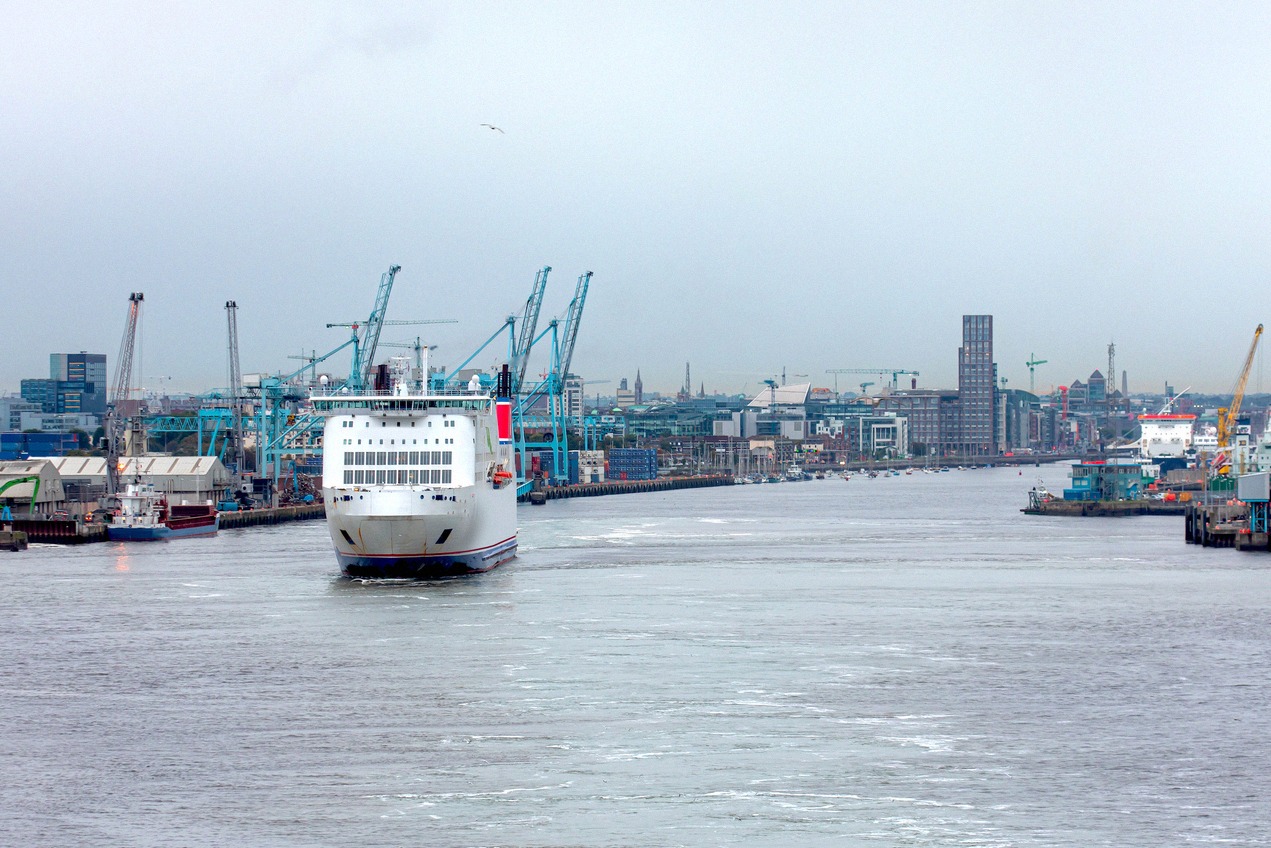
Flying is the fastest and usually also the cheapest way to get to Dublin: Aer Lingus, Ryanair, Lufthansa and Eurowings connect major European airports directly with Dublin. The ferry comes into its own if you're bringing a car, a motorhome, a dog or a bike, the bike is the only vehicle that can travel aboard without being taken apart, which makes the short Holyhead crossing the sensible choice.
| Route | Duration (one way) | Price (one way) | Good to know |
|---|---|---|---|
| Flight from Europe | 1:50 to 2:30 hrs | from €15 to €17, around €84 on average | fastest option, dense direct-flight network |
| Ferry from Holyhead | 3:15 to 3:30 hrs | dynamic fare, by vehicle and date | year-round, seven or eight sailings each way per day; UK ETA required |
| Ferry from Cherbourg (direct) | 19 to 21 hrs, overnight | dynamic fare, cabin charged separately | bypasses the UK entirely, no UK ETA needed; one sailing a day |
For the paperwork, see the guide to entry requirements: Ireland is in the EU but not in the Schengen Area - EU citizens pass through passport control with their national ID card, no visa or ETIAS required. Only the Holyhead route goes through UK border control and requires a UK ETA. There is also a change at the ferry terminal: from 28 September 2026, Stena Line requires every passenger sailing from Dublin, Holyhead, Fishguard or Rosslare to show a passport at check-in, and a national ID card is no longer accepted on those routes. Dublin Port is around three kilometres from the city centre and the passenger terminals are further out again; which bus serves which terminal is set out in our guide to ferries to Dublin.
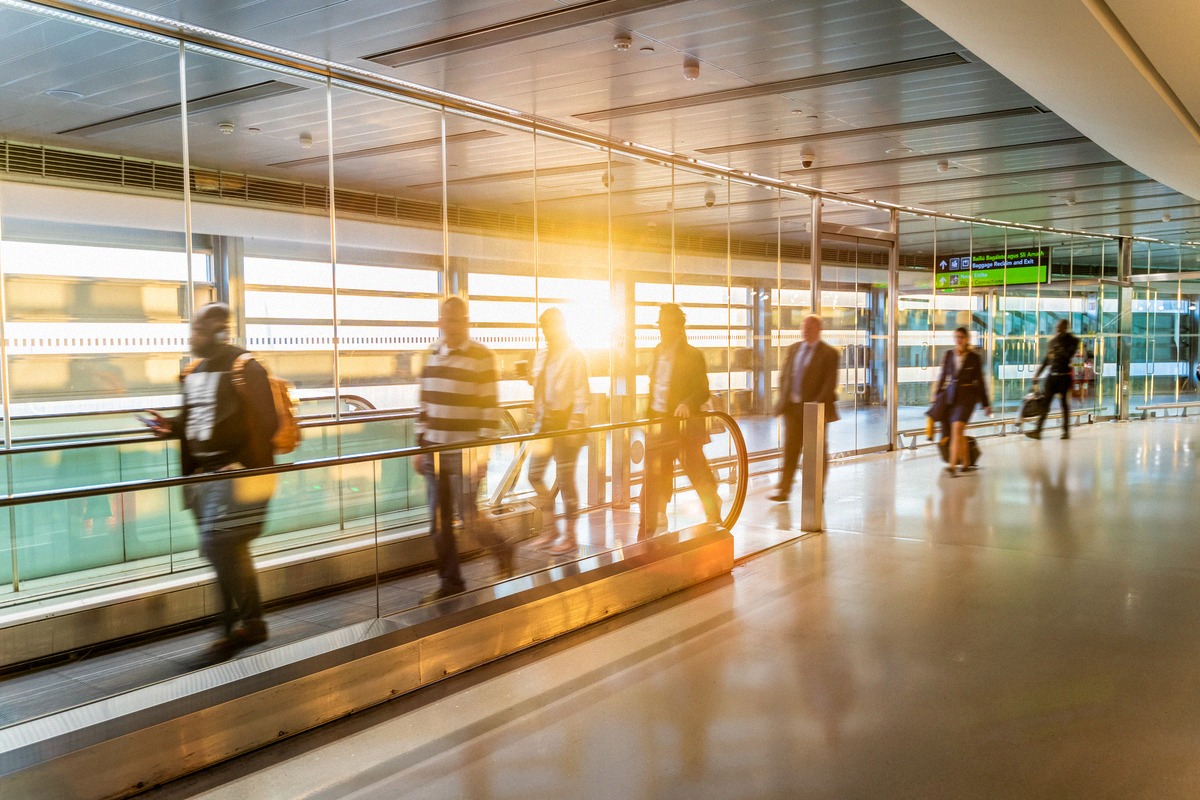
Dublin Airport has no rail link, the planned MetroLink won't be running before the mid-2030s. Until then, the express coaches are the best choice: Dublin Express (routes 782/784) and Aircoach (700) run through the Dublin Tunnel and reach the city centre in about 20 to 35 minutes, with tickets from €6 to €9 one way. Note that only card payment is accepted on board, the Leap Card doesn't work here. Aircoach 700 runs around the clock, Dublin Express roughly from 03:05 to 00:35.
Cheaper but slower are the regular Dublin Bus routes 41 (also around the clock) and 16 to O'Connell Street: €2.00 with a Leap Card, 45 to 60 minutes. A taxi costs €25 to €35 and takes 20 to 30 minutes, for a group of about four it works out roughly as cheap as the express coach. All the options, with pick-up points and night connections, are compared in the guide to Dublin Airport.
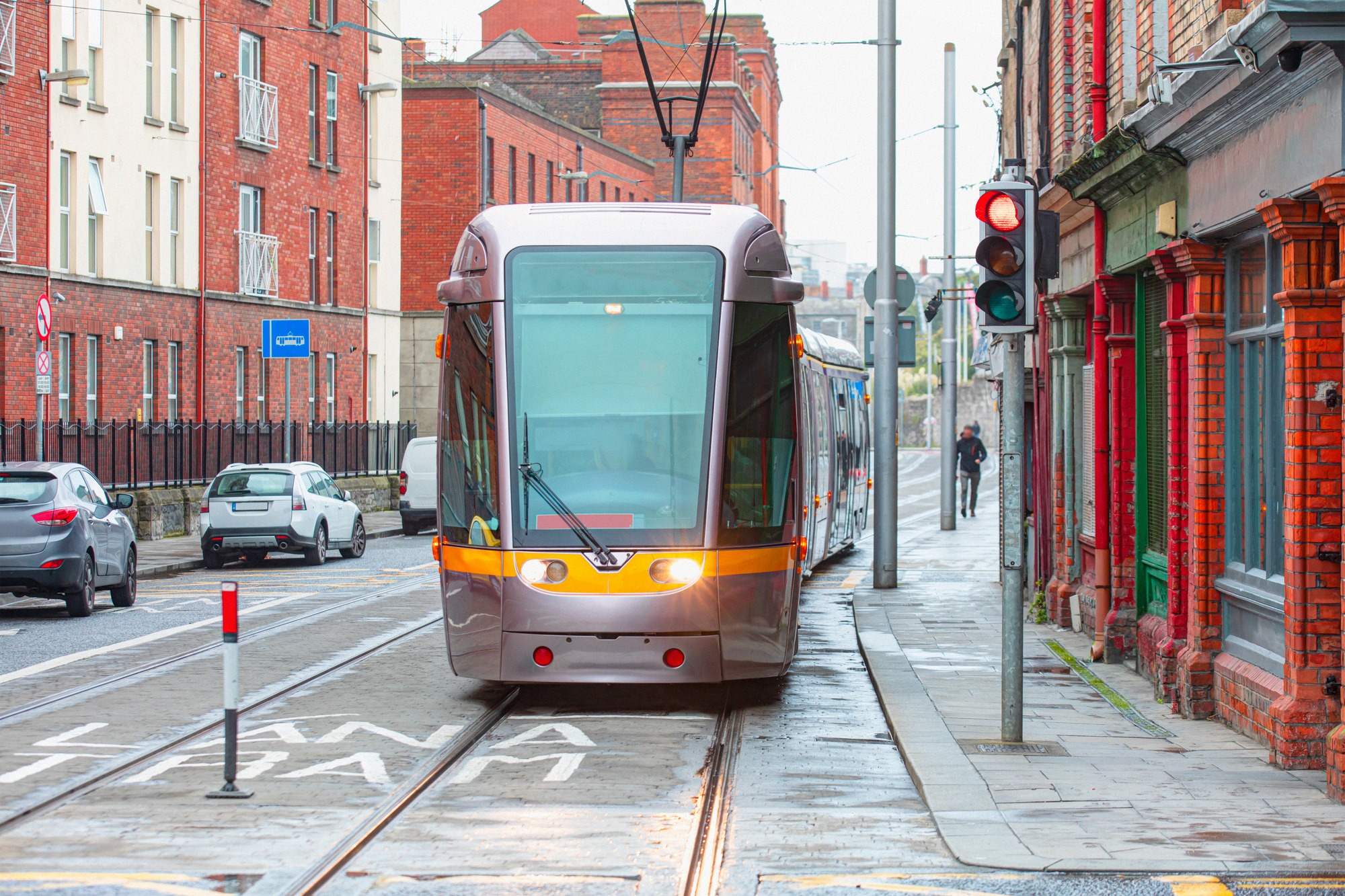
Bus, Luas and DART form the backbone of city transport under the Transport for Ireland umbrella, the guide to public transport explains how the systems fit together. The key thing to know is the TFI 90-minute fare: €2.00 per journey (young adults and students €1.00, children €0.65), including all transfers between bus, Luas, DART and commuter rail within 90 minutes in Zone 1. On top of that, the Leap Card automatically caps your spending at €6 a day and €24 a week; compared with paying cash you save up to 30 percent, and drivers don't accept notes anyway. The Leap Visitor Card (€8, €18 or €24 for 1, 3 or 7 days) only pays off once you're making three or more journeys a day.
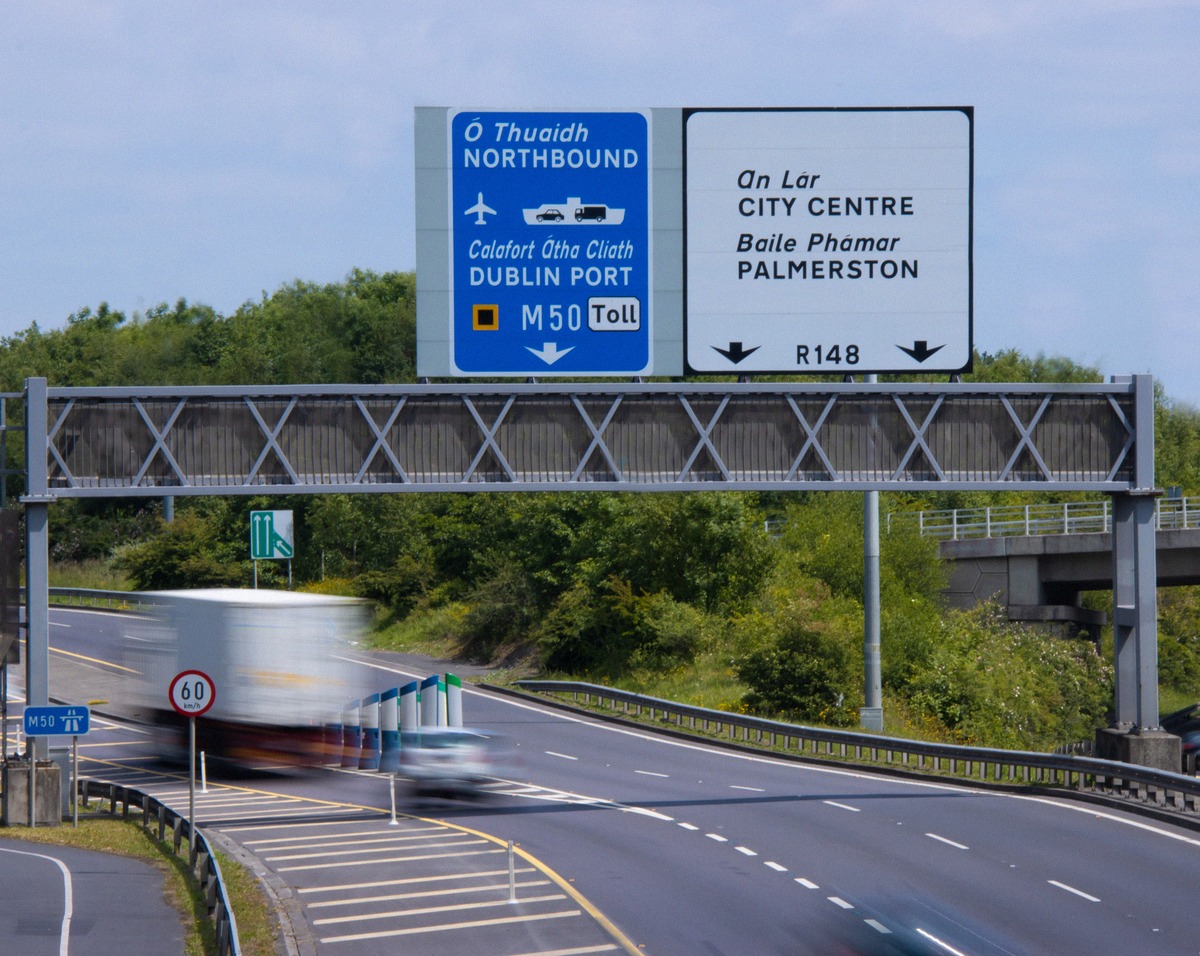
Even without a car, you can reach further than you'd think: the DART runs along the coast to Howth, Malahide, Bray and Greystones, commuter rail reaches Maynooth in around 30 to 40 minutes, and the Luas covers Smithfield, Heuston and Dundrum. Hiring a car only makes sense for destinations like Wicklow, the Burren or Northern Ireland, and then you're dealing with driving on the left, mostly manual gearboxes, and the barrier-free M50 toll, which the hire company usually bills automatically through eFlow.