
Dublin City Hall
Georgian showpiece with a grand rotunda
Dublin City Hall on Dame Street, built in 1769 as the Royal Exchange. Magnificent rotunda, free admission. Opening hours, directions and visitor tips.
Contents
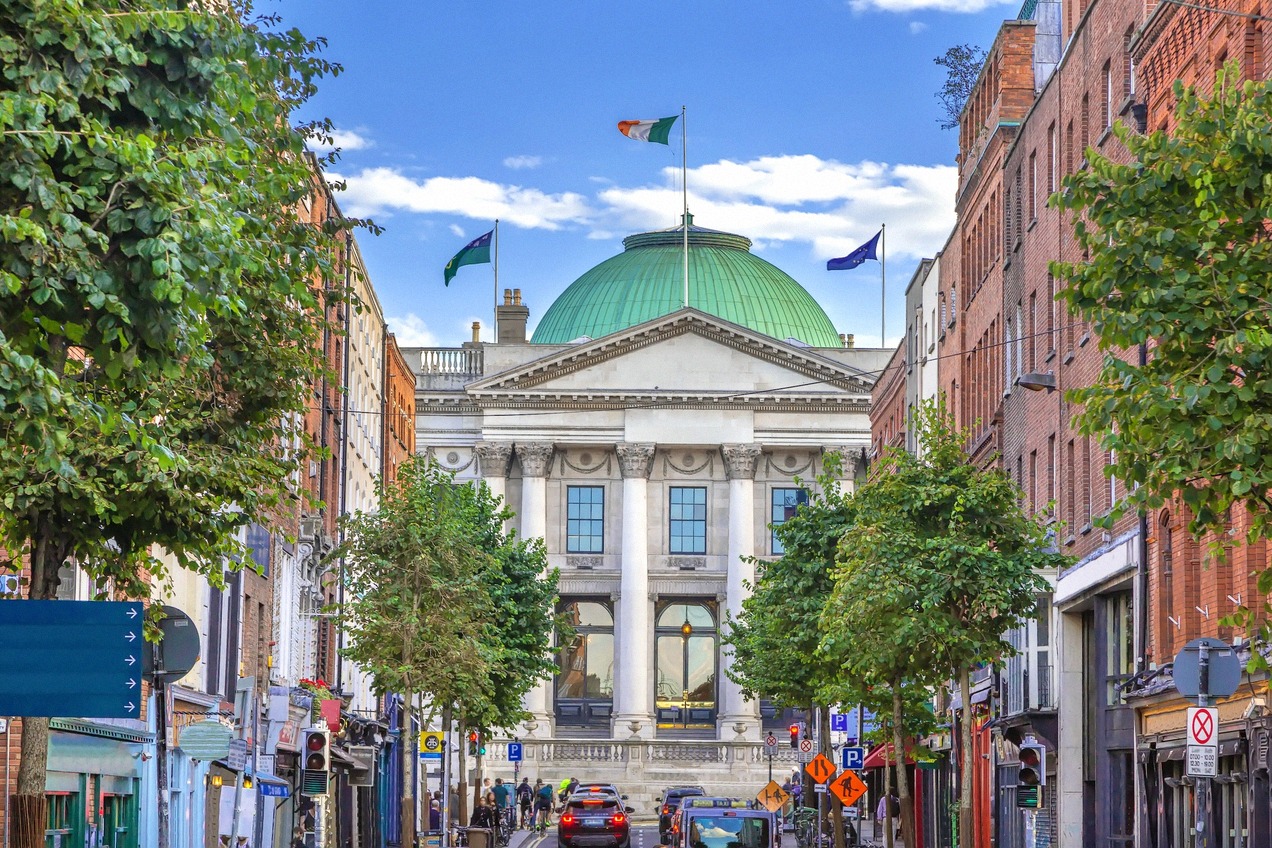
City Hall on Dame Street is one of Dublin's most important Georgian buildings and marks the start of neoclassical architecture in Ireland. Behind its imposing facade lie a magnificent rotunda and a multimedia exhibition on the city's history, both free to visit. Just a few steps from Dublin Castle, it's an easy addition to a walk through the historic centre.
Architecture and interior
Thomas Cooley (1740-1784) won the architectural competition in 1769 at the age of 29, beating 60 other entries, including one from his more famous rival James Gandon, who later designed the Custom House and the Four Courts. Construction cost £58,000, of which £40,000 was raised through public lotteries.
The building's centrepiece is the rotunda, a circular entrance hall beneath an imposing dome. Twelve Corinthian columns of Portland stone, each 9.8 metres tall, support the structure. The ornate capitals were carved by the German stonemason Simon Vierpyl, and the stuccowork is the work of Charles Thorpe, who later became Lord Mayor.
The marble floor, with its circular mosaic of the city's coat of arms, was laid in 1898 to a design by city architect Charles J. McCarthy. The twelve colourful murals beneath the dome were painted between 1914 and 1919 by James Ward, director of the Metropolitan School of Art, together with his students, among them the artists Harry Clarke and Seán Keating, who both went on to great acclaim. Eight of the paintings depict scenes from the city's history, and four show the coats of arms of the Irish provinces of Ulster, Leinster, Connacht and Munster.
History and political significance
The building was erected between 1769 and 1779 as the Royal Exchange, serving Dublin's merchants as a trading floor and meeting place. After the Act of Union in 1800, Dublin lost economic standing and the exchange ceased operating. Daniel O'Connell delivered his famous speech against the Act of Union here.
In 1851 Dublin Corporation acquired the by-then dilapidated building and had it converted into its administrative headquarters. The first city council meeting under the new name City Hall took place on 30 September 1852. In 1995 the city administration moved to the modern Civic Offices at Wood Quay. Following a thorough restoration between 1998 and 2000, the building was returned to its original 18th-century appearance and opened to the public.
During the 1916 Easter Rising, the Irish Citizen Army under Seán Connolly occupied the building. Constable James O'Brien, on duty at Dublin Castle, became the Rising's first fatality in the fighting that followed. After a twelve-hour engagement, the rebels were forced to surrender. City Hall has also hosted significant lyings-in-state: the bodies of Michael Collins and Jeremiah O'Donovan Rossa both lay in the rotunda. Readers wanting the wider context can find it in the guide Dublin's History.
The exhibition on the city's history
In the basement vaults, a multimedia exhibition traces the city's history from the Viking age to the present day. Exhibits include the city seal, the Great Mace of Dublin, the city sword, and one of the original 1916 Proclamation documents, a gift to the citizens of Dublin from the family of Elizabeth O'Farrell.
You can explore the rotunda freely, simply looking up into the dome at the twelve historic murals makes the detour worthwhile. No guided tour is needed; the visit is self-guided.
Visiting and practicalities
Allow around 30 to 45 minutes for the rotunda and exhibition. Admission is free, and there's no ticket or online booking to arrange, none is required.
- Opening hours: Monday to Saturday 10:00-17:00. Closed on Sundays, on Irish bank holidays, and during private functions and weddings.
- Entrances: main door on Dame Street, west door on Castle Street, and a side entrance at Barnardo Square.
- Accessibility: accessible toilets and a lift from the lower ground floor. AsIAm-certified autism-friendly, with a sensory map, sensory kits and a quiet space available on request.
- Contact: 01 222 2204, [email protected].
City Hall sits at the junction of Dame Street and Parliament Street, about a five-minute walk from Trinity College. Bus routes 27, 54a, 56A, 77A, 123 and 150 stop nearby, along with the Luas Red Line at Jervis or Four Courts, the Luas Green Line at St Stephen's Green, and the DART at Tara Street or Pearse Street. Right next door is the Temple Bar nightlife district; for more ideas for your day, see the overview of Dublin attractions.
Frequently asked questions
How much does it cost to visit Dublin City Hall? +
When is Dublin City Hall open? +
How do I get to Dublin City Hall? +
Is Dublin City Hall accessible? +
Nearby
Dublin Castle
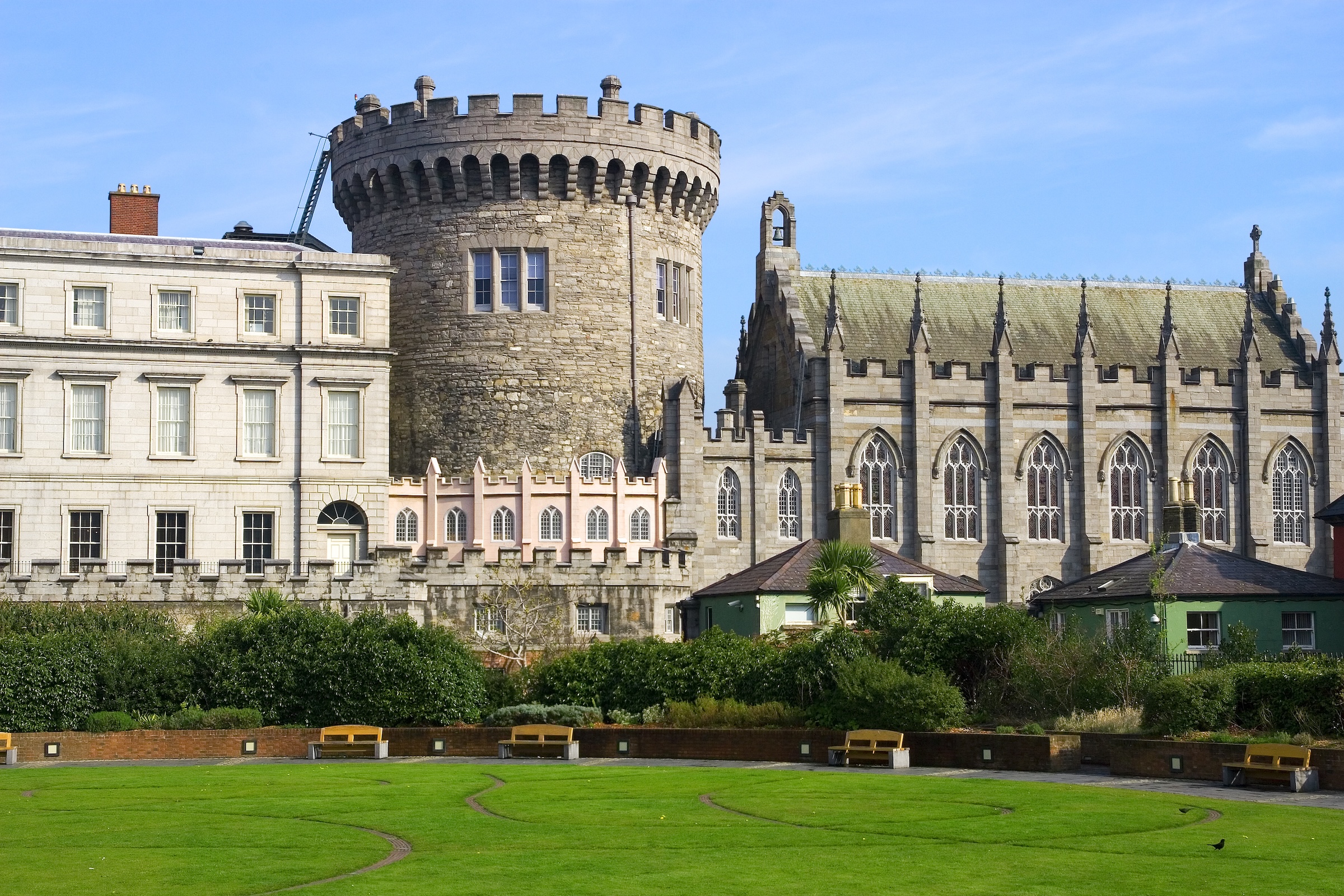
Dublin Castle, former seat of the British crown, spans 800 years from a Viking settlement to the State Apartments. Fully closed until 31 December 2026.
Chester Beatty Library
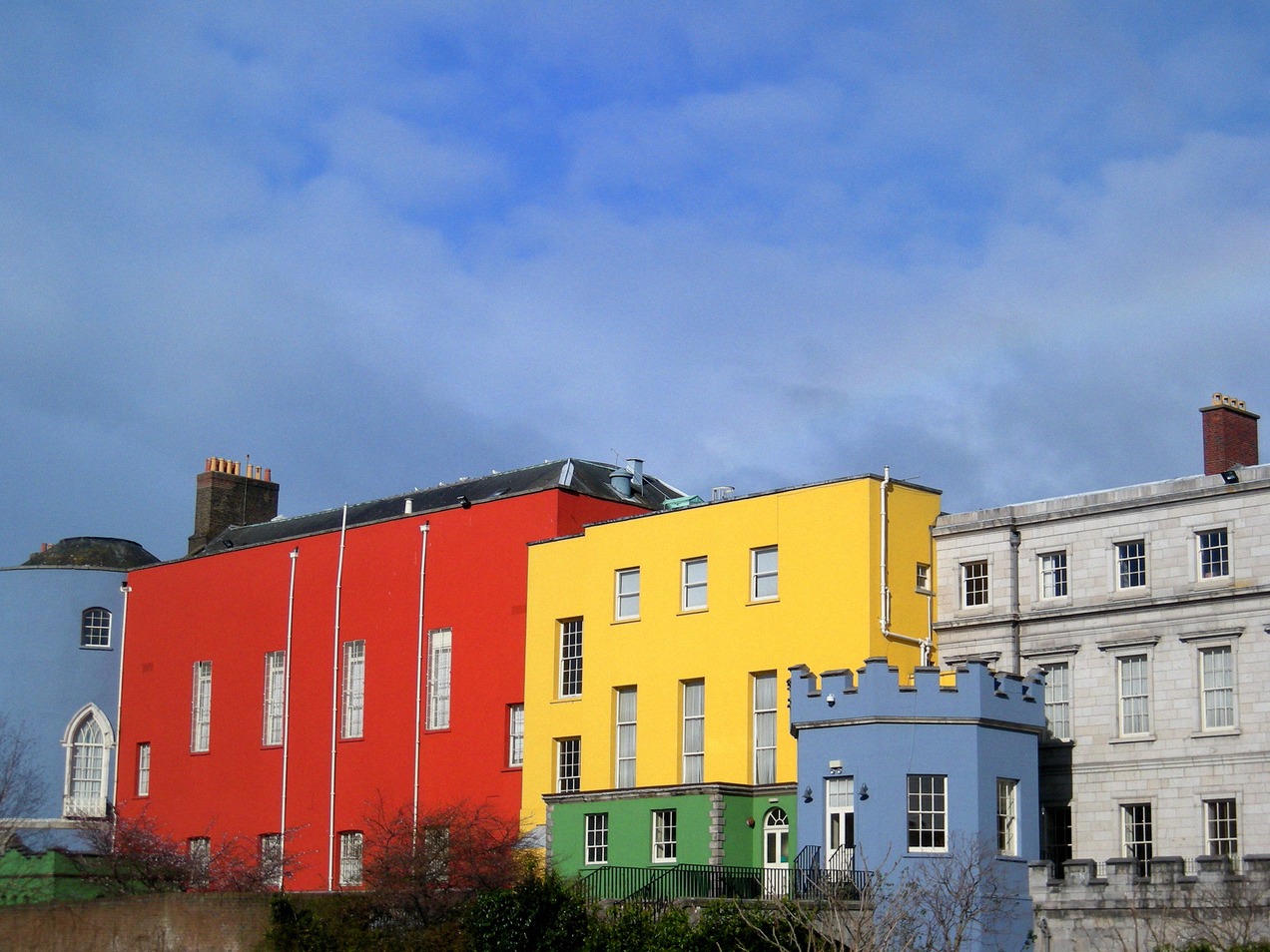
The Chester Beatty at Dublin Castle holds manuscripts, rare books and sacred art spanning 4,500 years, free admission. Closed 15 June to end of December 2026.
Christ Church Cathedral
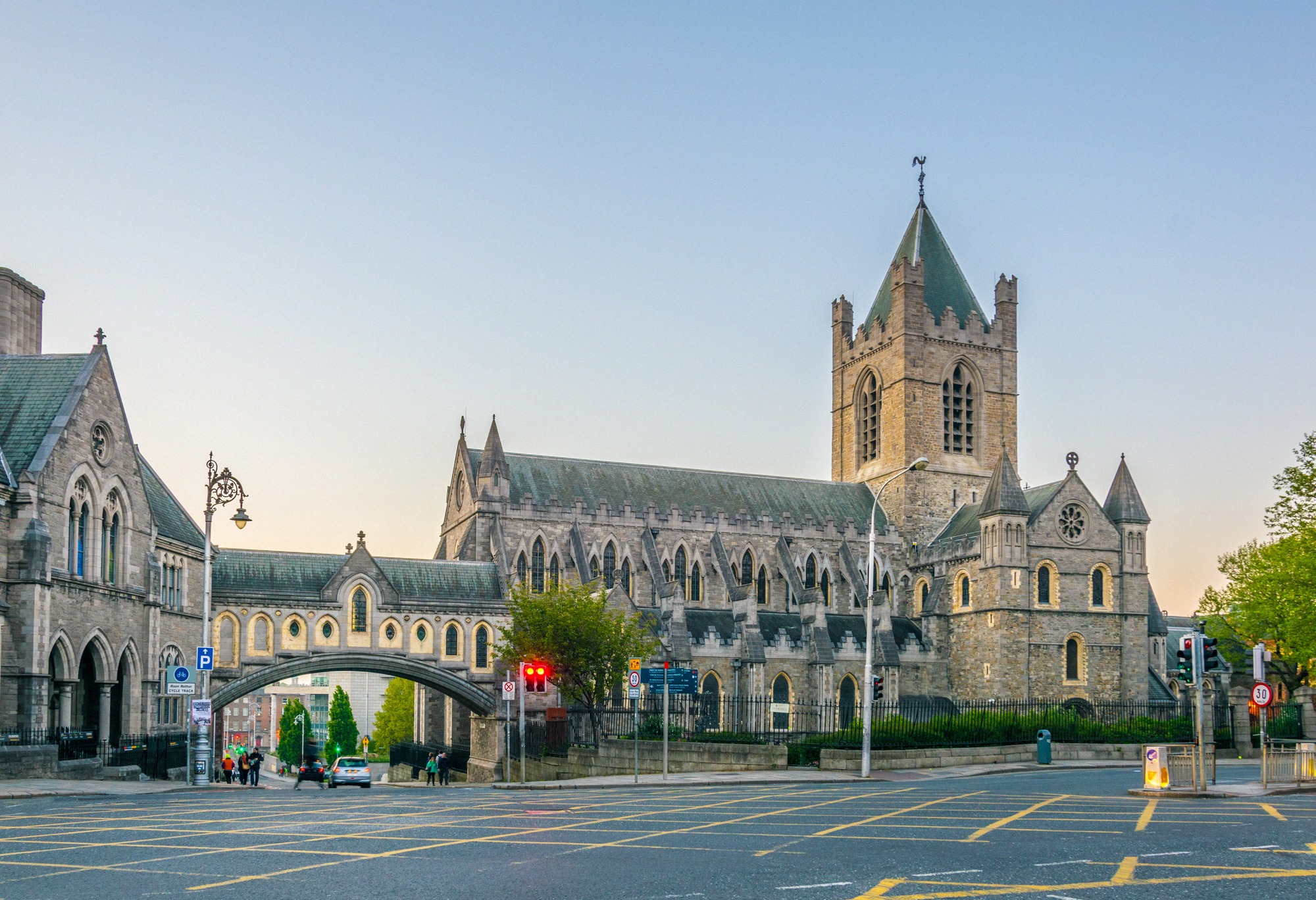
Christ Church Cathedral (Cathedral Church of the Holy Trinity) is Dublin's oldest building, home to Ireland's largest crypt, Strongbow's tomb and the mummified cats Tom and Jerry.
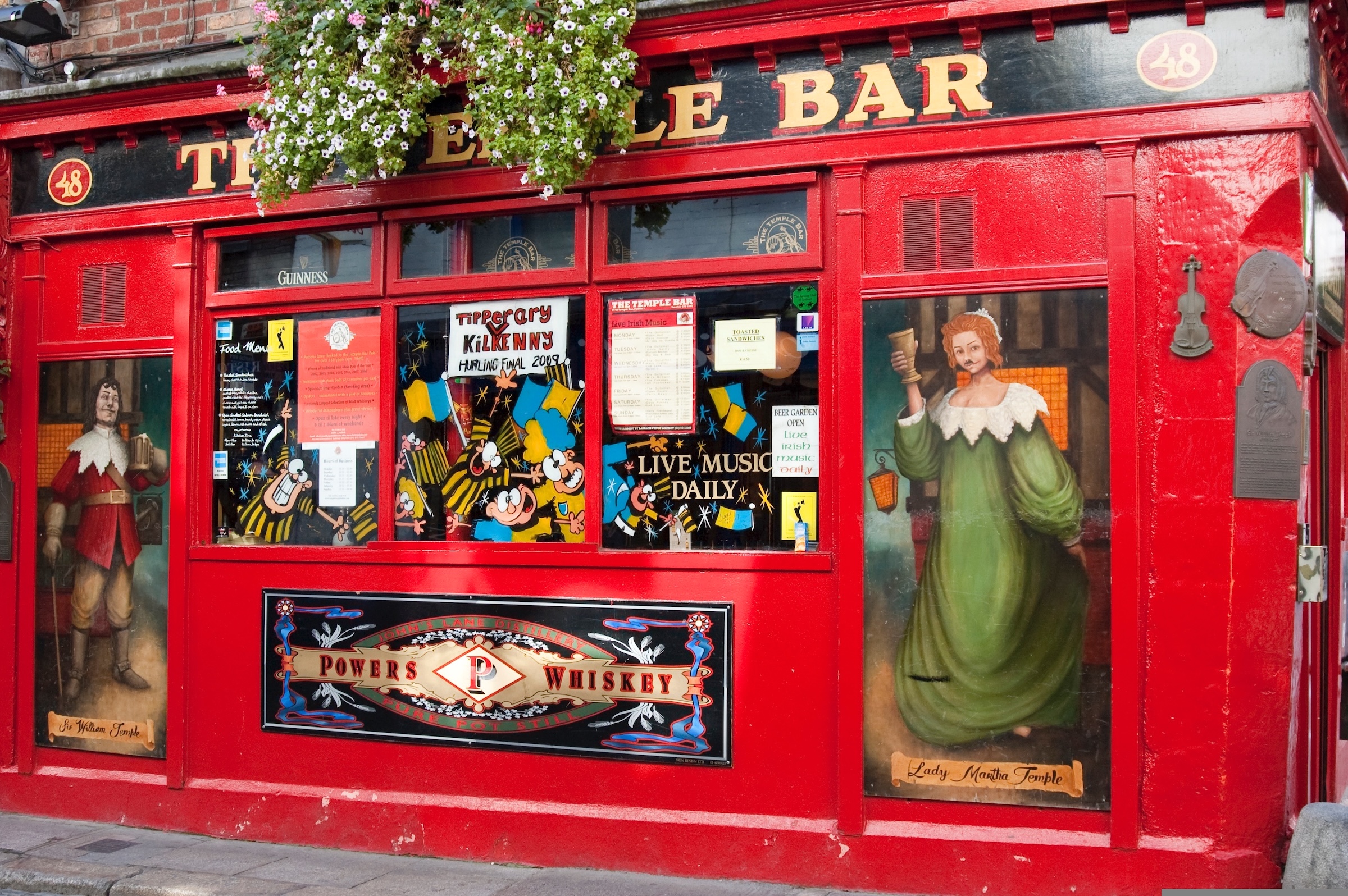
Temple Bar
Temple Bar is Dublin's entertainment quarter on the Liffey, with cobbled lanes, live-music pubs, galleries and the Wall of Fame. Free to enter.
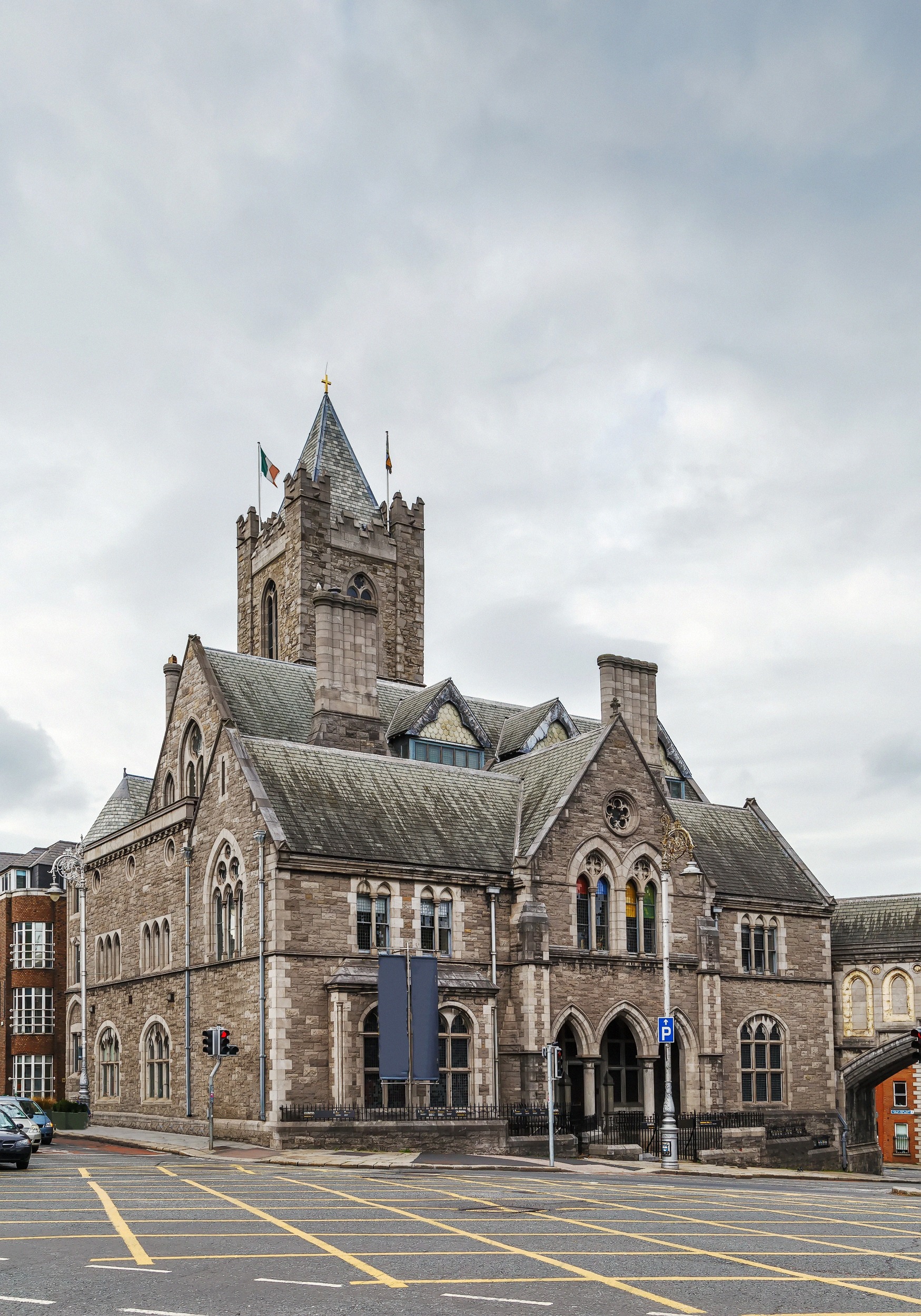
Dublinia
Hands-on Viking and medieval history next to Christ Church Cathedral. Living-history tours, interactive stations and a climb up St Michael's Tower.
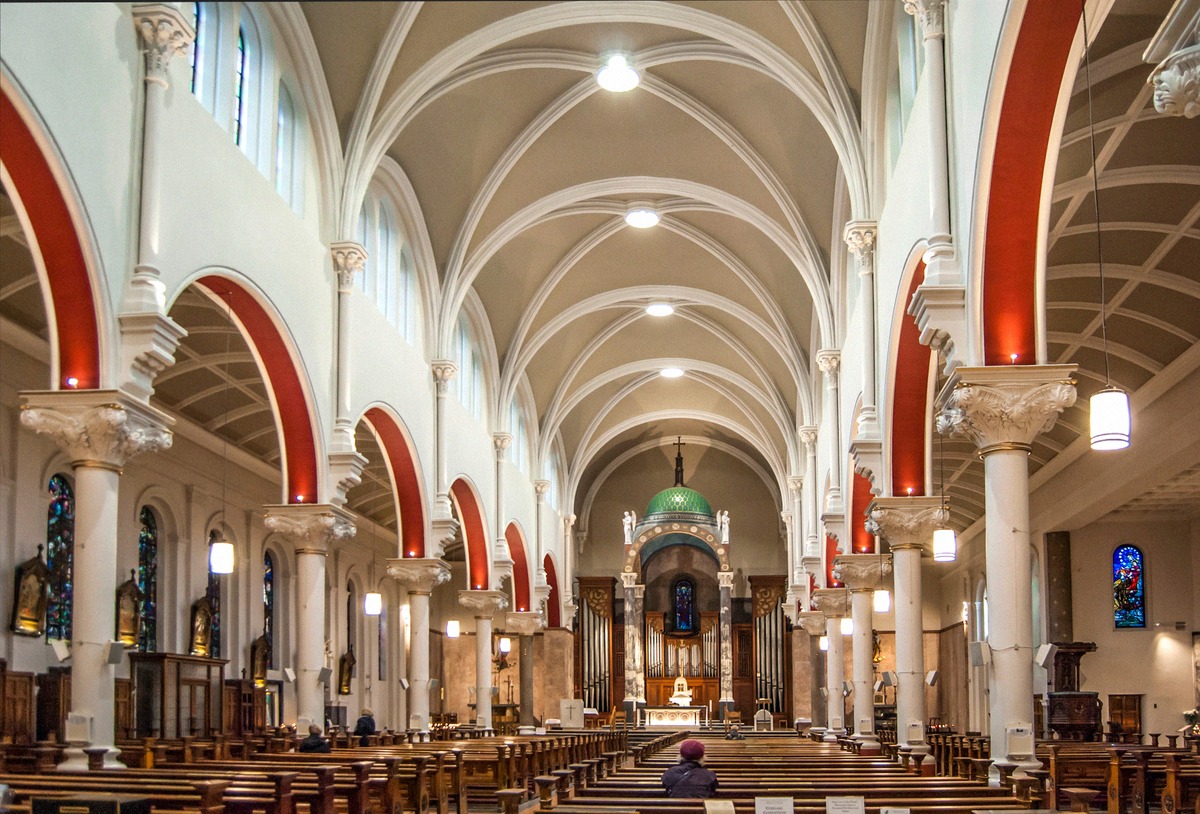
Whitefriar Street Church
The Church of Our Lady of Mount Carmel holds the relics of St Valentine and "Our Lady of Dublin", Ireland's oldest statue of Mary.