
Natural History Museum
Natural history museum on Merrion Street
The National Museum of Ireland - Natural History, Dublin's "Dead Zoo", has been closed for restoration since September 2024; see highlights instead at the "Dead Zoo Lab" in Collins Barracks.
Contents
Dublin's natural history museum carries a fitting nickname, the "Dead Zoo": a Victorian hall crammed with over 10,000 taxidermy, preserved and pickled animals. Right now, though, this unusual place can't be visited, the building on Merrion Street has been closed since 1 September 2024 for a full restoration. Anyone hoping for a taste of the collection in the meantime can find one at the "Dead Zoo Lab" in Collins Barracks.
Important: currently closed
The museum has been completely shut since 1 September 2024. The restoration covers the whole building: the roughly 10,000 remaining exhibits are being moved into storage (a "decant"), alongside survey and planning work. The project is led by the National Museum of Ireland together with the Office of Public Works, with design team Fitzgerald Kavanagh & Partners on board since June 2024.
The museum hasn't given an official reopening date, expect it to be several years away. The previous opening hours (Tue-Sat 10:00-17:00, Sun 14:00-17:00) no longer apply. Check the official website before planning a visit.
The alternative: the "Dead Zoo Lab"
While the main building is closed, the National Museum of Ireland is showing a selection of natural history pieces in a dedicated exhibition:
- Location: "Dead Zoo Lab" at the Museum of Decorative Arts and History, Collins Barracks, Benburb Street, Dublin 7, D07 XKV4.
- Opening hours: Tuesday to Friday, 09:00-17:00.
- Scope: around 1,300 objects on display at any one time.
- Admission: free. Individual visitors don't need to book; only groups should book in advance via [email protected].
It's no substitute for the famous galleries on Merrion Street, but it's the best chance to see part of the collection before the building reopens.
History: a museum about a museum
The building's charm lies in its age. It was constructed in 1856 and opened in August 1857, the first event was a conversazione on 27 August 1857 attended by around 1,500 guests, including the Earl of Carlisle. A few days later, on 31 August 1857, the African explorer Dr David Livingstone gave a lecture here; the popular claim that this was the "opening address" is broadly accurate, though it actually followed shortly after the first reception.
The interior has barely changed since, in 168 years, the Victorian display hall has stayed much as it was. That's exactly why it's often called a "museum of a museum": not just a collection, but a preserved piece of exhibition history in its own right.
What the collection shows
The galleries once displayed over 10,000 exhibits, a fraction of the roughly two million scientific specimens the museum holds overall. The ground floor was devoted to Irish wildlife, the first floor to mammals from around the world; the upper floors, with their galleries and balconies, were among the most striking parts of the building.
Even before the closure, accessibility was limited: only the ground floor, with Irish wildlife, the Discovery Zone, the shop and an accessible toilet, was wheelchair-friendly. There was no lift to the first floor, it could only be reached by stairs. Removing exactly these barriers, stairs, the lack of a lift, the balconies, is one of the stated goals of the current restoration.
Location and neighbourhood
The museum stands on Merrion Street in Dublin's Georgian south side, right on Leinster Lawn. The official address is Natural History, Merrion Street, Dublin 2, D02 F627 (tel. +353 1 677 7444). Even with the building closed, the surrounding streets are worth a walk, several of the city's most important addresses sit close together here:
- Directly opposite, across Leinster Lawn, stands the National Gallery of Ireland as its architectural counterpart.
- Between the two sits Leinster House, seat of the Irish parliament, flanked by the Government Buildings.
- One street over on Kildare Street are the National Library and the archaeology branch of the National Museum.
- For the full sweep of Dublin's museum scene, including galleries and the art world, see the guide to Museums in Dublin.
Frequently asked questions
Can I visit the Natural History Museum at the moment? +
What is the "Dead Zoo Lab"? +
Does it cost anything to get in? +
Why is the museum nicknamed the "Dead Zoo"? +
Nearby
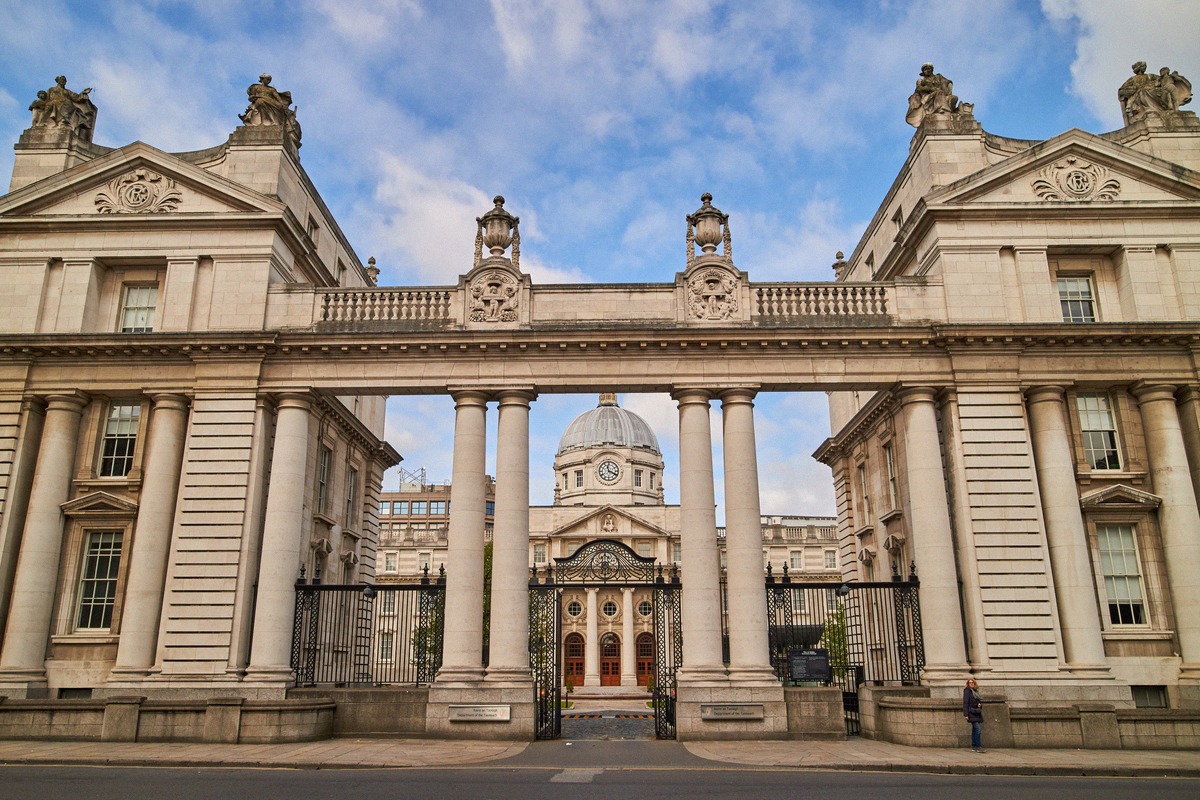
Leinster House
Leinster House on Kildare Street is home to the Irish Parliament, where the Dáil and Seanad sit. Tours run only via a TD or Senator, plus a free 3D tour.
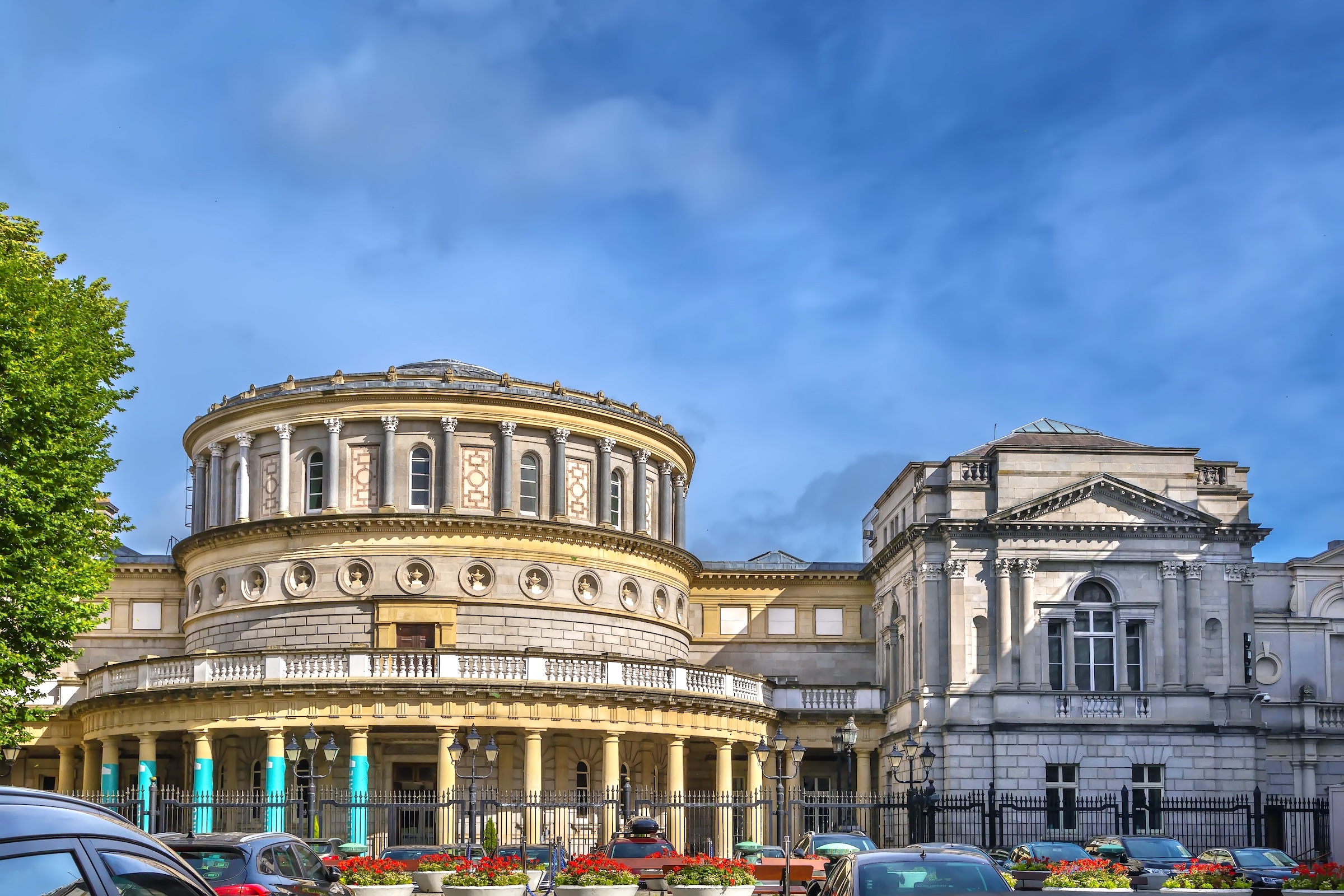
National Library of Ireland
The National Library of Ireland on Kildare Street is free. Yeats and Heaney exhibitions, Irish parish registers online, and free genealogy help.
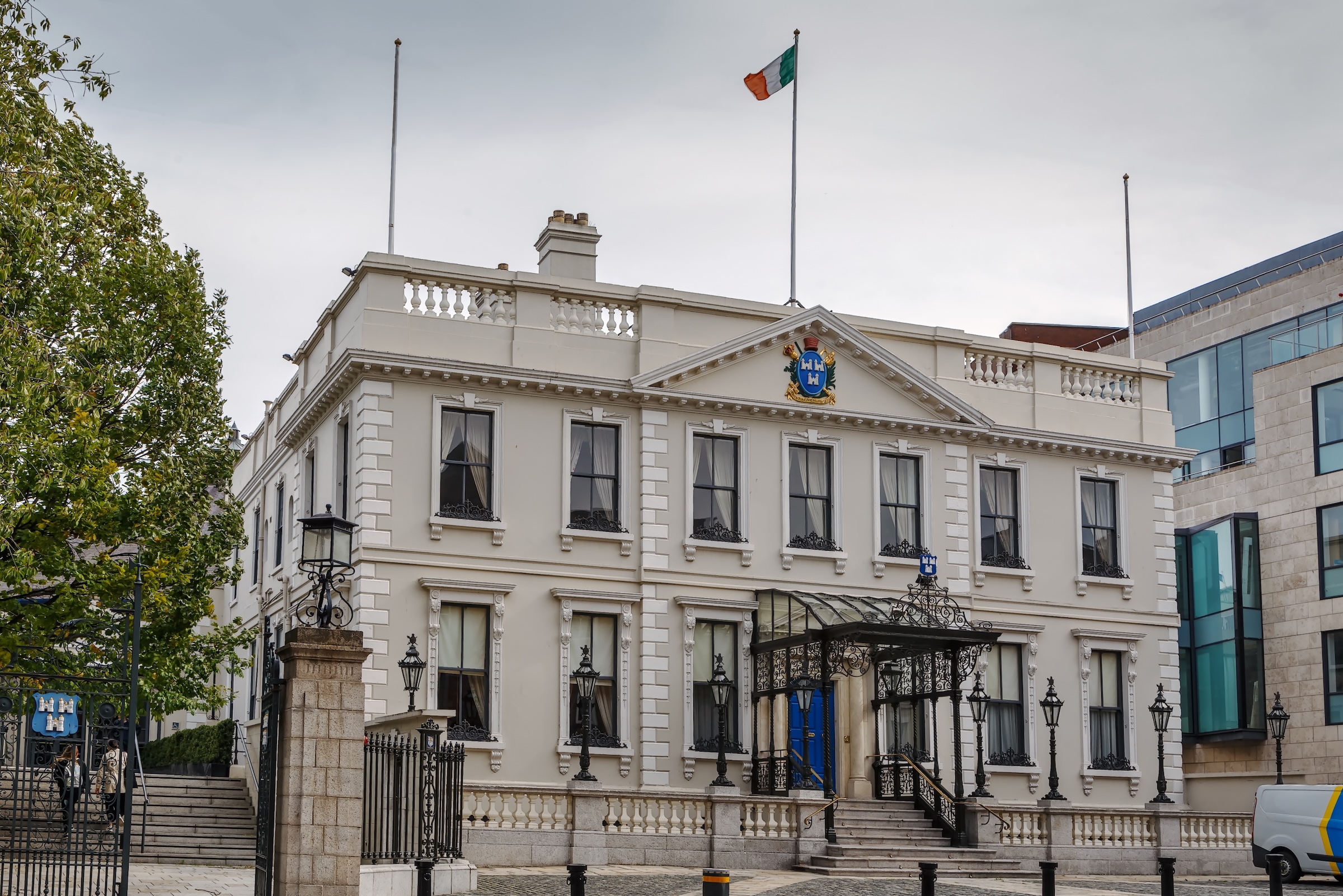
Mansion House
Dublin's Mansion House has been the Lord Mayor's residence since 1715 and the site of the 1919 Declaration of Independence. Visits only on special occasions.
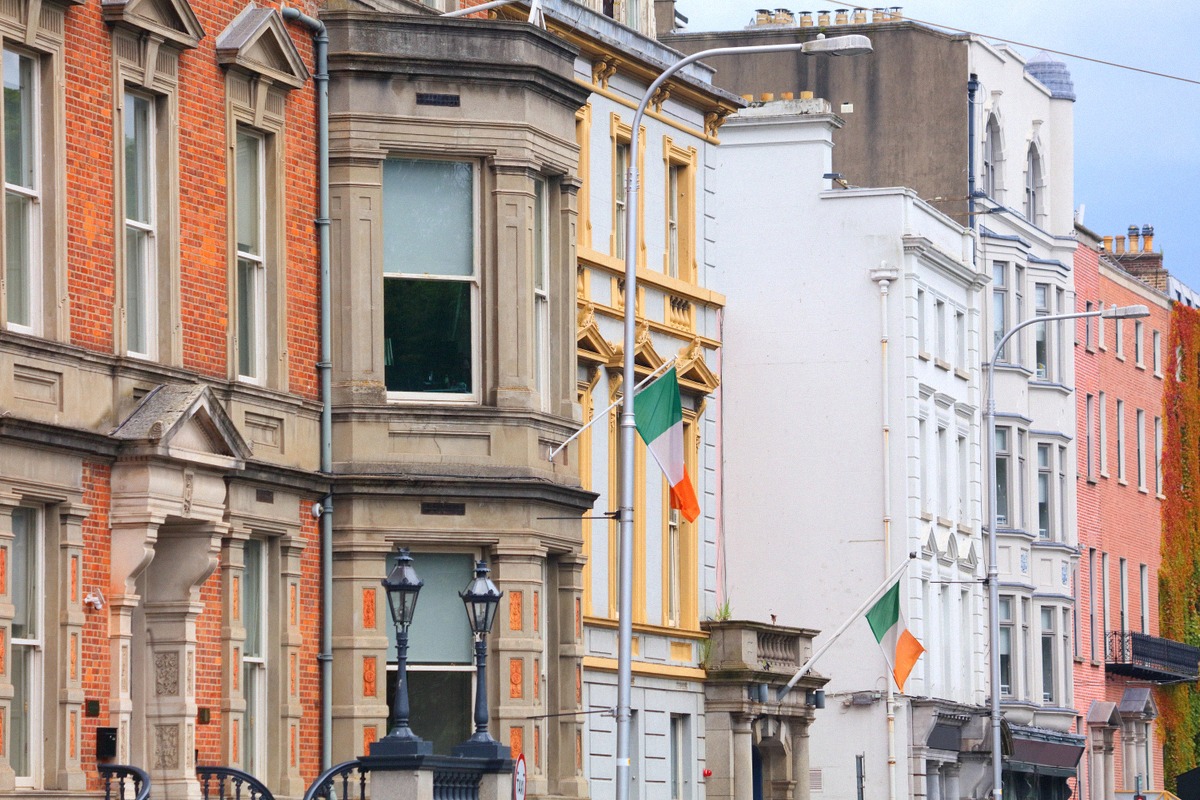
Little Museum
The Little Museum of Dublin on St Stephen's Green tells the story of the city's 20th century in a lively half-hour guided tour.
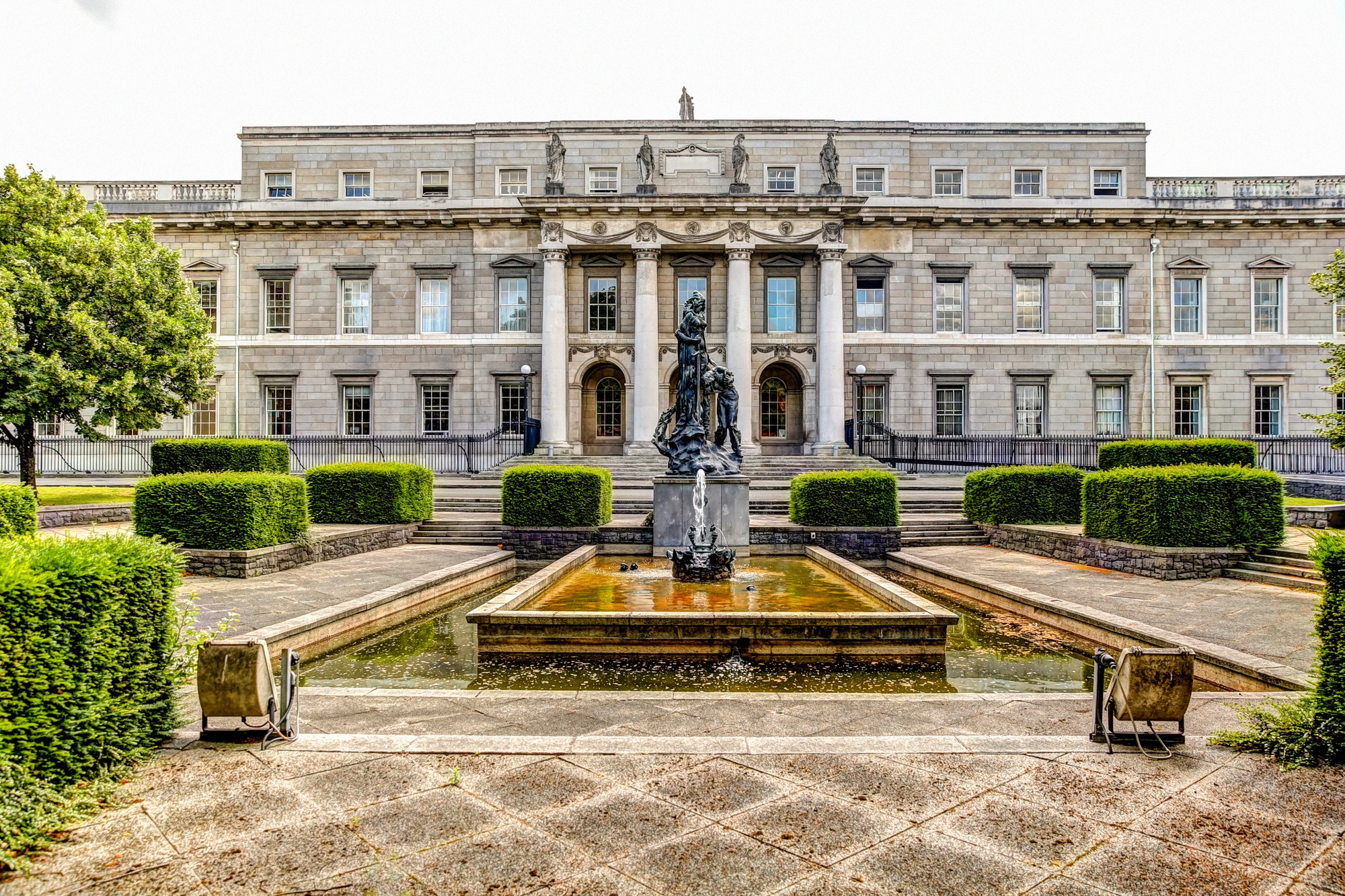
Government Buildings
Ireland's Government Buildings on Upper Merrion Street open for free guided tours on Saturdays. Everything on tickets and getting there.
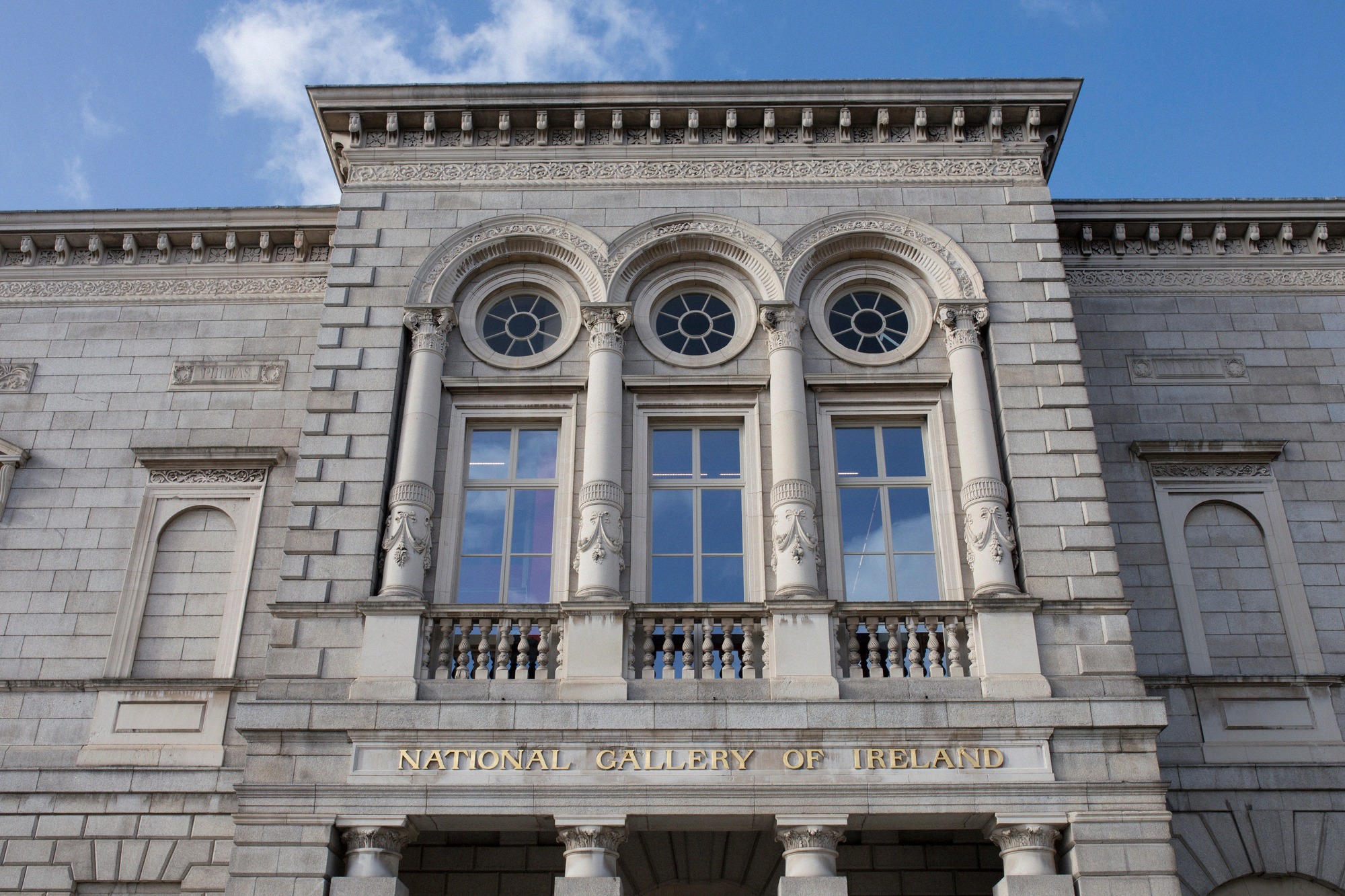
National Gallery of Ireland
Ireland's National Gallery on Merrion Square shows Caravaggio, Vermeer and Jack B. Yeats, free admission. Opening hours, access and tips for your visit.