
Leinster House
Home of the Irish Parliament (the Oireachtas)
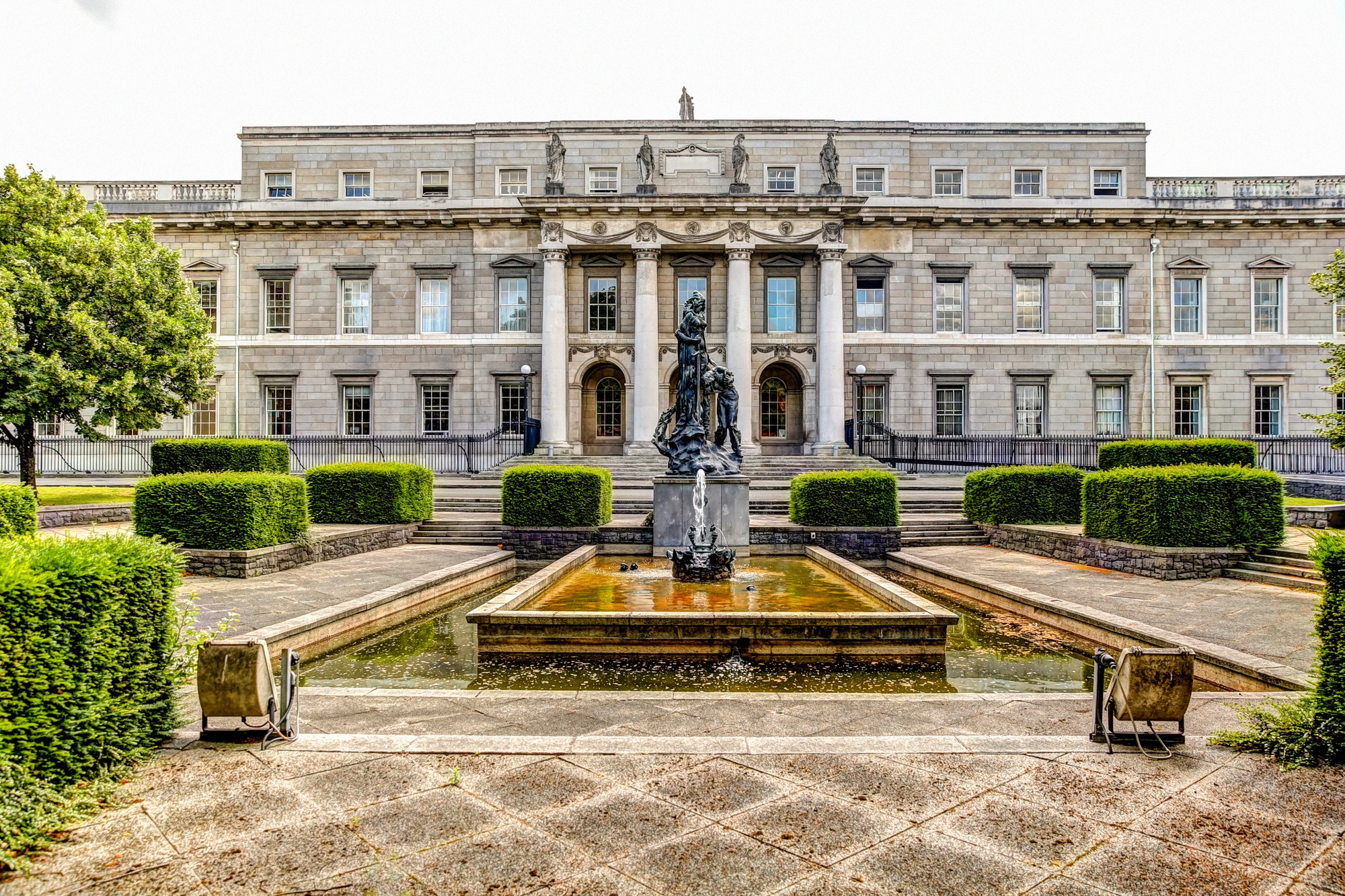
Leinster House on Kildare Street is home to the Irish Parliament, where the Dáil and Seanad sit. Tours run only via a TD or Senator, plus a free 3D tour.
Contents
Leinster House is home to the Irish Parliament: both chambers of the Oireachtas sit here, the Dáil Éireann (House of Representatives) and the Seanad Éireann (Senate). If you're looking for "the Irish parliament" in Dublin, this is the building - on Kildare Street between the National Library and the Natural History Museum - not the historic Parliament House at College Green, now a Bank of Ireland branch. Leinster House is also one of the finest examples of Irish Palladian architecture. You can't just walk in, though: tours run only via referral from a member of parliament. For flexibility, there are two free alternatives, the virtual 3D tour, available at any time, and the public tours held during Open House Dublin each October.
History and architecture
Richard Cassels, also known in Ireland as Richard Castle, designed the building in 1745 as Kildare House for the 20th Earl of Kildare. Cassels created a Palladian townhouse: the west facade facing Kildare Street resembles a Georgian mansion with a columned portico and triangular pediment, while the east side facing Merrion Square, with its bow window, looks more like a country house. When the Earl was elevated to 1st Duke of Leinster in 1766, the estate took on its current name.
Leinster House is best known as the architectural model for the White House. Architect James Hoban studied at the Dublin Society's Drawing School, where he won the Duke of Leinster medal in 1780. For his design of the American president's residence, he adopted several characteristic elements: the triangular pediment with four columns, the three windows beneath it, and the alternating triangular and segmental pediments above the windows. Place the two facades side by side and the resemblance is unmistakable.
From aristocratic residence to parliament
After decades as an aristocratic residence and later as headquarters of the Royal Dublin Society, Leinster House became the heart of the young Irish democracy. The parliament of the new state has sat here since 1922, and the building has belonged to the Irish state since 1924. It houses both chambers of the Oireachtas: Dáil Éireann (the House of Representatives) and Seanad Éireann (the Senate). It's where Irish politics actually happens, not a mere ceremonial museum. On sitting days, the building is correspondingly busy.
How to get in
Regular tours are currently limited to visitors referred by a TD (Teachta Dála, member of parliament) or Senator. There are no public walk-up tours. For most international visitors this is only realistically possible with a personal contact among Ireland's elected representatives, so in practice it's very much the exception.
There are two free routes that need no referral:
- Virtual 3D tour: available at any time and free on oireachtas.ie, bilingual, no ticket needed. It takes you through both chambers and the ceremonial rooms, and is a genuine alternative when an in-person visit isn't possible.
- Open House Dublin (October): the Oireachtas opens annually for free public tours of the Dáil and Seanad chambers. Tickets are booked in advance for free via Eventbrite (maximum 4 per booking), offered in English, Irish and Irish Sign Language (ISL). This is the most reliable chance to see the interior without a political contact.
A physical tour typically runs around 30-40 minutes. If you don't have a tour slot, it's still worth a look at the building: viewing the facade from Kildare Street takes just 10-15 minutes.
Visiting and practicalities
Entrance is via Kildare Street only, through the gate and inner courtyard (the Plinth). Here's what to know:
- ID: photo ID is required, passport, driving licence or Public Services Card.
- Security: all visitors go through a check with a bag X-ray and a metal detector gate. Allow some extra time for this.
- Accessibility: the complex is wheelchair accessible and accredited as autism-friendly by AsIAm; Sensory Support Kits and a Sensory Map are available at reception.
- ISL: sign language interpreting can be requested in advance at [email protected].
- Cost: the visit and all tours are free, including Open House. The virtual tour is free too.
On sitting days, it's worth stopping by the gate on Kildare Street: Irish politicians regularly give television interviews there, free to watch with no booking required.
Getting there and nearby
Leinster House sits in the heart of Georgian south Dublin. The nearest Luas stop is Dawson (Green Line), about 10-12 minutes on foot; Dublin Pearse station is around 9 minutes away. Numerous Dublin Bus routes stop at Kildare Street, Nassau Street and St Stephen's Green. There's no dedicated tourist parking, so it's best to arrive on foot or by public transport. More in the Public Transport guide.
The location makes it easy to combine with other sights: right next door is the National Library, opposite the gate the Natural History Museum, and a few steps further St Stephen's Green and Trinity College. The state's sister address, Government Buildings, also pairs well. The wider arc of Ireland's independence history is covered in the Dublin History guide; for day-planning ideas, see the Attractions overview.
Frequently asked questions
Can I just visit Leinster House? +
How much does it cost to visit Leinster House? +
What do I need to bring for the visit? +
Is Leinster House accessible? +
Where does the Irish Parliament sit? +
Why is Leinster House historically significant? +
Nearby
Natural History Museum
The National Museum of Ireland - Natural History, Dublin's "Dead Zoo", has been closed for restoration since September 2024; see highlights instead at the "Dead Zoo Lab" in Collins Barracks.
National Library of Ireland
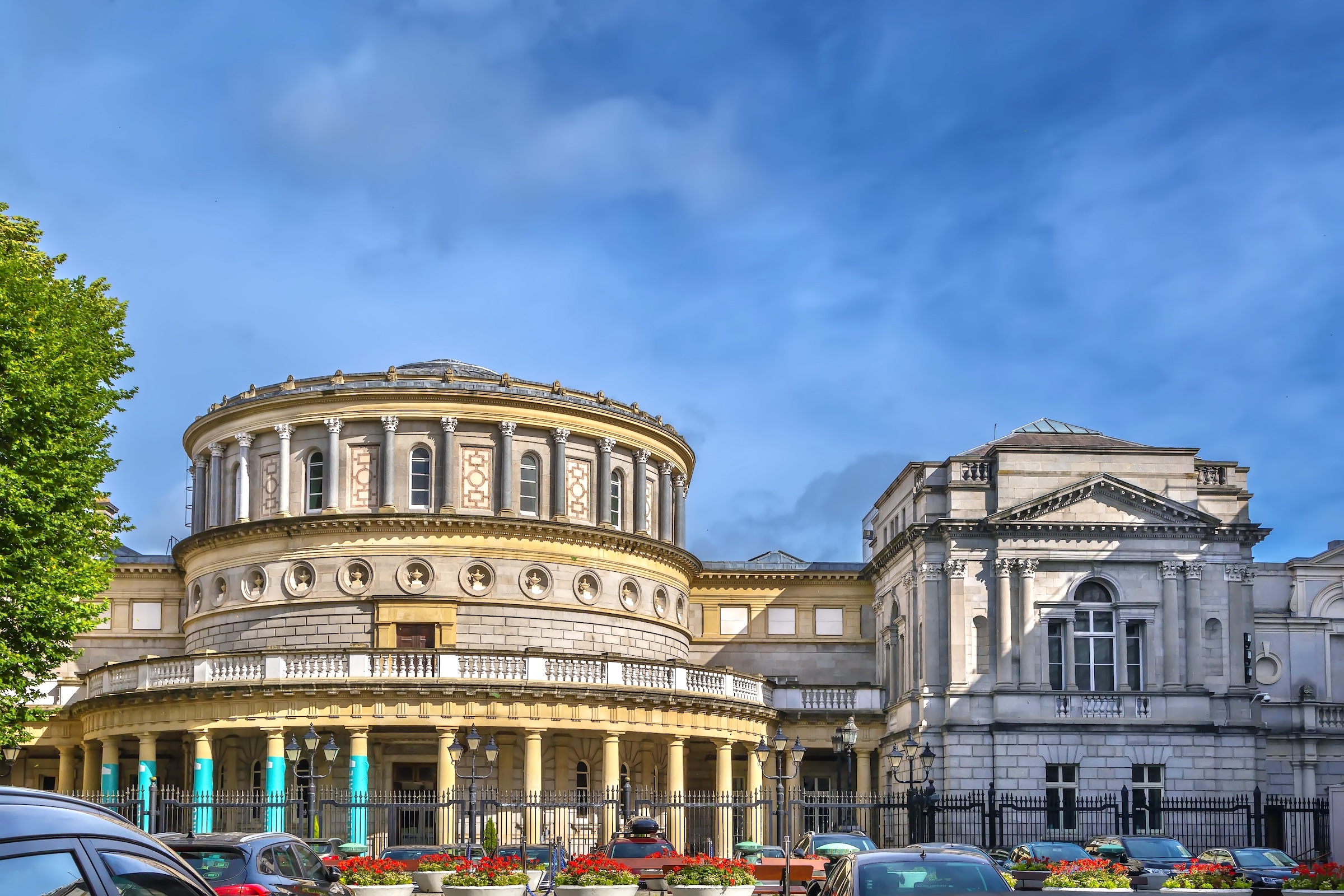
The National Library of Ireland on Kildare Street is free. Yeats and Heaney exhibitions, Irish parish registers online, and free genealogy help.
Government Buildings
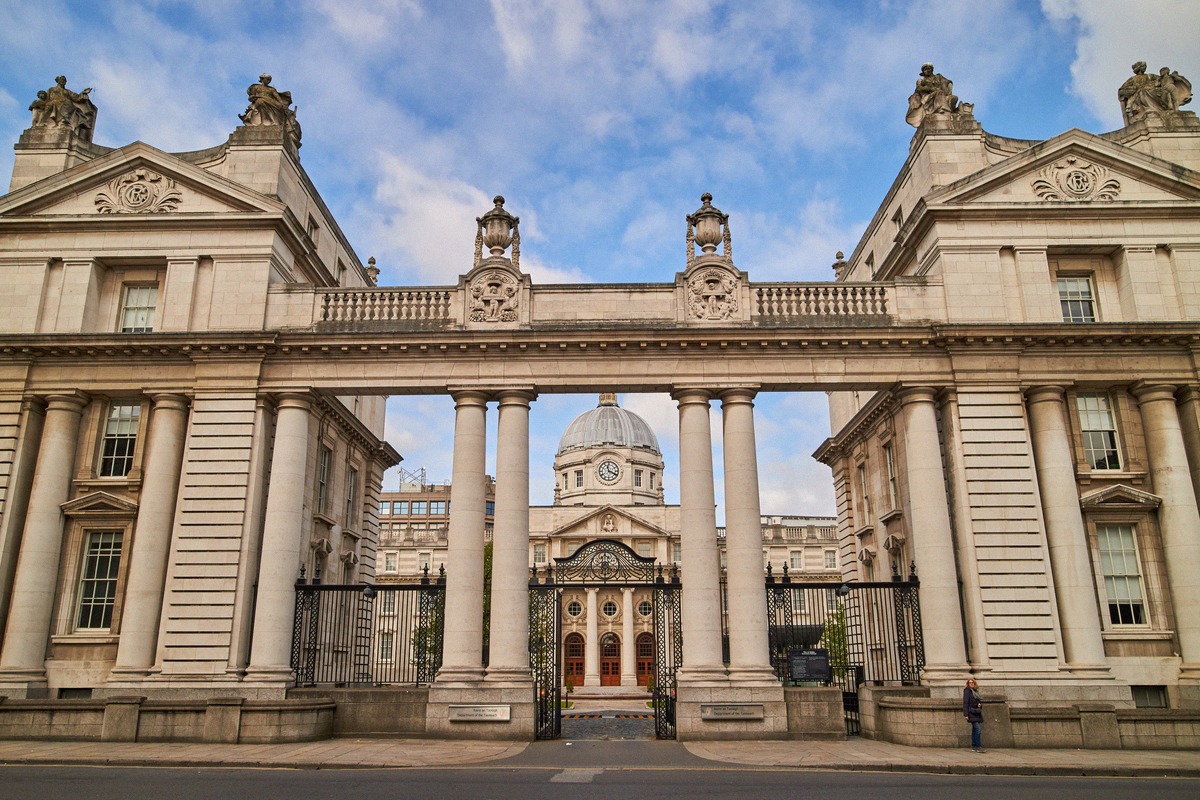
Ireland's Government Buildings on Upper Merrion Street open for free guided tours on Saturdays. Everything on tickets and getting there.
National Gallery of Ireland
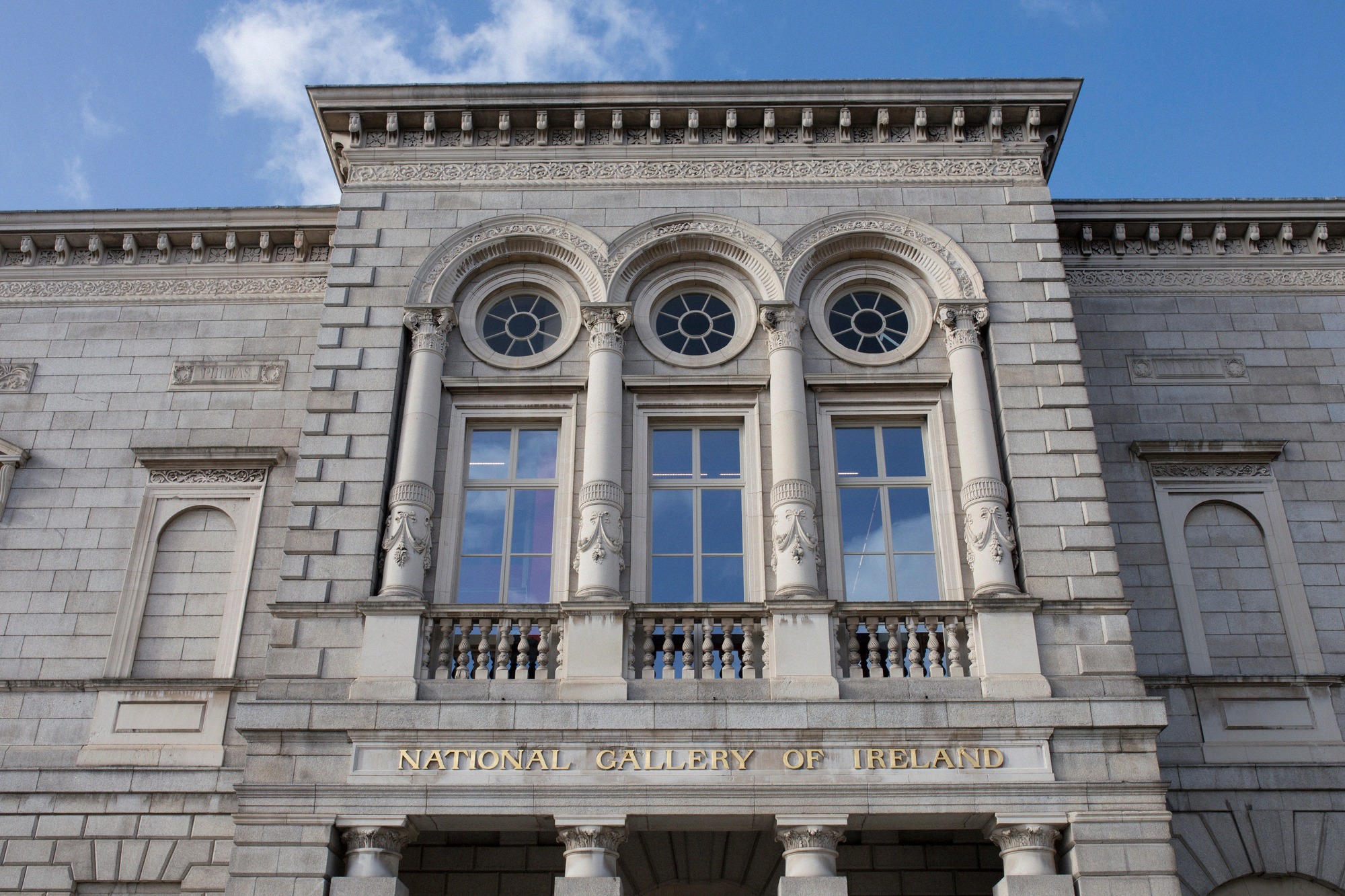
Ireland's National Gallery on Merrion Square shows Caravaggio, Vermeer and Jack B. Yeats, free admission. Opening hours, access and tips for your visit.
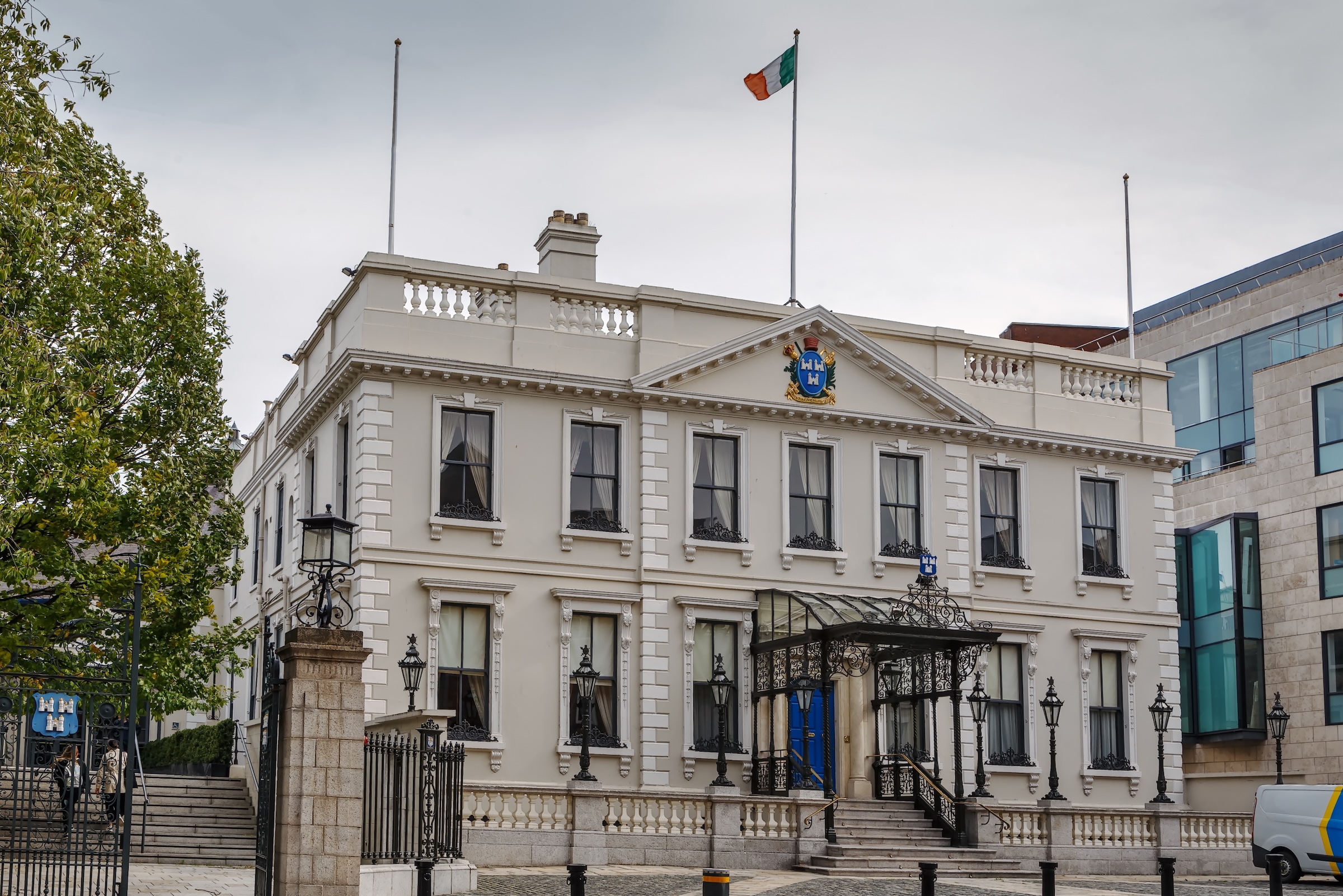
Mansion House
Dublin's Mansion House has been the Lord Mayor's residence since 1715 and the site of the 1919 Declaration of Independence. Visits only on special occasions.
Little Museum
The Little Museum of Dublin on St Stephen's Green tells the story of the city's 20th century in a lively half-hour guided tour.