
Mansion House
Ireland's oldest mayoral residence
Dublin's Mansion House has been the Lord Mayor's residence since 1715 and the site of the 1919 Declaration of Independence. Visits only on special occasions.
Contents
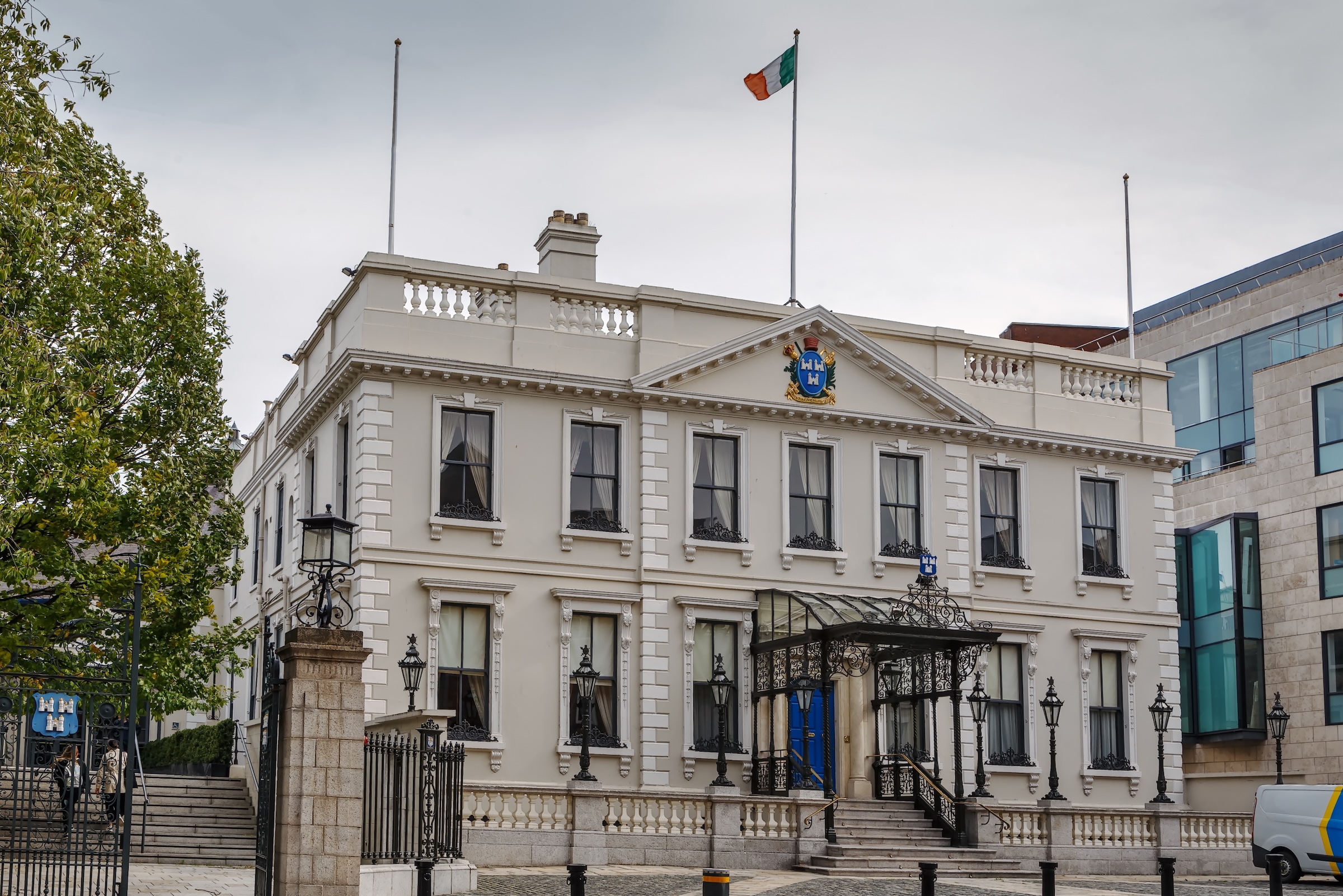
The Mansion House on Dawson Street is one of Dublin's most historically significant buildings, the Lord Mayor's official residence for over 300 years and the setting for key events in Ireland's fight for independence. Unlike the city's other grand houses, though, it isn't a museum but a lived-in official residence: you can only see the inside on a handful of special occasions each year, though the facade is visible at any time.
History and architecture
The merchant and property developer Joshua Dawson had the house built from 1710 on what was then marshy ground east of the medieval city walls. The building formed the centrepiece of the street he laid out and named after himself, Dawson Street. On 18 May 1715, Dawson sold the house to Dublin Corporation for £3,500. Part of the sale conditions was that he add a reception room, the Oak Room that survives today, with its original oak panelling.
That made it Ireland's first official mayoral residence - 15 years before London got one. The Mansion House is also Dublin's oldest freestanding house and remains the country's only surviving mayoral residence. Its current stucco facade dates from a refronting in 1851; the cast-iron porch was added in 1886 by city architect Daniel J. Freeman.
The Round Room
The circular ballroom was built in just six weeks in 1821 to plans by the architect John Semple, for the state visit of King George IV. The room measures around 27 metres (90 feet) across. Semple took his cues from the exotic Hindu-Gothic style of the Royal Pavilion in Brighton.
The Round Room gained historical significance as the meeting place of the first Irish parliament (Dáil Éireann) on 21 January 1919, where the Declaration of Independence was proclaimed. In December 1921, the debates on the Anglo-Irish Treaty that ended the War of Independence were held here. Today the Round Room is used commercially as a venue for conferences and galas, and isn't open to tourists on a regular basis.
What to expect
The Mansion House isn't a regular attraction you can just walk into, it's the working home of the sitting Lord Mayor. Interior access is limited to a few fixed occasions:
- Culture Night: a self-guided walk through the Oak Room, Drawing Room, Dining Room and Lady Mayoress Parlour. Free, no booking, staff on hand. In 2026: Friday, 18 September, 17:00 to 21:30.
- Open House Dublin: guided tours as part of the city-wide architecture festival, also free. In 2026: Saturday 10 to Sunday 18 October. Advance booking for the pre-book tours opens in September.
- Group tours: by request via email to the Office of the Lord Mayor; every request is put to the Lord Mayor personally. Fixed group sizes, duration or fees aren't published.
The official phone number for the Office of the Lord Mayor is +353 1 222 6200; there's no dedicated tour-booking line.
Outside, the restaurant, and Christmas
Even without interior access, it's worth a look. The facade on Dawson Street, between Trinity College and St Stephen's Green, can be seen at any time. Every Christmas season, the Live Animal Crib, a nativity scene with live animals, is set up outside.
If you'd rather not wait for a special occasion, there is one way in: FIRE Steakhouse & Bar, converted from the former Supper Room in 2005, serves food inside the building. The restaurant is independently accessible - Monday to Friday from 17:00, Saturday and Sunday from 13:00, reservations via firesteakhouse.ie. The address is Mansion House, Dawson Street, D02 XK40.
Visiting: what to know
The Mansion House is best planned as a short stop on a walk through Georgian Dublin, the exterior view takes about five minutes. To see inside, time your visit around Culture Night (third week of September) or Open House Dublin (mid-October); these are the only occasions with free access. Since the dates vary from year to year, it's worth checking the official websites before you travel.
The Mansion House sits centrally on Dawson Street. The Luas stop St Stephen's Green (Green Line) is about a 3-minute walk away; for more on getting around, see the public transport guide. Just a few steps away are Trinity College, St Stephen's Green, Leinster House and the National Gallery. For how the events of 1919 fit into the wider fight for independence, see the Dublin history guide.
Frequently asked questions
Can I visit the inside of the Mansion House? +
How much does it cost to visit? +
When is Culture Night 2026? +
What is the Mansion House's historical significance? +
How do I get to the Mansion House? +
Nearby
Little Museum
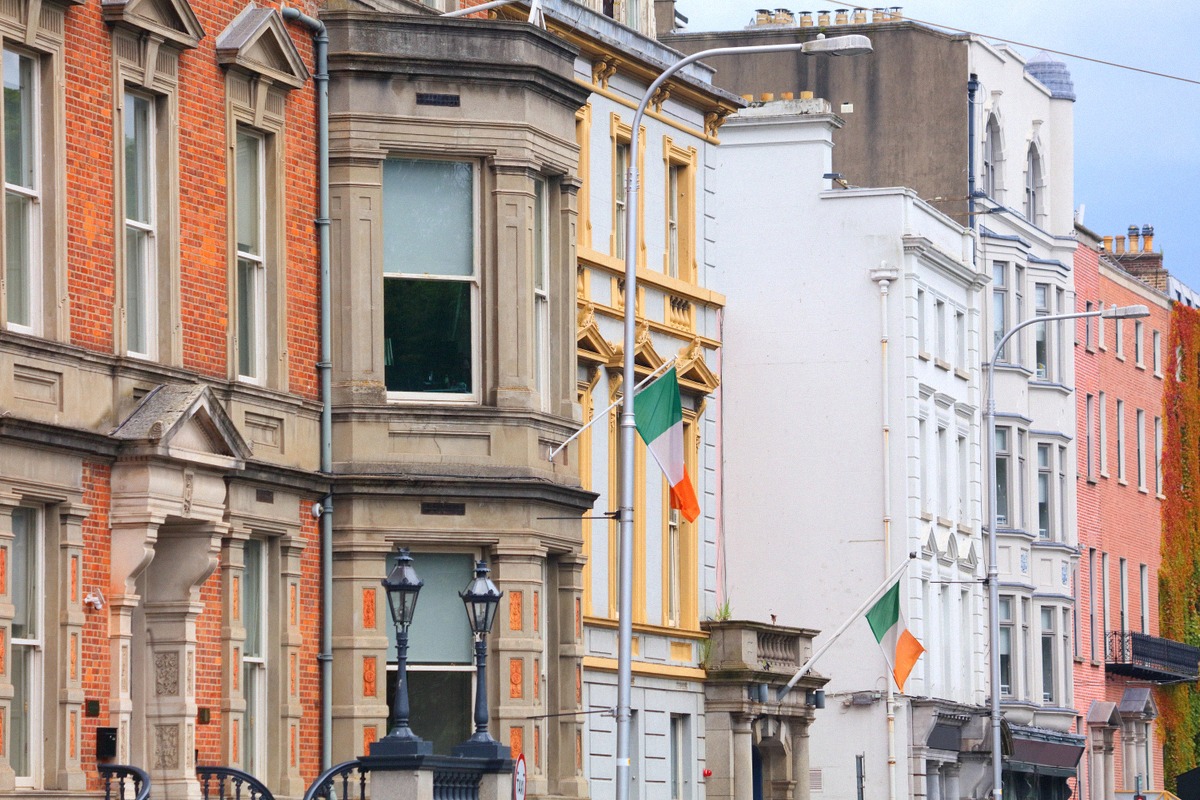
The Little Museum of Dublin on St Stephen's Green tells the story of the city's 20th century in a lively half-hour guided tour.
Natural History Museum
The National Museum of Ireland - Natural History, Dublin's "Dead Zoo", has been closed for restoration since September 2024; see highlights instead at the "Dead Zoo Lab" in Collins Barracks.
Leinster House
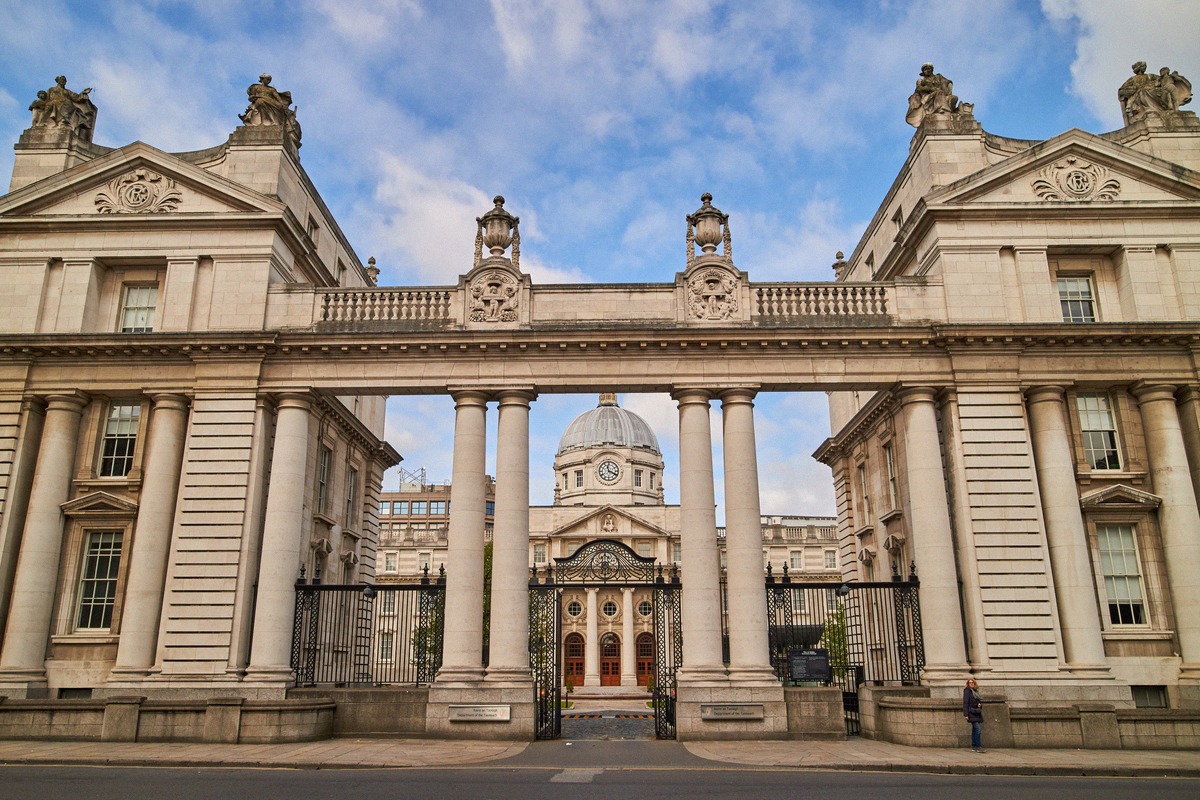
Leinster House on Kildare Street is home to the Irish Parliament, where the Dáil and Seanad sit. Tours run only via a TD or Senator, plus a free 3D tour.
National Library of Ireland
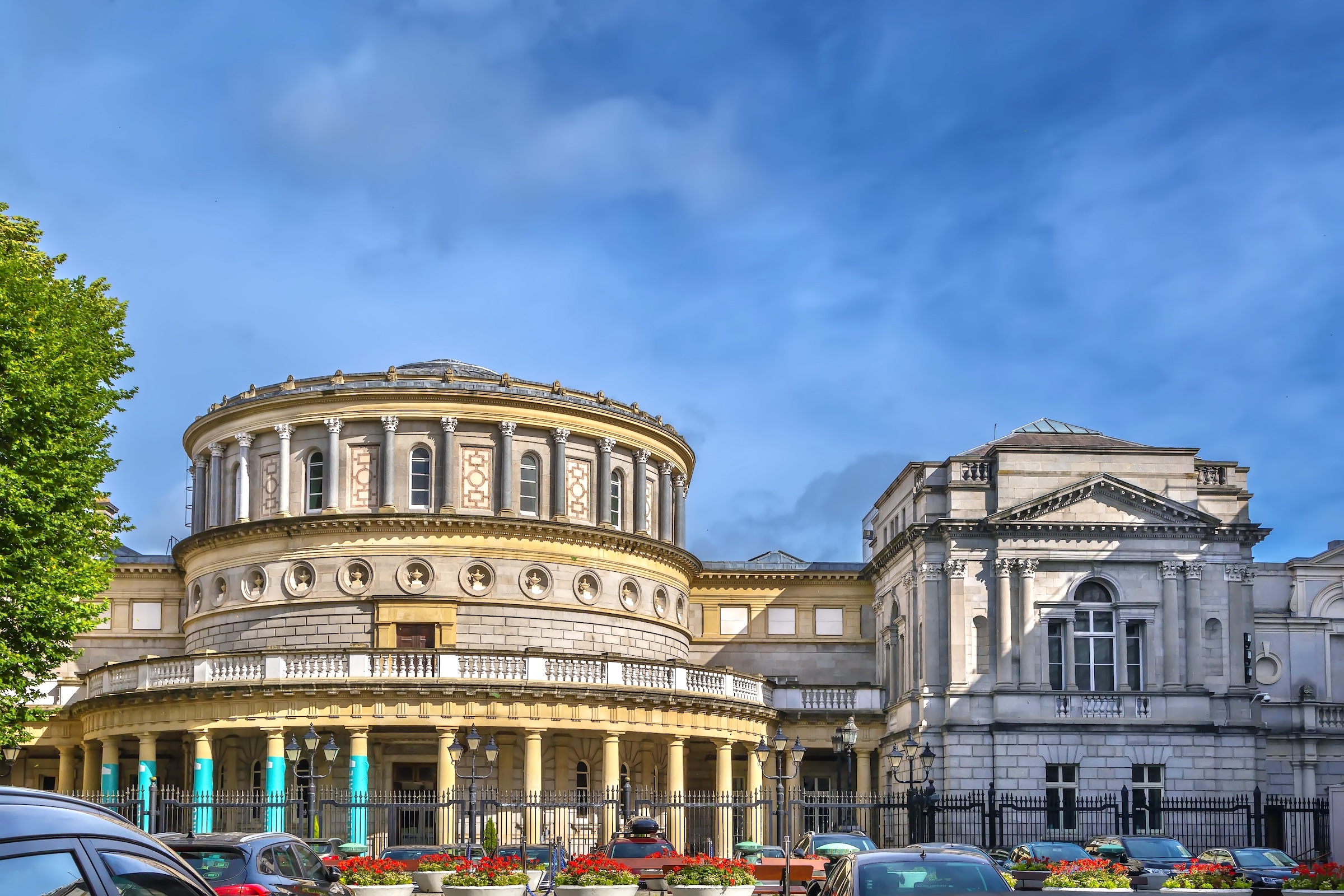
The National Library of Ireland on Kildare Street is free. Yeats and Heaney exhibitions, Irish parish registers online, and free genealogy help.
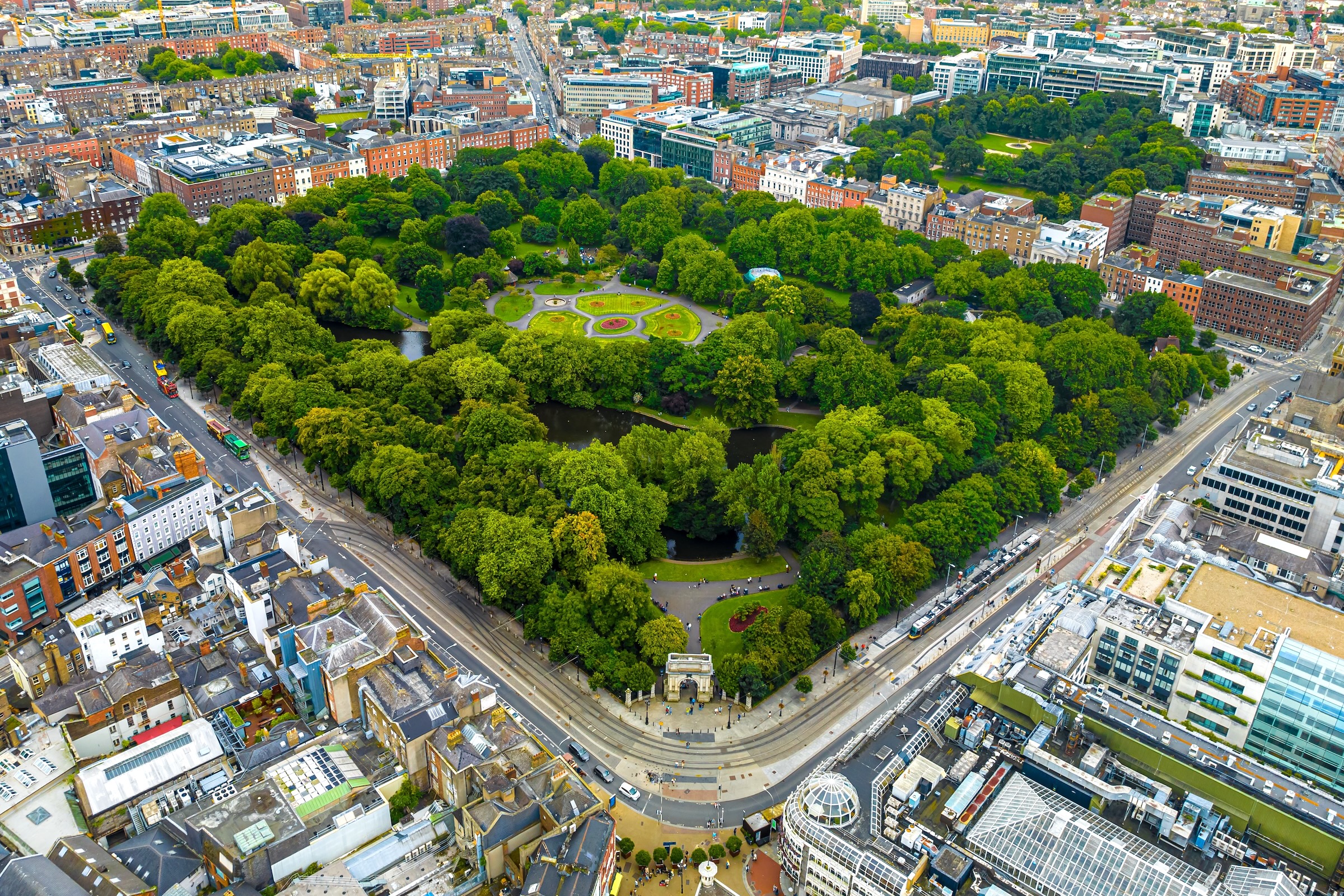
St Stephen’s Green
Dublin's central park at the end of Grafton Street, laid out in Victorian style, with an ornamental lake, over 750 trees, an open-air sculpture garden and traces of the 1916 Easter Rising.
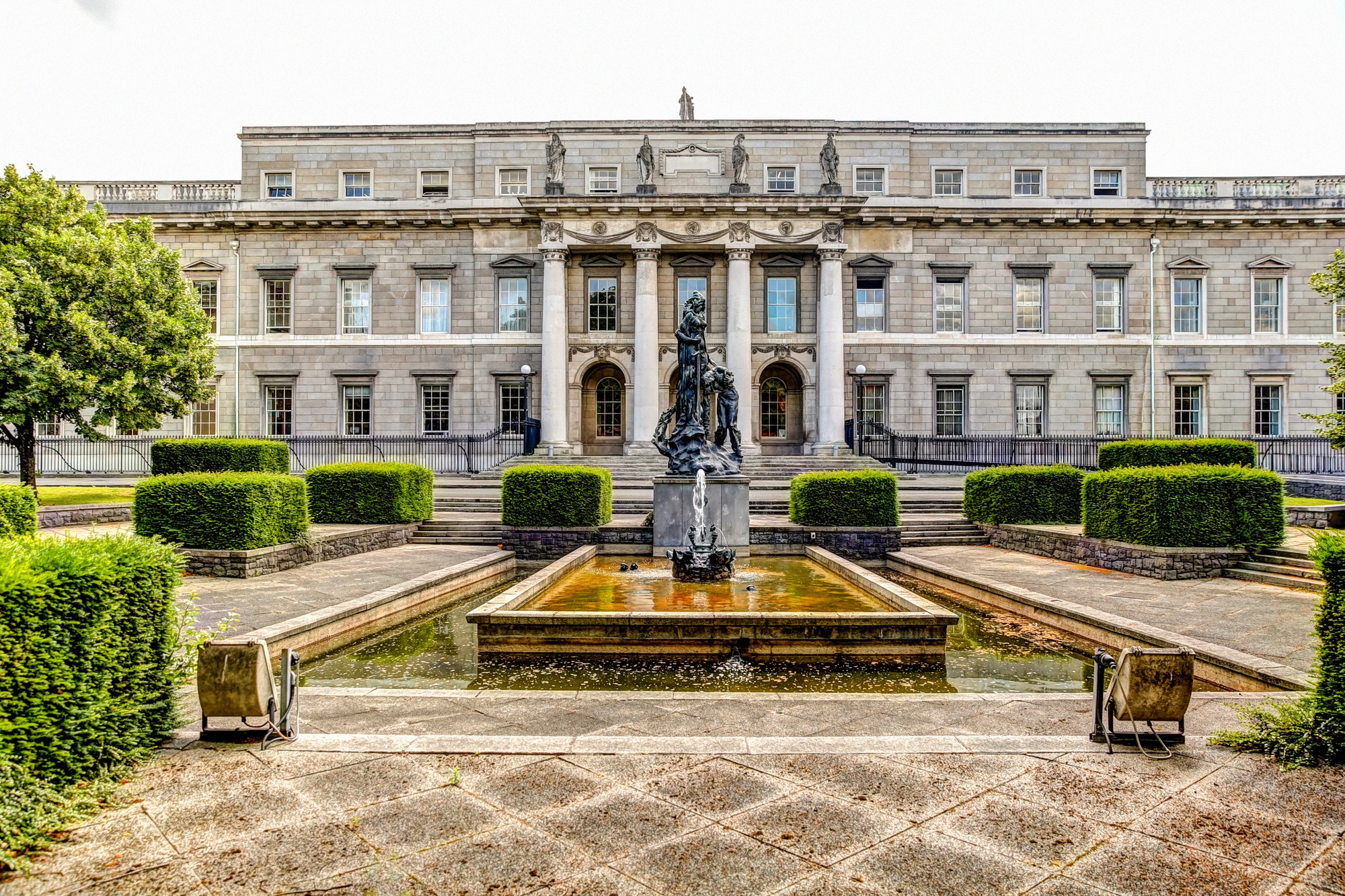
Government Buildings
Ireland's Government Buildings on Upper Merrion Street open for free guided tours on Saturdays. Everything on tickets and getting there.