
Ashtown Castle
A rediscovered tower house hidden inside Phoenix Park
A medieval tower house hidden for centuries inside a Georgian mansion and uncovered in 1989. Free admission, guided tours only.
Contents
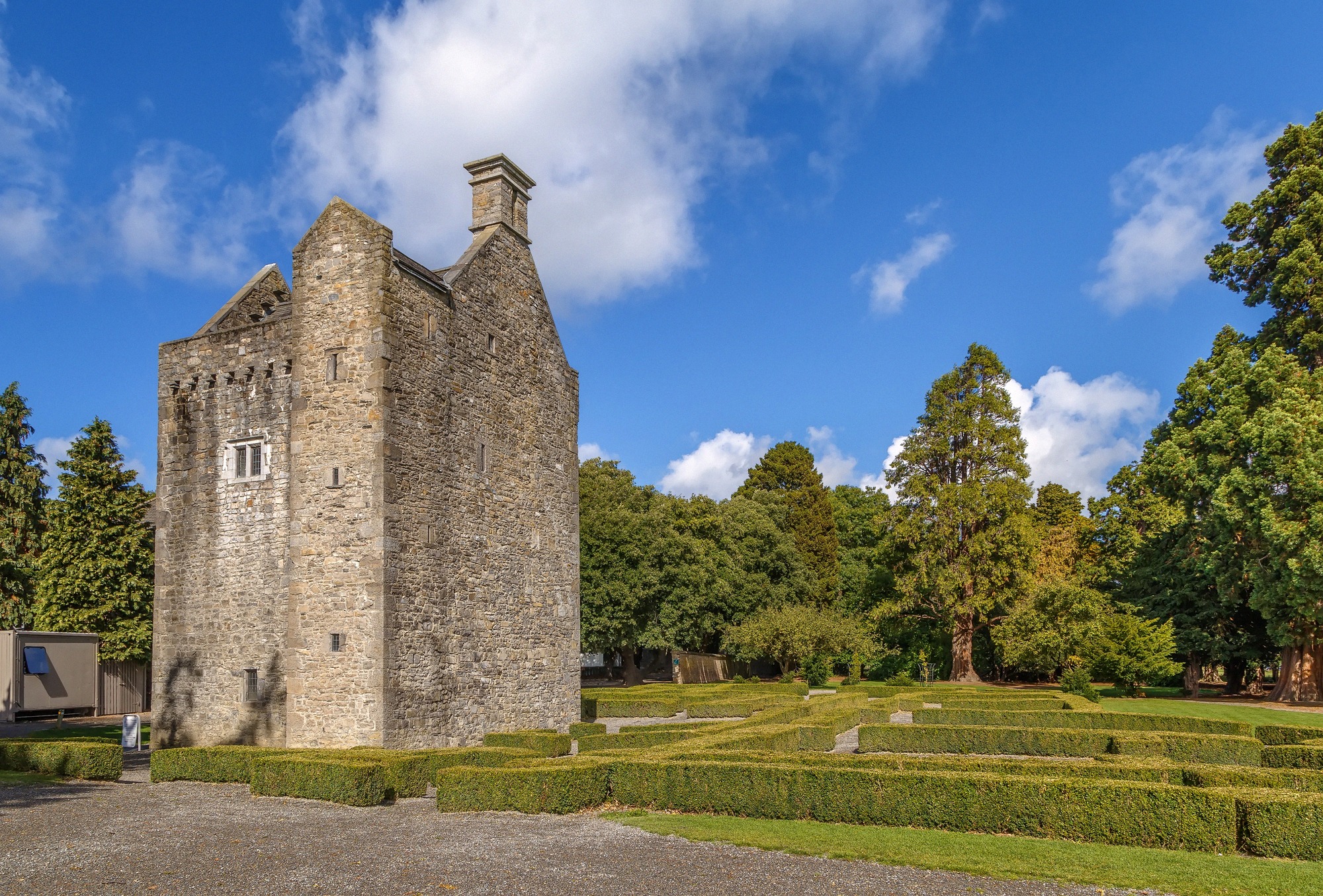
Ashtown Castle is one of the oldest buildings in Phoenix Park, and a genuine rediscovery. For centuries, the medieval tower house sat unnoticed inside a Georgian mansion, until it was uncovered during a planned demolition in the late 1980s. Today it stands restored beside the Phoenix Park Visitor Centre, and both can be visited free of charge.
History
Exactly when the tower house was built isn't documented with certainty. It's known to have existed by the early 17th century, and it may date back as far as the 15th century: an act of Henry VI from 1429 offered a grant of £10 towards the building of such fortified towers, which is thought to be a possible trigger for its construction. The stone-cut spiral staircase points to a late-medieval date.
The roof structure has been dated more precisely: tree-ring analysis (dendrochronology) of the oak timbers showed they were felled in the early 17th century, evidence of a re-roofing or partial rebuild around that time.
By 1641, the estate - 200 acres of land worth £100, belonged to John Connell, "John of Ashtown", a distant ancestor of the Irish nationalist hero Daniel O'Connell. In the late 18th century the building was extended, and the medieval castle was fully absorbed into a new house called Ashtown Lodge.
After Irish independence, the Lodge served from 1922 as the first residence of the US legation to the Irish Free State, and from 1929 as the residence of the Papal Nuncio. When the Nuncio moved out in 1978 and the building was slated for demolition, the hidden tower house came to light. Restoration began in autumn 1989 with a structural survey and the removal of the modern render; stonework, Irish oak floors and the roof were carried out by the National Monuments Depot.
Architecture
The four-storey tower house is arranged over a ground floor, a first floor, a "great chamber" on the second floor and a gallery on the third. A narrow spiral staircase links the levels. Since no reliable evidence survived for the original battlements, they were reconstructed simply, without the 15th-century crenellation or the 17th-century curved parapet. The roof follows the surviving truss fragments, the original timber roof structure that was found.
Typical medieval features include the unrendered rubble limestone masonry, small windows with stepped stone surrounds, and the overall defensive character of the building. The narrow spiral staircase does mean the interior isn't accessible for wheelchair users.
Visitor Centre & Walled Garden
Right next to the castle stands the Phoenix Park Visitor Centre, with an exhibition on the history of the park. It's fully accessible and has a wheelchair-accessible toilet, a family toilet and a café. Guided tours of the tower house also start from here.
The grounds include the Victorian Walled Kitchen Garden, open daily year-round from 10:00 to 16:00 and likewise free to visit. It's at its best in the summer half-year, when it's in full bloom. Allow around an hour for the castle and Visitor Centre, and combine your visit with a walk through the garden, both sit right next to each other.
Visiting & practical tips
Admission is free. The tower house can only be entered as part of a guided tour; tours start at the Visitor Centre, usually at 10:30, 12:00, 13:30, 15:00 and 16:30, subject to availability. Individual visitors can turn up without booking, but groups must book ahead (by email or phone to the Visitor Centre). There's no online booking for individuals.
- Mind the opening hours: closed on Mondays and Tuesdays from January to the end of April. Last admission is 17:00, 45 minutes before closing.
- Best time to visit: the summer half-year, and weekday mornings, that's when the garden is in bloom and things are quietest.
- Getting there: Bus 99 from Parkgate Street to the Visitor Centre, or the Luas Red Line to Heuston Station with a change onto Bus 99.
At over 700 hectares, Phoenix Park is one of the largest city parks in Europe. Nearby you'll find Dublin Zoo, the presidential residence Áras an Uachtaráin, the Wellington Monument and the Papal Cross; a free-roaming herd of fallow deer also lives in the park. For more on planning your day, see the guide Parks in Dublin and the overview Castles in Dublin.
Frequently asked questions
How much does it cost to visit Ashtown Castle? +
Can I explore the tower house on my own? +
How do I get to Ashtown Castle? +
Why was the tower house hidden for so long? +
Nearby
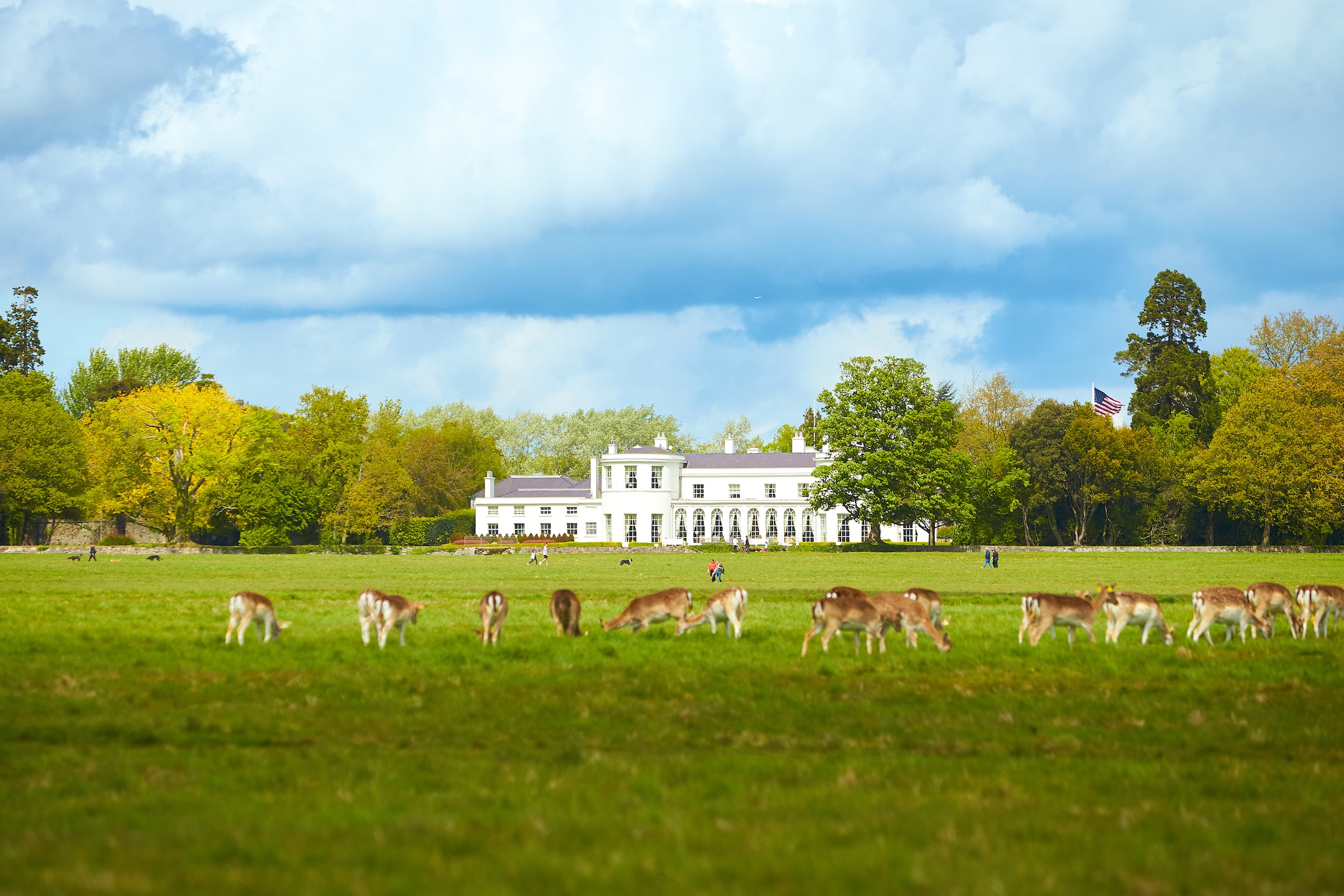
Phoenix Park
Europe's largest enclosed city park, with around 600 wild fallow deer, Dublin Zoo, Áras an Uachtaráin and Ashtown Castle. Free admission, open around the clock.
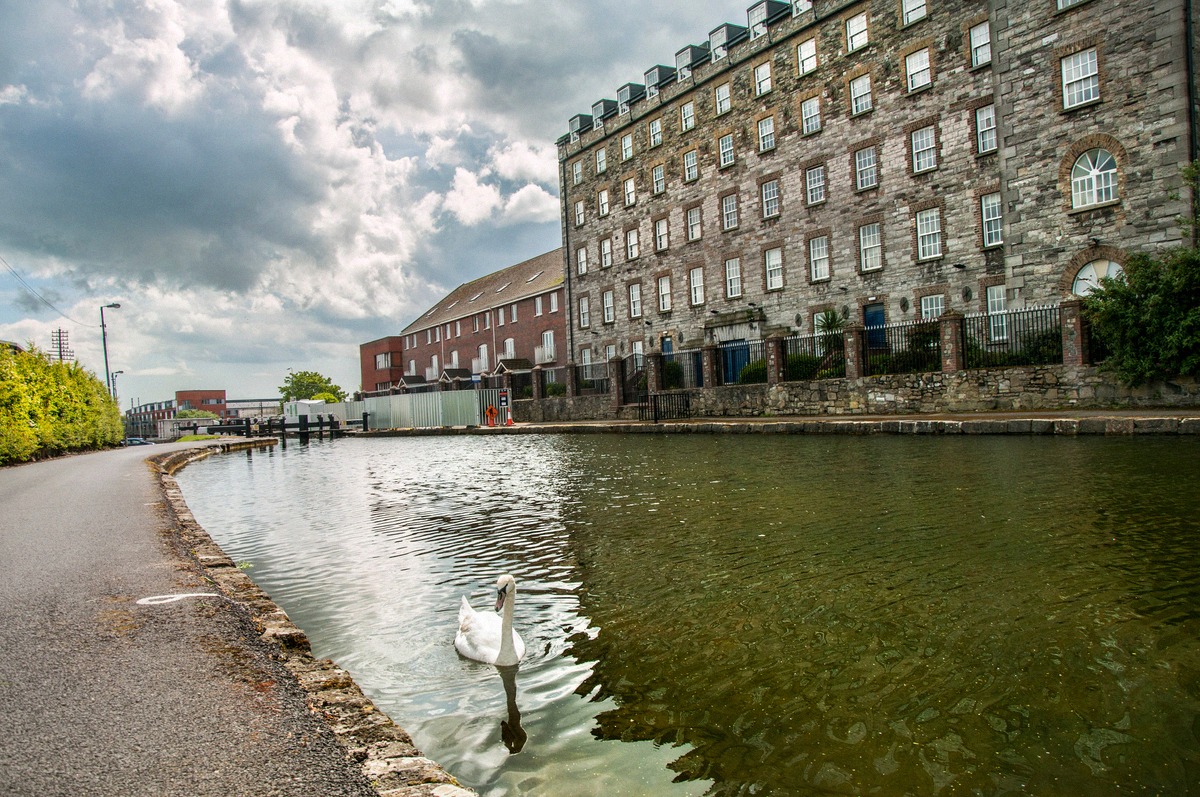
Royal Canal Way
Walking trail along the Royal Canal from the city centre to Leixlip, urban towpath, locks, the narrow Deep Sinking cutting and open farmland. Free to walk.
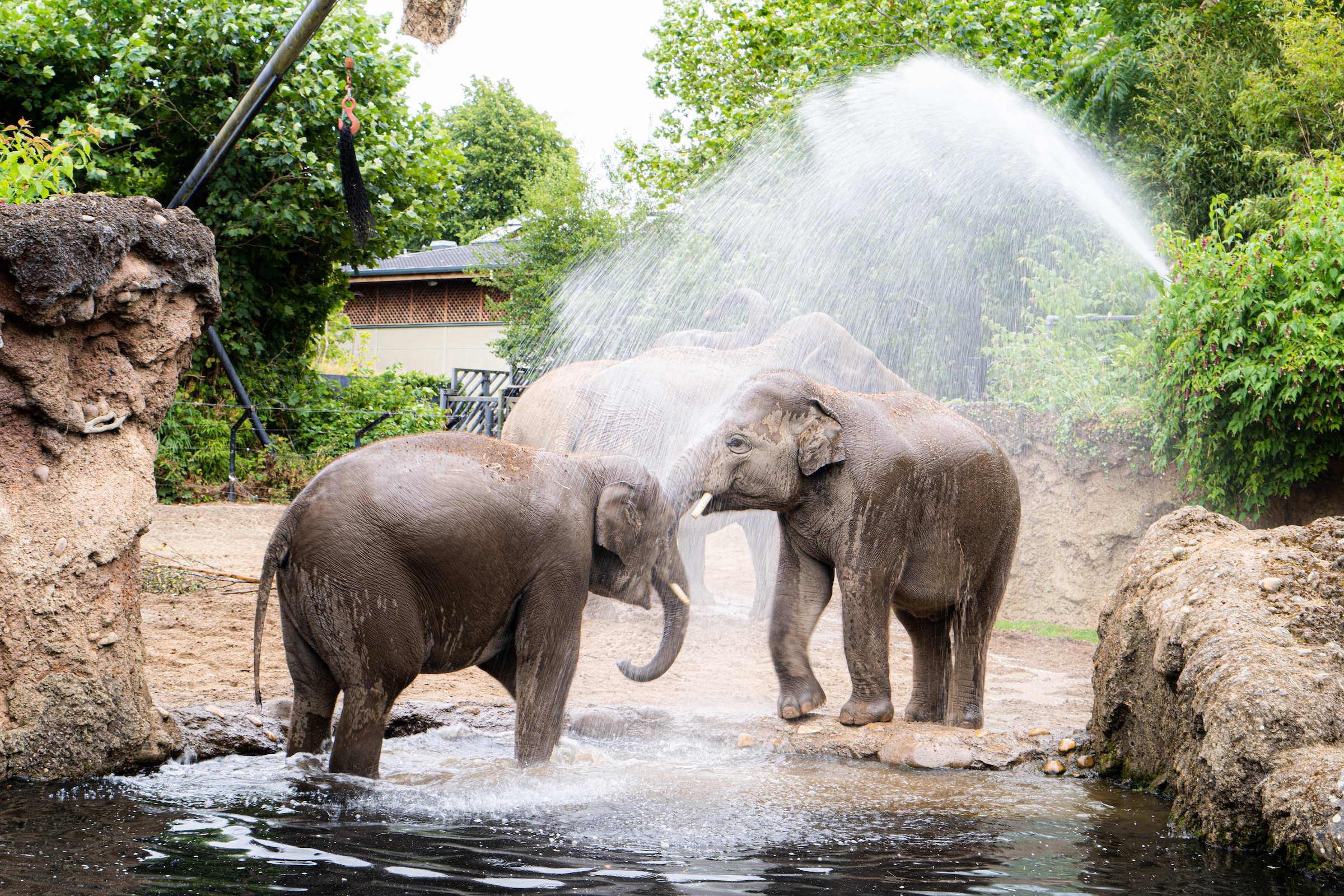
Dublin Zoo
On 28 hectares in Phoenix Park live around 400 animals from 100 species. Opening hours, admission, getting there and tips for your visit.
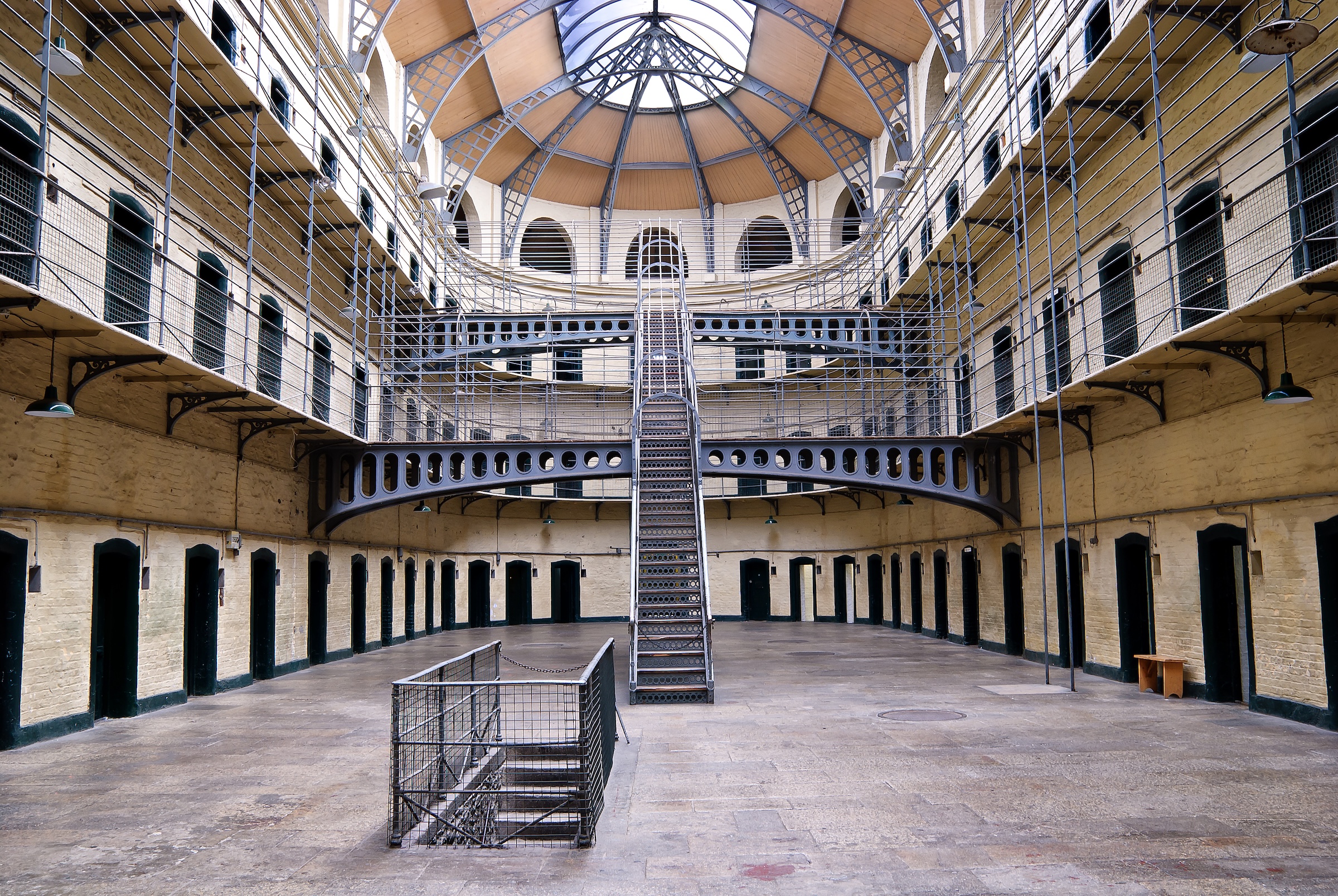
Kilmainham Gaol
Notorious prison where the leaders of the 1916 Easter Rising were held and executed. Visits by one-hour guided tour only, tickets online only.
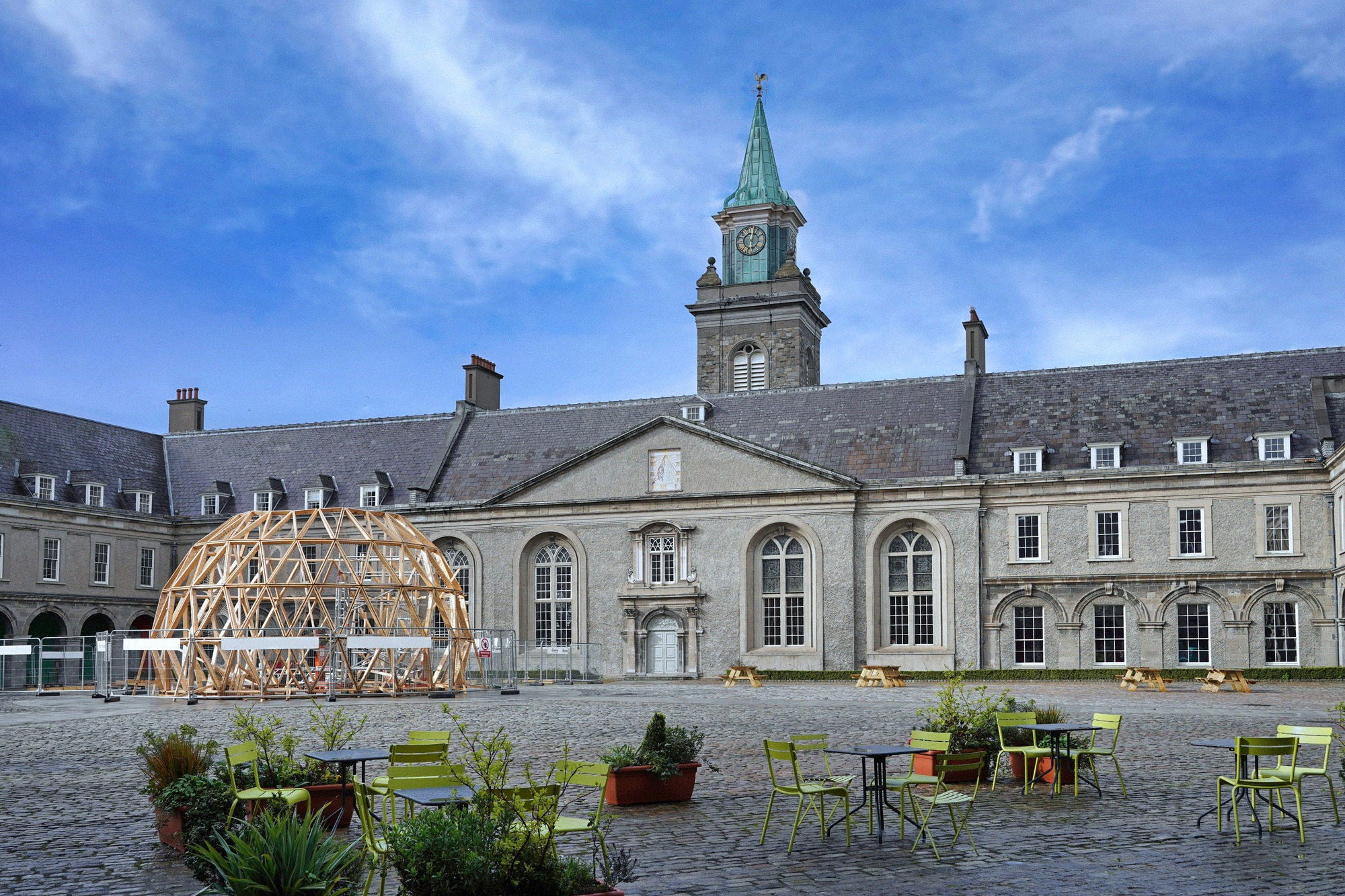
Royal Hospital Kilmainham
Baroque Royal Hospital in Kilmainham, home to the Irish Museum of Modern Art (IMMA). Free entry, plus gardens, sculptures and a summer courtyard programme.
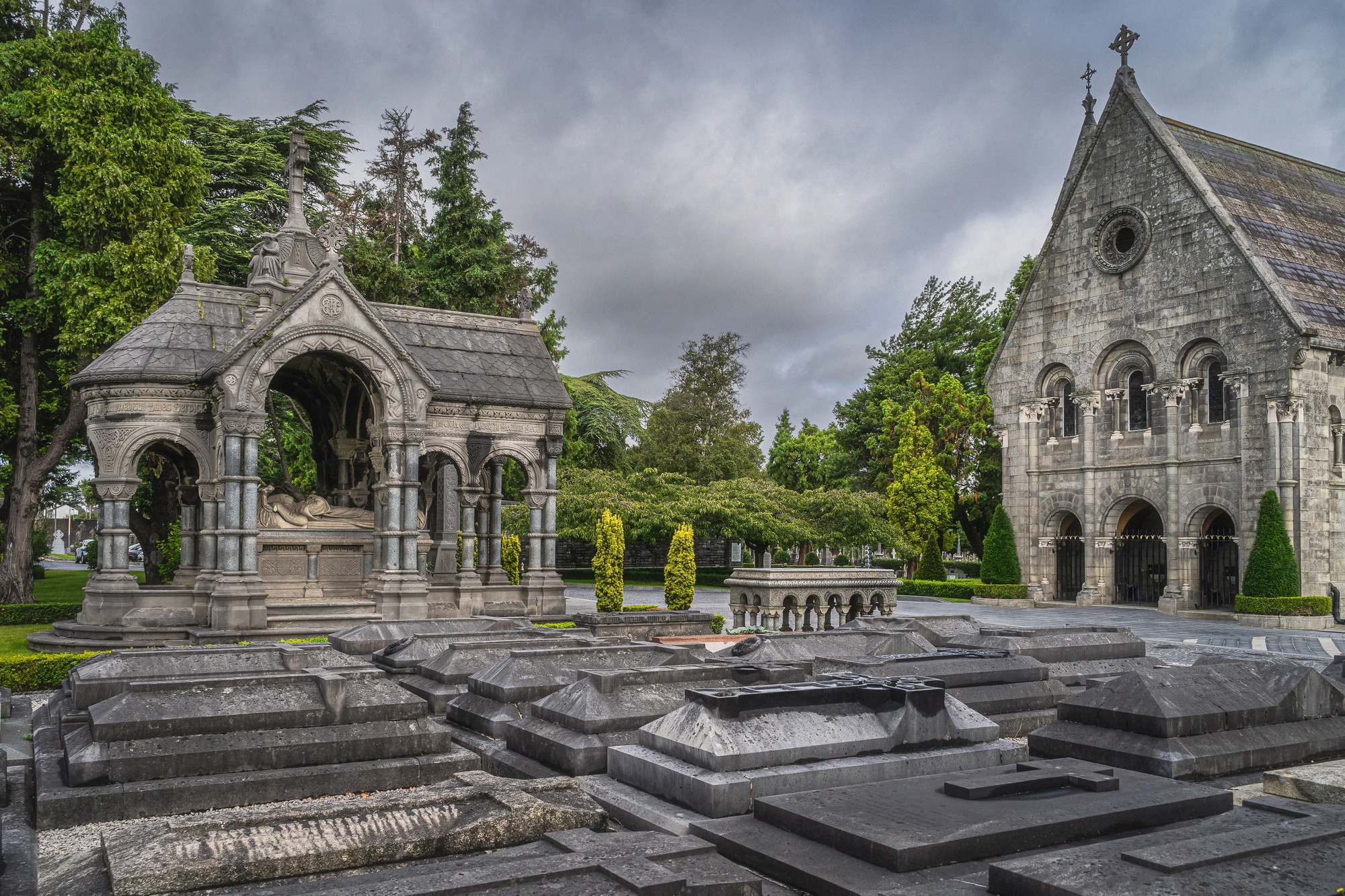
Glasnevin Cemetery
Glasnevin, Ireland's National Cemetery, is the country's largest burial ground, resting place of O'Connell, Collins and Parnell, below its tallest round tower.