
Glasnevin Cemetery
Ireland's National Cemetery
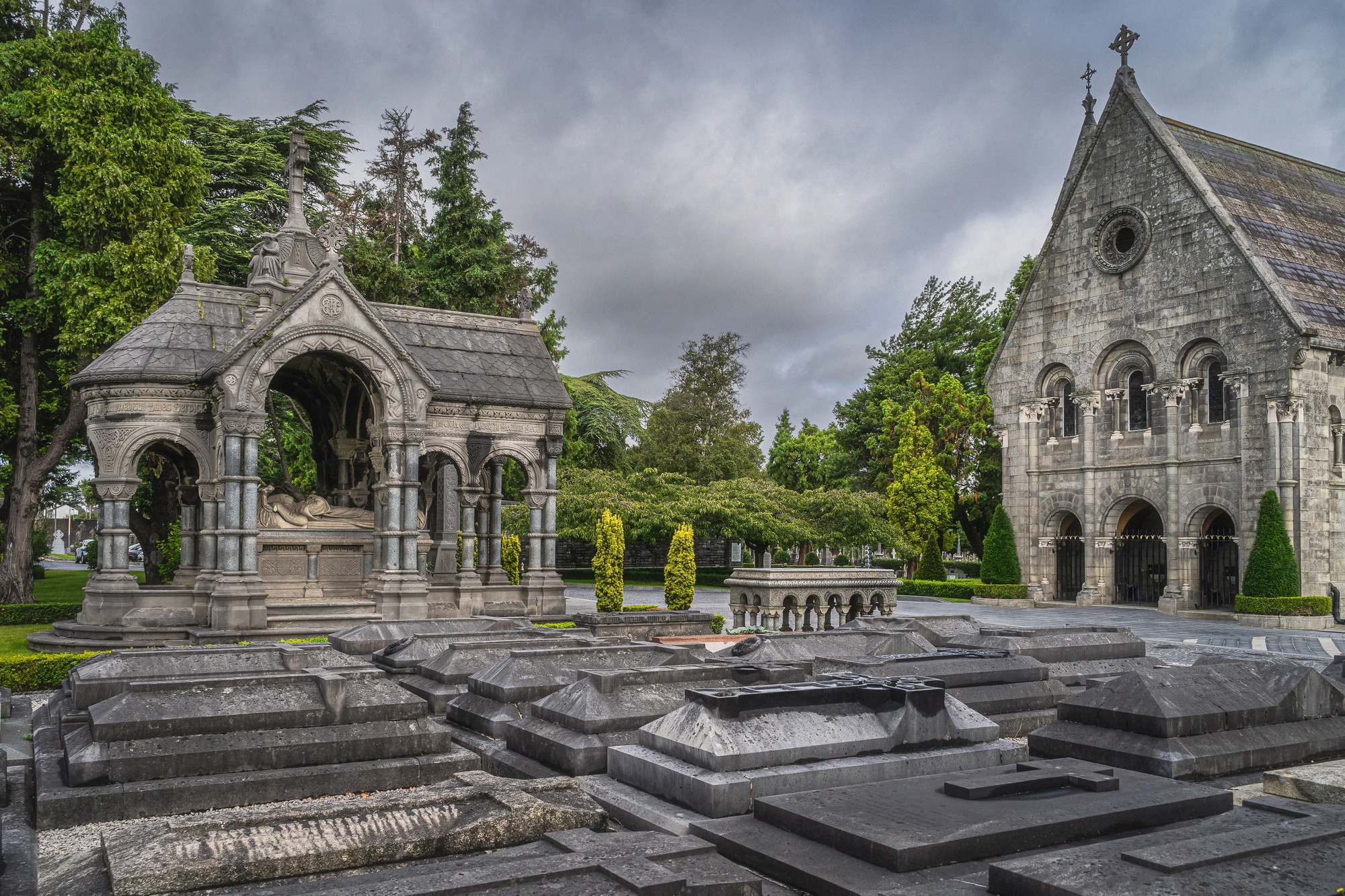
Glasnevin, Ireland's National Cemetery, is the country's largest burial ground, resting place of O'Connell, Collins and Parnell, below its tallest round tower.
Contents
A cemetery rarely tops anyone's must-see list, but Glasnevin is officially "Ireland's National Cemetery" and the place where you get closer to Irish history than almost anywhere else. Around 1.5 million people are buried here, including nearly every major name from the independence struggle. The grounds themselves are free to enter; the exhibition, audio guide and guided tours are ticketed.
Ireland's national cemetery
Founded in 1832 as a cemetery where Catholic and Protestant Irish alike could be buried without restriction, Glasnevin has grown from an original 9 acres to around 124 acres (roughly 50 hectares) today. Some 1.5 million people are buried here, more than live in Dublin today. About 800,000 of them lie in unmarked mass graves from the Great Famine and the cholera epidemics of the 19th century, with no individual headstone to mark them.
Glasnevin officially carries the title "Ireland's National Cemetery". Despite some claims, it is not a UNESCO World Heritage Site.
Who is buried here
Glasnevin is something of a who's who of Irish history. If you want to understand the country, the graves of its central figures are here:
- Daniel O'Connell, the "Great Liberator", above whose crypt the distinctive round tower rises.
- Michael Collins, leader in the War of Independence, his grave remains one of the most visited to this day.
- Charles Stewart Parnell, champion of the Home Rule movement.
- Constance Markiewicz, revolutionary and the first woman elected to the British House of Commons.
- Arthur Griffith, co-founder of Sinn Féin.
- Artists and voices such as the poet Brendan Behan, painter and author Christy Brown, and Luke Kelly of the Dubliners.
Many of the monuments date from the era of Catholic Emancipation and the nationalist movement and carry patriotic symbols: high crosses, shamrocks, harps and round towers. It's worth looking closely at the stonemasons' craftsmanship, it's the cemetery's quiet main attraction.
The O'Connell Tower
The O'Connell Tower stands above Daniel O'Connell's crypt - Ireland's tallest round tower, with 198 steps and a height of around 55 metres. The climb is ticketed only, in fixed time slots at 11:00 and 13:00; the last climb is at 16:30. From the top there's a sweeping view over Dublin and its surroundings, on clear days, all the way to the Wicklow Mountains.
The climb ticket includes admission to the "Experience Glasnevin" exhibition and starts from €11 for adults, €9 for children, seniors and students, and €35 for families.
Tours and exhibition
The visitor centre at the entrance houses the "Experience Glasnevin" exhibition, a ticket desk, the gift shop and the Tower Café. Through the genealogy service (Wednesday to Friday, 10:00-17:00) you can even trace your family history.
A guided tour offers the most value. The guides tell the stories behind the graves, rather than just reciting names:
- Irish History Tour: the classic, approx. 90 minutes, including the exhibition. €17 (adults), €15 (concession), €50 (family); with the tower climb, €22/20/60.
- Women in History Tour: around 90 minutes on figures such as Constance Markiewicz, Maud Gonne and Hanna Sheehy-Skeffington.
- Themed tours such as "Dead Interesting" or the Bloomsday tour centred on James Joyce; around Halloween there's also the Children's Samhain Tour.
Booking is online via dctrust.ie, or alternatively by email to [email protected] or by phone on +353 (0)1 882 6570. For more guided experiences around the city, see the guide to tours and day trips.
Getting there and practical tips
The cemetery is on Finglas Road in Dublin 11 (D11 XA32), about 3 km north of the city centre.
- Bus: Several routes stop nearby, including at Hart's Corner and Prospect Way. Details in the public transport guide.
- Parking: 30 spaces, €2 on exit. Free coach parking for groups with advance booking.
- Accessibility: The visitor centre is fully wheelchair accessible, as are most tours, the exception is O'Connell's crypt, due to the steps. Toilets and the café are located at the visitor centre; a free ticket is available for the companion of a visitor with a disability.
- Opening hours: Cemetery daily 9:00-17:00, visitor centre and café daily 10:00-17:00.
If you fancy a pint in fitting surroundings afterwards, head to John Kavanagh on Prospect Square, near the old cemetery entrance. Its location right next door earned the pub the nickname "The Gravediggers", gravediggers used to head there for a pint after their shift. Opening hours are Monday to Thursday 10:30-23:30, Friday and Saturday 10:30-00:00, Sunday 12:30-23:00; cash only (details from third-party sources, not officially confirmed).
Glasnevin pairs well with the nearby Botanic Gardens, which border the cemetery directly. If you want the bigger historical picture, the guide to Dublin's history provides the wider context, and the overview of Churches in Dublin places Glasnevin within the city's religious history.
Frequently asked questions
How much does it cost to visit Glasnevin Cemetery? +
Can you climb the O'Connell Tower? +
How long does a visit take? +
Who is buried at Glasnevin Cemetery? +
How do I get to Glasnevin Cemetery? +
Nearby
Hugh Lane Gallery
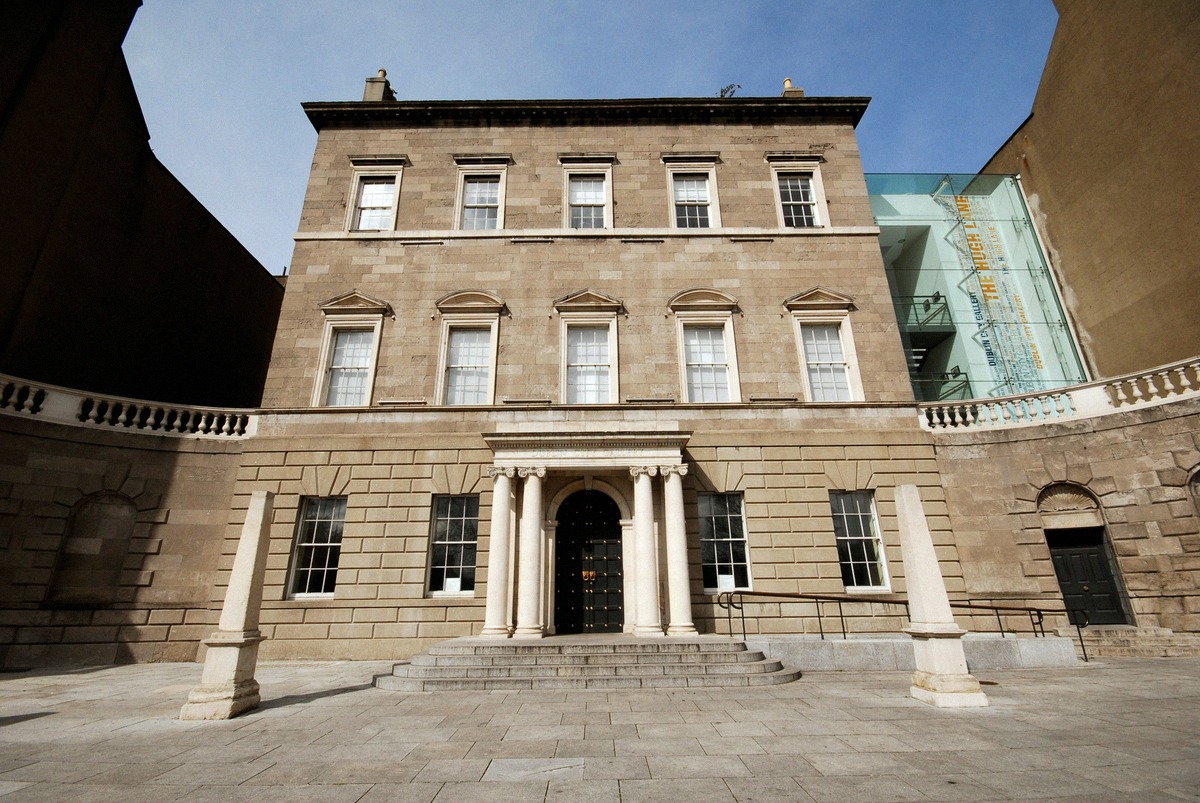
The Dublin City Gallery The Hugh Lane in Charlemont House holds French Impressionists, Harry Clarke's stained glass and Francis Bacon's studio. Closed for renovation since September 2025, expected until around 2028.
Dublin Writers Museum
The Dublin Writers Museum on Parnell Square has been permanently closed since March 2020. What became of the collection and which houses tell literary Dublin's story today.
James Joyce Centre
The James Joyce Centre on North Great George's Street covers the life and work of the Ulysses author and runs guided Joyce tours through Dublin.
Dublin Zoo
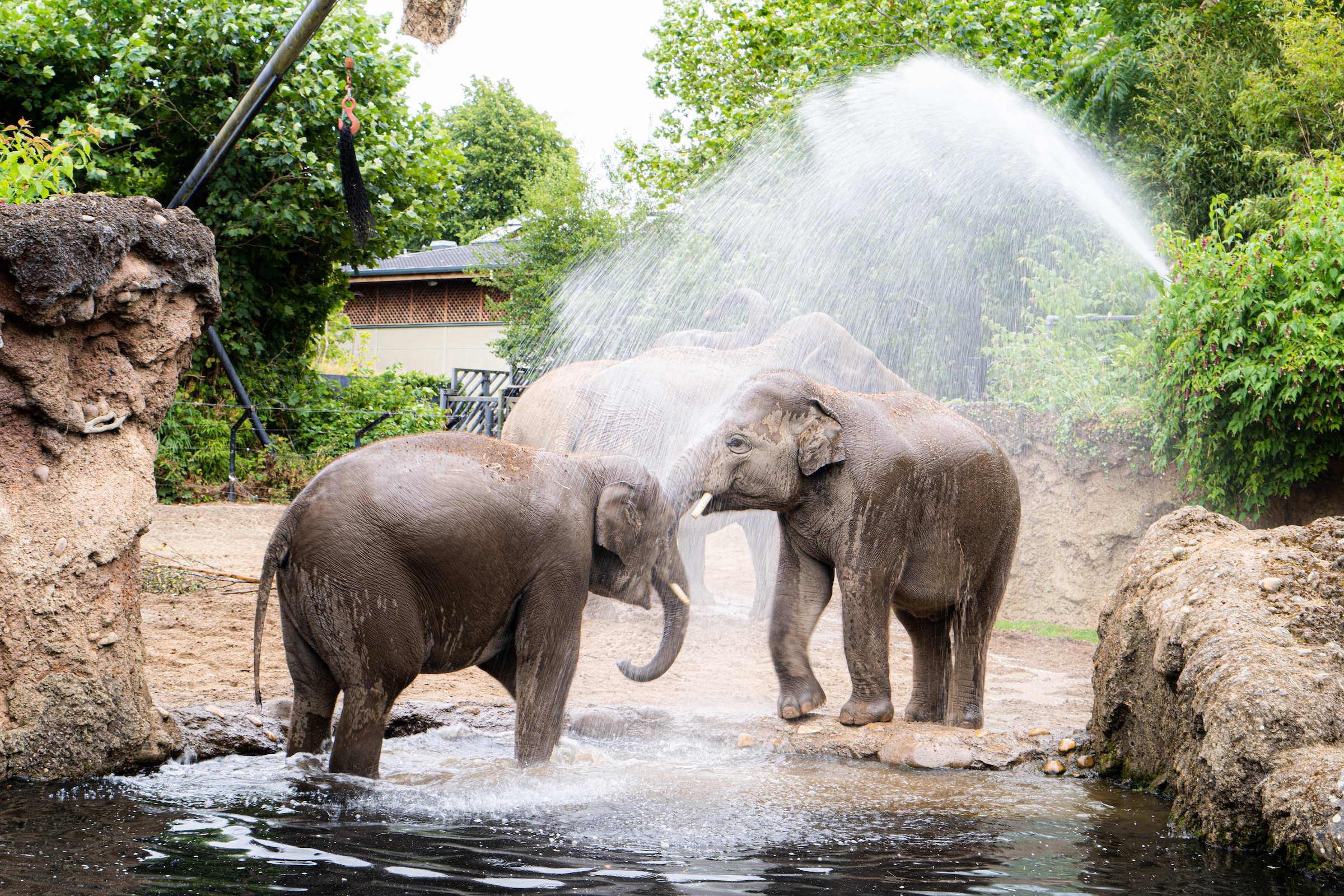
On 28 hectares in Phoenix Park live around 400 animals from 100 species. Opening hours, admission, getting there and tips for your visit.
Jameson Distillery Bow St.
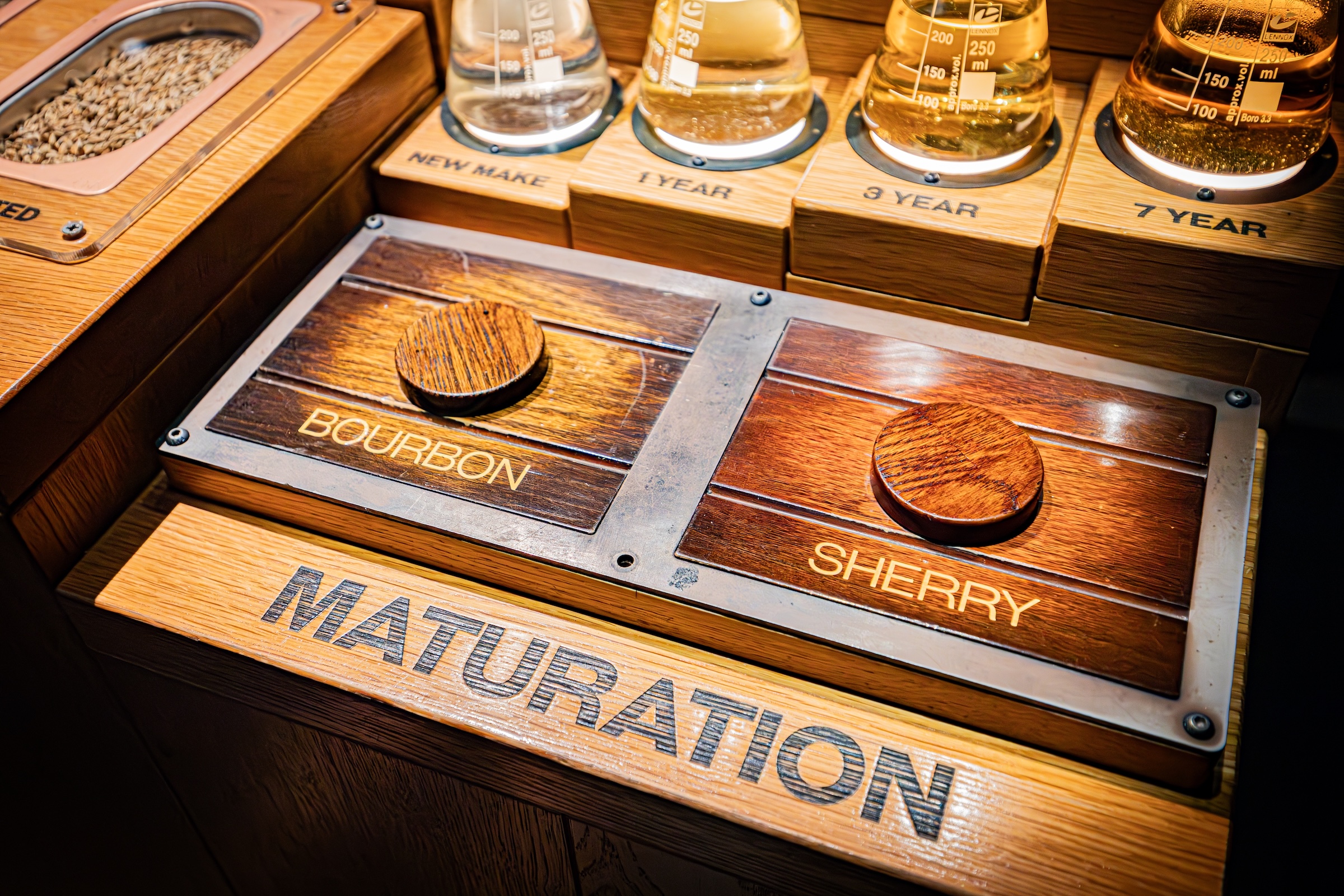
Ireland's most famous whiskey brand at its 1780 birthplace. The Bow St. Experience is a 40-minute walk through production and history, with a comparative tasting.
St Michan's Church
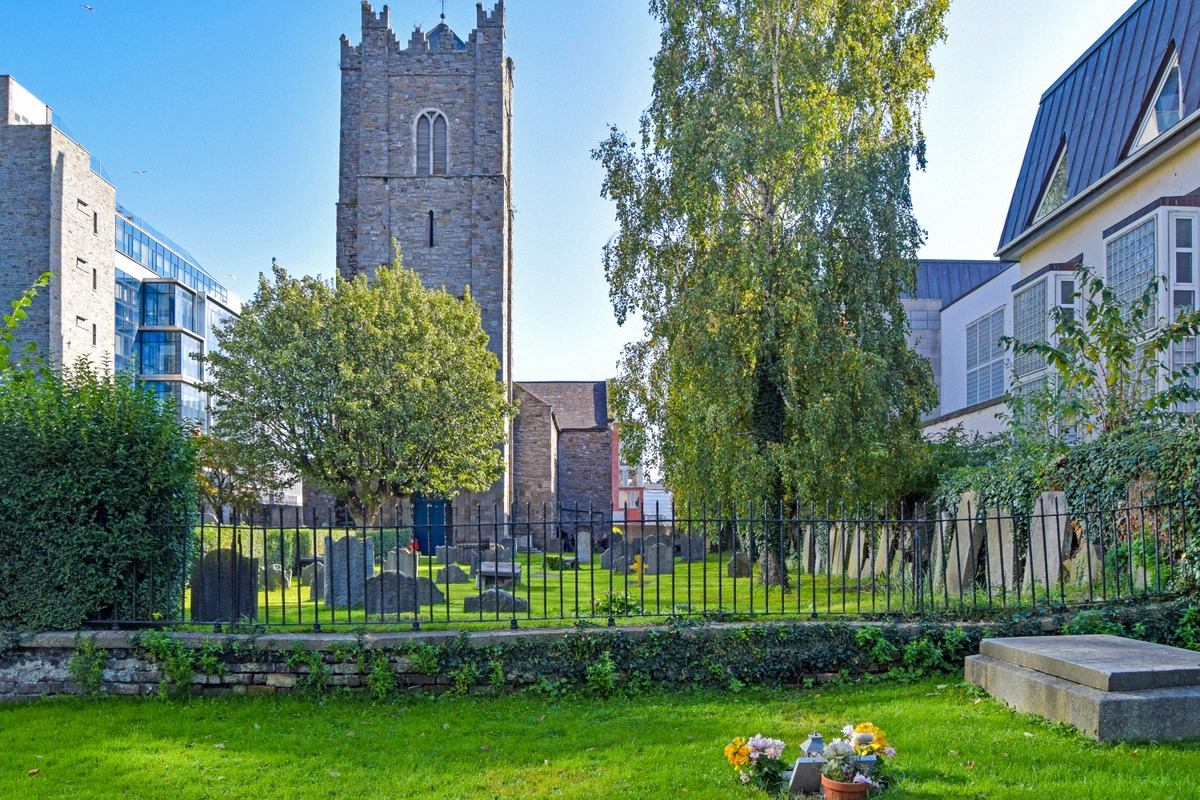
Famous crypt with naturally mummified remains, possibly an inspiration for Bram Stoker's Dracula. Crypt tours Mon-Thu only; church admission is free.