
Kilmainham Gaol
Historic prison and national monument
Notorious prison where the leaders of the 1916 Easter Rising were held and executed. Visits by one-hour guided tour only, tickets online only.
Contents
Kilmainham Gaol is one of Ireland's most important historic sites. For more than a century it held ordinary criminals alongside the key figures of the Irish struggle for independence, many of whom were executed here. Anyone trying to make sense of how Ireland reached independence has to reckon with this former prison. Access is by one-hour guided tour only, and tickets are sold online in advance only.
History and significance
The prison was built to replace an older, dilapidated jail nearby. Its architect designed the complex around the reform ideas of the 18th century: individual cells were meant to end the chaotic conditions of earlier prisons, where men, women and children had been held together. Construction began in 1787 and the jail opened in 1796.
Over its operating years, right up to its final closure in 1924, the prison held nearly every major figure in Irish rebel history: Robert Emmet (1803), Charles Stewart Parnell, members of the Fenian movement, and the leaders of the 1916 Easter Rising. Its last prisoner was Éamon de Valera, later Taoiseach and President of Ireland. After decades of neglect, a group of volunteers began restoring the building in 1960. Today the Office of Public Works manages the site as a museum and national monument.
Architecture: two eras of imprisonment
The oldest surviving section, the West Wing, shows the harsh conditions of the late 18th century: dark, damp, cold cells, originally without glazed windows or heating. Patrick Pearse, Thomas Clarke and Constance Markievicz were among those held here after the Easter Rising.
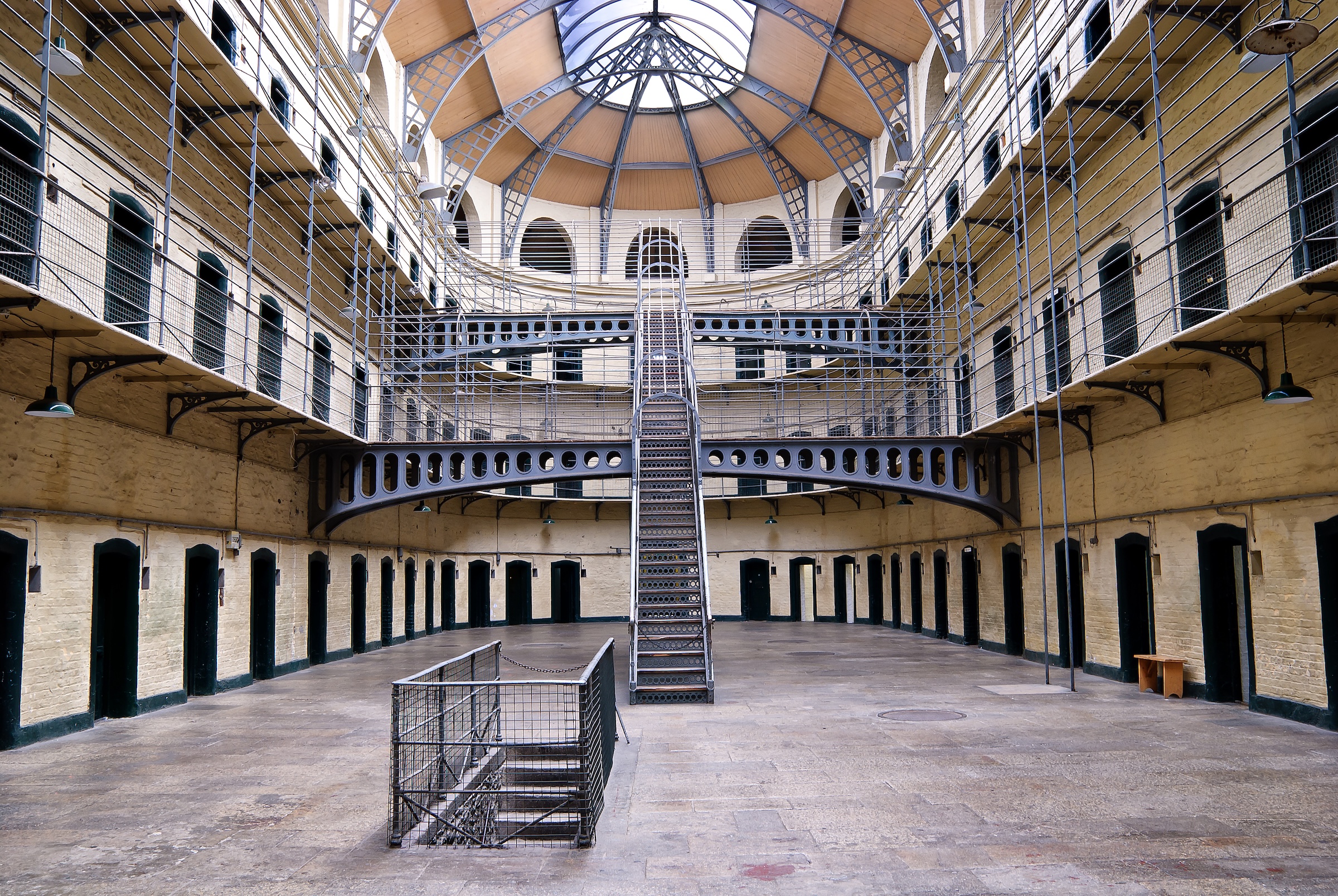
The Victorian extension, the East Wing built in 1861, follows the panopticon principle, from a central platform, every cell across three floors is visible. A vast skylight floods the space with daylight, reflecting the reformers' belief in its purifying effect. Cell windows were deliberately set high so prisoners could see only the sky. This wing has served as a filming location for productions including "The Italian Job" and "In the Name of the Father".
The Easter Rising and the executions
Kilmainham Gaol's national significance rests above all on what followed the Easter Rising of 24 April 1916. Between 3 and 12 May 1916, British firing squads executed 14 of the Rising's leaders in the Stonebreakers' Yard. Among those killed were all seven signatories of the Proclamation of the Irish Republic: Patrick Pearse, James Connolly, Thomas Clarke, Seán Mac Diarmada, Thomas MacDonagh, Éamonn Ceannt and Joseph Plunkett.
The execution of James Connolly caused particular outrage, so badly wounded that he had to be shot while seated in a chair. Two simple crosses set into the gravel now mark the execution spots. In the prison chapel, Joseph Plunkett married Grace Gifford by candlelight just hours before his execution. The brutality of the executions turned public opinion and transformed a militarily failed rising into a catalyst for Irish independence. The wider context is covered in the guide Dublin History.
Tickets and booking
Tickets are sold online in advance only, there is no walk-up ticket desk. Visits are only possible as part of a guided tour, and tours are often sold out days in advance, so book as early as you can. New availability opens 28 days ahead from midnight Irish time; a small number of additional same-day tickets are sometimes released on the website from 09:15.
- Prices: adults €8.00, seniors aged 60 and over €6.00, children and students €4.00, family ticket €20.00 (2 adults plus 2-3 children under 18). Children under 12 go free but still need a ticket. Students should bring ID to show on arrival.
- Groups of 10 or more pay €6.00 (adults) or €4.00 (students) per person.
- Book only through the official portal kilmainhamgaol.admit-one.eu. The site explicitly warns that third-party sellers such as Ticketmaster or GetYourGuide are not authorised, and tickets bought there may be invalid.
For an overview of admission prices and booking deadlines across Dublin's attractions, see the hub Attractions.
Visiting: what to know
Allow about 90 minutes in total, the tour itself takes an hour, plus another 30 to 45 minutes in the museum. Tour length is fixed. Dress warmly, as the prison stays cool even in summer.
- Getting there: the site is about 3.5 km west of the city centre. Bus route 60 runs from Wellington Quay or Heuston Station, and routes G1 and G2 also serve the area. The nearest Luas Red Line stop is Suir Road. More detail in the guide Public Transport.
- Parking: there's no on-site car park; the nearest one is about a five-minute walk away. There are no secure luggage lockers either.
- Visiting with children: not recommended for children under 6, and pushchairs aren't allowed on the tour.
Right next door are the Royal Hospital Kilmainham and the Irish Museum of Modern Art and the War Memorial Gardens at Islandbridge, both good options for before or after the tour. The Luas Red Line also gets you out to Phoenix Park, and the Guinness Storehouse is just a short walk away. For more ideas on planning your day, see the overview Attractions.
Frequently asked questions
How much does it cost to visit Kilmainham Gaol? +
Can I just turn up at Kilmainham Gaol without a booking? +
Where do I book valid tickets? +
How long does the visit take, and what should I know before going? +
How do I get to Kilmainham Gaol? +
Nearby
Royal Hospital Kilmainham
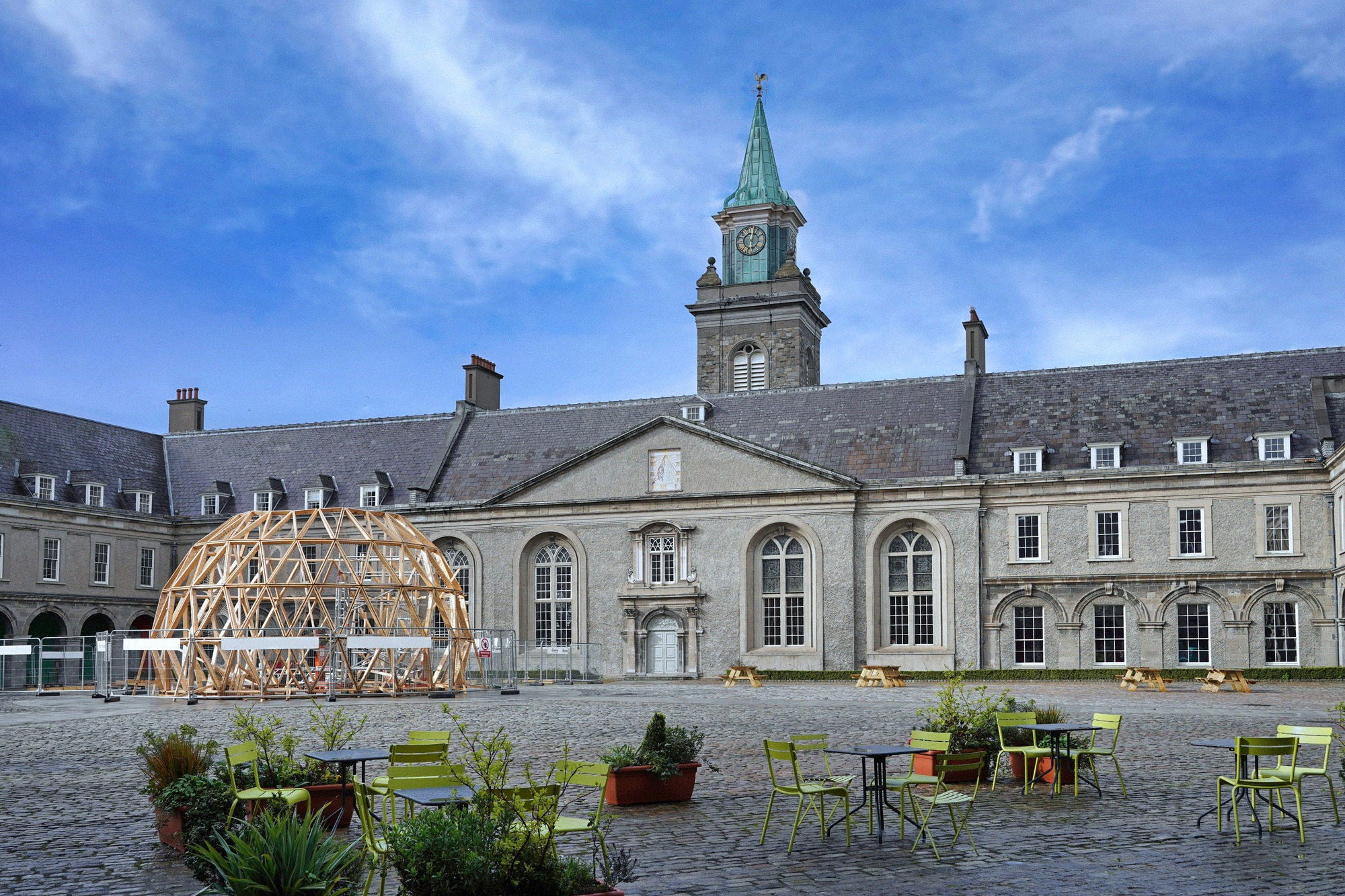
Baroque Royal Hospital in Kilmainham, home to the Irish Museum of Modern Art (IMMA). Free entry, plus gardens, sculptures and a summer courtyard programme.
Guinness Storehouse
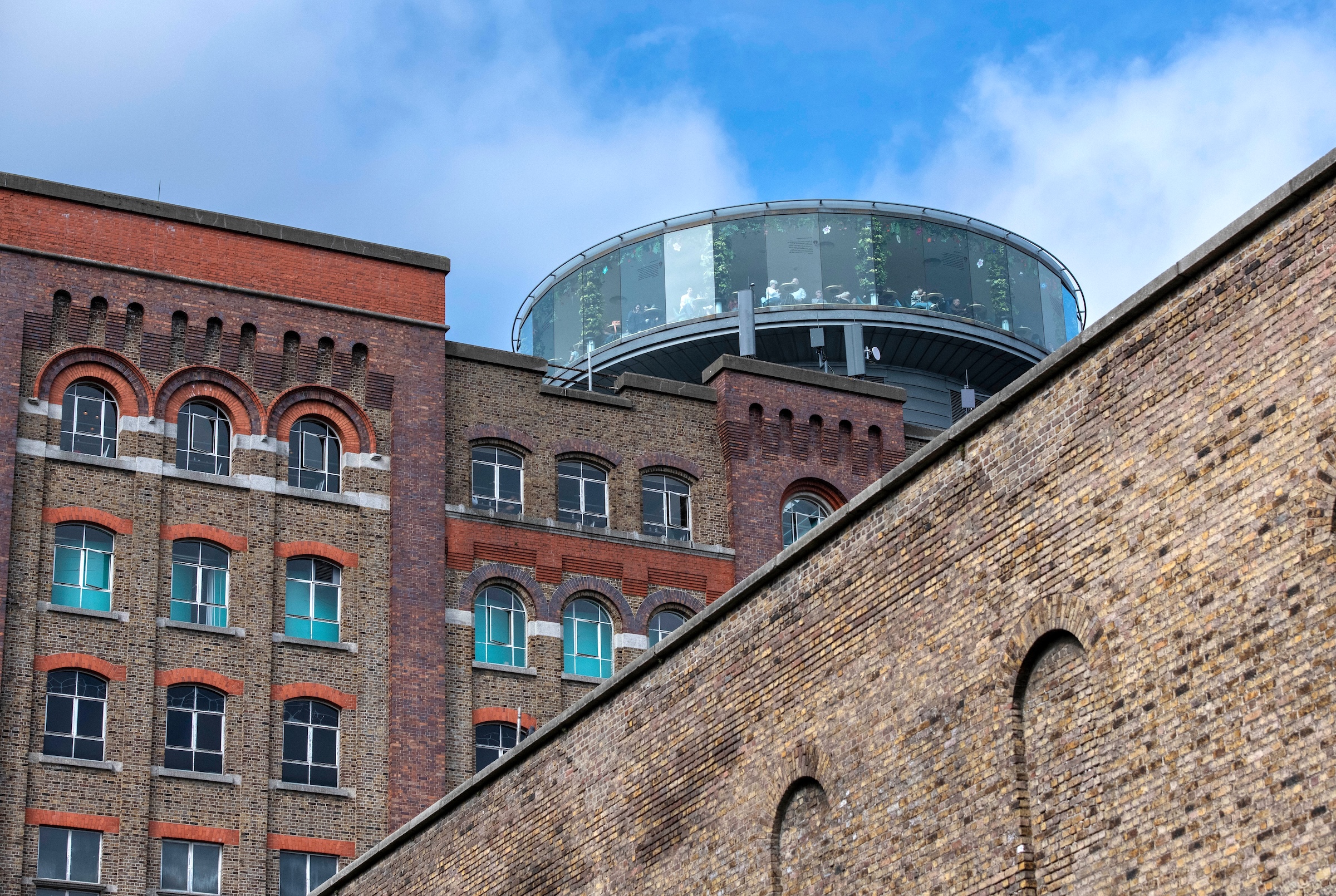
The Guinness Storehouse at St James's Gate takes you through seven floors, from the brewing process to a pint with city views in the Gravity Bar.
Dublin Zoo
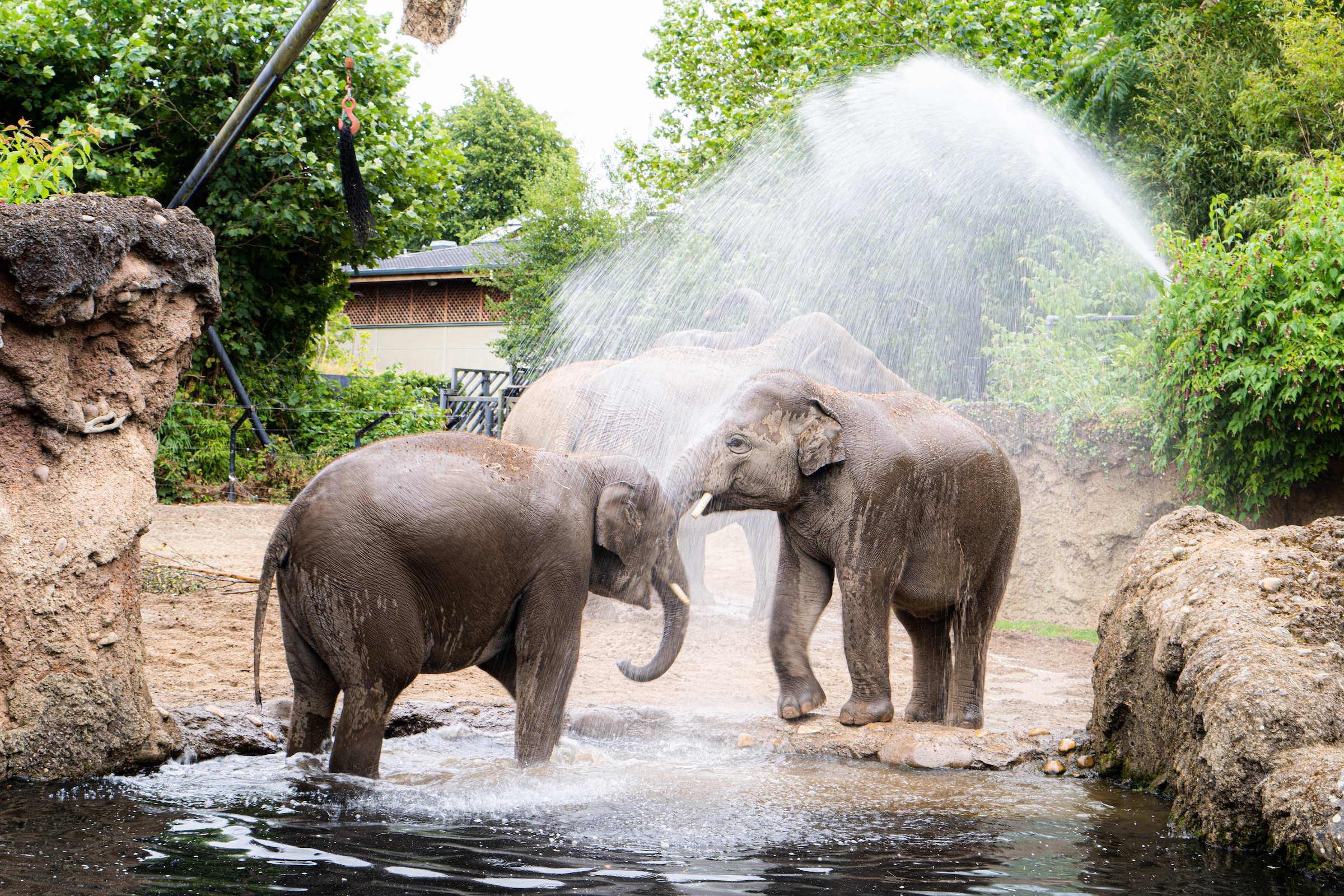
On 28 hectares in Phoenix Park live around 400 animals from 100 species. Opening hours, admission, getting there and tips for your visit.
Smithfield Horse Fair
Twice a year, Smithfield Square turns into a traditional horse fair. Free to attend, unusual, and controversial ever since.
Jameson Distillery Bow St.
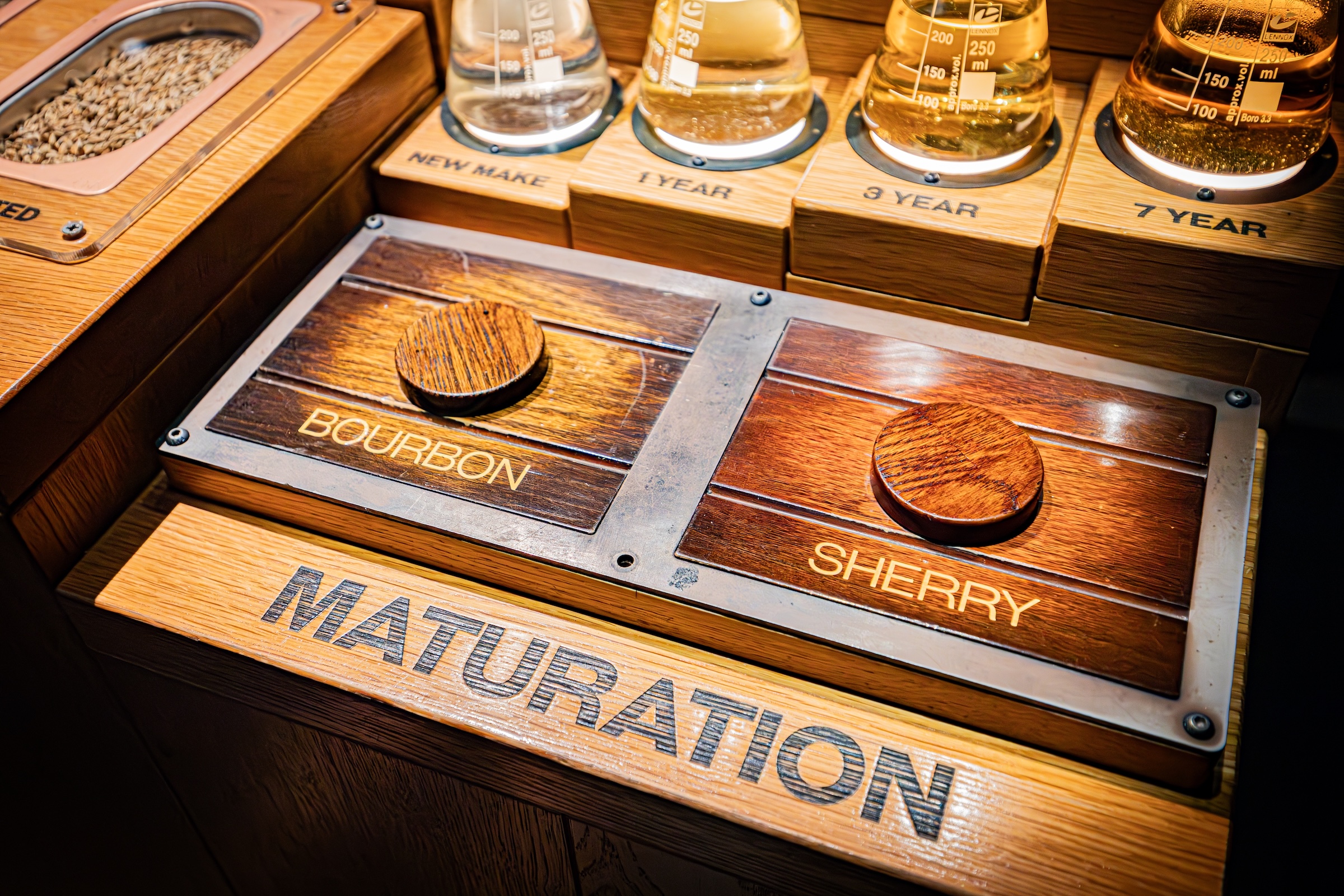
Ireland's most famous whiskey brand at its 1780 birthplace. The Bow St. Experience is a 40-minute walk through production and history, with a comparative tasting.
St Michan's Church
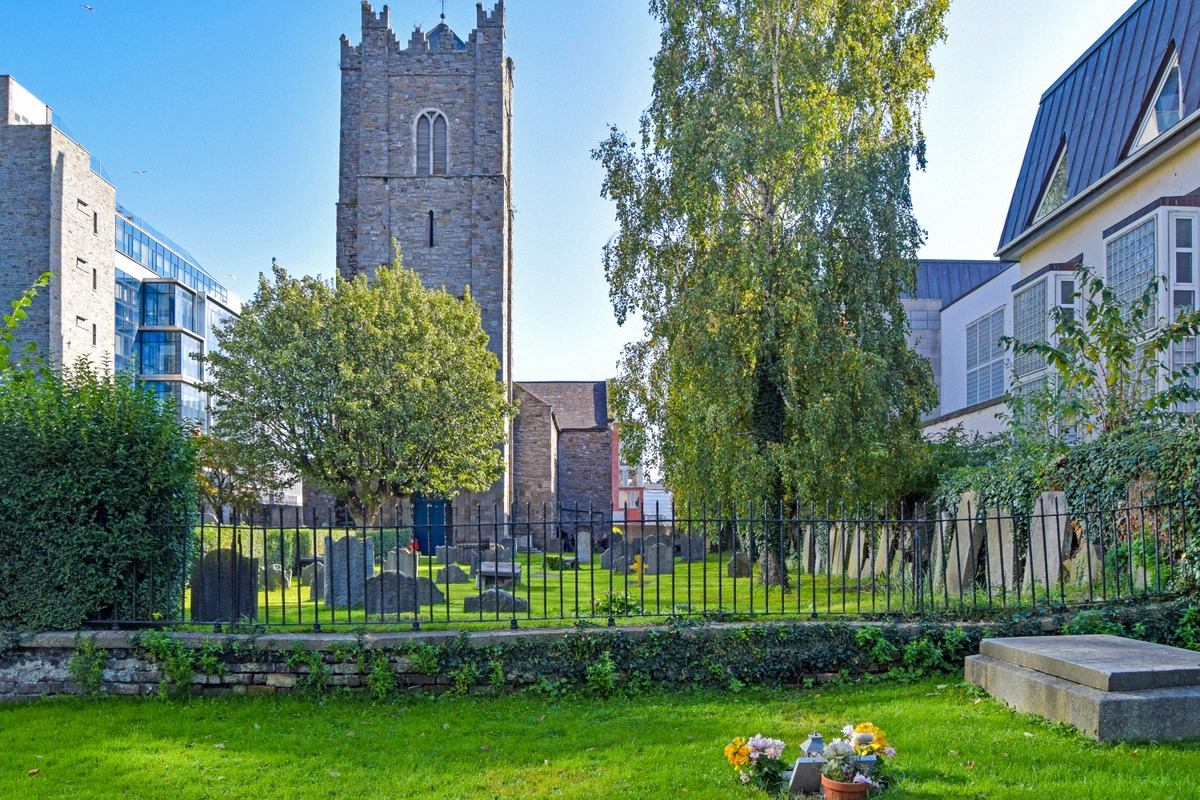
Famous crypt with naturally mummified remains, possibly an inspiration for Bram Stoker's Dracula. Crypt tours Mon-Thu only; church admission is free.