
Bray Town Hall
Tudor Town Hall & Brabazon Fountain in Bray
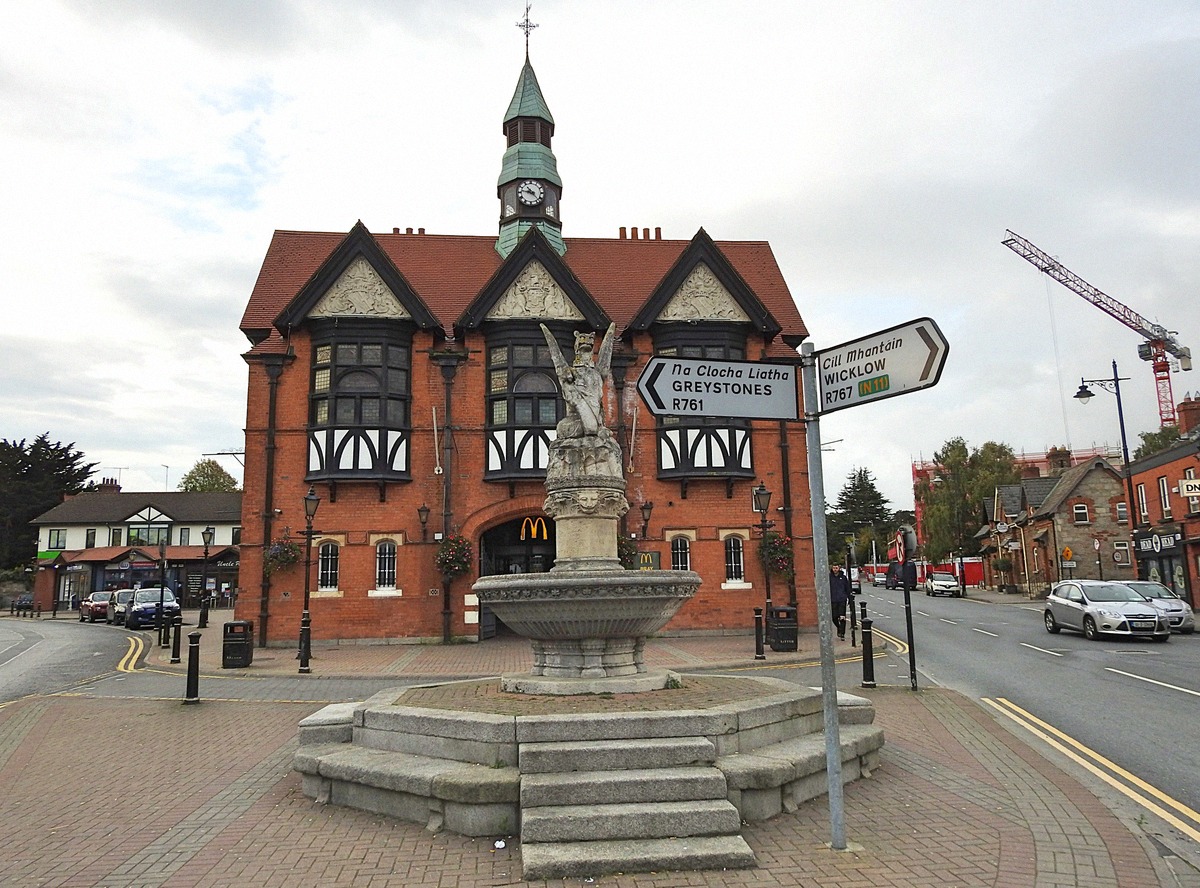
Bray Town Hall (Town Hall and Market House), built 1879-82 in Tudor style, was a gift from the Brabazon family, now a photo stop atop Main Street.
Contents
At the top of Main Street, where Killarney Road, Vevay Road and Main Street meet, stands the most eye-catching building in central Bray, the Tudor-style Town Hall, with its red brick, timber framing and gables. It isn't a sight in the classic sense but a historic building you admire in passing, a worthwhile photo stop on the way to the seafront or Bray Head.
What to expect
The Town Hall and Market House is listed in the National Inventory of Architectural Heritage (NIAH) under reg. no. 16301068, with a rating of "Regional". It was built between 1879 and 1882 in the Tudor, or Old English Revival, style, red brick, decorative timber framing and steep gables give the building its picturesque, almost English look. Upstairs are 30 stained-glass panels bearing the Brabazon family's coat of arms.
Right in front stands the Brabazon Fountain of 1881, which has its own NIAH number (16301069) and belongs closely with the building. Ten to fifteen minutes is enough for a look at the exterior, fountain included.
History
The building was donated by Reginald Brabazon, Lord Ardee, son and heir of the 11th Earl of Meath. In 1879 he offered a covered market house as a gift to the people of Bray - Lord and Lady Brabazon had it built at their own expense. Construction was finished in time for the Town Commissioners' meeting on 19 May 1884.
The design came from the renowned office of Thomas Newenham Deane & Son. The actual designer, though, is thought to have been a young assistant - Edward Guy Dawber, born 1861 in King's Lynn, who later became RIBA president and was knighted in 1936. Wardrop & Son carried out the construction at a cost of around £6,359. The older claim that Dawber "built" the house single-handedly falls short, then; he was the designer within Deane's office.
Then and now
The ground floor was originally a covered market house. The market closed in the mid-1940s; after a 1991 refurbishment, a McDonald's moved in in 1997 and still operates there today, freely accessible to all.
The upper floor long served as a council chamber, first for the Town Commissioners, later for Bray Urban District Council, and most recently for Bray Town Council. The Local Government Reform Act 2014 abolished that council; administration passed to Wicklow County Council and the Bray Municipal District. There is no public access to the historic chamber.
Visiting and practical information
- Location: Top of Main Street, at the meeting point of Killarney Road, Vevay Road and Main Street. Both common address forms (Main Street and the crossroads) are correct.
- Getting there: From Bray train station (DART) it's around a ten-minute walk up Main Street. Several bus routes stop at the nearby Market House stop.
- Admission: Viewing the exterior is free and possible at any time. There are no tickets, no opening hours and no tours of the interior.
- Best time: In daylight, when the brick and timber framing show best. There are no seasonal restrictions on viewing the exterior.
Combine with
The Town Hall sits right in the town centre and pairs well with a stroll along Main Street. The Brabazon Fountain and Bray Courthouse stand right next door, and it's also just a short walk to the seafront promenade and the climb up Bray Head. For more on the historical background, see our overview of Dublin and the region's history.
Frequently asked questions
Can you go inside Bray Town Hall? +
Who built Bray Town Hall? +
How do I get to Bray Town Hall? +
Nearby
James Joyce Tower
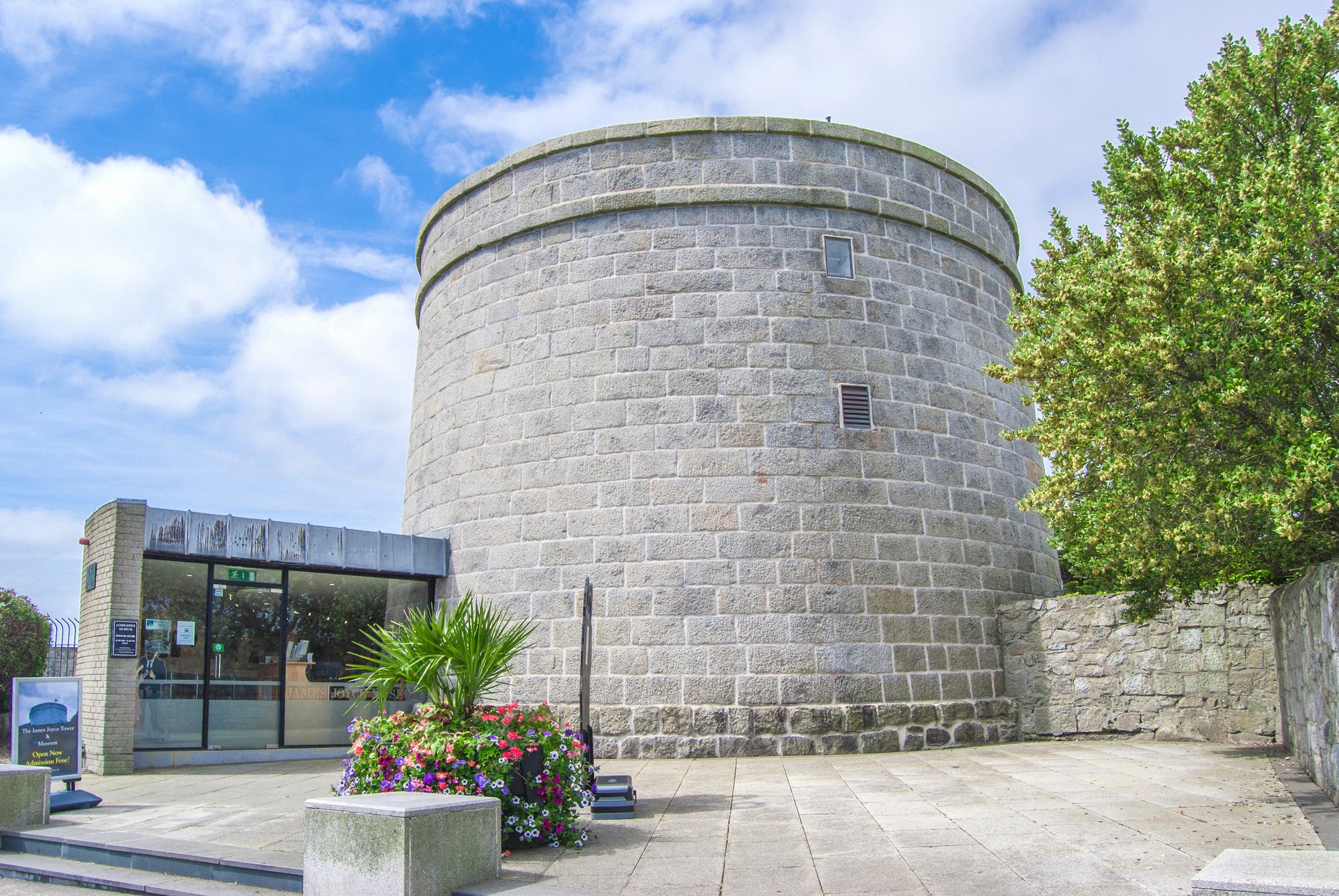
The Martello tower in Sandycove is the opening setting of Ulysses and today a volunteer-run Joyce museum. Free admission, open Tue-Sun.
Rathfarnham Castle
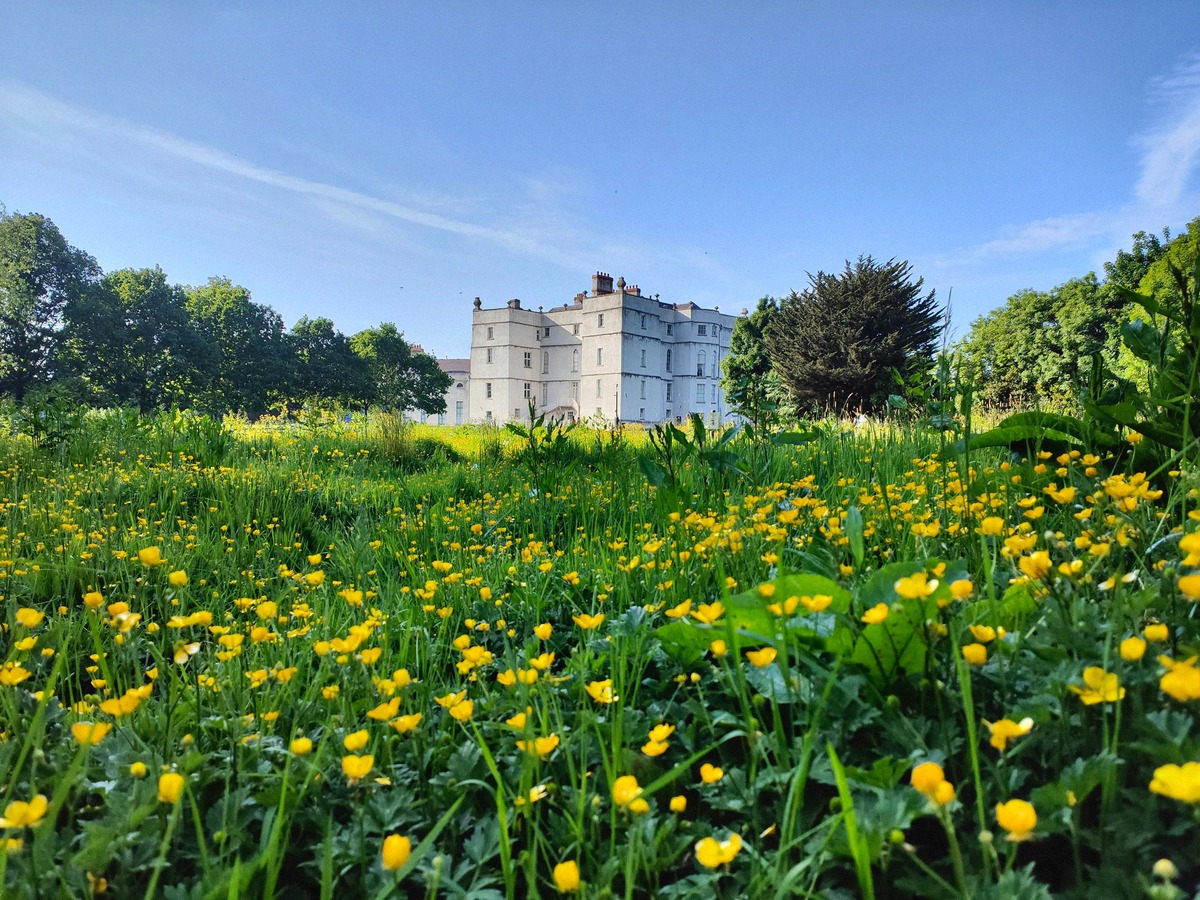
One of Ireland's earliest surviving fortified manor houses, built in 1583 and remodelled as a Georgian country residence in the 18th century.
Poolbeg Lighthouse
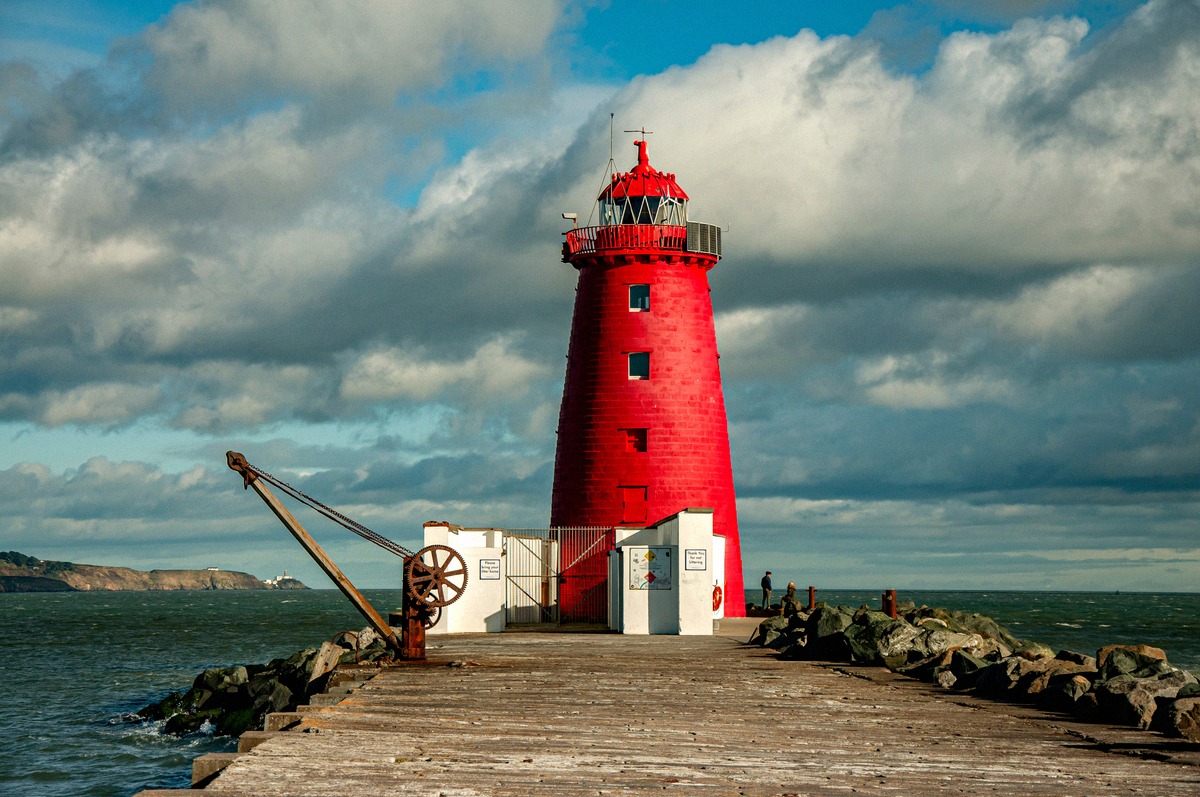
The red Poolbeg Lighthouse at the end of the Great South Wall is the goal of one of Dublin's finest coastal walks, with everything on the route, getting there and tower tours.
National Print Museum
Ireland's printing museum in the Garrison Chapel of Beggars Bush Barracks (Dublin 4) displays working typesetting and printing machines. Free admission, paid tours.
Government Buildings
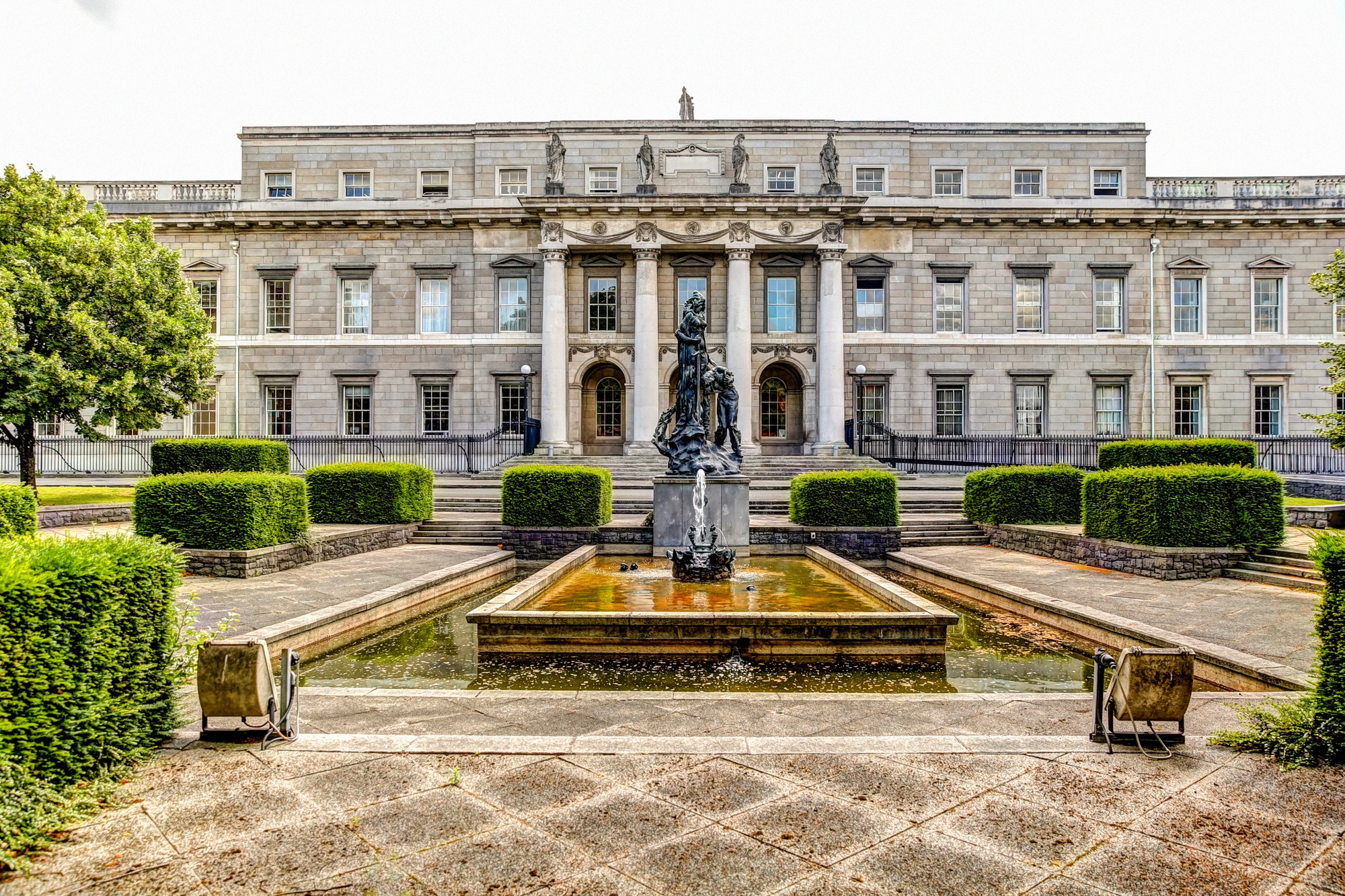
Ireland's Government Buildings on Upper Merrion Street open for free guided tours on Saturdays. Everything on tickets and getting there.
Mount Jerome Cemetery
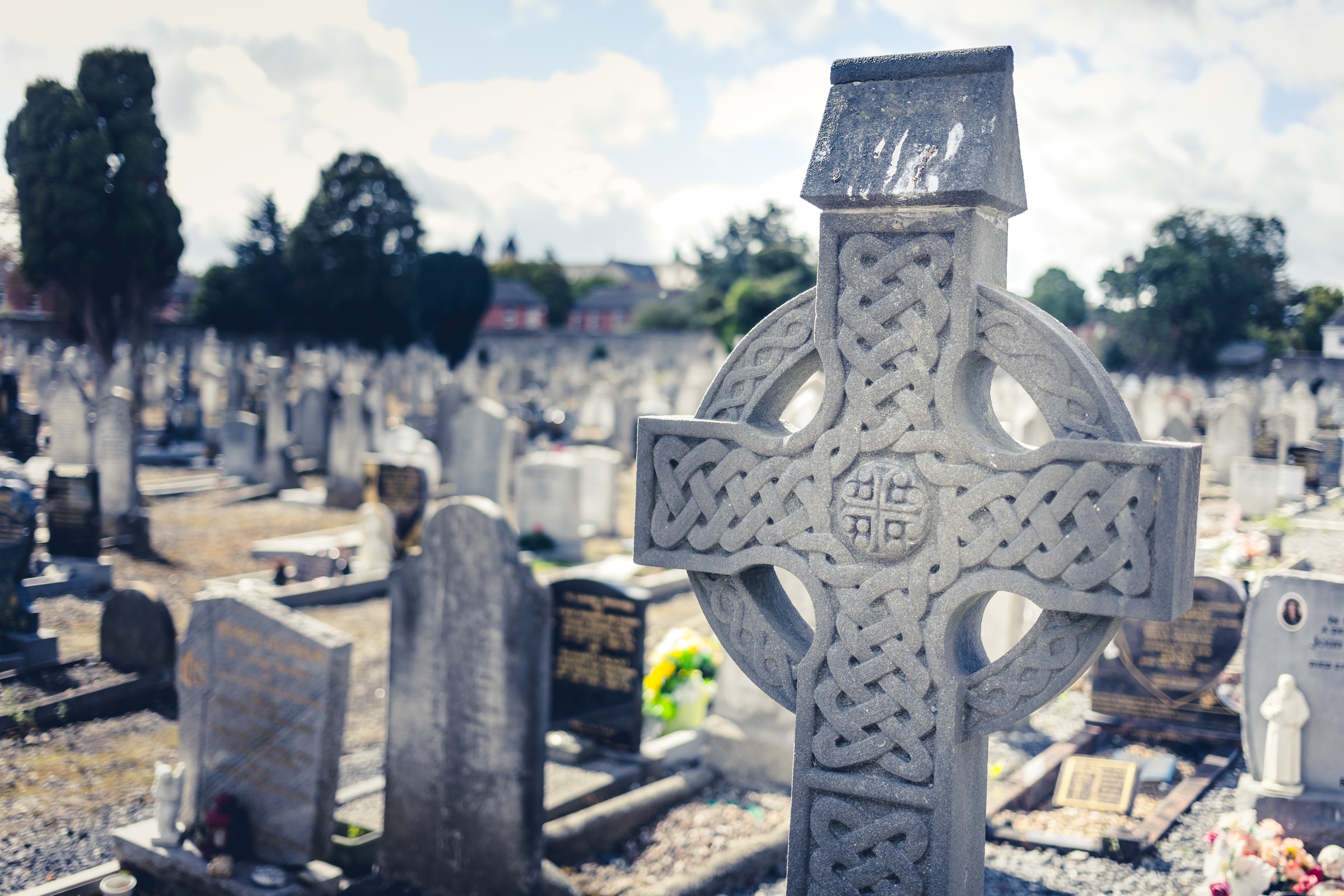
Ireland's first private cemetery, opened in 1836, with lavish Victorian vaults and graves including Jack B. Yeats and Sir William Wilde. Free admission, gates close at 16:00.