
James Joyce Tower
Martello Tower & Ulysses Landmark in Sandycove
The Martello tower in Sandycove is the opening setting of Ulysses and today a volunteer-run Joyce museum. Free admission, open Tue-Sun.
Contents
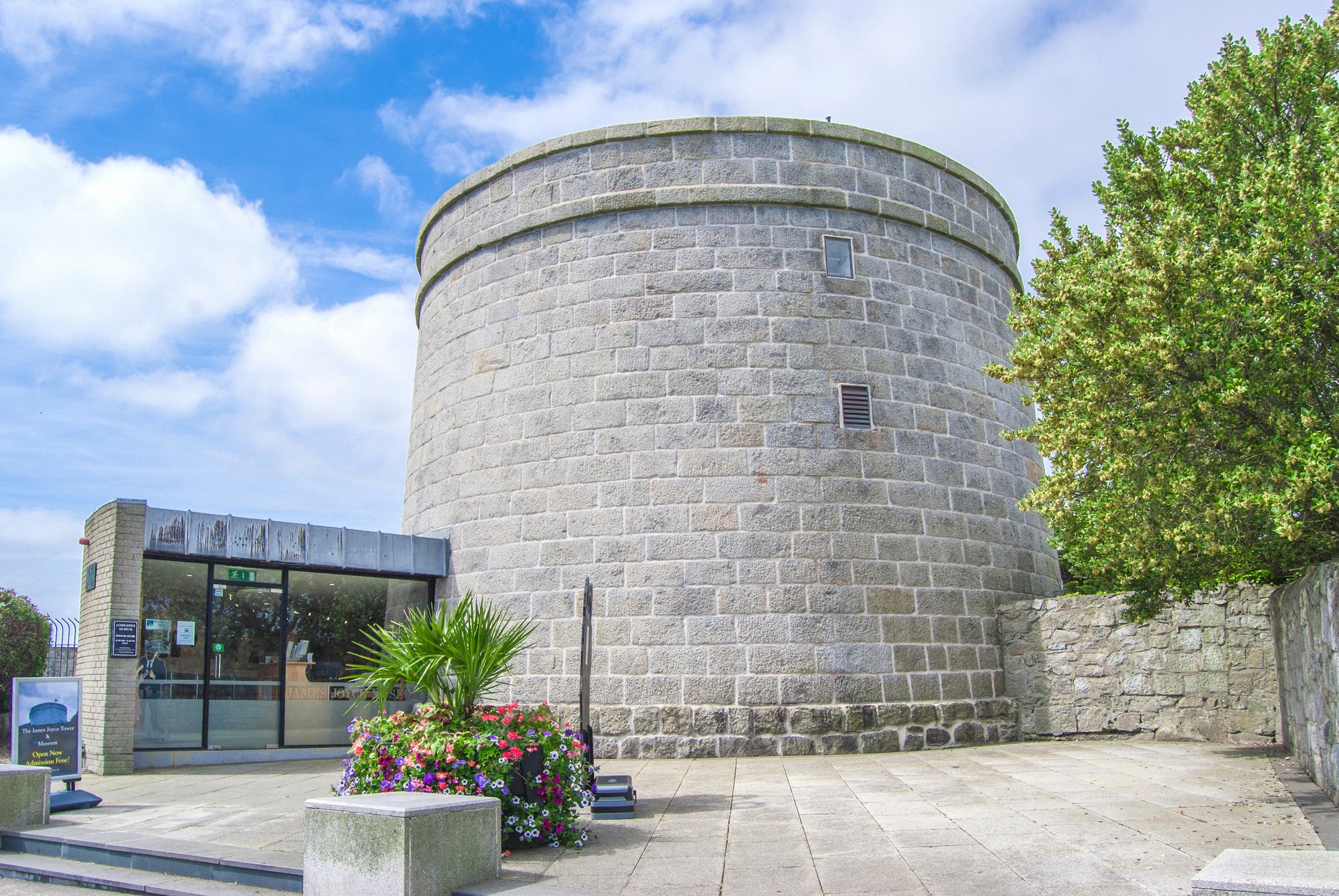
The Martello tower in Sandycove is one of the most literary spots in Ireland: it's the setting for the opening scene of James Joyce's Ulysses, and Joyce himself stayed here for six nights in 1904. Today the squat granite building houses a small, volunteer-run museum with personal belongings of the writer. Admission is free, and the climb to the roof rewards you with a view over Dublin Bay, the very same view Joyce describes in the novel.
History of the tower
The Sandycove tower belongs to a chain of Martello towers built along the Irish coast between Dublin and Bray from 1804 onwards. The British authorities had these round fortified towers built from solid granite, with walls a metre thick, as an early-warning system against a possible Napoleonic invasion. Once the Napoleonic threat had passed, they quickly lost their military purpose.
In 1954, the Irish architect Michael Scott acquired the tower. Together with the director John Huston and the Dublin artist John Ryan, he converted it into a museum. It opened on 16 June 1962, deliberately timed to fall on Bloomsday, the day on which Ulysses is set. Ryan had already organised the first Bloomsday festival back in 1954, together with the writer Brian O'Nolan.
Joyce at the tower
From 9 to 14 September 1904, the 22-year-old James Joyce stayed six nights at the tower. His host was Oliver St. John Gogarty, a university friend who had rented the tower from the War Office. Joyce fled the tower in haste after a night-time incident involving a loaded revolver. That very morning after is the opening scene of Ulysses: Gogarty was immortalised as "Buck Mulligan", and the novel opens with the words "Stately, plump Buck Mulligan".
If you want to dig deeper into Joyce's Dublin, the James Joyce Cultural Centre in the city centre is a rewarding follow-up stop. For an overview of the city's literary heritage, see the guide to literary Dublin.
The exhibition
The museum displays personal items from Joyce's estate: his guitar, a waistcoat, and various first editions of Ulysses. Among the exhibits is also a "Plumtree's Potted Meat" jar, mentioned several times in the novel. The upper floor has been furnished with furniture and everyday objects to evoke how Joyce and his friends might have lived there in 1904. A ceramic black panther by the fireplace nods to a dream sequence involving the character Haines.
From the roof of the tower, there's a panoramic view over Dublin Bay, the same view Joyce describes in the opening scene, as Stephen Dedalus looks out over the "snotgreen sea". The tower is small: the exhibition room, the furnished upper floor and the viewing roof can all be seen in around 30 to 45 minutes.
Bloomsday and events
On 16 June, Bloomsday, the tower turns into the setting for literary celebrations. Visitors in Edwardian dress gather in the morning, readings from Ulysses take place at several spots, and while the programme is free, booking is usually required. On this day the tower typically opens earlier than usual and gets correspondingly busy. If you want to experience the atmosphere without the crowds, a normal weekday morning is a better bet.
The theatre company Volta regularly performs episodes from Ulysses inside the tower itself, including the opening episode "Telemachus" and "Cyclops". Current dates and bookings are listed on joycetower.ie.
Forty Foot
Right below the tower lies the "Forty Foot" bathing spot. Originally a men-only nude bathing place, it's now open to everyone and one of Dublin's most popular swimming spots. It also features in Ulysses, where Buck Mulligan heads down for his morning swim. It's worth the short walk along the water almost regardless of whether you visit the museum.
Visiting and getting there
Admission is free, the museum is run by volunteers, and donations are welcome. Individual visitors don't need to book, walk-ins are explicitly welcome. Only groups of 15 or more should book in advance via the official website.
- Opening hours: Tuesday to Sunday 10:00-16:00, closed on Mondays. A special programme runs on Bloomsday.
- Accessibility: the tower is not wheelchair accessible; the stairs to the upper floor and roof are narrow and steep.
- Getting there: DART to Sandycove and Glasthule, then about a 10-minute walk; buses 59 and 111 are an alternative. The tower lies around 14 km south of the city centre.
- Tip: the DART runs right along the bay, and the trip pairs well with a visit to the neighbouring seaside town of Dún Laoghaire.
Frequently asked questions
How much does it cost to visit the James Joyce Tower? +
When is the James Joyce Tower open? +
Do I need to book in advance for the James Joyce Tower? +
How do I get to Sandycove for the James Joyce Tower? +
Is the James Joyce Tower accessible for wheelchair users? +
Nearby
Poolbeg Lighthouse
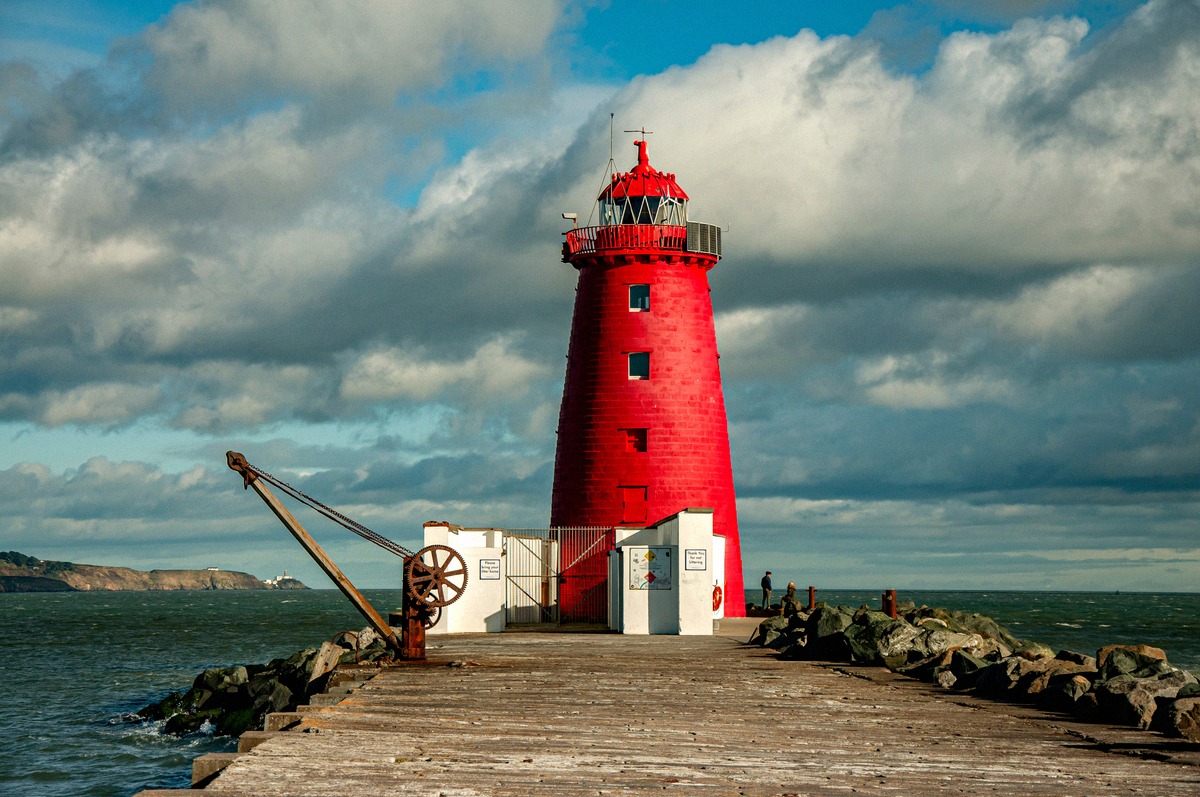
The red Poolbeg Lighthouse at the end of the Great South Wall is the goal of one of Dublin's finest coastal walks, with everything on the route, getting there and tower tours.
National Print Museum
Ireland's printing museum in the Garrison Chapel of Beggars Bush Barracks (Dublin 4) displays working typesetting and printing machines. Free admission, paid tours.
Bray Town Hall
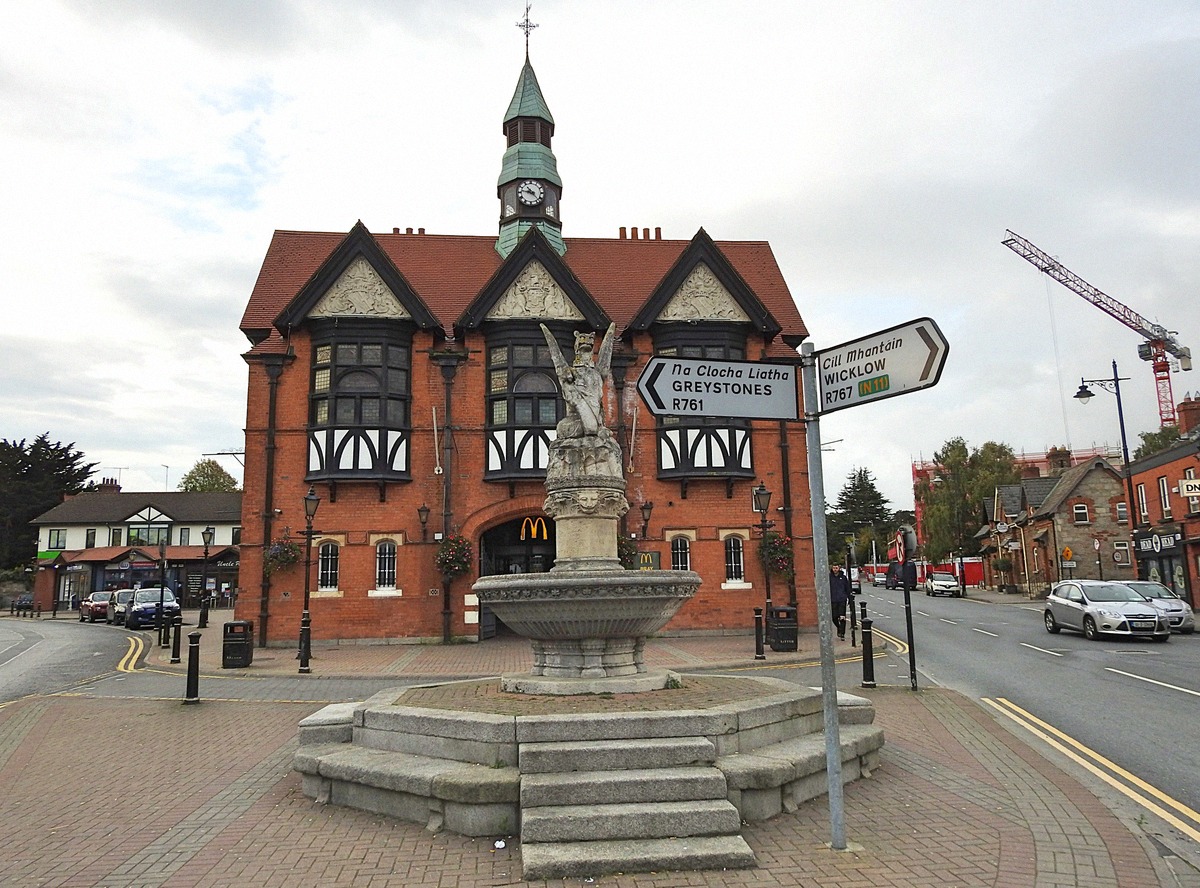
Bray Town Hall (Town Hall and Market House), built 1879-82 in Tudor style, was a gift from the Brabazon family, now a photo stop atop Main Street.
Government Buildings
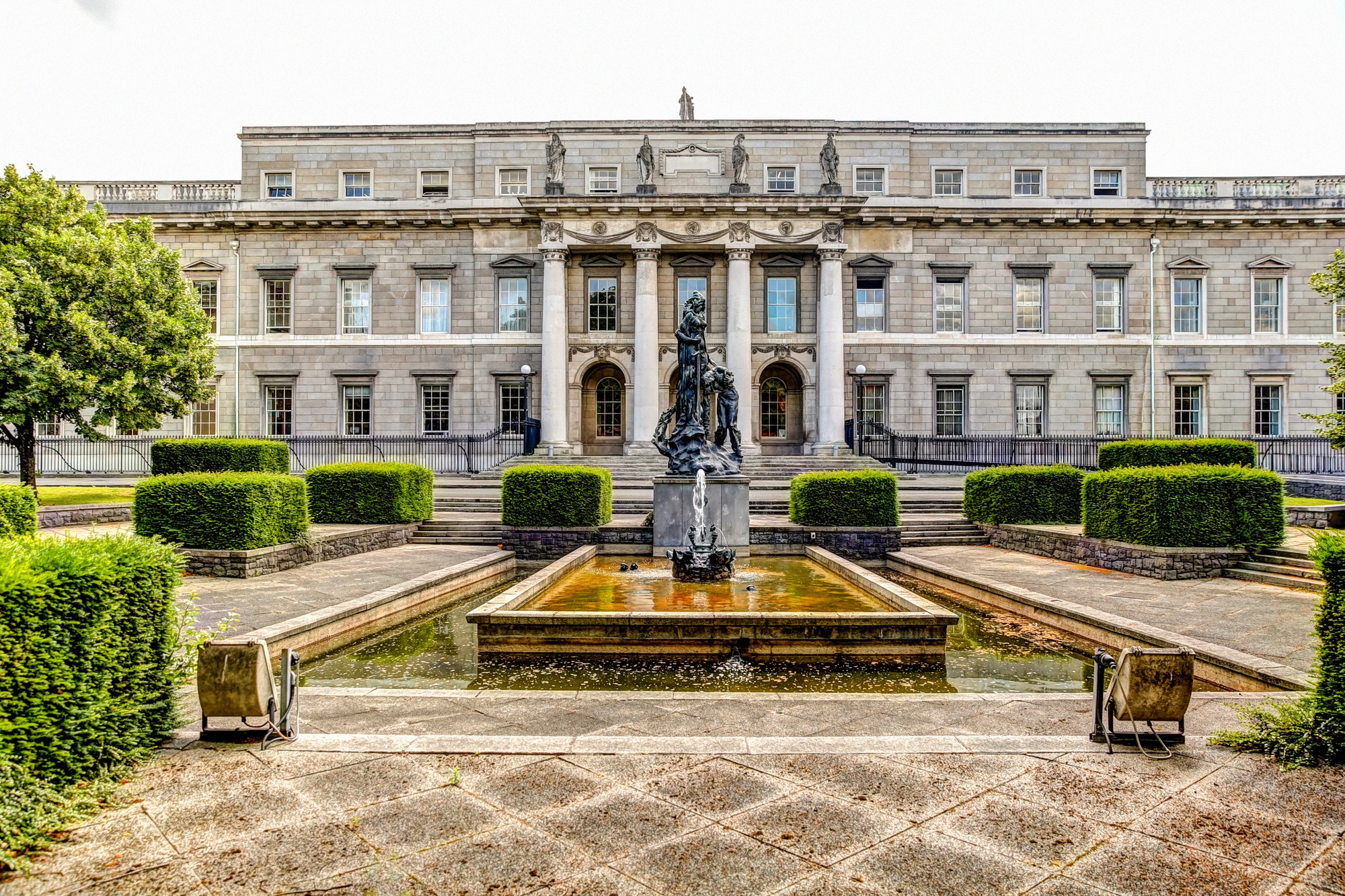
Ireland's Government Buildings on Upper Merrion Street open for free guided tours on Saturdays. Everything on tickets and getting there.
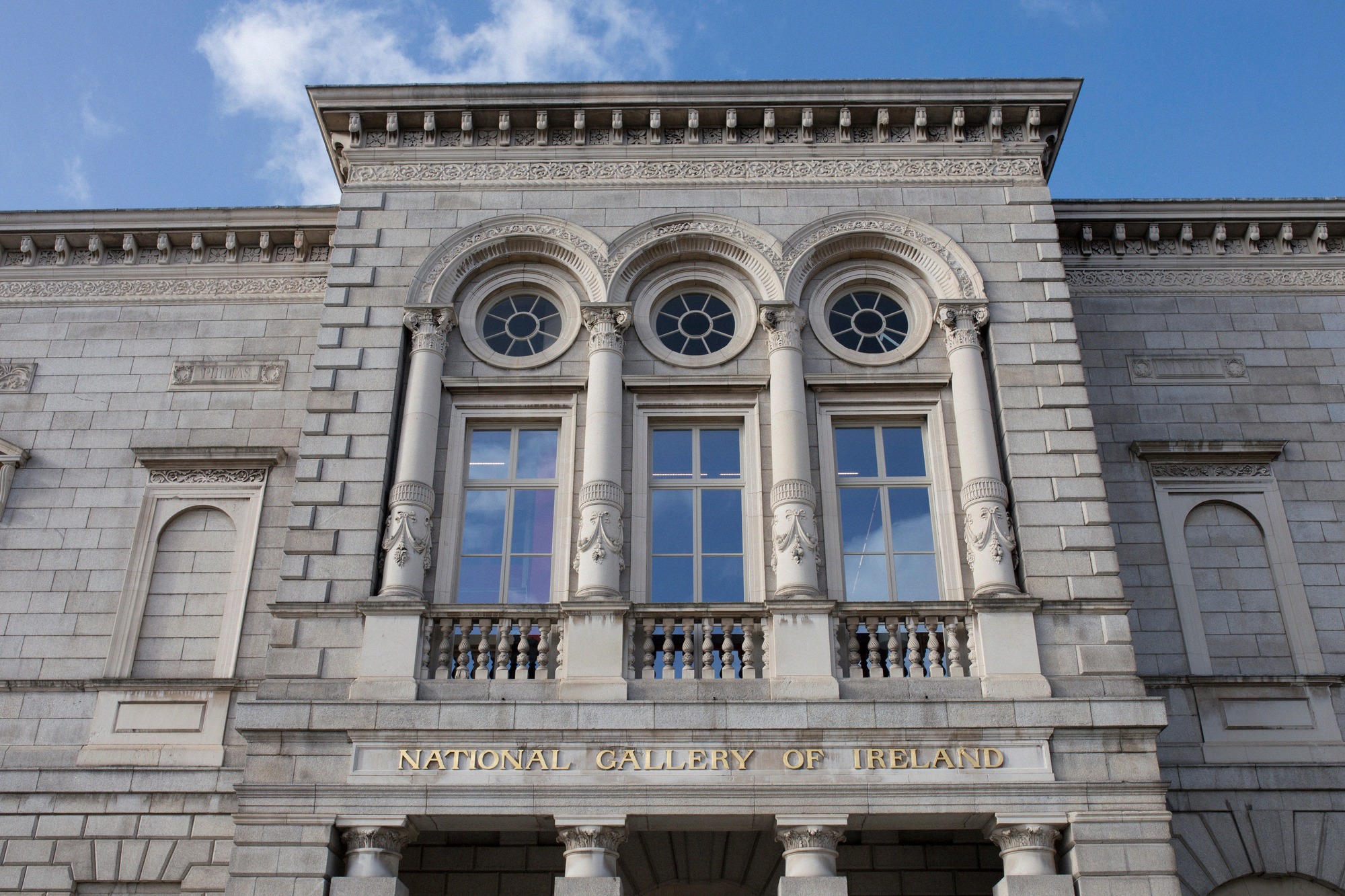
National Gallery of Ireland
Ireland's National Gallery on Merrion Square shows Caravaggio, Vermeer and Jack B. Yeats, free admission. Opening hours, access and tips for your visit.
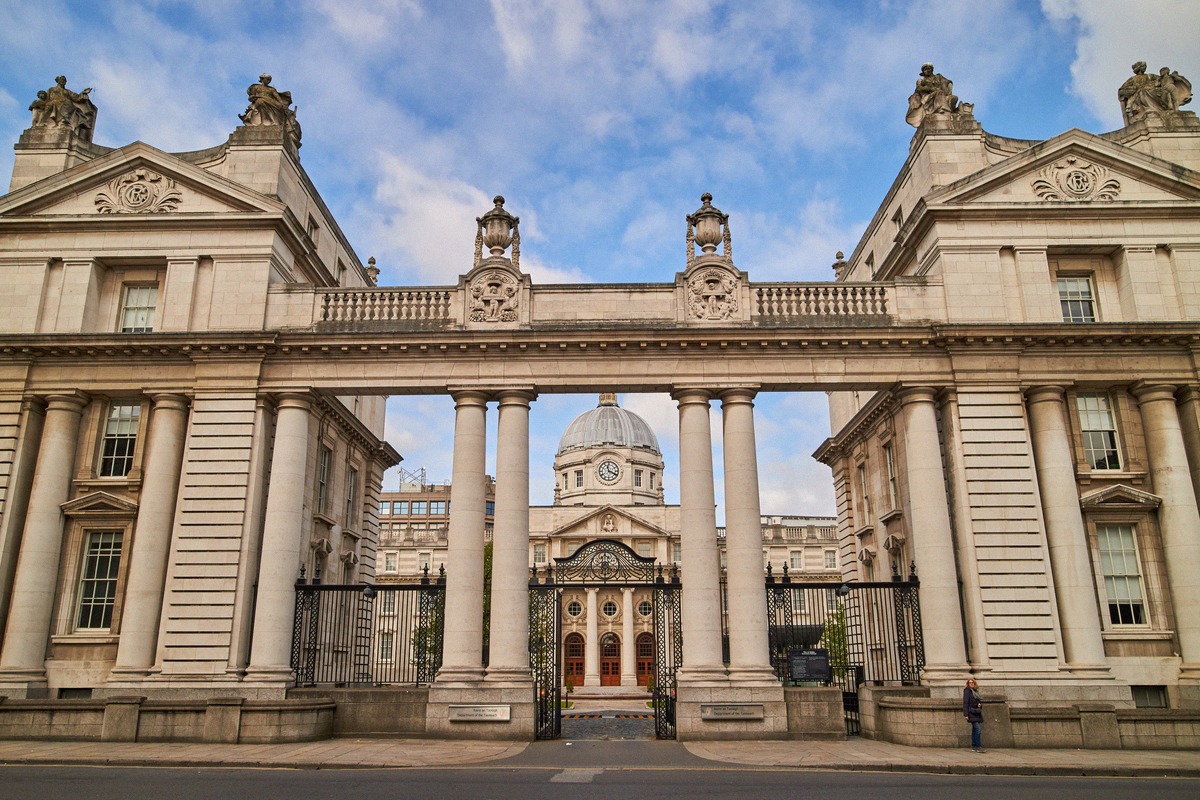
Leinster House
Leinster House on Kildare Street is home to the Irish Parliament, where the Dáil and Seanad sit. Tours run only via a TD or Senator, plus a free 3D tour.