
Rathfarnham Castle
Fortified 1583 manor house in south Dublin
One of Ireland's earliest surviving fortified manor houses, built in 1583 and remodelled as a Georgian country residence in the 18th century.
Contents
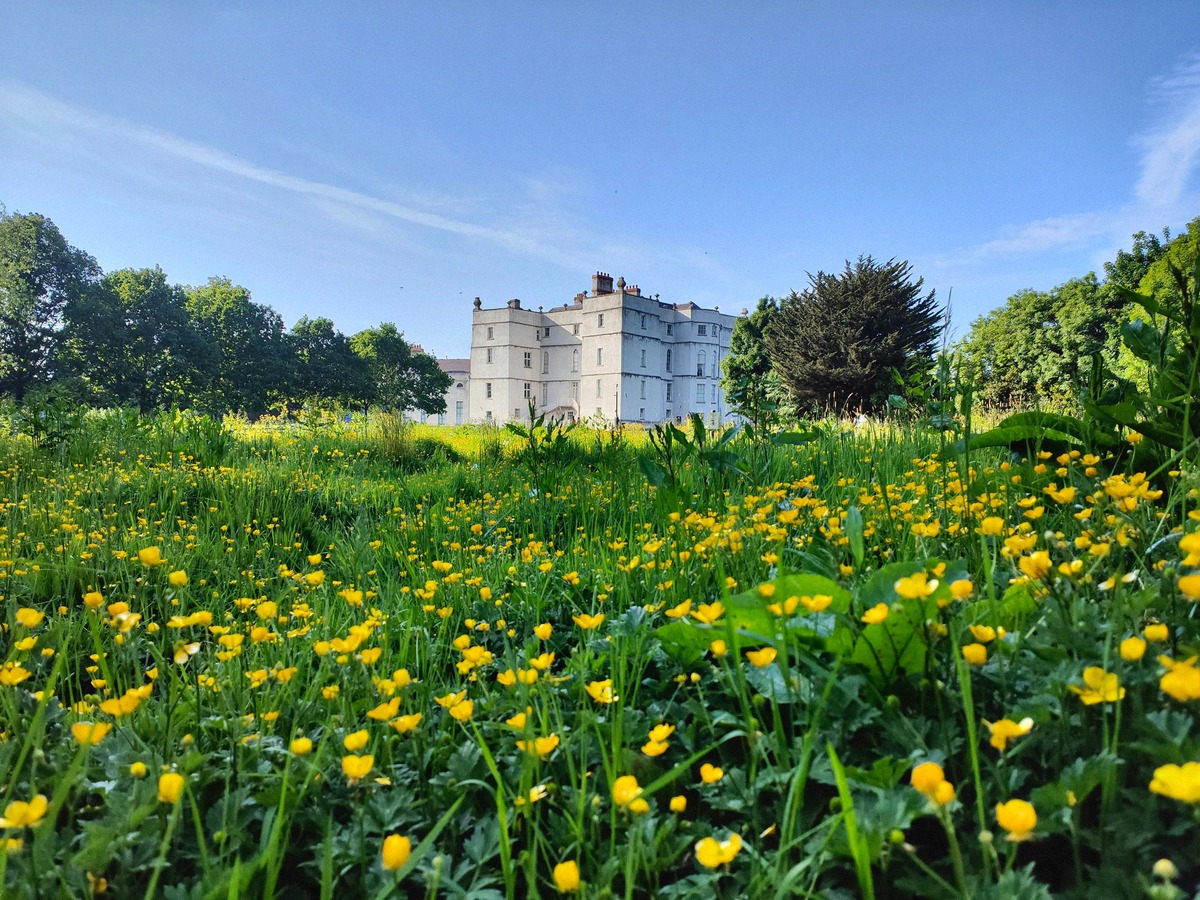
Rathfarnham Castle is one of Ireland's earliest surviving fortified manor houses. What began in 1583 as a defensible stronghold against the clans of the Wicklow Mountains was remodelled in the 18th century into a grand Georgian country residence. Today the castle sits in the southern suburb of Rathfarnham, a good 20 minutes from the city centre, and is managed by the Office of Public Works, a worthwhile detour away from the main tourist trail.
From stronghold to country house
Archbishop Adam Loftus (1533-1605) had the castle built in 1583 on land confiscated from the Eustace family. Originally from Yorkshire, the clergyman rose to become Archbishop of Dublin, Lord Chancellor of Ireland and the first Provost of Trinity College. The architecture was unusual for its time: four angled bastion towers at the corners allowed defenders to cover every approach through firing loops, some of which are still visible today.
The castle served as a bulwark against attacks by the Irish clans from the Wicklow Mountains. In 1600 it withstood an assault by the Wicklow clans during the Nine Years' War. During the Irish Confederate Wars (1641-1653) it changed hands several times. Tradition holds that Oliver Cromwell held a council of war here before moving on to Wexford and Drogheda.
Georgian state rooms
In the late 18th century, Henry Loftus, Earl of Ely, transformed the castle into a fashionable country residence. He commissioned two of the most celebrated architects of the day, Sir William Chambers and James "Athenian" Stuart, who created rooms such as the Ballroom, the Gilt Room and the Four Seasons Room with elaborate plasterwork and painted ceilings. Family portraits by Angelica Kauffman, Sir Peter Lely and Hugh Douglas Hamilton hang in the exhibition.
The ongoing conservation programme is deliberately left visible: in many places you can see the layers of past centuries beneath the Georgian finish, which makes a visit feel more like a glimpse behind the scenes than a fully polished showpiece. Anyone interested in historic fabric and conservation will find plenty to enjoy here.
Berkeley Costume and Toy Collection
The castle houses the Berkeley Costume and Toy Collection, costumes, dolls and toys from 1740 to 1820, assembled by the artist and collector Countess Ann Griffin Bernstorff. "Berkeley" is the name of the collection, not a historical resident of the castle; the castle itself was built by Archbishop Adam Loftus. The collection adds a glimpse of everyday life and fashion in the Georgian era to the rooms on show.
From Jesuit seminary to national monument
In 1913 the Jesuit order acquired the estate and used it as a retreat house and seminary. One of the Jesuits, Father O'Leary, built a seismograph here that recorded earthquakes worldwide. After the property was sold in 1985, demolition loomed. Public pressure led the state to acquire the castle in 1987 and declare it a national monument. Restoration has been under way since the 1990s, led by the Office of Public Works.
Visiting and practical tips
Opening hours vary considerably by season. From May to September the castle is open daily from 09:30 to 17:30 (last admission 16:45); from October to April it opens only Wednesday to Sunday and on bank holiday Mondays, from 10:30 to 17:00 (last admission 16:15). It's closed on Mondays and Tuesdays over the winter half of the year, and shut entirely from 23 to 27 December. Check the day of the week before you visit so you don't arrive at closed gates. Allow around an hour for the interior, a little more with the Costume Collection and café.
- Tickets: no online sales. Tickets are sold on site, first come first served. Adults €5.00, seniors and groups €4.00, children and students €3.00, family ticket €13.00.
- Free Wednesday: admission is free on the first Wednesday of every month, for individual visitors and families, also first come first served. Demand is high on these days, so arriving early pays off.
- Tours: group tours can be arranged in advance on 01 493 9462 or by email to the castle.
- On site: car park (with space for coaches), café and accessible toilets.
Getting there
Bus routes 16, 15B and 16D stop directly at Rathfarnham Castle. By car it's around 20 to 25 minutes from the city centre; there's a car park on site. For tips on fares and tickets, see the guide to the Leap Card and the overview of public transport.
Combine with your visit
Rathfarnham lies in south Dublin and fits well into a day built around historic buildings. In the city centre, Dublin Castle tells 800 years of Irish history, while in the north, Malahide Castle pairs castle architecture with sprawling gardens. More sites are gathered in the overview of Castles and Ruins. If you're visiting several top attractions, the Dublin Pass may pay off.
Frequently asked questions
How much does it cost to visit Rathfarnham Castle? +
When is Rathfarnham Castle open? +
Can I book Rathfarnham Castle online? +
How do I get to Rathfarnham Castle? +
Nearby
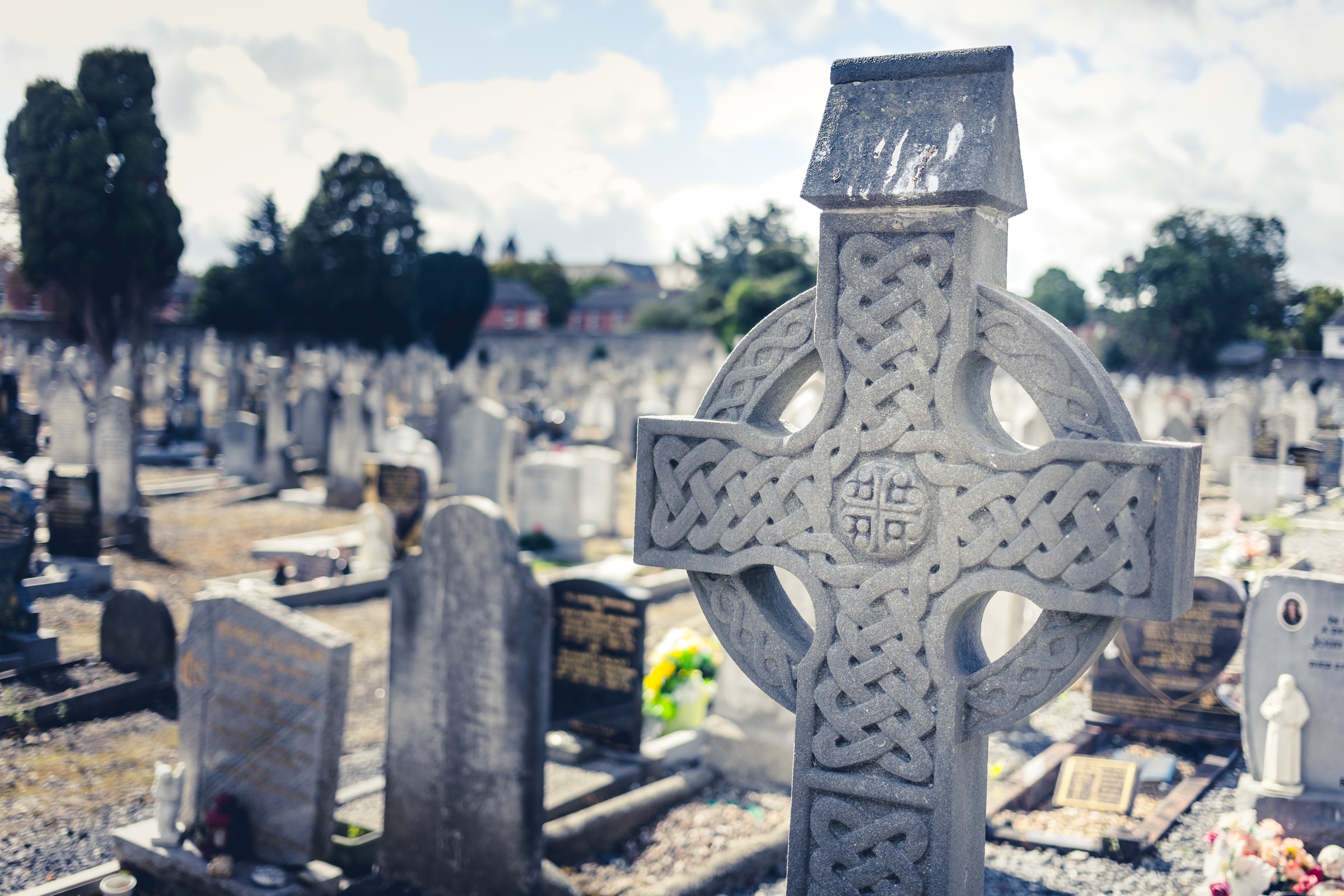
Mount Jerome Cemetery
Ireland's first private cemetery, opened in 1836, with lavish Victorian vaults and graves including Jack B. Yeats and Sir William Wilde. Free admission, gates close at 16:00.
MoLI
The Museum of Literature Ireland, set in two Georgian townhouses, displays "Copy No. 1" of Joyce's Ulysses and celebrates Irish literature.
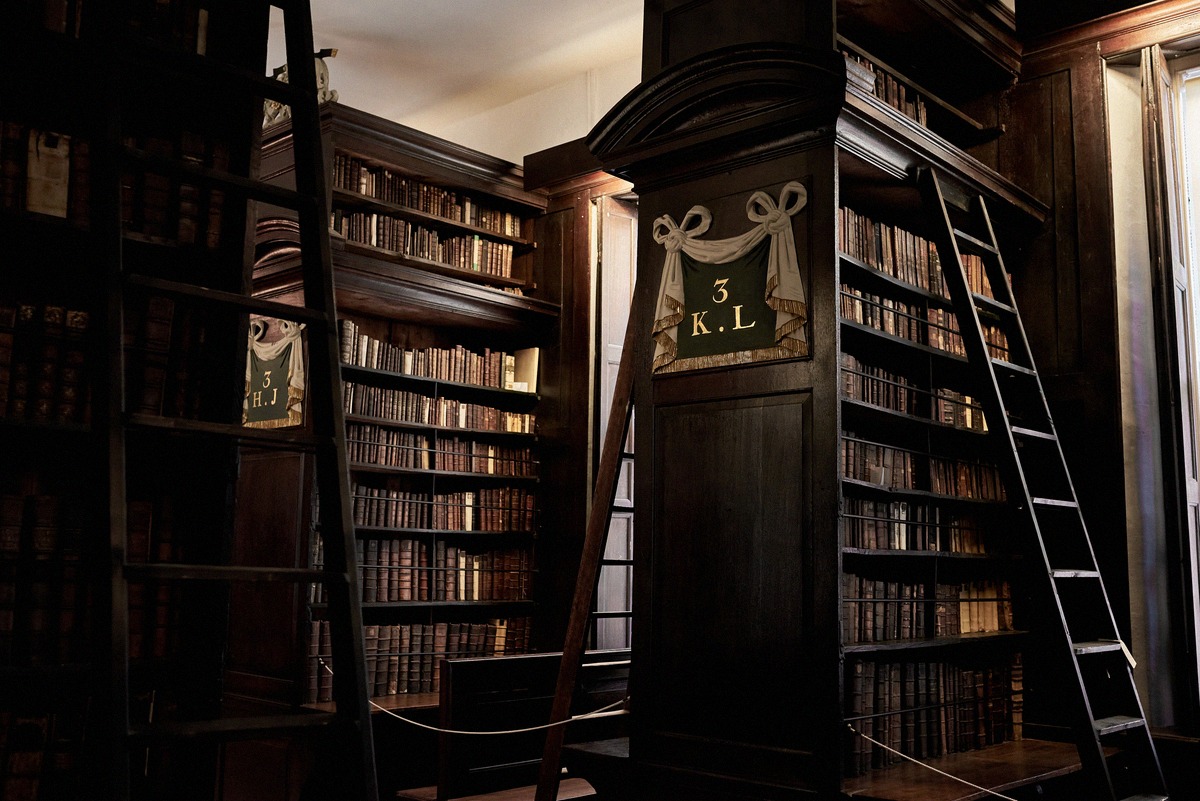
Marsh's Library
Marsh's Library, tucked behind St Patrick's Cathedral, is Ireland's oldest public library, almost unchanged since 1707. Hours, prices and tips.
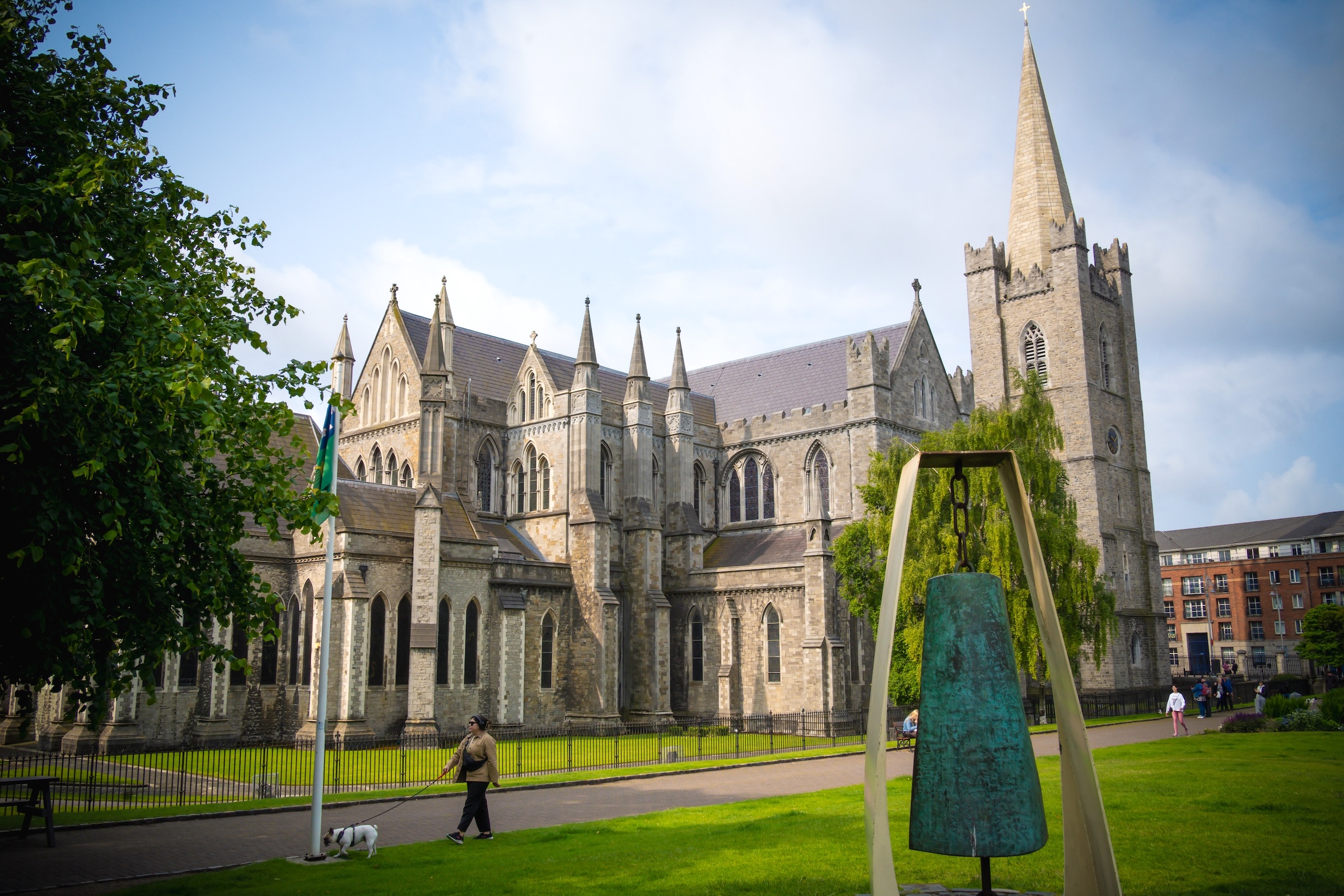
St Patrick's Cathedral
Gothic national cathedral of the Church of Ireland with over 800 years of history, the tomb of Jonathan Swift and the famous Door of Reconciliation.
St Stephen’s Green
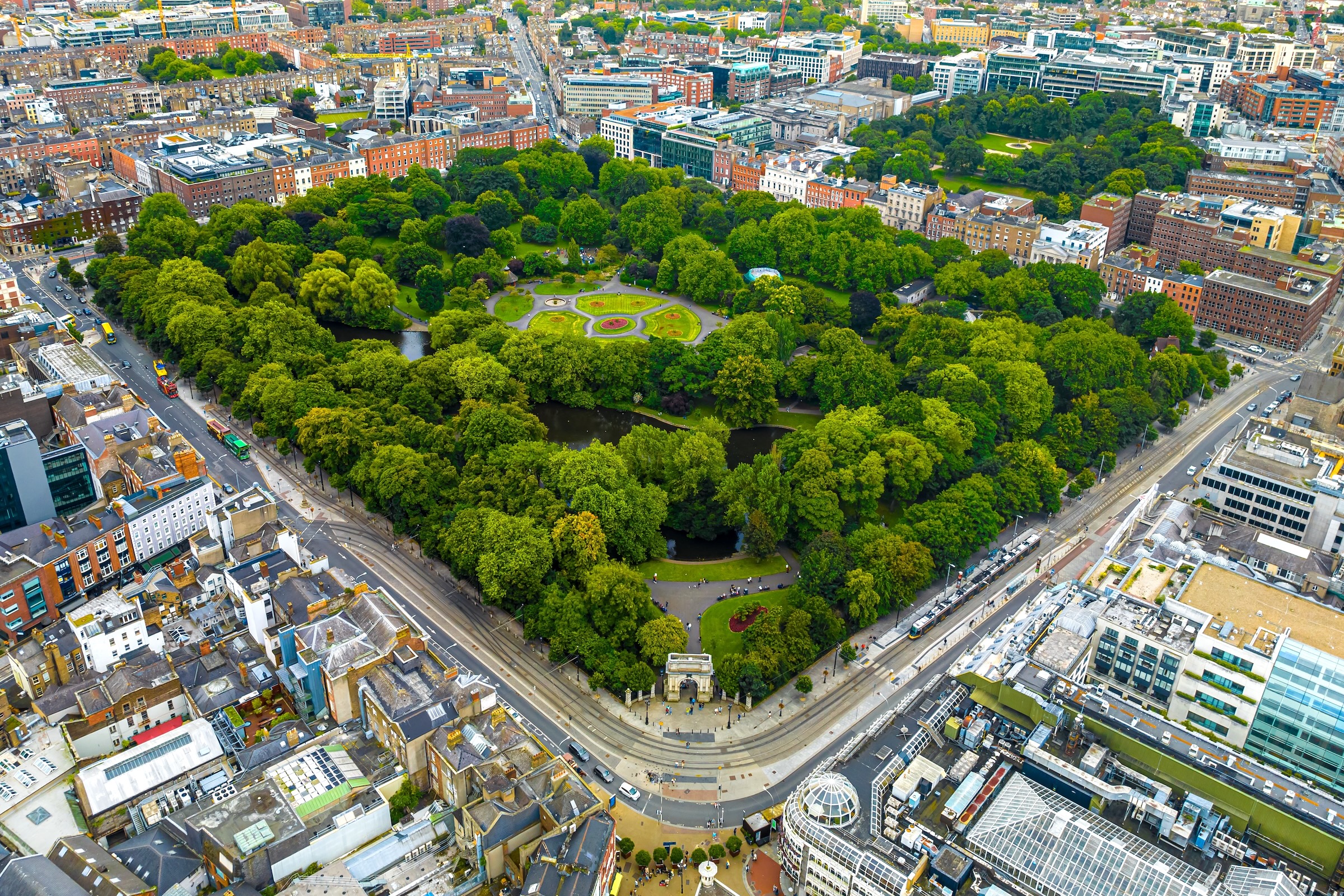
Dublin's central park at the end of Grafton Street, laid out in Victorian style, with an ornamental lake, over 750 trees, an open-air sculpture garden and traces of the 1916 Easter Rising.
Whitefriar Street Church
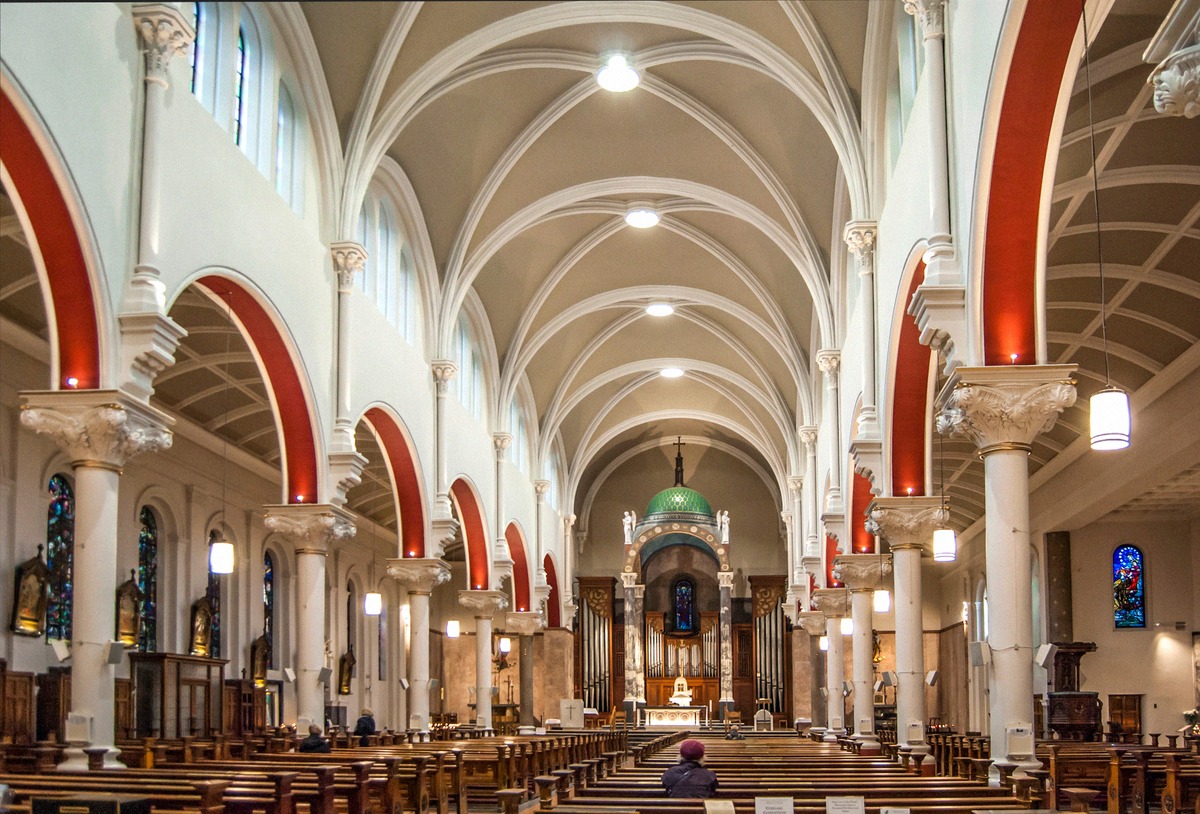
The Church of Our Lady of Mount Carmel holds the relics of St Valentine and "Our Lady of Dublin", Ireland's oldest statue of Mary.