
Smithfield Horse Fair
Traditional horse fair held twice a year
Twice a year, Smithfield Square turns into a traditional horse fair. Free to attend, unusual, and controversial ever since.
Contents
Twice a year, Smithfield Square becomes a horse fair for a few morning hours in a way you would hardly expect in a European capital. Between modern apartment blocks, horses are traded, assessed and bought on a handshake over cobblestones. The fair is free, unusual and controversial all at once. Anyone who times their visit right sees a piece of Dublin tradition that holds its ground against regulation and changing times.
What it is
The Smithfield Horse Fair is a traditional, trader-run horse market. There is no organiser in the usual sense: Dublin City Council regulates and licenses the fair but does not run it. Trading centres mainly on sturdy working and draught horses and ponies, along with carts, harness and tack. Reports suggest up to around fifty horses turn up on a given day today, though there are no reliable official figures on visitor numbers or how many horses attend.
The setting is Smithfield Square in Dublin 7, a large, cobbled square on the edge of the city centre. Here, a horse still gets looked over, literally, in the mouth, before a sale is sealed, while hooves clatter and echo off the surrounding concrete buildings.
Dates and times
The fair is held only twice a year. This is set out in Dublin City Council's Smithfield Horse Fair Control Bye-Laws 2013, in force since 15 February 2013:
- First Sunday in March
- First Sunday in September
- Each time from 9:30 to 13:30
In 2026 the March date fell on 1 March, with the September date falling on the first Sunday of that month accordingly. The fair is liveliest mid-morning around the official 9:30 start, when most horses and traders are present. Things quieten down towards midday as the fair winds down at 13:30. Any trading outside these two days is unofficial, and is sometimes held as a protest against the bye-laws.
History and regulation
The horse fair has a long tradition and is regarded by many as a Smithfield institution. Its current form, though, is the result of a serious clampdown. After a violent incident in March 2011, in which two men were shot and a third injured with a slash hook, the city tightened the rules considerably. There had already been earlier incidents, including a horse bolting in 2002.
The 2013 bye-laws have since required:
- A limit of two dates a year, rather than a weekly or monthly market
- Horses may not trot or gallop and must be led by someone over 16
- Anyone bringing a horse to the fair needs a Casual Trading Licence costing €10 and must provide identification, including a PPS number
- Fines of up to €1,900 for breaches
Dublin City Council has repeatedly made clear it has no plans to relax the restrictions. Today the fair runs in a hybrid form, part trading, part protest against those very rules. It has not been discontinued: a report from 1 March 2026 documents an active, well-attended fair with horses, carts, families, traders and a visible Garda presence.
Is it worth a visit?
That depends heavily on whether you time it to coincide with one of the two dates. Outside those two Sundays, Smithfield Square is a cobbled square like many others. On fair days, though, you get a scene that feels almost out of time for a modern capital city, in the best and the more questionable sense at once.
Bear in mind this is not a curated tourist attraction but a working trading ground with horses in close quarters. Animal welfare groups have long criticised the fair. Keep your distance from the animals, watch children closely, and expect a rough, unregulated atmosphere. Anyone who can take that in stride sees an authentic slice of Dublin subculture; anyone expecting a well-managed sight is better off elsewhere.
Getting there and practical tips
Smithfield Square sits in Dublin 7 on the northern edge of the city centre, just a short walk from the Liffey.
- Luas: Easiest by the red line to Smithfield stop, right on the square. More in the Public Transport guide.
- Bus: Several routes stop around the square.
- Admission: Free for visitors. The €10 licence applies only to traders.
- Underfoot: The square is largely cobbled, so sturdy footwear is a good idea.
The fair pairs well with Smithfield's other sights. Right next door is the Jameson Distillery Bow St., and a few minutes further along the Liffey are the Four Courts. For how the horse fair fits into the bigger picture of the city, see the overview on Irish Traditions.
Frequently asked questions
When is the Smithfield Horse Fair held? +
Is there an admission charge? +
How do I get to Smithfield Square? +
Is the horse fair an official event? +
Nearby
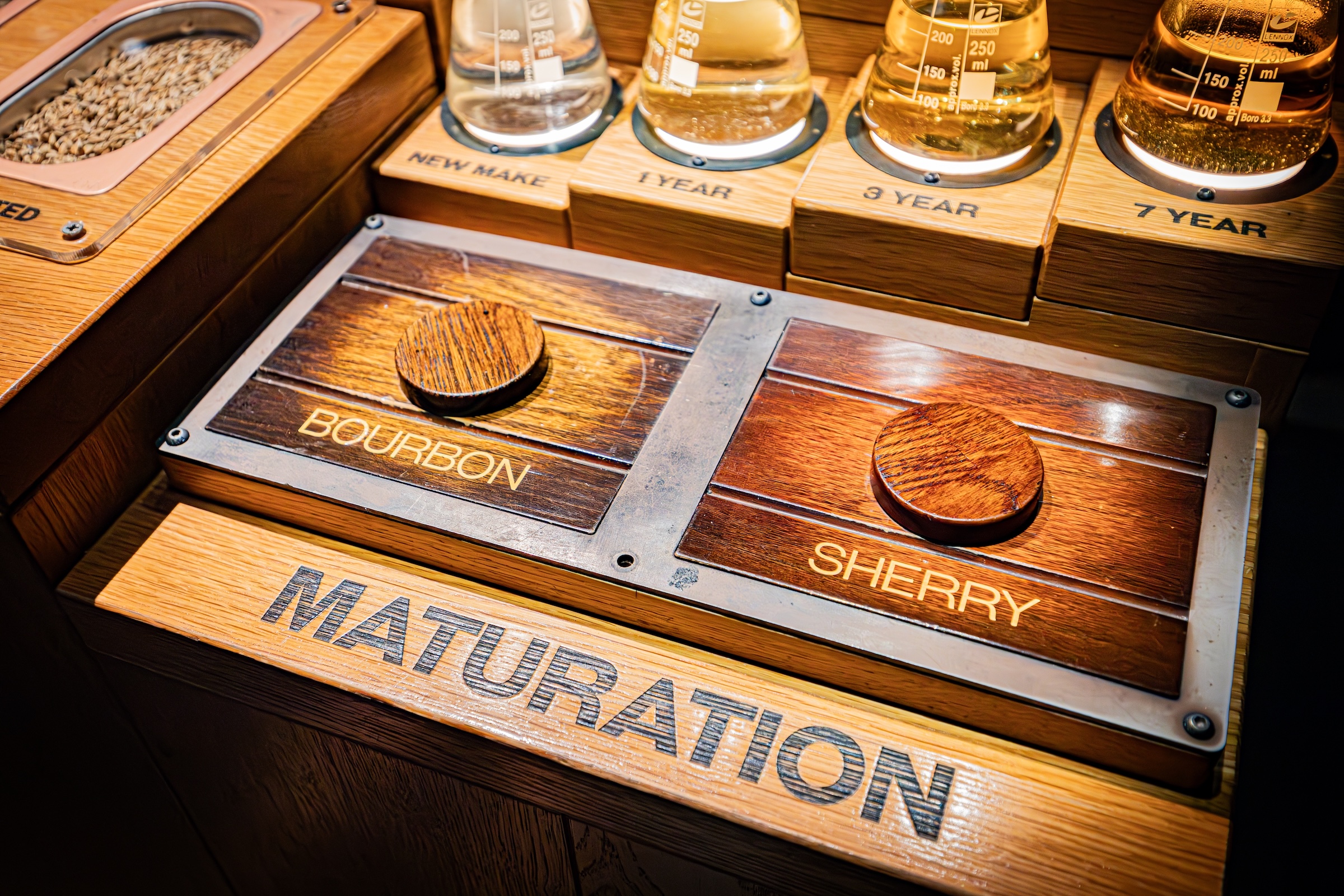
Jameson Distillery Bow St.
Ireland's most famous whiskey brand at its 1780 birthplace. The Bow St. Experience is a 40-minute walk through production and history, with a comparative tasting.
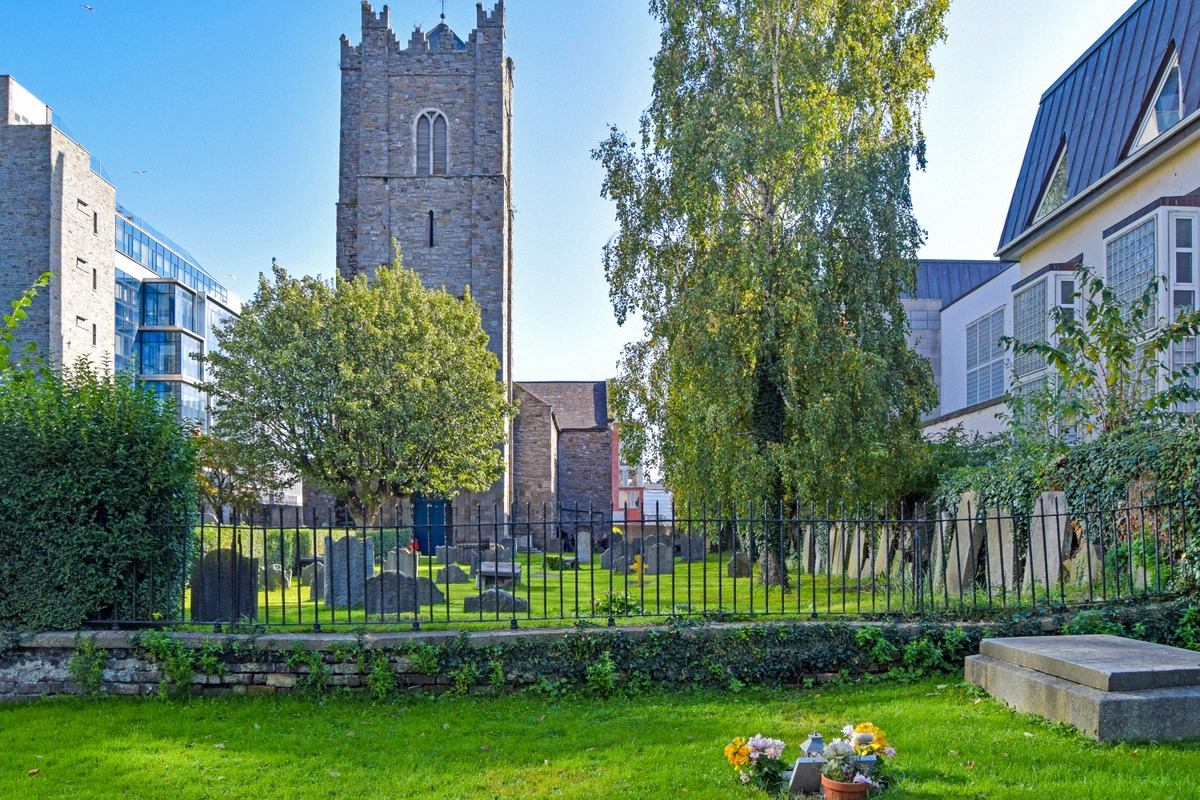
St Michan's Church
Famous crypt with naturally mummified remains, possibly an inspiration for Bram Stoker's Dracula. Crypt tours Mon-Thu only; church admission is free.
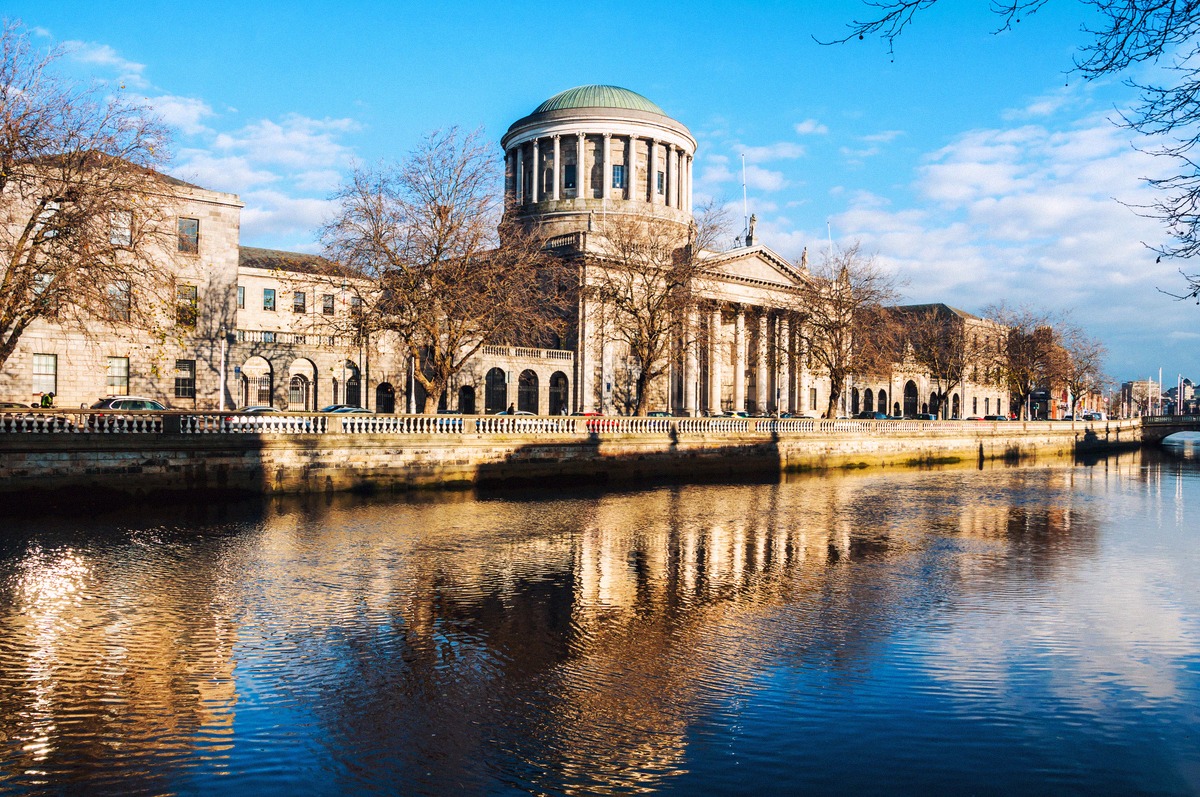
Four Courts
The Four Courts on Inns Quay is Ireland's most important courts building, designed by James Gandon. Public hearings are free to attend.
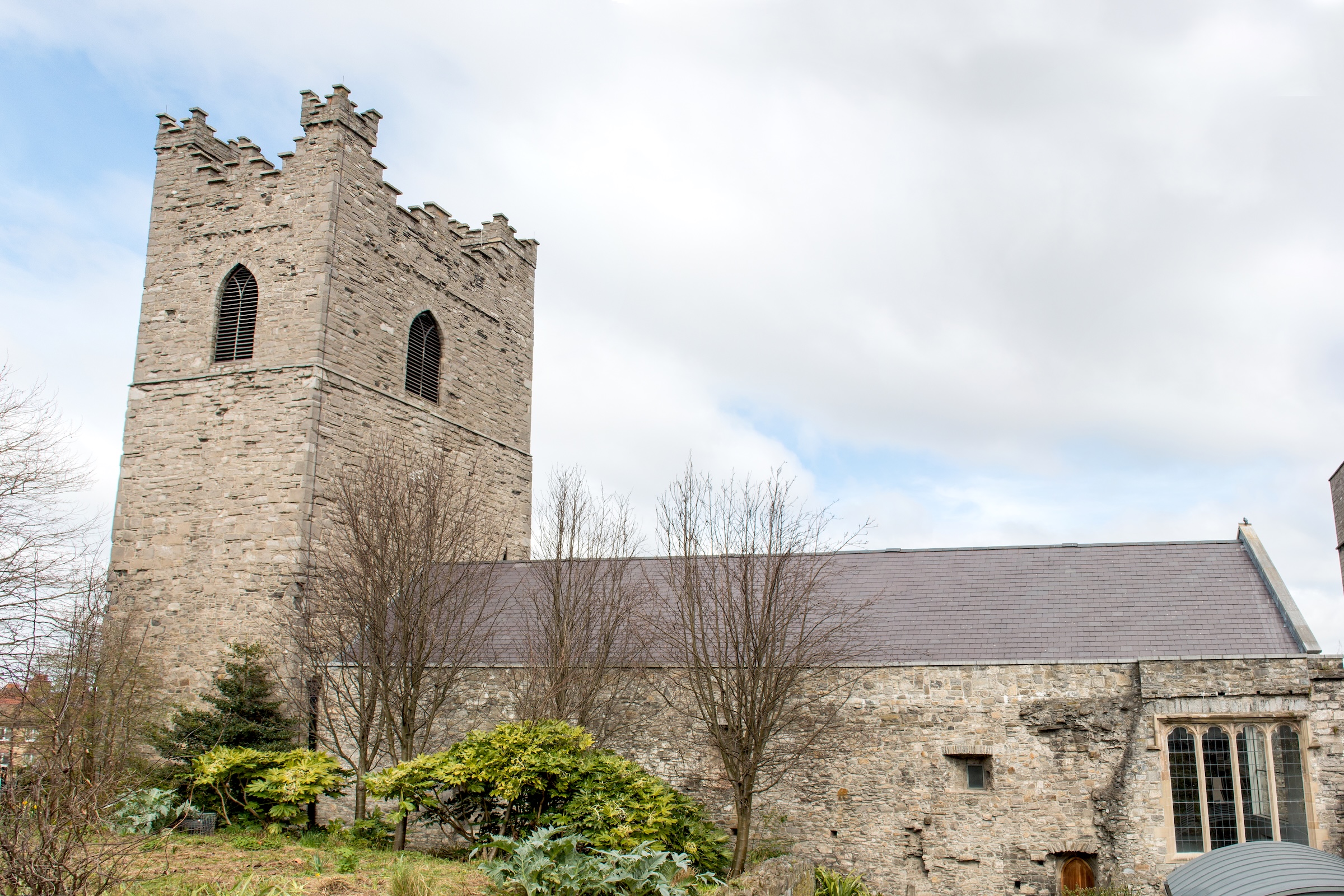
St Audoen's Church
Dublin's oldest church still in parish use, with Ireland's oldest bells and the city's last surviving medieval gate. Free admission, interior open seasonally only.
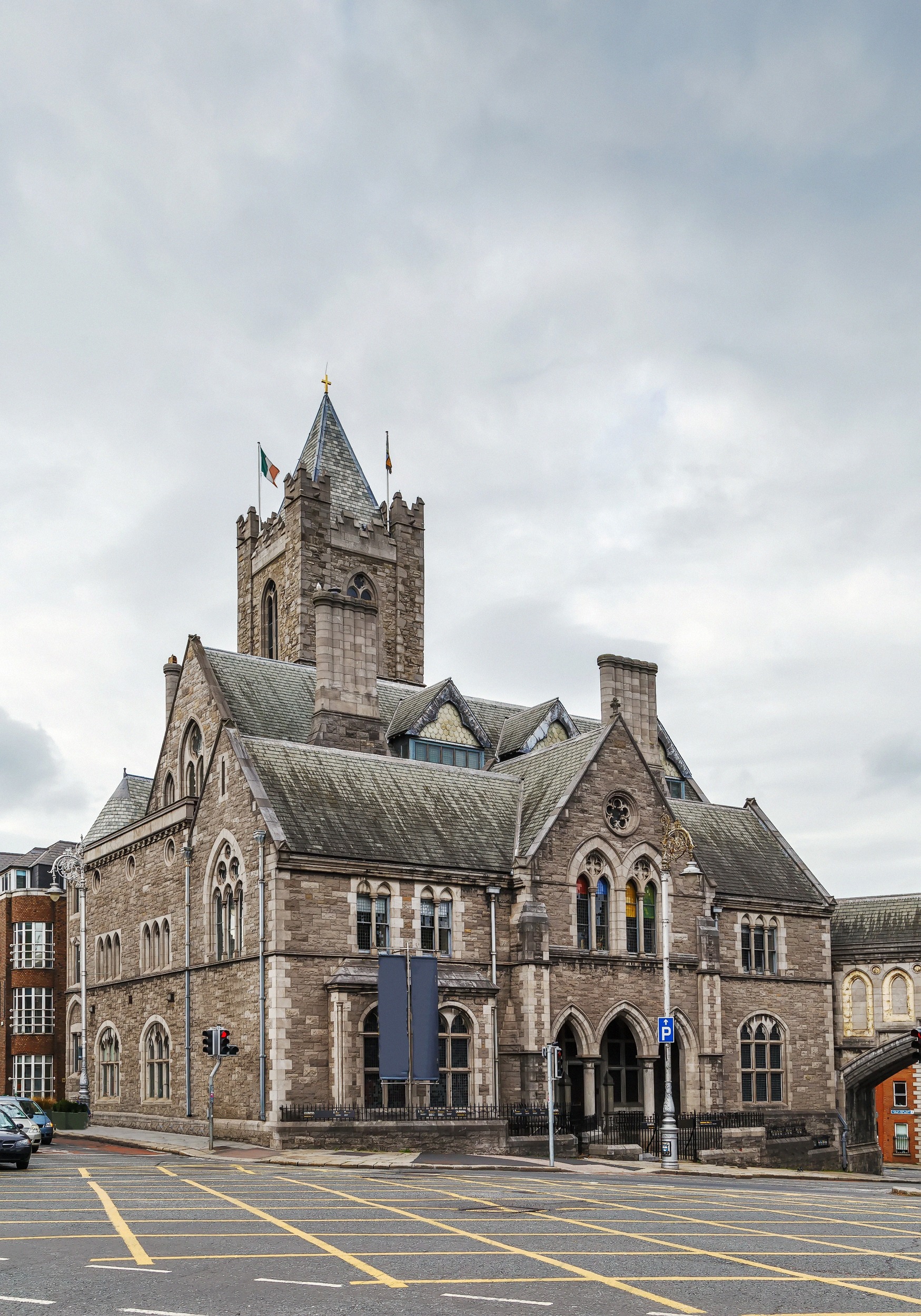
Dublinia
Hands-on Viking and medieval history next to Christ Church Cathedral. Living-history tours, interactive stations and a climb up St Michael's Tower.
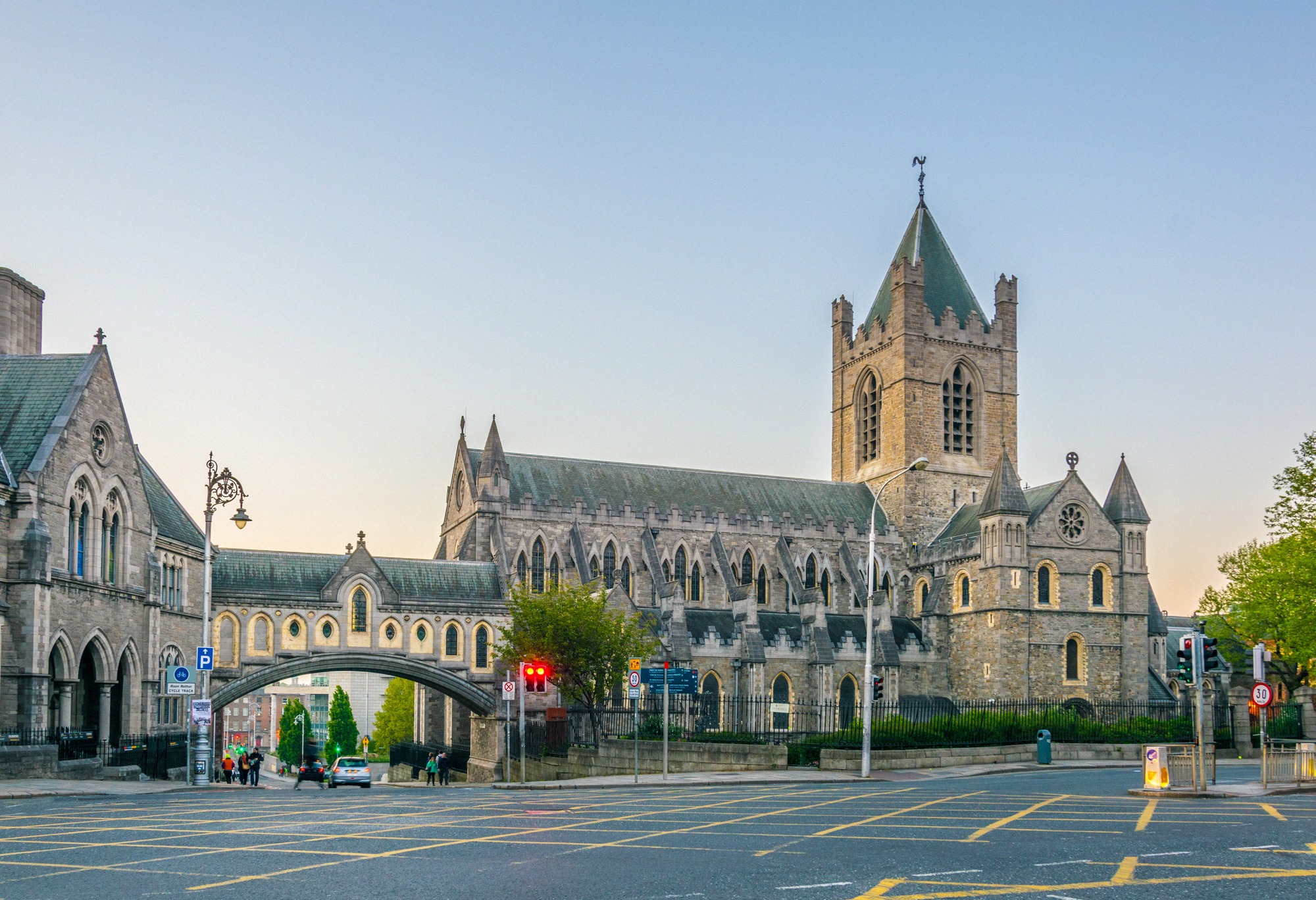
Christ Church Cathedral
Christ Church Cathedral (Cathedral Church of the Holy Trinity) is Dublin's oldest building, home to Ireland's largest crypt, Strongbow's tomb and the mummified cats Tom and Jerry.