
The Liberties
Dublin's brewery and market quarter west of the old city
Dublin's oldest working-class quarter between the Guinness brewery and St Patrick's Cathedral, with antique shops, street markets and new whiskey distilleries.
Contents
The oldest quarter in the city
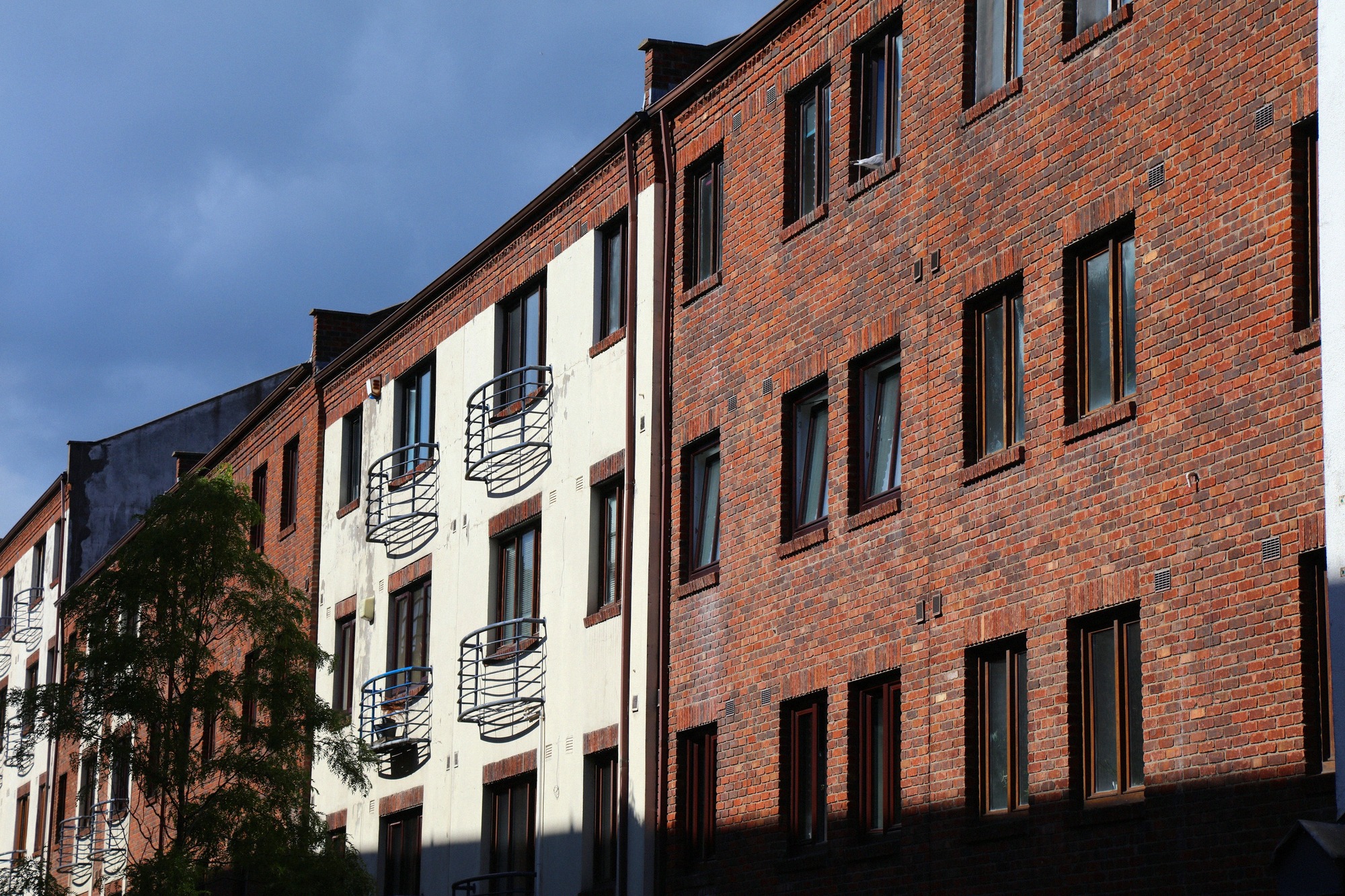
The Liberties stretch out west of the medieval old city around Thomas Street, Meath Street and Francis Street. The name goes back to the Middle Ages, when these were church-controlled districts with their own legal "liberties," sitting outside the jurisdiction of the city proper. Huguenot weavers settled here in the 17th century, and the quarter later became the centre of Dublin's brewing and distilling industry, and a densely populated working-class district whose rough-edged history is still visible in its streets today.
Guinness, whiskey and two cathedrals
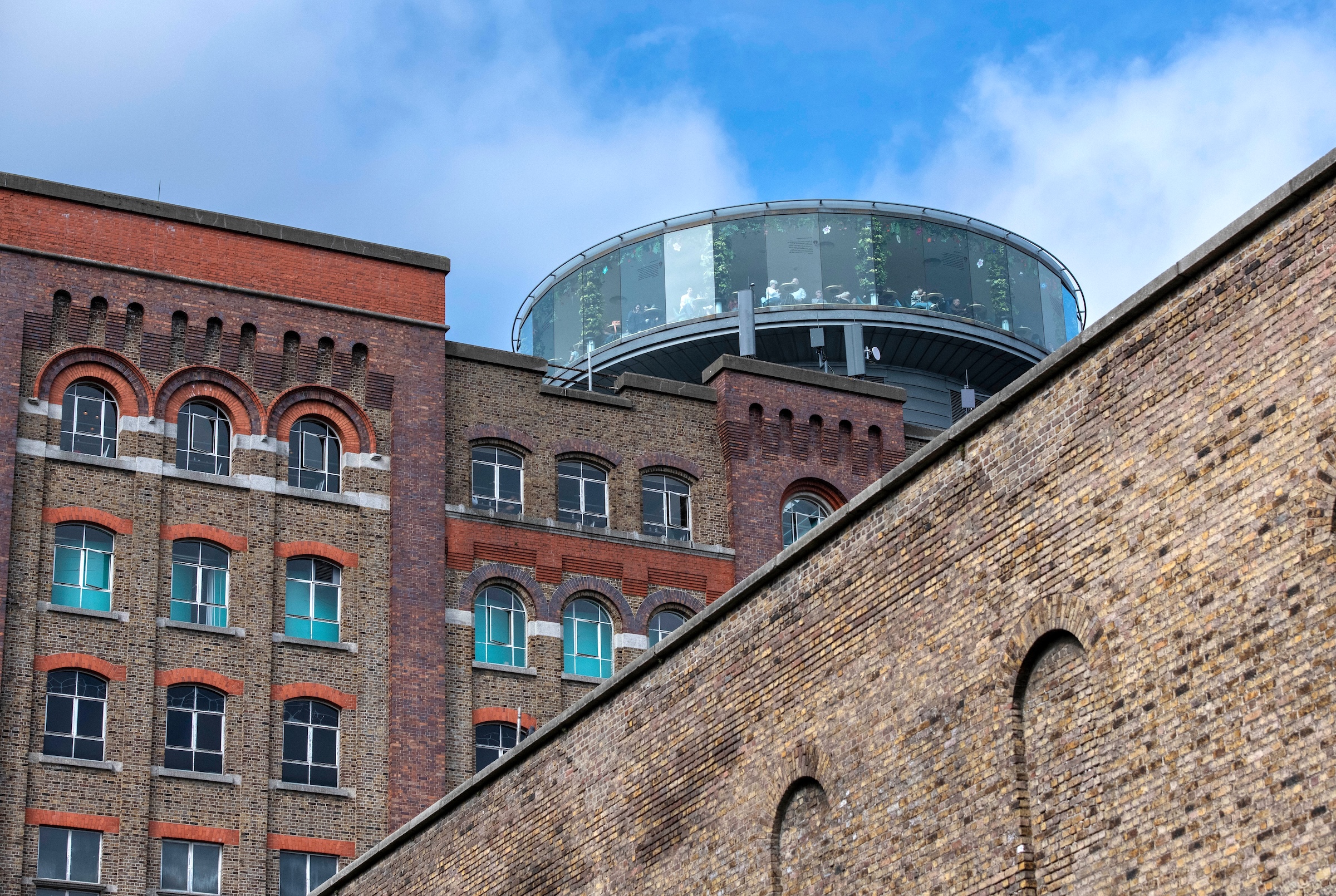
Guinness has been brewed at St James's Gate, on the western edge of the quarter, since 1759. The Guinness Storehouse is now Ireland's most-visited attraction, and the view from the Gravity Bar takes in the whole city. Whiskey is making a comeback here too: Teeling, Pearse Lyons and Roe & Co have all opened distilleries in the Liberties since 2015, more on this in the Guinness & Whiskey guide.
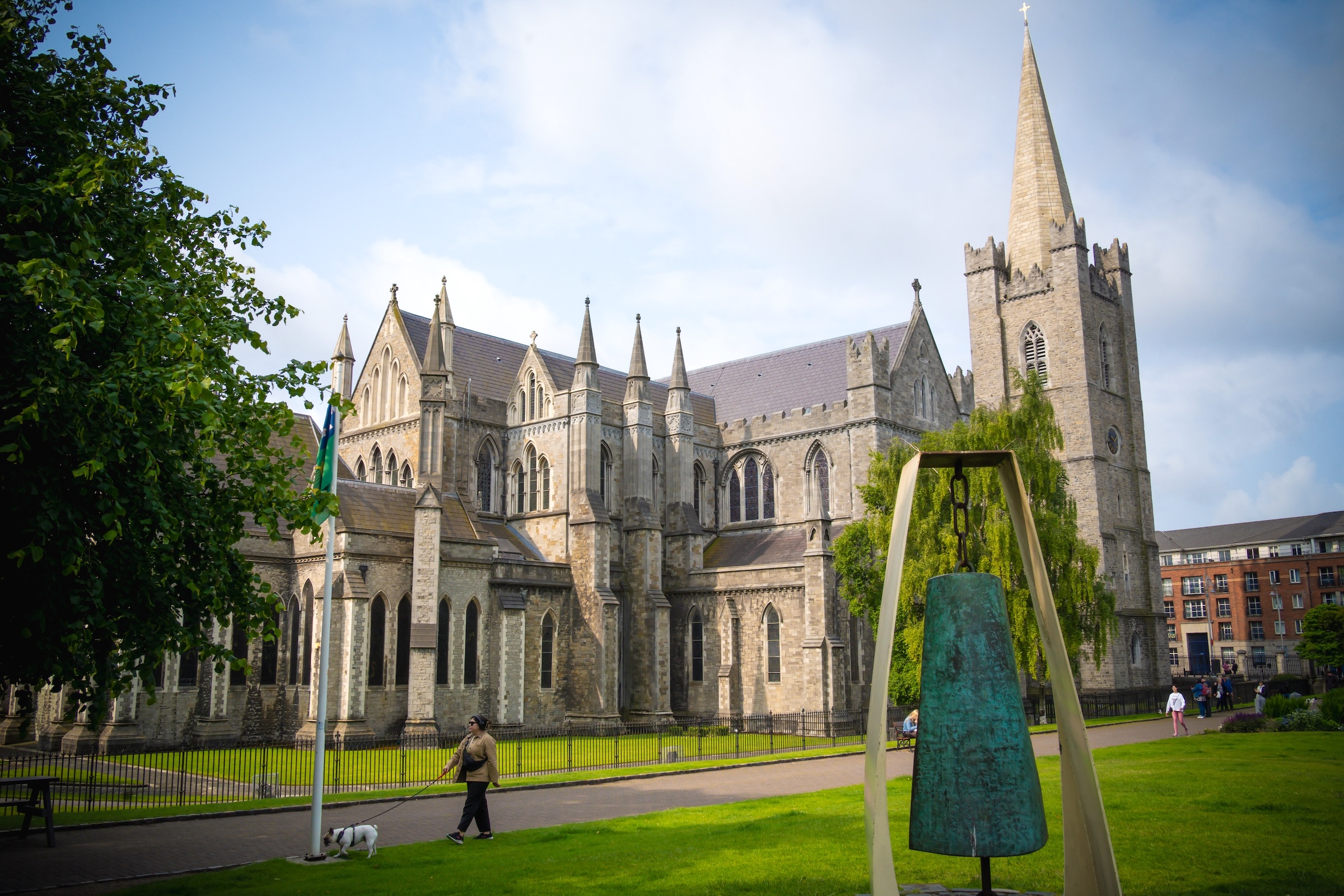
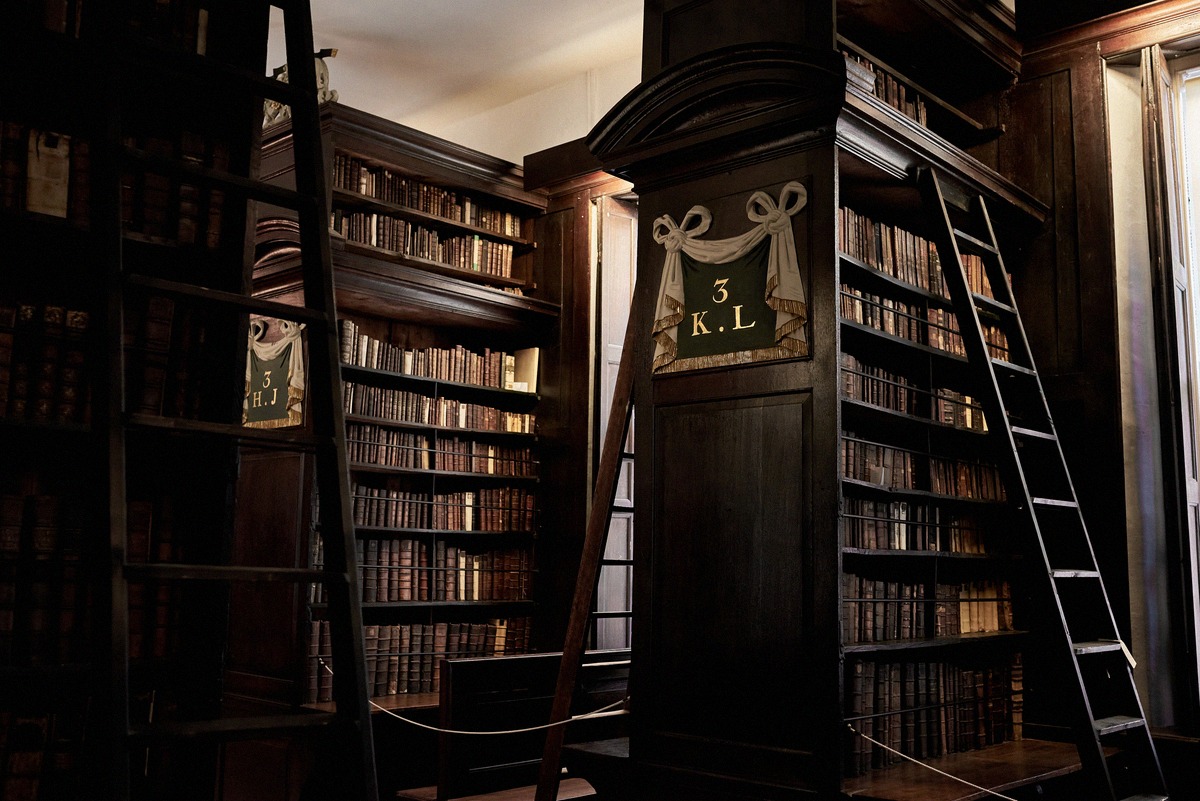
On the eastern edge of the quarter stand two of the city's most important churches: St Patrick's Cathedral, where Jonathan Swift served as dean, and right beside it Marsh's Library, built in 1707 and Ireland's oldest public library, with its original oak bookcases still intact. A few steps towards the old city stands St Audoen's, Dublin's only surviving medieval parish church.
Markets, antiques and everyday life
The Liberties draw their character from everyday life: on Meath Street, street traders and family-run shops keep a market tradition alive that dates back to the Middle Ages. Francis Street has established itself as the address for antique and design shops, with galleries and long-standing pubs in between. The quarter is visibly changing, hotels and student accommodation are moving in, but it still feels considerably more down-to-earth than the area around Grafton Street. If you're visiting the Guinness Storehouse and St Patrick's, it's worth taking the route between the two deliberately through the side streets: they show a side of Dublin that has largely disappeared from the city centre.
Around The Liberties
Guinness Storehouse
The Guinness Storehouse at St James's Gate takes you through seven floors, from the brewing process to a pint with city views in the Gravity Bar.
St Patrick's Cathedral
Gothic national cathedral of the Church of Ireland with over 800 years of history, the tomb of Jonathan Swift and the famous Door of Reconciliation.
Marsh's Library
Marsh's Library, tucked behind St Patrick's Cathedral, is Ireland's oldest public library, almost unchanged since 1707. Hours, prices and tips.
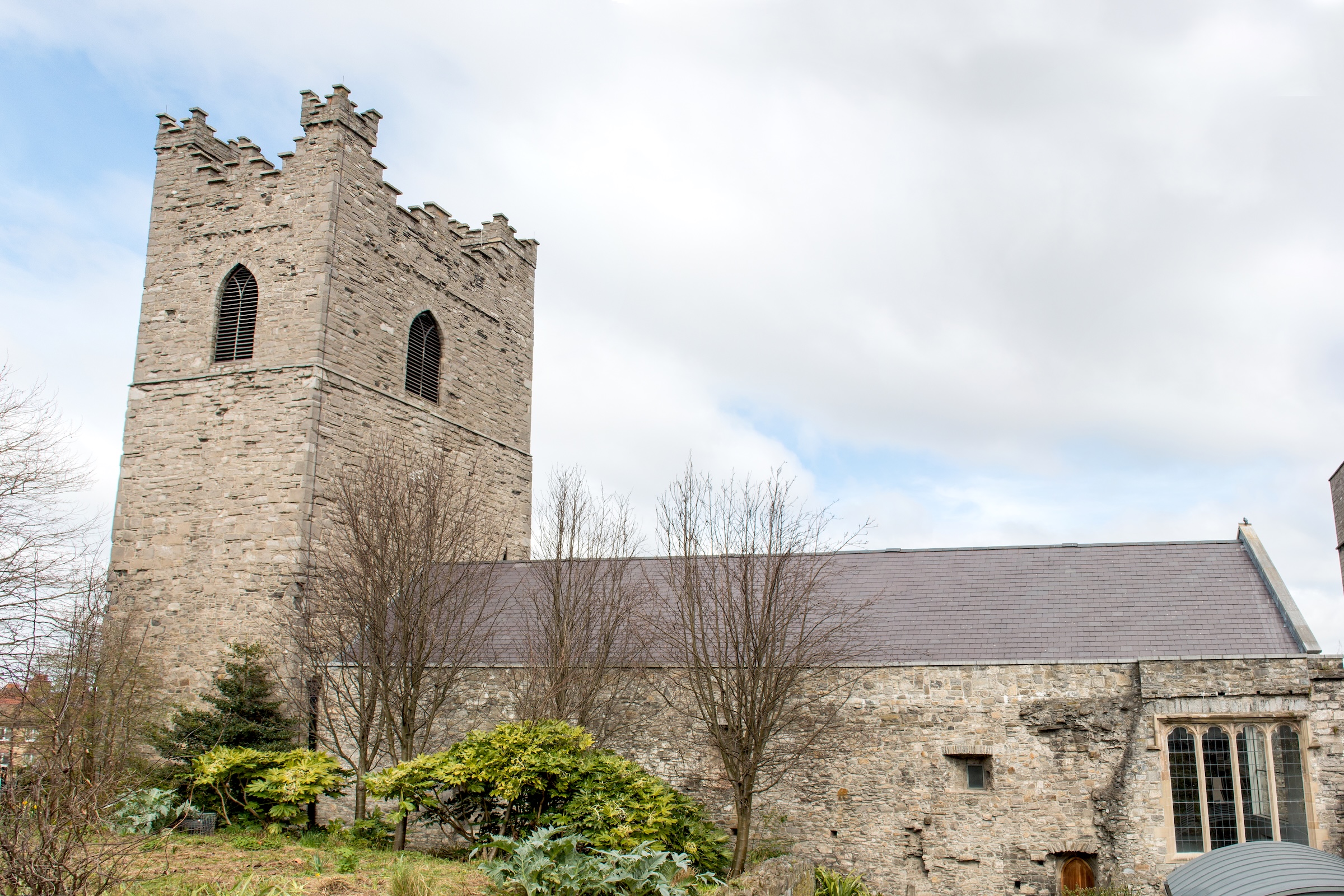
St Audoen's Church
Dublin's oldest church still in parish use, with Ireland's oldest bells and the city's last surviving medieval gate. Free admission, interior open seasonally only.