
St Audoen's Church
Dublin's oldest working church & Ireland's oldest bells
Dublin's oldest church still in parish use, with Ireland's oldest bells and the city's last surviving medieval gate. Free admission, interior open seasonally only.
Contents
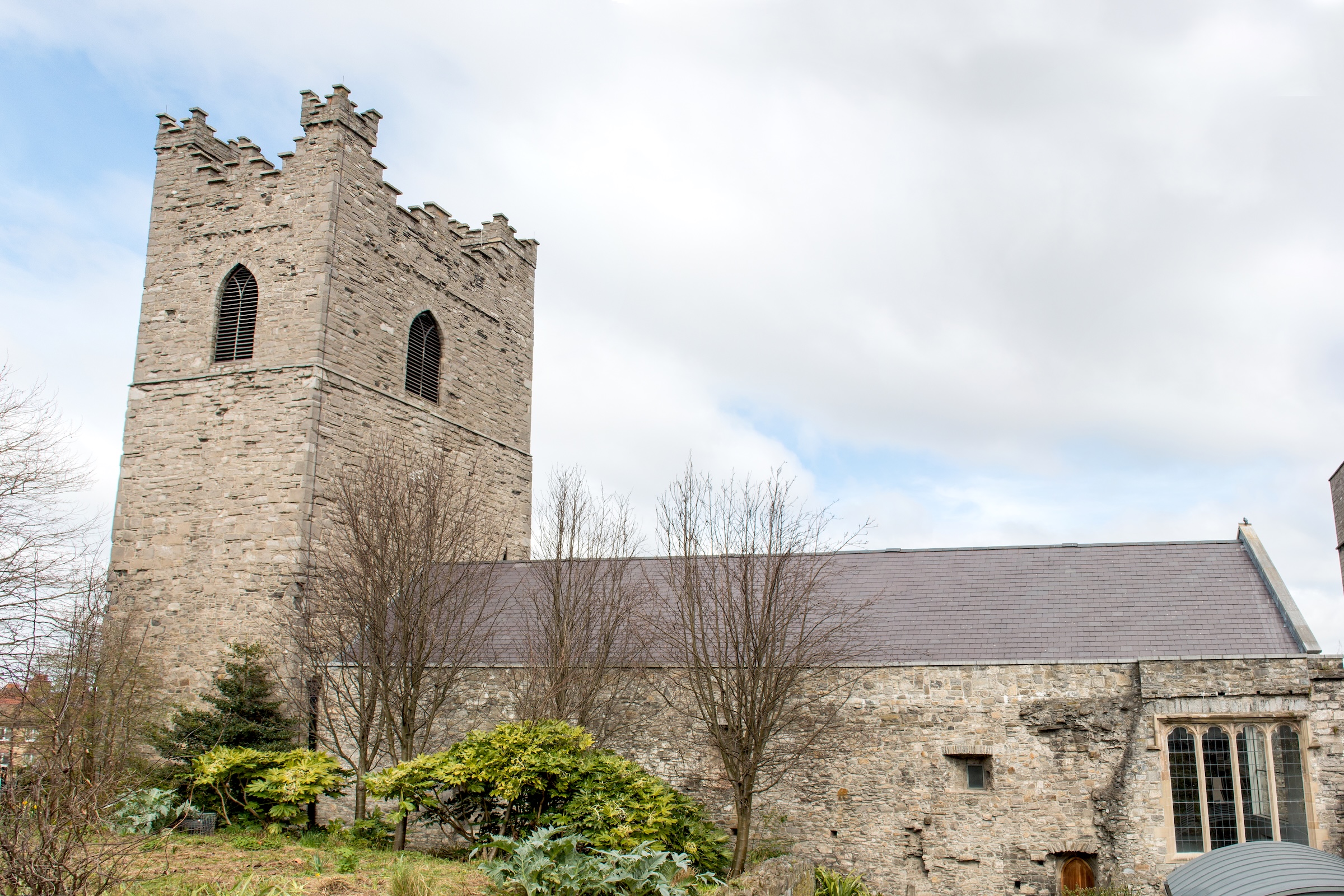
St Audoen's Church is one of Dublin's oldest buildings still in continuous use: services have been held here without interruption for around 830 years. From Ireland's oldest bells to the city's last surviving gate, the church holds a dense slice of medieval urban history, all with free admission, right in the historic core just west of Christ Church.
History and significance
The church was built around 1190 by Anglo-Norman settlers and is dedicated to St Ouen (anglicised as Audoen), a 7th-century bishop of Rouen and patron saint of Normandy. An earlier church may have stood on the site, dedicated to St Columcille, a hint comes from a 9th-century grave slab now displayed near the entrance.
In medieval times, St Audoen's became a centre of civic life. Papal bulls were proclaimed here, and public penances carried out. The church was closely tied to the city's guilds: the Tanners' Guild used the tower, while the Bakers' Guild (St Anne's Guild) maintained a college beside the church. In 1430, St Anne's Guild took over the running of its own chapel within the church and funded numerous extensions and restorations over the centuries. St Audoen's remains an active Church of Ireland parish church to this day.
Architecture and highlights
The original building was a simple nave with a chancel. In the 14th century, a four-bay arcade doubled the size of the building, and a four-storey bell tower was added in the 15th century. Of the six bells in the tower, three date from 1423, the oldest bells still rung in Ireland. One carries the Gothic inscription "Anno Domini 1423: The Bell of the Holy Trinity and all Saints". A replica bell is also on display in the visitor centre.
The Portlester Chapel was endowed in 1482 by Sir Roland FitzEustace, Lord Portlester and, at one time, Lord Chancellor of Ireland. His tomb, with effigies of himself and his wife Margaret, ranks among the city's most important medieval monuments. The chapel itself is today a roofless but accessible ruin.
Other notable details include a 12th-century Romanesque font, the original Romanesque doorway, the 17th-century tomb monuments of the Sparke and Duff families, and the so-called "Lucky Stone", a medieval artefact credited for centuries with bringing good fortune.
The Guild Chapel of St Anne today houses an award-winning exhibition on the significance of St Audoen's in medieval Dublin. Excavations in the 1990s uncovered remains of a 12th/13th-century cobbled pathway, which can now be viewed in the underground visitor centre.
City wall and St Audoen's Arch
Below the church, on Cook Street, lie remains of the medieval city wall along with St Audoen's Gate, also known as St Audoen's Arch, the only surviving city gate of medieval Dublin. The wall was built in the 13th century and served both defensive and customs purposes. This area is managed by Dublin City Council, not Heritage Ireland.
Conservation work supported by the Community Monuments Fund has been under way on the wall and gate since 2024 (including repointing, coping stones, graffiti removal, and repair and repainting of the gate). While the work is ongoing, the section is scaffolded or hoarded off, and access may be temporarily restricted. This work affects only the separately managed Cook Street wall, not the church interior. The adjoining St Audoen's Park is dedicated to the children who died during the 1916 Easter Rising and features interactive sound installations.
Visiting and practical tips
The historic interior, with its visitor centre and Guild Chapel, opens only in season: in 2026 from 27 March to 5 November, daily from 09:30 to 17:30, last admission 16:45. From November to March the interior stays closed, and only the exterior of the church, city wall and park can be seen. Allow 20 to 30 minutes for the church alone; with the visitor centre, Guild Chapel and grounds, plan for more like 45 to 60 minutes.
- Admission: free, no ticket or booking required. Donations are welcome.
- Guided tours: free guided tours of around 30 to 45 minutes run in season.
- Best time: early morning or late afternoon, fewer crowds and the best light inside.
- Accessibility: partially accessible. Only assistance dogs are permitted.
- Special access: extended access is usually available during Heritage Week in August and Open House Dublin in October.
If you're visiting outside the season, plan accordingly: only the exterior, the city gate and the park can be explored, while the historic interior stays closed.
Getting there
The church stands about 200 m west of Christ Church Cathedral in the Dublin 8 area. The Luas Red Line stops at Four Courts, about a 10-minute walk away; various bus routes such as 13, 27, 40 and 123 stop at High Street or Cornmarket. For ticket and fare tips, see the Leap Card guide and the Public Transport overview.
Combine your visit
St Audoen's sits at the medieval heart of Dublin and pairs well with the area's great cathedrals. Right next door stand Christ Church Cathedral and the Viking and medieval museum Dublinia, with St Patrick's Cathedral a little further south. For the famous mummies, it's worth a detour to St Michan's Church. Further places of worship are gathered in the Churches in Dublin overview, while the wider historical context is traced in the Dublin History guide.
Frequently asked questions
How much does it cost to visit St Audoen's Church? +
Can I visit the church all year round? +
Is St Audoen's Church worth visiting? +
How do I get to St Audoen's Church? +
Nearby
Dublinia
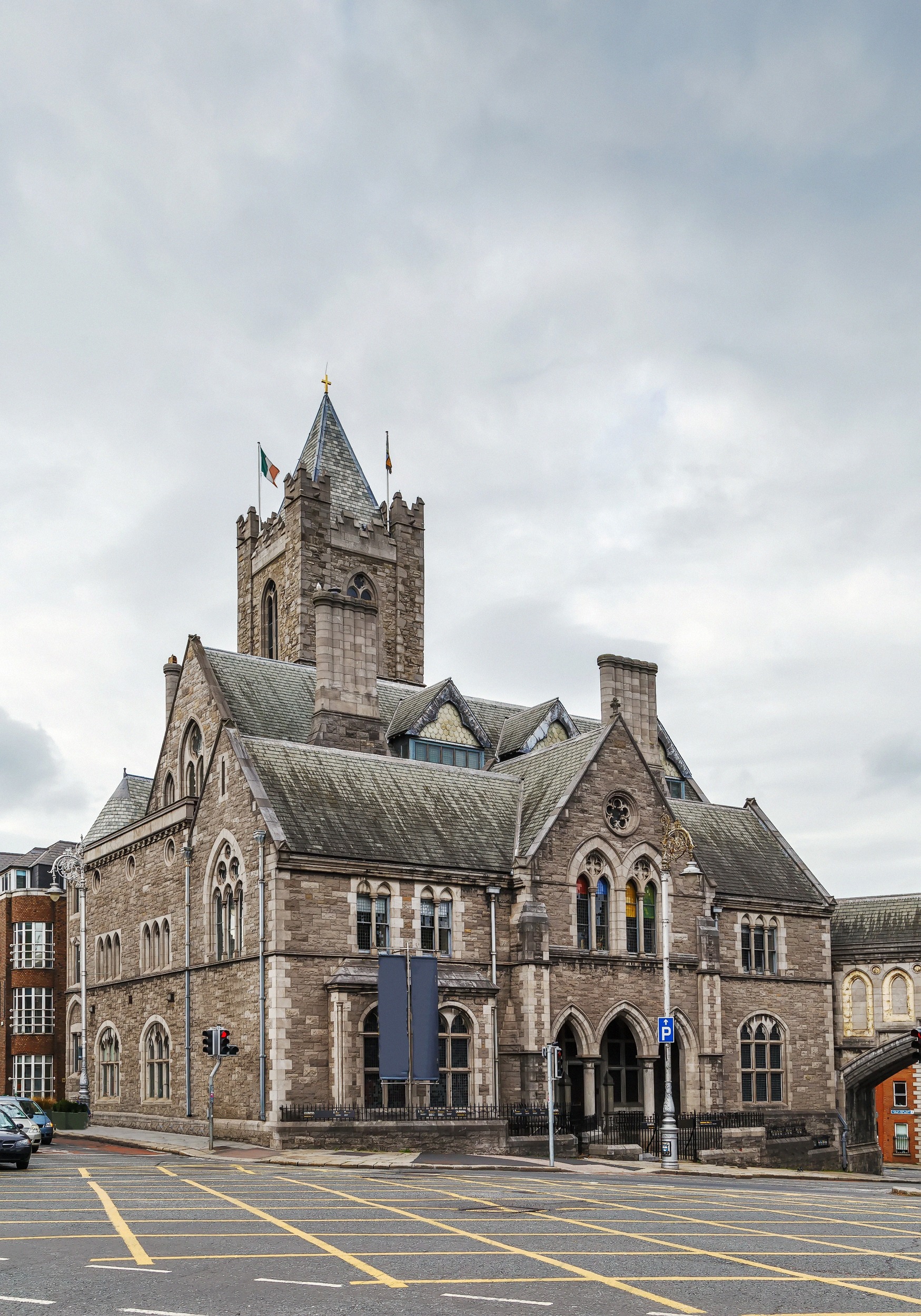
Hands-on Viking and medieval history next to Christ Church Cathedral. Living-history tours, interactive stations and a climb up St Michael's Tower.
Christ Church Cathedral
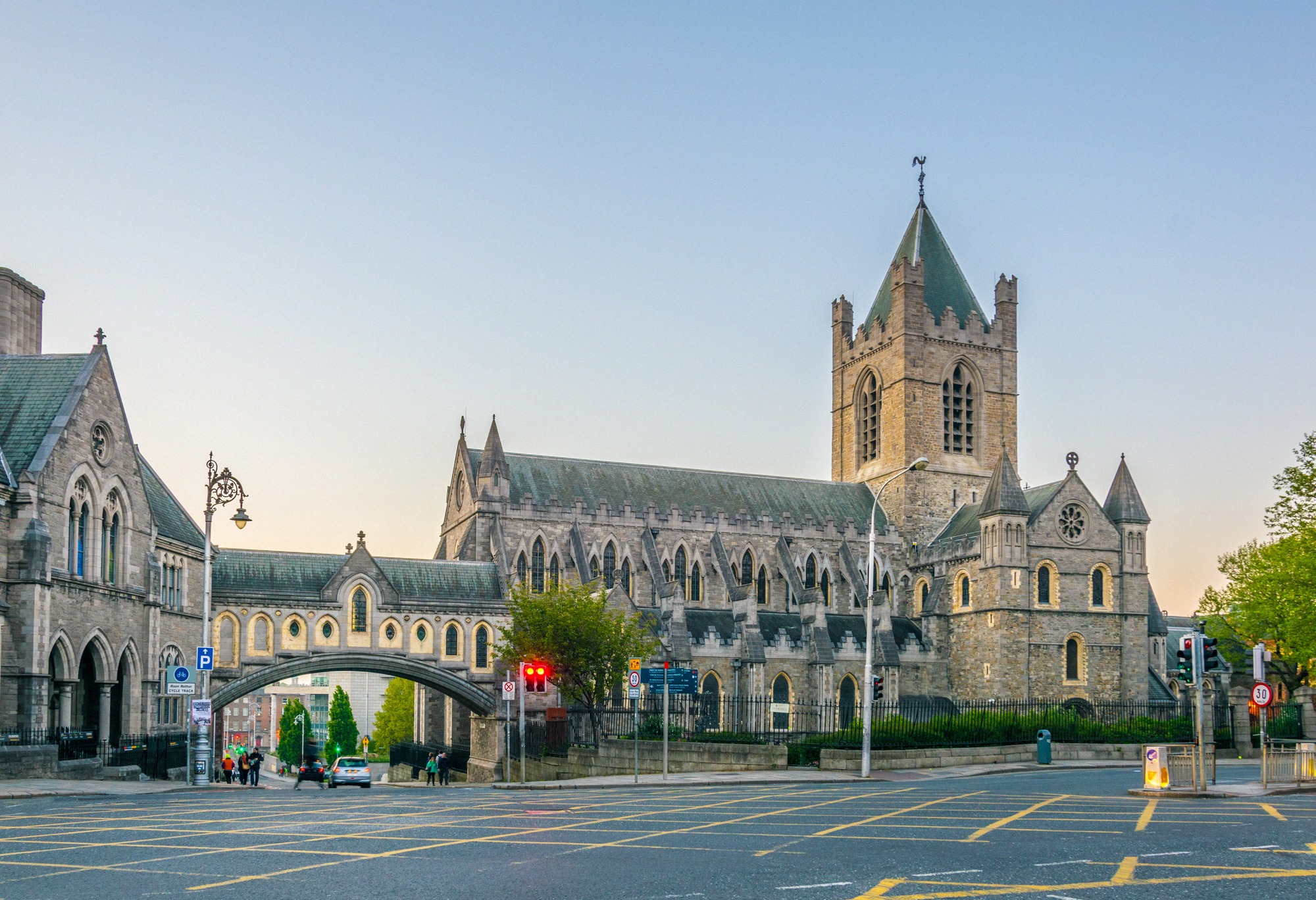
Christ Church Cathedral (Cathedral Church of the Holy Trinity) is Dublin's oldest building, home to Ireland's largest crypt, Strongbow's tomb and the mummified cats Tom and Jerry.
Four Courts
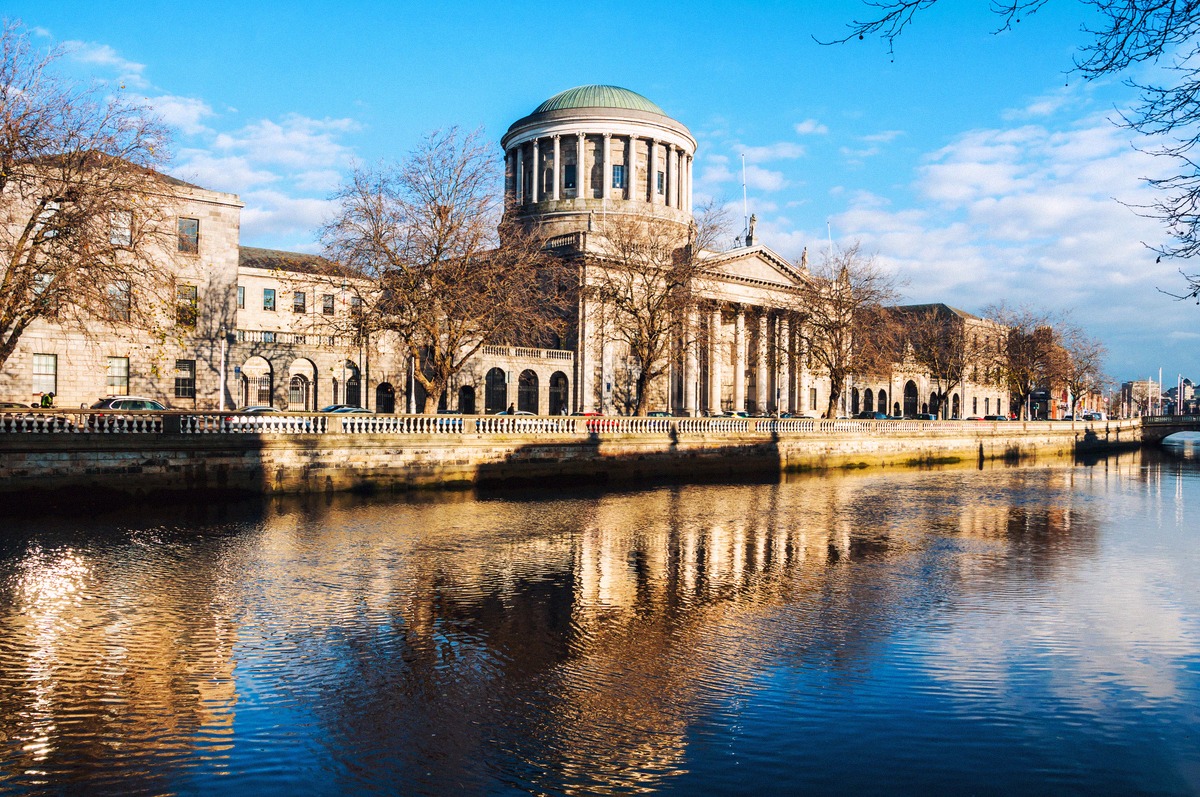
The Four Courts on Inns Quay is Ireland's most important courts building, designed by James Gandon. Public hearings are free to attend.
Smithfield Horse Fair
Twice a year, Smithfield Square turns into a traditional horse fair. Free to attend, unusual, and controversial ever since.
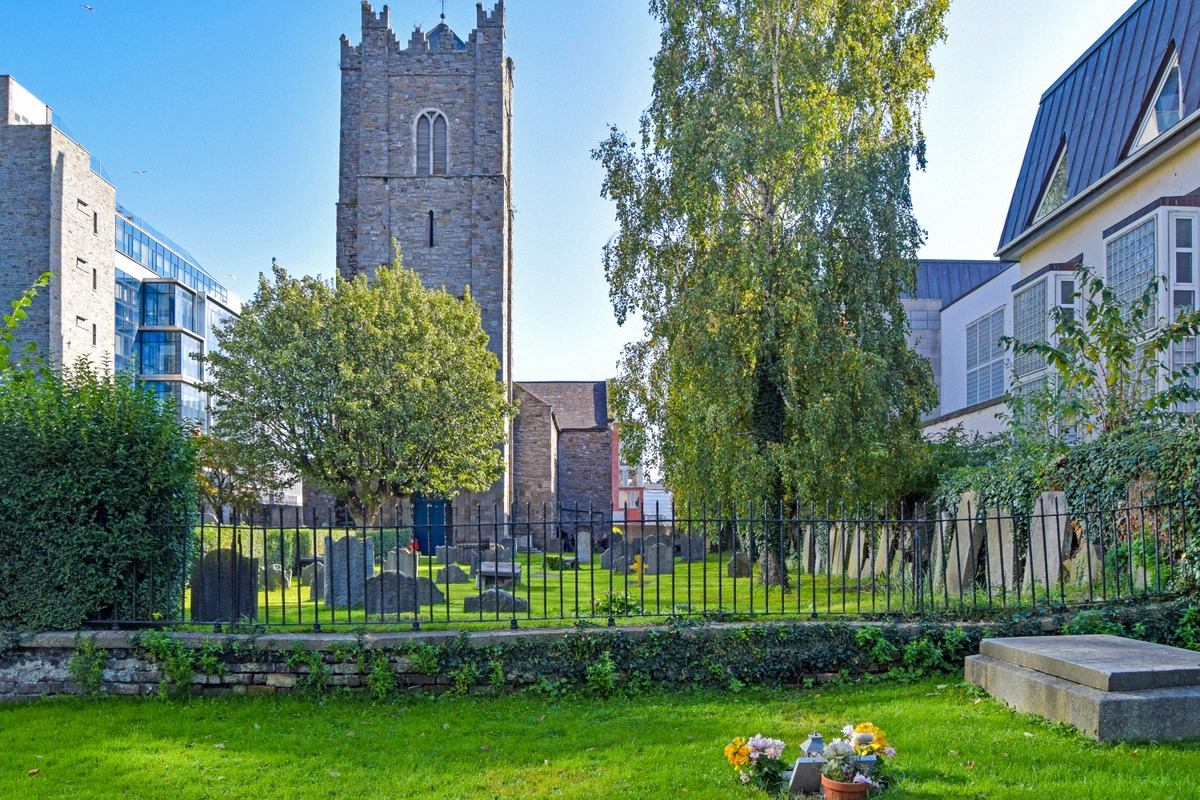
St Michan's Church
Famous crypt with naturally mummified remains, possibly an inspiration for Bram Stoker's Dracula. Crypt tours Mon-Thu only; church admission is free.
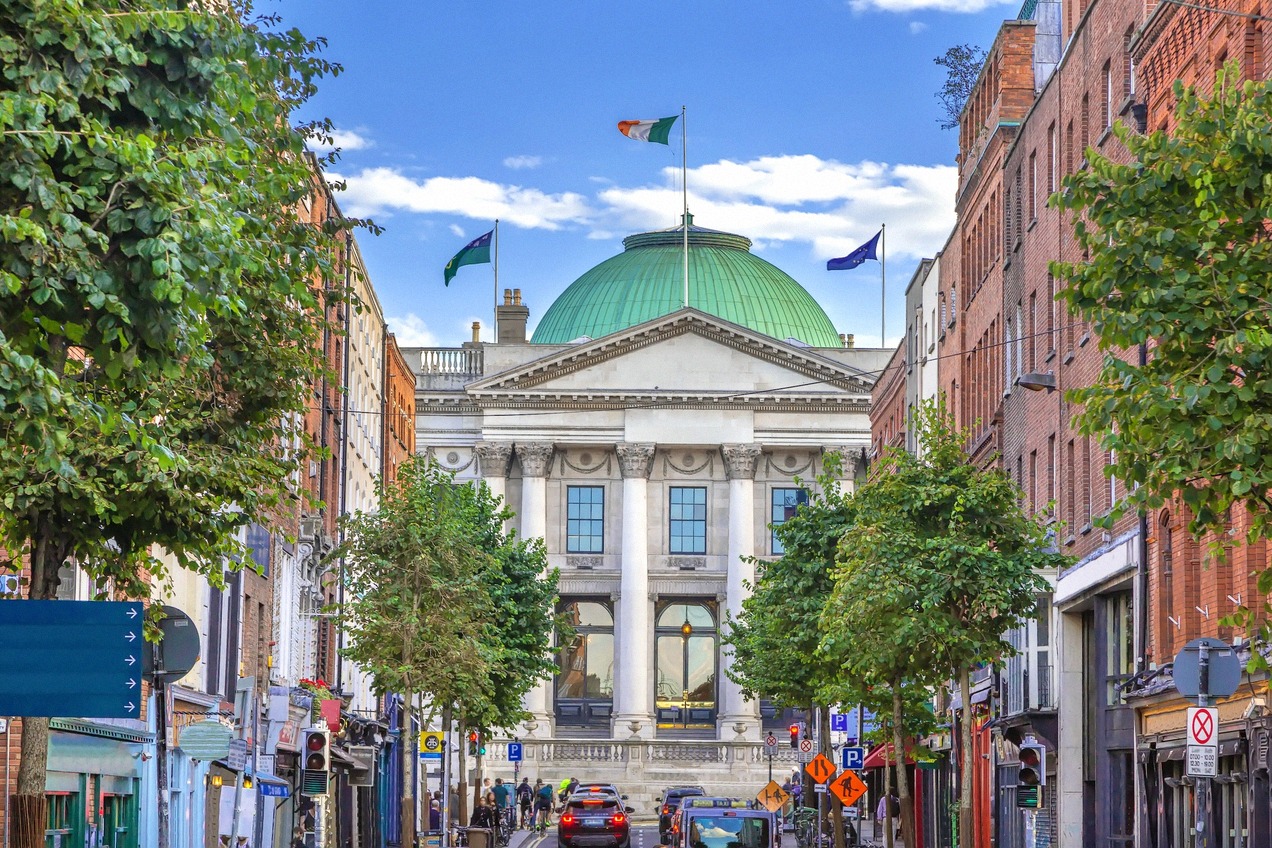
Dublin City Hall
Dublin City Hall on Dame Street, built in 1769 as the Royal Exchange. Magnificent rotunda, free admission. Opening hours, directions and visitor tips.