
Marsh's Library
Ireland's oldest library
Marsh's Library, tucked behind St Patrick's Cathedral, is Ireland's oldest public library, almost unchanged since 1707. Hours, prices and tips.
Contents
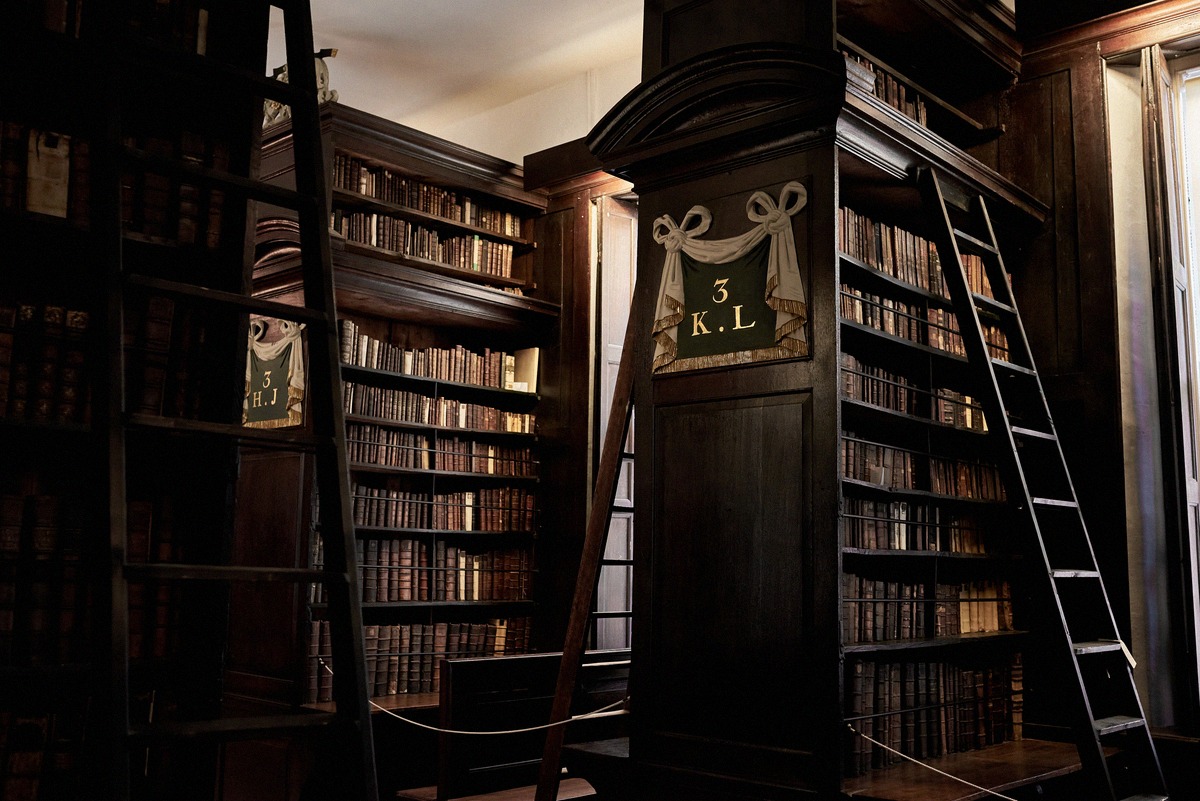
Tucked behind St Patrick's Cathedral is a place many visitors to Dublin walk straight past: Marsh's Library, Ireland's first public library. Since it opened in 1707, the interior has barely changed, dark oak bookcases, vaulted ceilings, and books still standing in the same places they did over 300 years ago. It's less a museum than a preserved room from the early Enlightenment.
History and founding
Archbishop Narcissus Marsh (1638-1713), formerly Provost of Trinity College, founded the library out of frustration at the lack of public access to books in Dublin. After becoming Archbishop of Dublin in 1694, he set his plan in motion: the cathedral provided the site in 1701, and building work began in 1703. The library was formally established by an Act of Parliament on 6 May 1707, titled "An Act for Settling and Preserving a Public Library for Ever".
Its first librarian was Élie Bouhéreau, a French Huguenot who had fled religious persecution in La Rochelle. He brought his significant private collection with him and bequeathed it to the library, and it remains a core part of the holdings to this day.
Architecture and interior
The building was designed by Sir William Robinson, Surveyor General of Ireland, who also designed the Royal Hospital Kilmainham. The two-storey building, with its barrel-vaulted ceilings, takes its cue from the Bodleian Library in Oxford.
- The 13-foot oak bookcases carry gilded carvings and mitre decorations.
- The staircase features rare "barley sugar twist" balusters, spiral-turned columns in the 17th-century style.
- A portrait of Narcissus Marsh hangs on the staircase.
The books still stand exactly where they did when the library opened, which is what makes the place so appealing: you're not stepping into a reconstruction, but into a genuinely preserved library room.
The collection
The library holds over 25,000 books from the 16th to the 18th centuries, along with around 300 manuscripts and roughly 80 incunabula (works printed before 1501). Subjects range from theology, medicine and law to natural science, music, travel writing and classical literature. A large part of the collection comes from the English bishop Edward Stillingfleet, whose roughly 10,000 volumes Marsh acquired in 1705.
Famous readers have included Jonathan Swift, Bram Stoker and James Joyce, if you're following the city's literary trail, this is a quiet stop away from the bigger names.
Reading cages, chained books and history in detail
At the back of the second gallery are three caged alcoves known as the "cages". Visitors who wanted to consult particularly valuable books were once locked inside them; once finished, they had to ring a bell for a librarian to let them out again. Some volumes still carry small iron rings on their spines, remnants of the chains once used to secure valuable works to the shelves. Bullet holes from the 1916 Easter Rising are also visible on the outer walls.
Visiting and practical information
Allow around 45 to 60 minutes for a self-guided visit, or 30 to 40 minutes for a guided tour. The building is small, and the atmosphere is correspondingly quiet, a sharp contrast to the bustle around the cathedral next door.
- Admission: self-guided €8 (adults), €6 (students/seniors), free under 18. Guided tour with a staff member €15, or €7.50 (concession), for groups of up to 25 people.
- Tickets: book online through the calendar system, or pay on the door. Information leaflets are available in eight languages; tours are conducted in English.
- Accessibility: the galleries are reached via several flights of stairs (17 steps from the gate, then 3, then a final 22) and aren't wheelchair-accessible. There's an accessible toilet on the ground floor; staff can help with buggies and prams (tel. 01 4543511).
Marsh's Library sits directly behind St Patrick's Cathedral, and a discounted combi ticket covering both is available. Within a few minutes' walk you'll also find Christ Church Cathedral and the adjoining Viking museum Dublinia, together they make for a compact morning in the historic south of the old city. Most hop-on hop-off buses stop right outside, and it's a short walk from the city centre. If you want to follow the literary thread further, the Literary Dublin guide traces the connections between Swift, Stoker and Joyce.
Frequently asked questions
How much does it cost to visit Marsh's Library? +
What are Marsh's Library's opening hours? +
Is Marsh's Library accessible? +
Should I book tickets in advance? +
Nearby
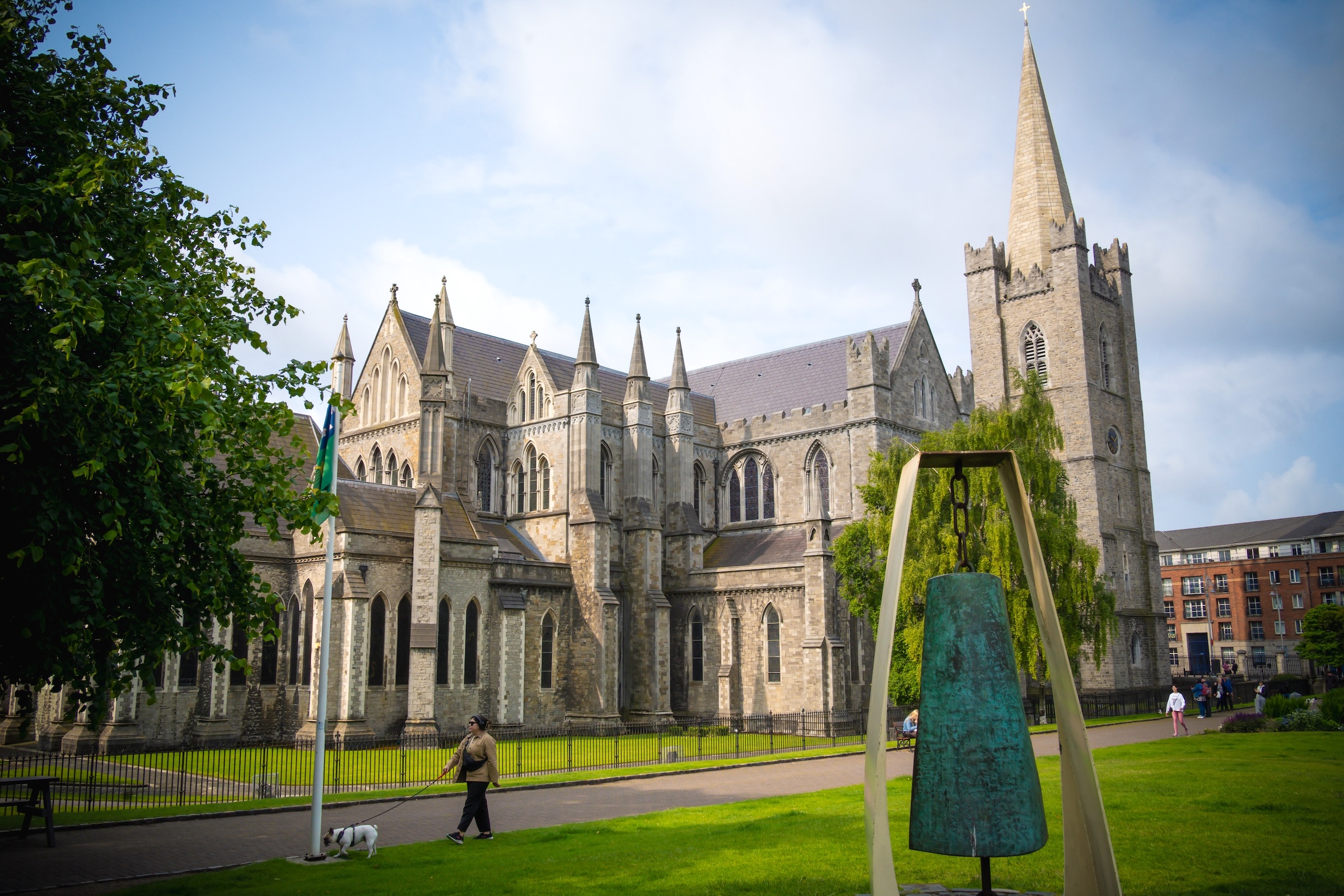
St Patrick's Cathedral
Gothic national cathedral of the Church of Ireland with over 800 years of history, the tomb of Jonathan Swift and the famous Door of Reconciliation.
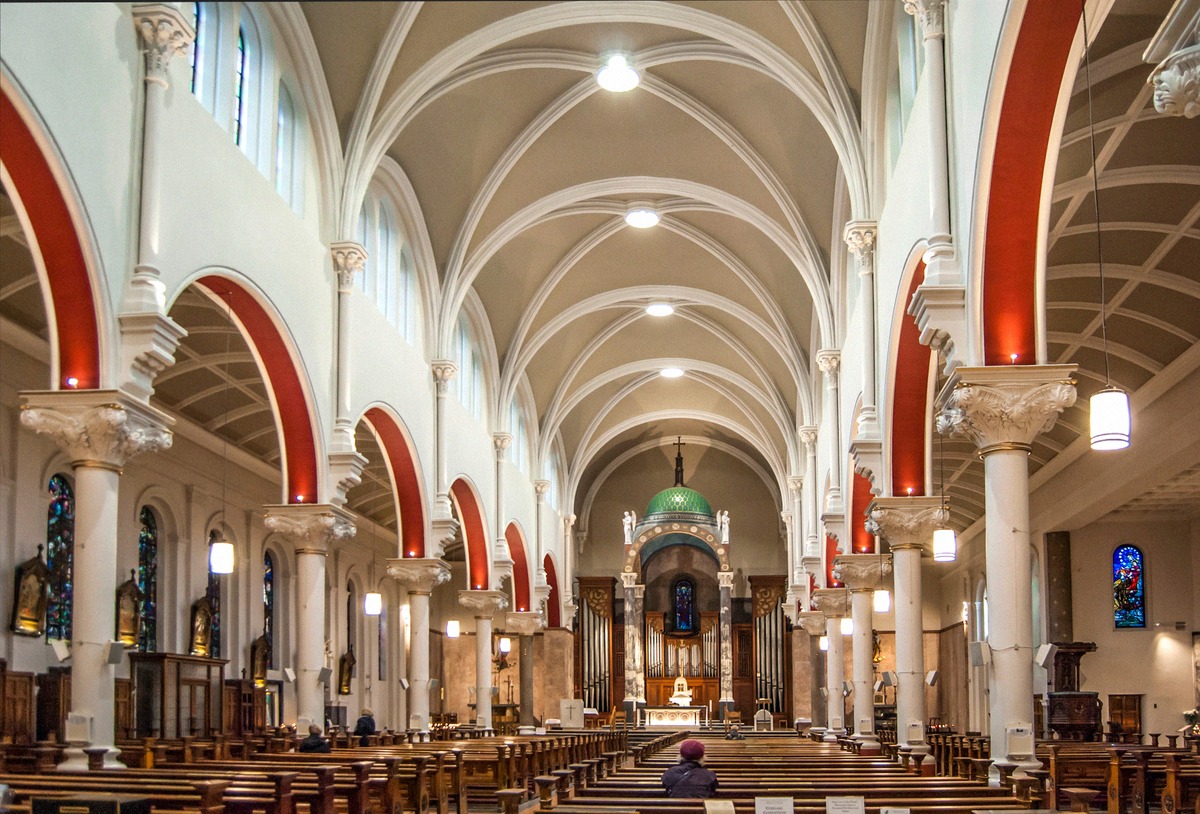
Whitefriar Street Church
The Church of Our Lady of Mount Carmel holds the relics of St Valentine and "Our Lady of Dublin", Ireland's oldest statue of Mary.
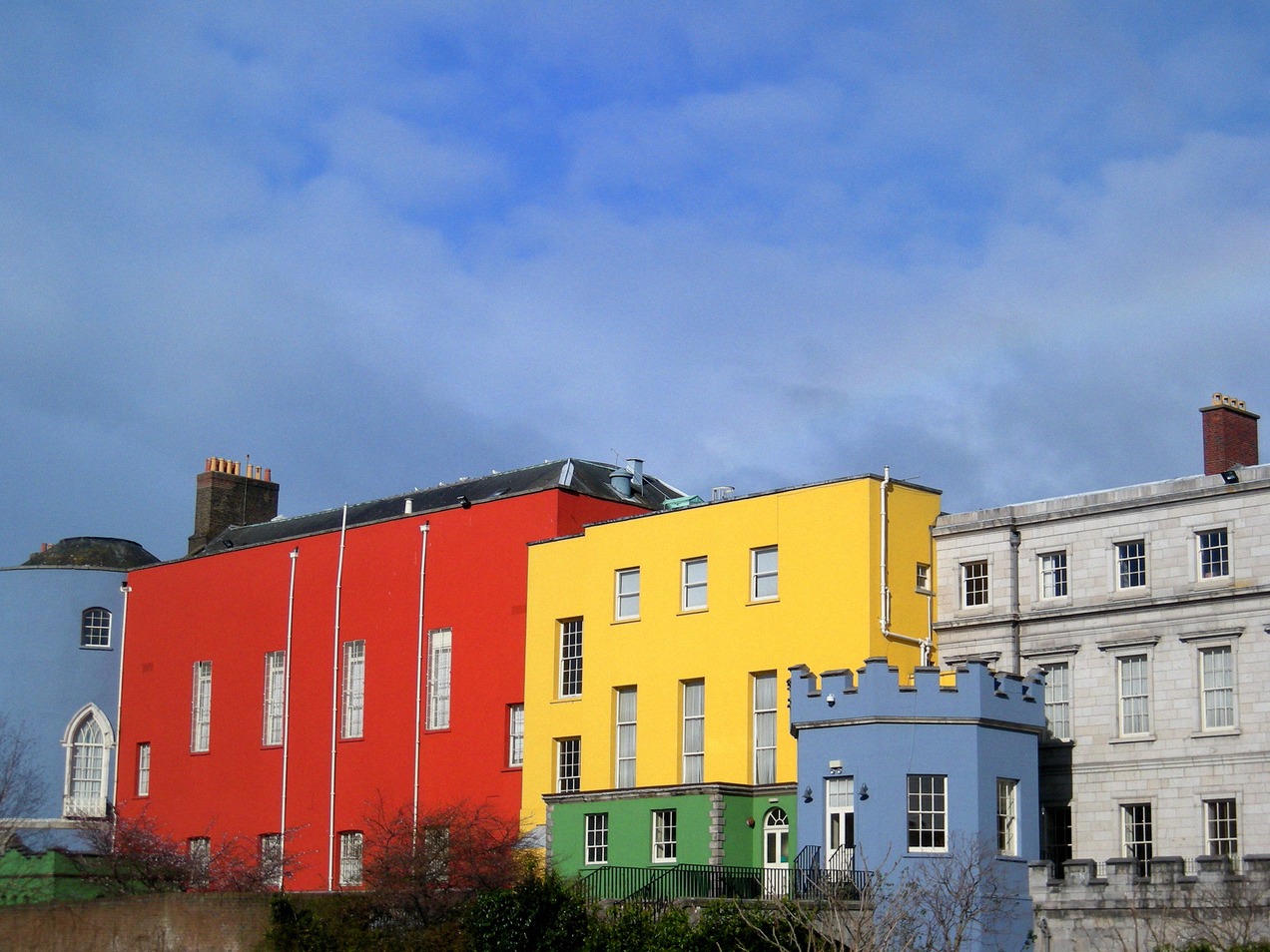
Chester Beatty Library
The Chester Beatty at Dublin Castle holds manuscripts, rare books and sacred art spanning 4,500 years, free admission. Closed 15 June to end of December 2026.
Dublin Castle
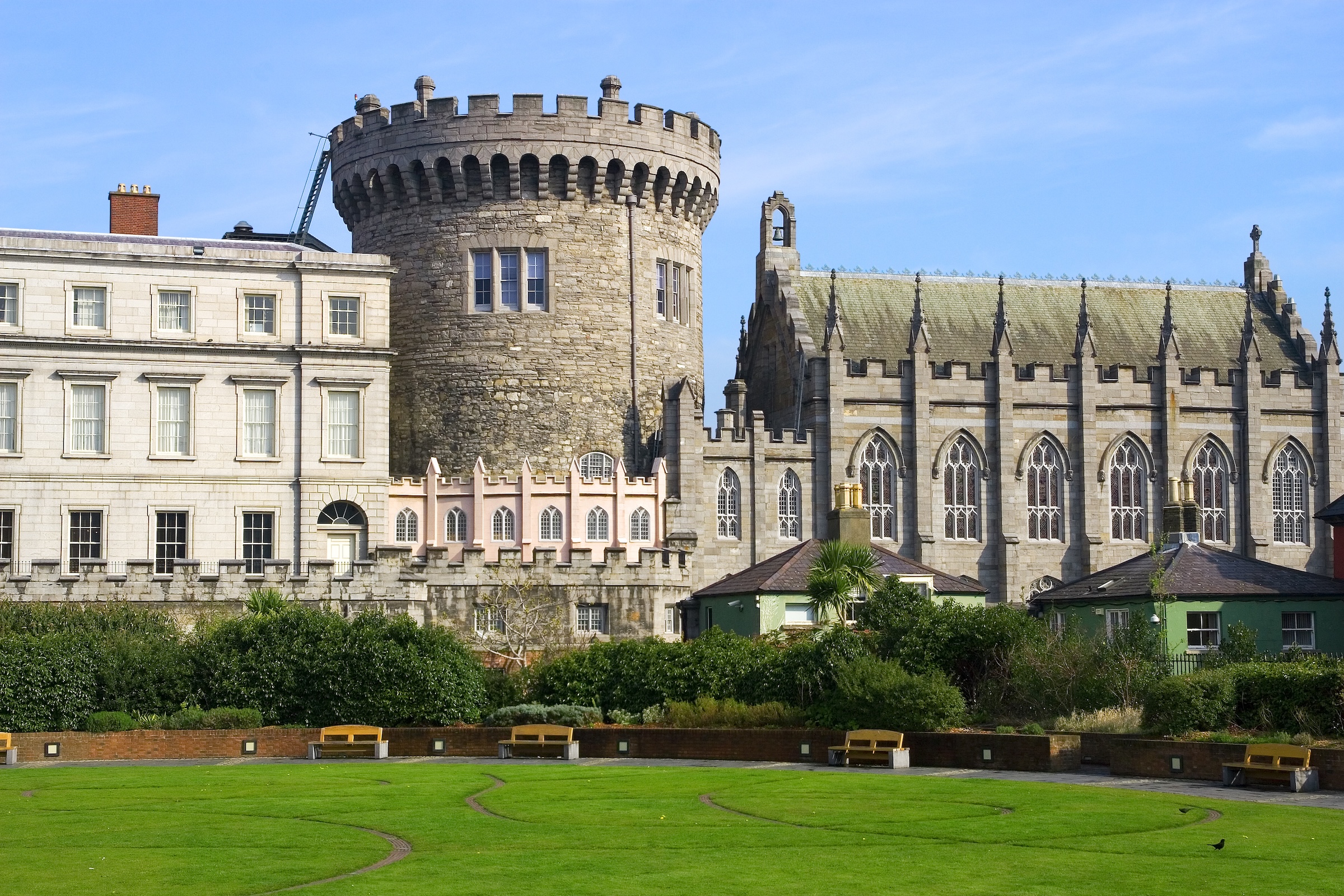
Dublin Castle, former seat of the British crown, spans 800 years from a Viking settlement to the State Apartments. Fully closed until 31 December 2026.
Dublinia
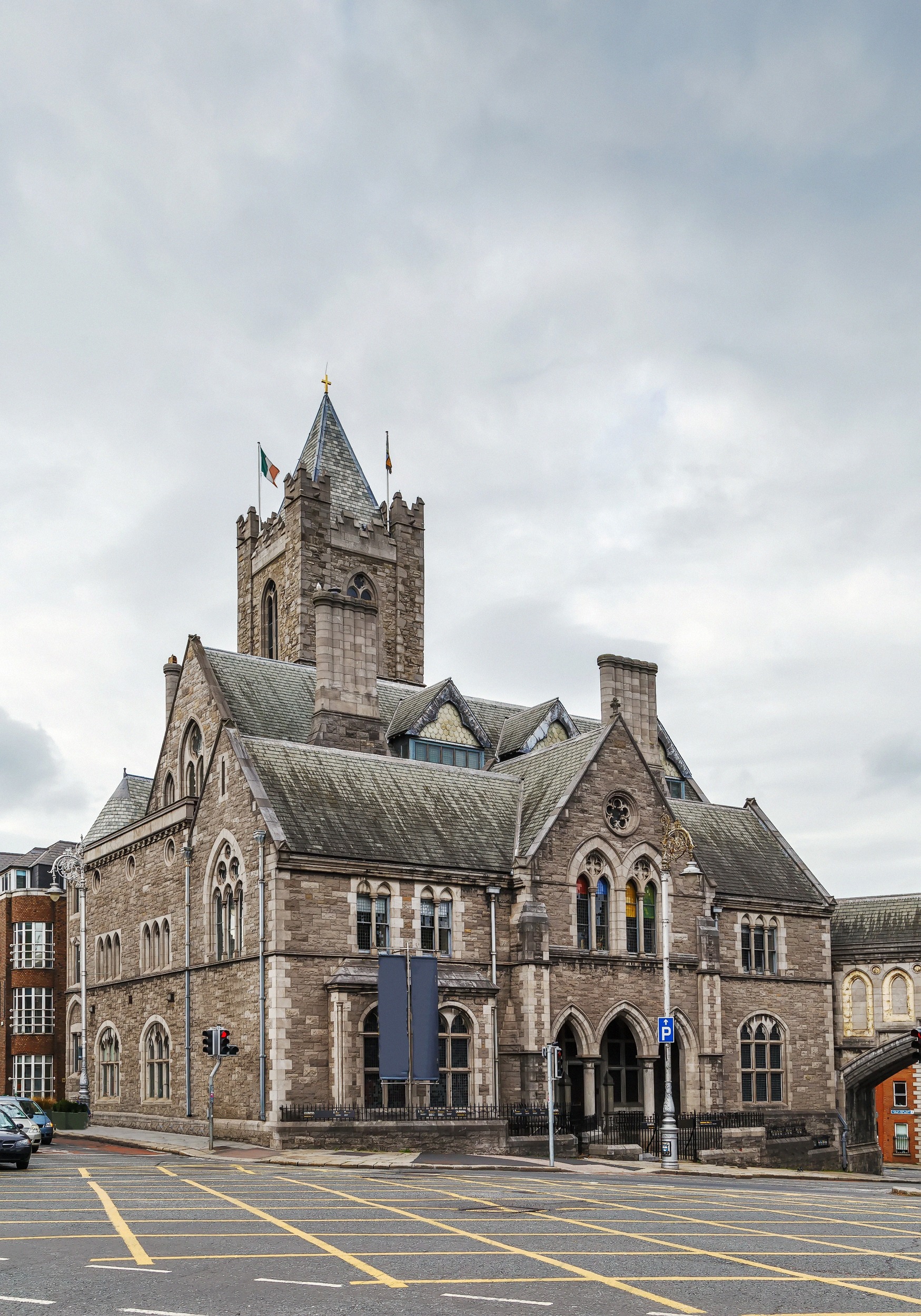
Hands-on Viking and medieval history next to Christ Church Cathedral. Living-history tours, interactive stations and a climb up St Michael's Tower.
Christ Church Cathedral
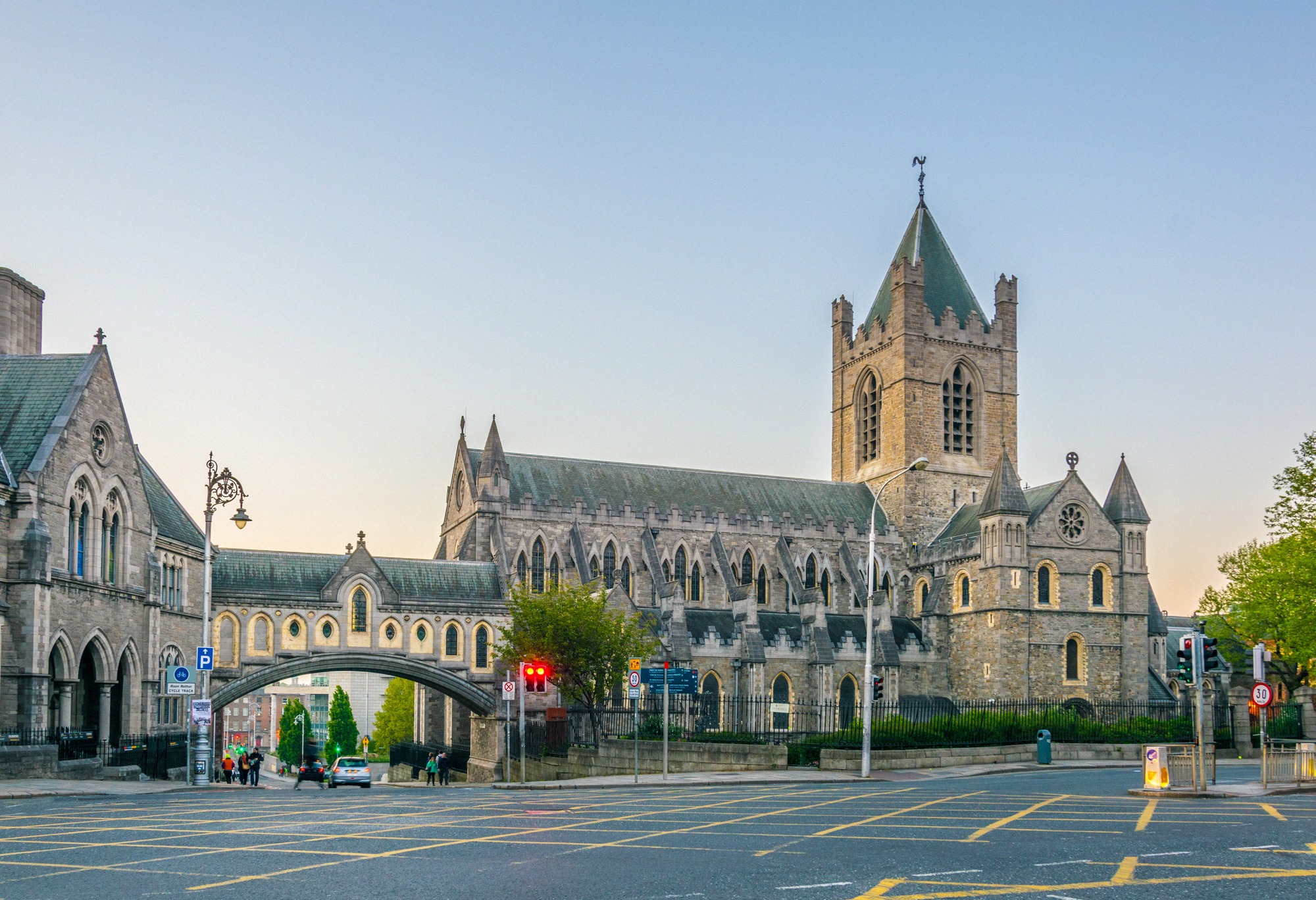
Christ Church Cathedral (Cathedral Church of the Holy Trinity) is Dublin's oldest building, home to Ireland's largest crypt, Strongbow's tomb and the mummified cats Tom and Jerry.