
Admission
St Patrick's Cathedral admission
Entry to the cathedral with an audio guide in English, Irish and several other languages.
4.6 (271) · Tiqets
From €11.50
Book TicketIreland's largest church & Swift's tomb
Gothic national cathedral of the Church of Ireland with over 800 years of history, the tomb of Jonathan Swift and the famous Door of Reconciliation.
Book online
Admission
Entry to the cathedral with an audio guide in English, Irish and several other languages.
4.6 (271) · Tiqets
From €11.50
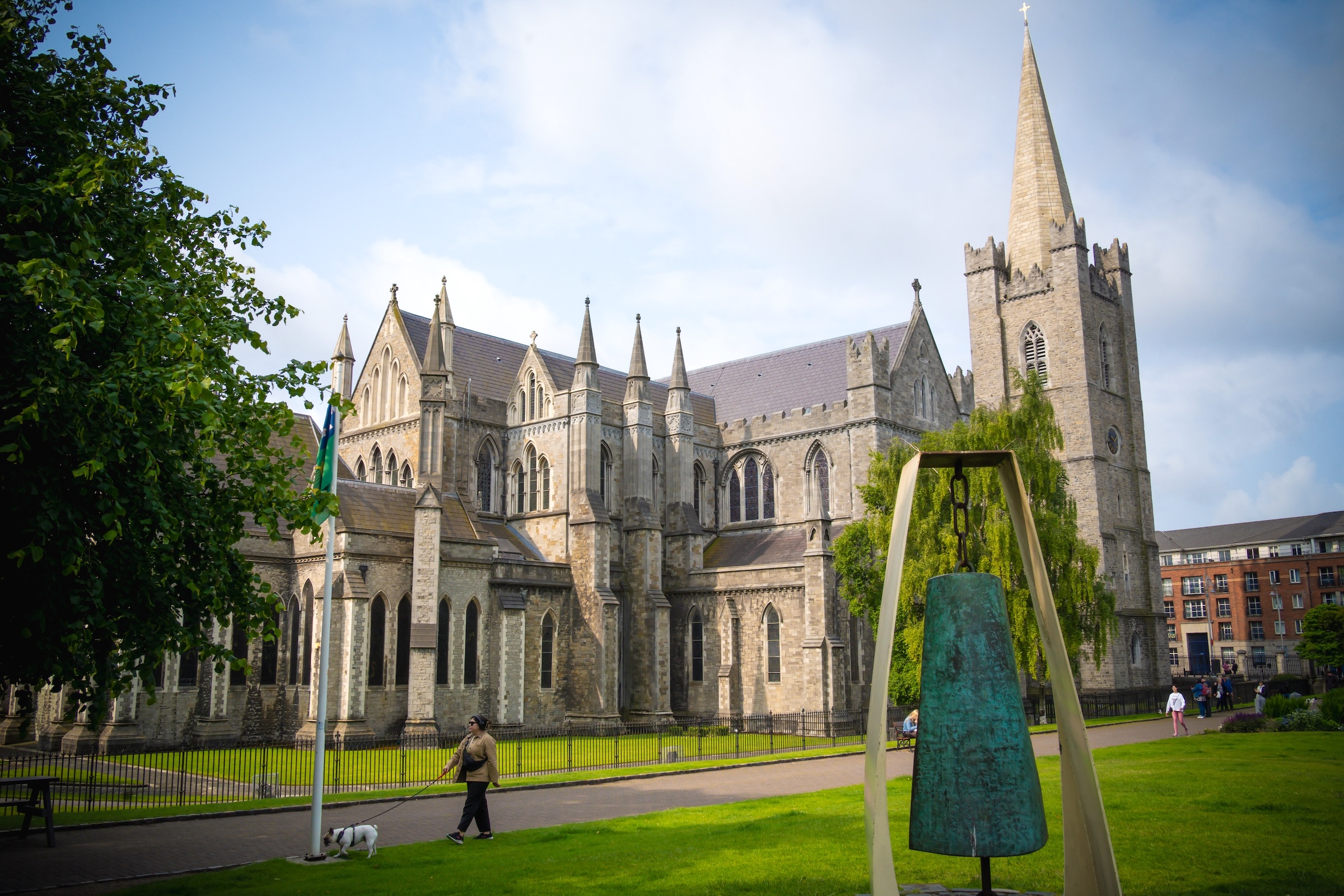
Book TicketSt Patrick's Cathedral is Ireland's largest church and has stood at the centre of Irish history for more than eight centuries. According to tradition, St Patrick himself baptised Dublin's first Christian converts here in the 5th century, at a well that gave the site its name. Today the cathedral is the national church of the Church of Ireland and best known as the final resting place of Jonathan Swift, author of "Gulliver's Travels". It stands in the heart of historic south Dublin, just a few steps from Christ Church Cathedral.
The current Gothic building was built between 1220 and 1259 under Archbishop Henry de Loundres. It replaced a Norman stone church from 1191, which in turn stood on the site of an early Christian wooden chapel dating to the 5th century. At 91 metres long, with a 43-metre tower, St Patrick's remains Ireland's largest church.
After a fire, the tower - Minot's Tower, was rebuilt between 1362 and 1370; its distinctive spire was added in 1749. From 1783 to 1871 the cathedral served as the chapel of the Order of St Patrick, whose heraldic banners and helmets still hang in the nave today.
By the 19th century the building faced serious decay. Benjamin Lee Guinness, grandson of the brewery's founder, funded a major restoration out of his own pocket between 1860 and 1865, over £150,000. A bronze statue in front of the main entrance still commemorates him. For the bigger picture of the city's past, see the Dublin history guide.
The best-known tomb is that of Jonathan Swift, author of "Gulliver's Travels" and dean of the cathedral from 1713 to 1745. He rests beside Esther "Stella" Johnson, his close confidante. If Dublin's literary past interests you, the Literary Dublin guide has more to explore.
Other highlights include:
Guided tours are included in the admission price Monday to Saturday at 10:30 and 14:30. They cover the key monuments and are a good way to understand the stories behind the tombs; there are no tours on Sundays. If you'd rather explore at your own pace, multilingual audio guides are available, in English, Irish, German, French, Italian, Spanish and Mandarin, either as a handset or free on your own phone via the visitor website.
Admission is charged: adults pay €11.50, students and seniors aged 60 and over €10.00, children aged 6 to 12 €5.50, and under-5s go free. The family ticket for two adults and up to three children costs €31.00.
Allow around 45 to 60 minutes for a visit, or about ninety minutes with a guided tour. Opening hours vary through the week: Monday to Friday 09:30 to 17:00, Saturday 09:00 to 18:00. On Sundays the cathedral is only open to visitors at limited times (09:00-13:00 and 16:30-18:00) because of services, weekdays are noticeably quieter.
The adjoining St Patrick's Park makes for a quiet spot after your visit. Near the south-west entrance, a plaque marks the presumed site of the holy well where St Patrick is said to have baptised converts, the origin of the site's name.
St Patrick's sits in Dublin's historic core and combines well with nearby sights. Right next door is Marsh's Library, Ireland's first public library, cheaper with a combined ticket. A few minutes north you'll find Christ Church Cathedral and its adjoining Viking museum Dublinia. A little further west is the Guinness Storehouse. For an overview of Dublin's other places of worship, see the Churches guide, and for guided walks, the Tours guide.
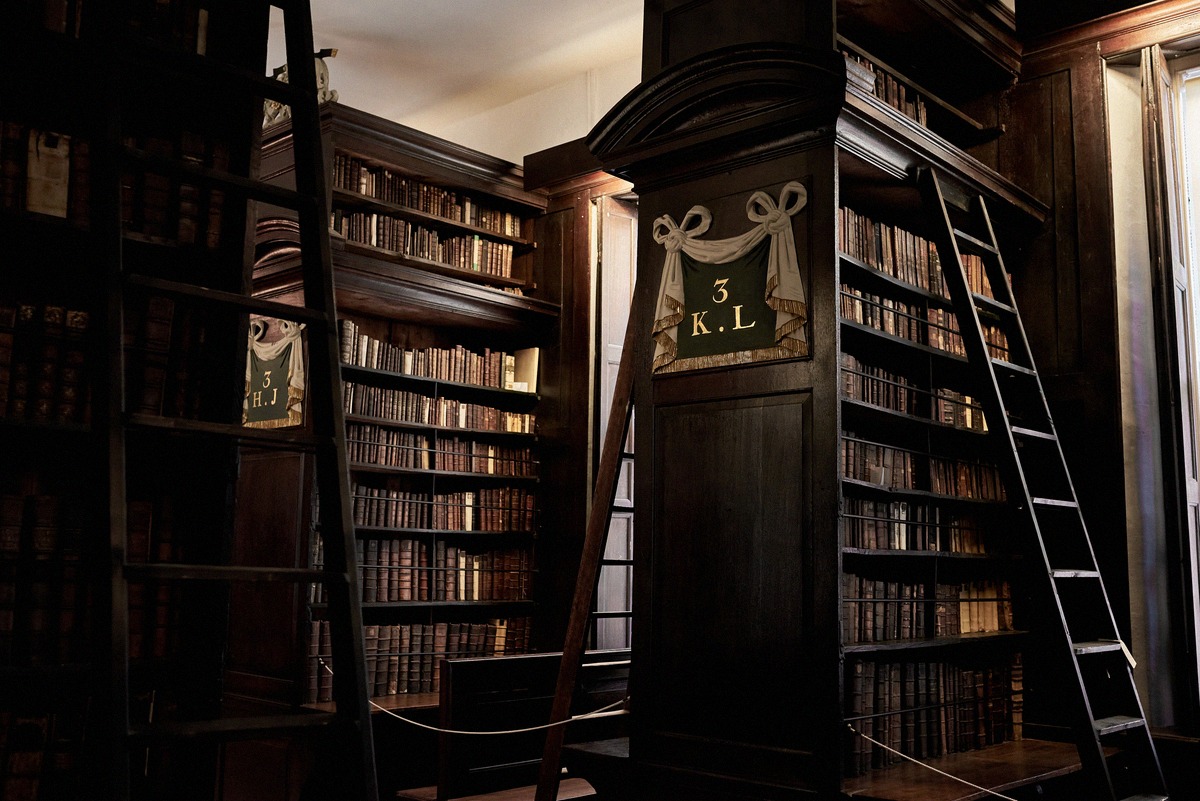
Marsh's Library, tucked behind St Patrick's Cathedral, is Ireland's oldest public library, almost unchanged since 1707. Hours, prices and tips.
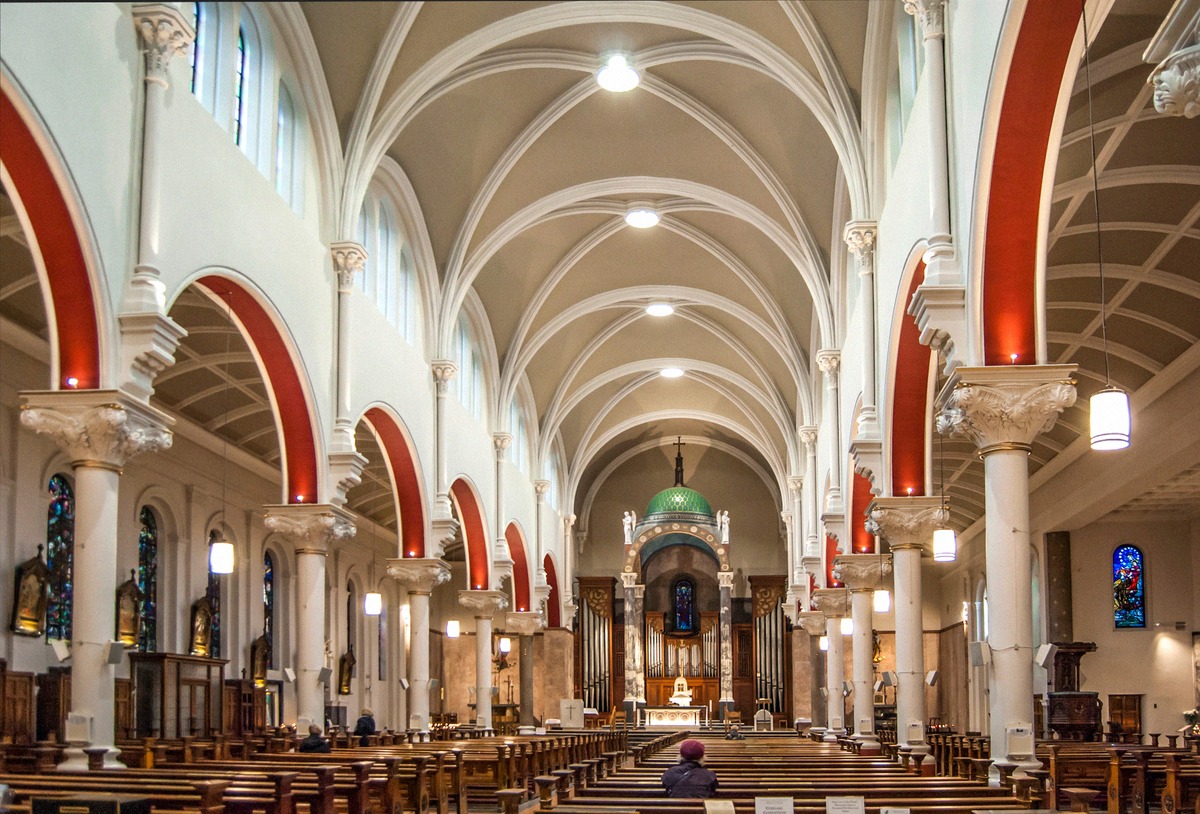
The Church of Our Lady of Mount Carmel holds the relics of St Valentine and "Our Lady of Dublin", Ireland's oldest statue of Mary.
The Chester Beatty at Dublin Castle holds manuscripts, rare books and sacred art spanning 4,500 years, free admission. Closed 15 June to end of December 2026.
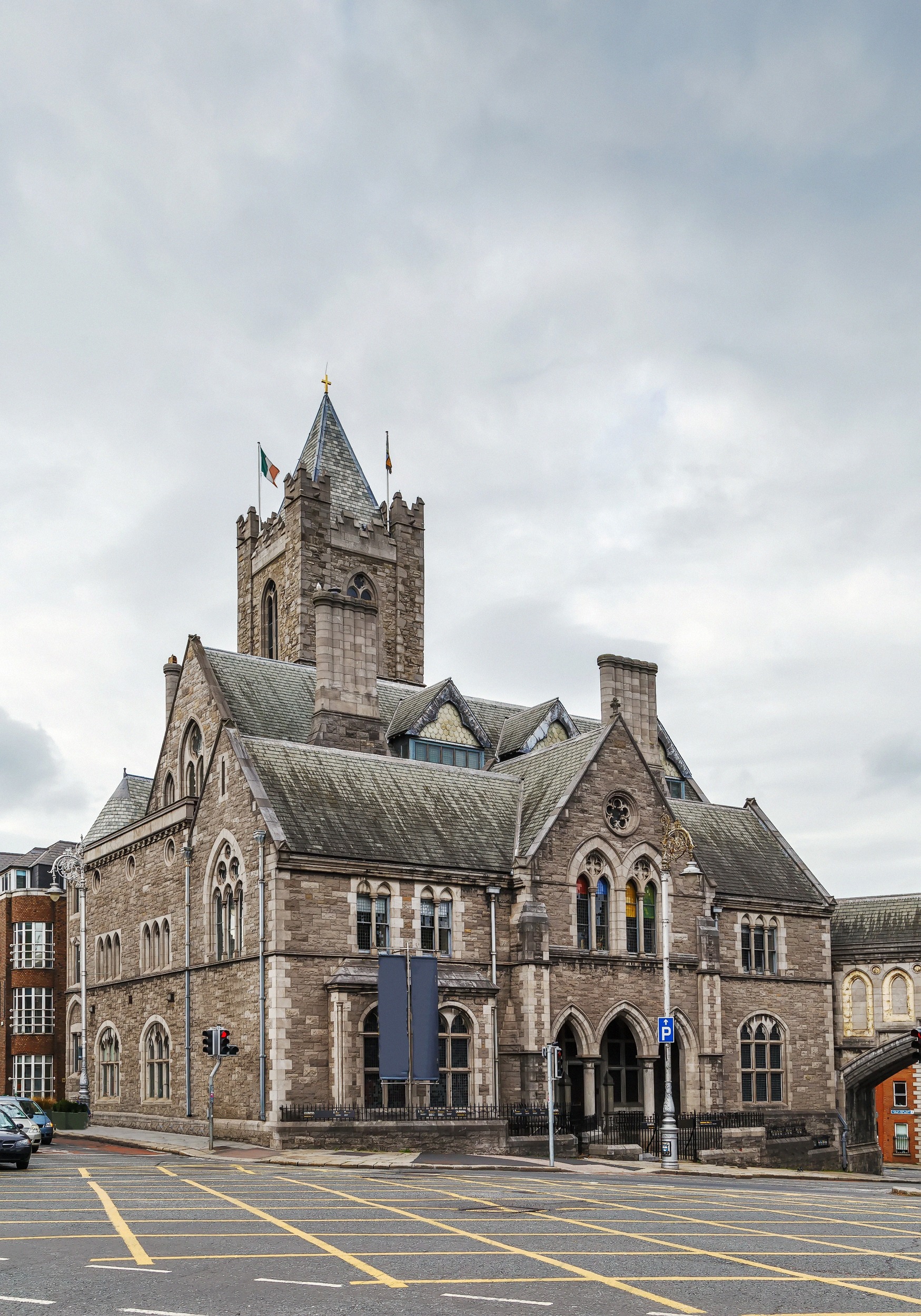
Hands-on Viking and medieval history next to Christ Church Cathedral. Living-history tours, interactive stations and a climb up St Michael's Tower.
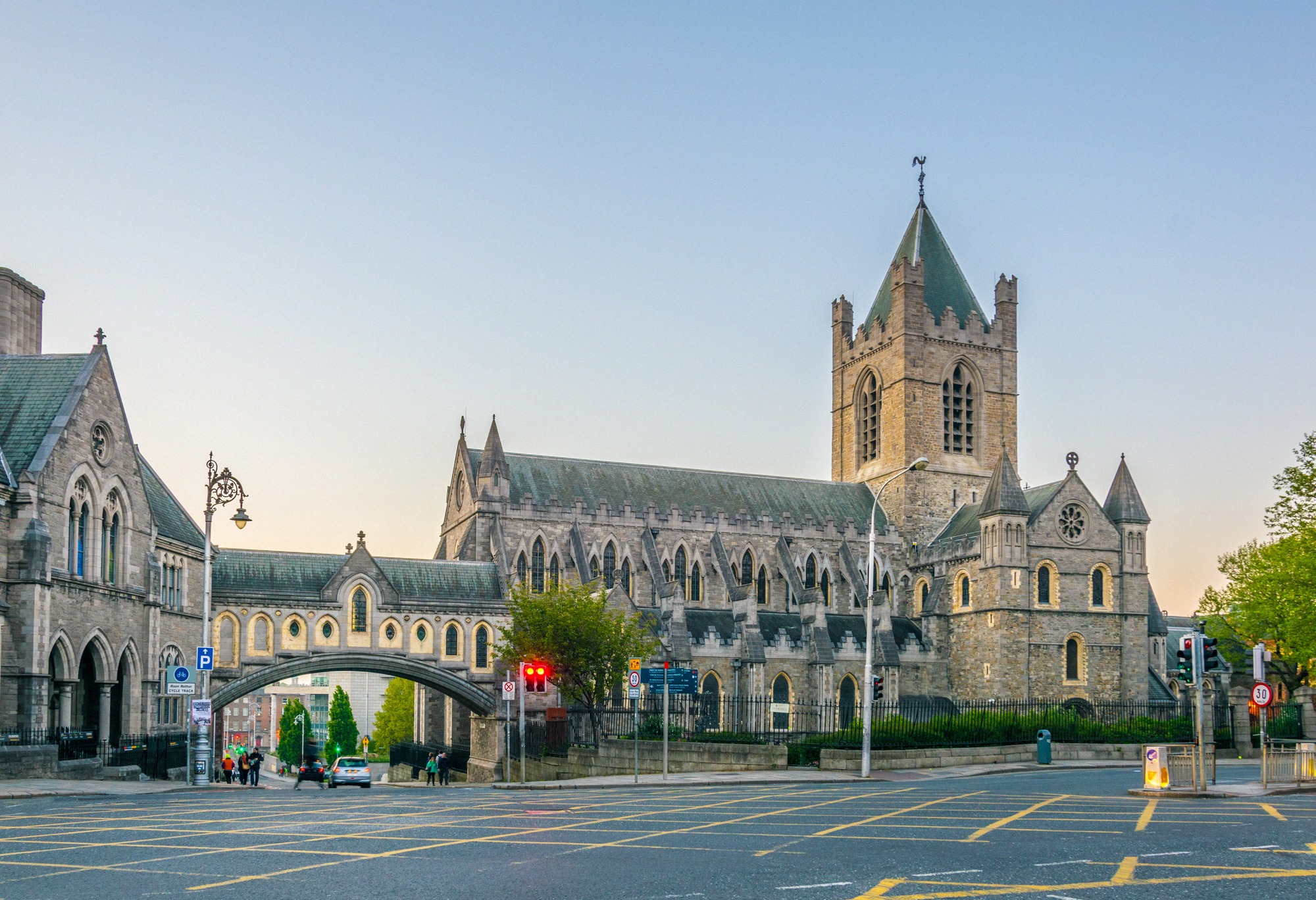
Christ Church Cathedral (Cathedral Church of the Holy Trinity) is Dublin's oldest building, home to Ireland's largest crypt, Strongbow's tomb and the mummified cats Tom and Jerry.
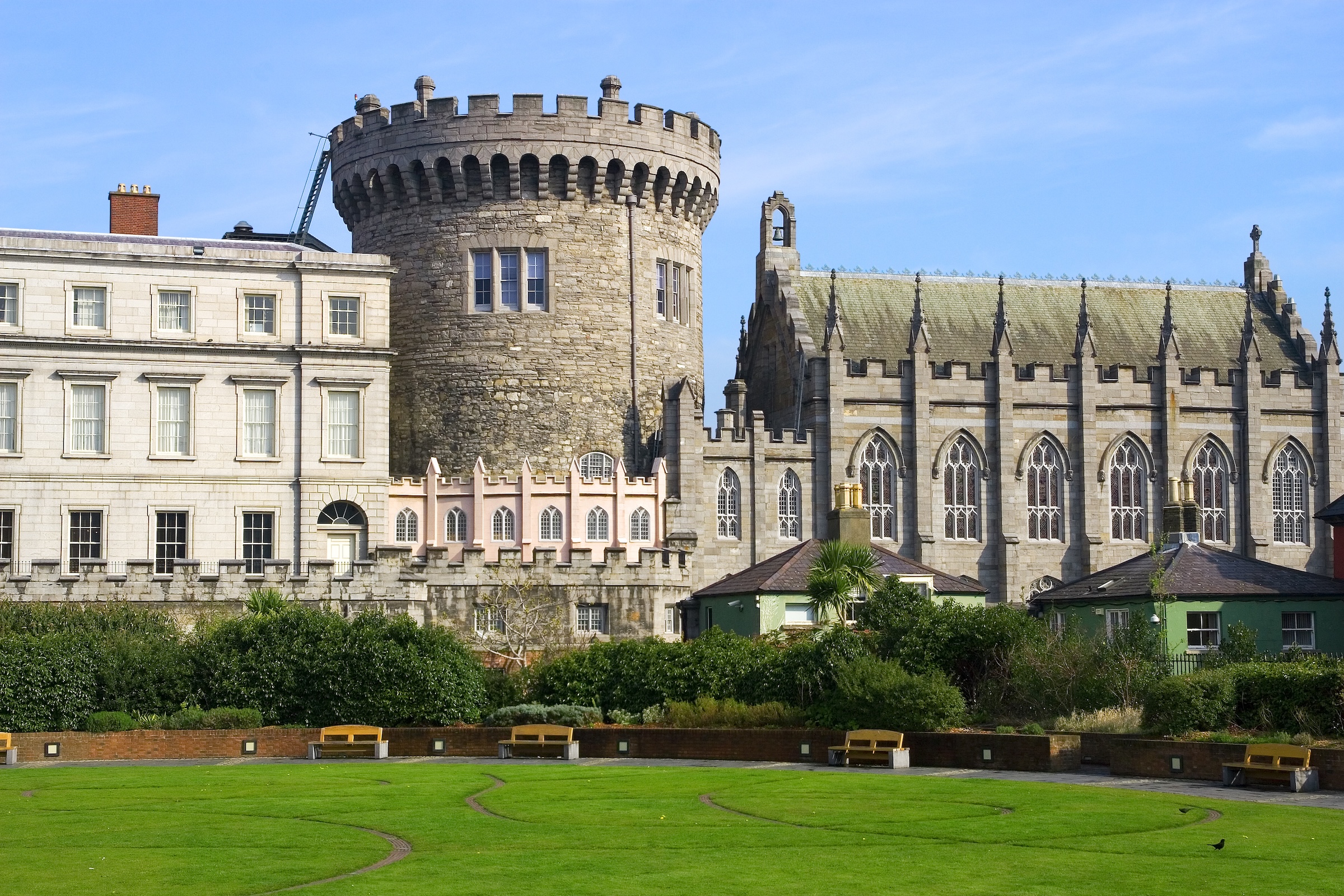
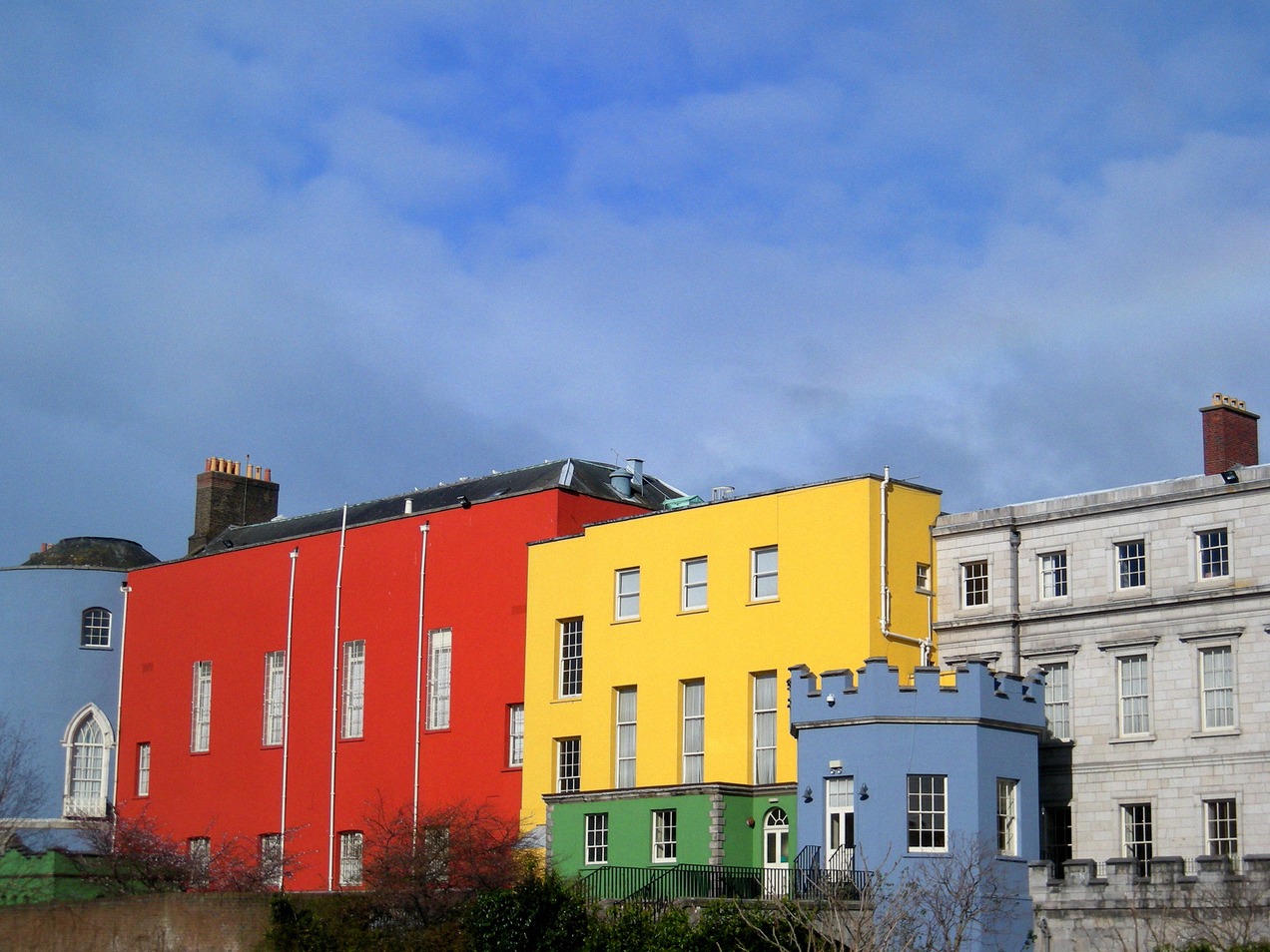
Dublin Castle, former seat of the British crown, spans 800 years from a Viking settlement to the State Apartments. Fully closed until 31 December 2026.