
St Mary's Cathedral
Neoclassical architecture & the Palestrina Choir
Known as the "Pro-Cathedral" until November 2025, this neoclassical Marlborough Street church is now Dublin's official Catholic cathedral and home to the Palestrina Choir.
Contents
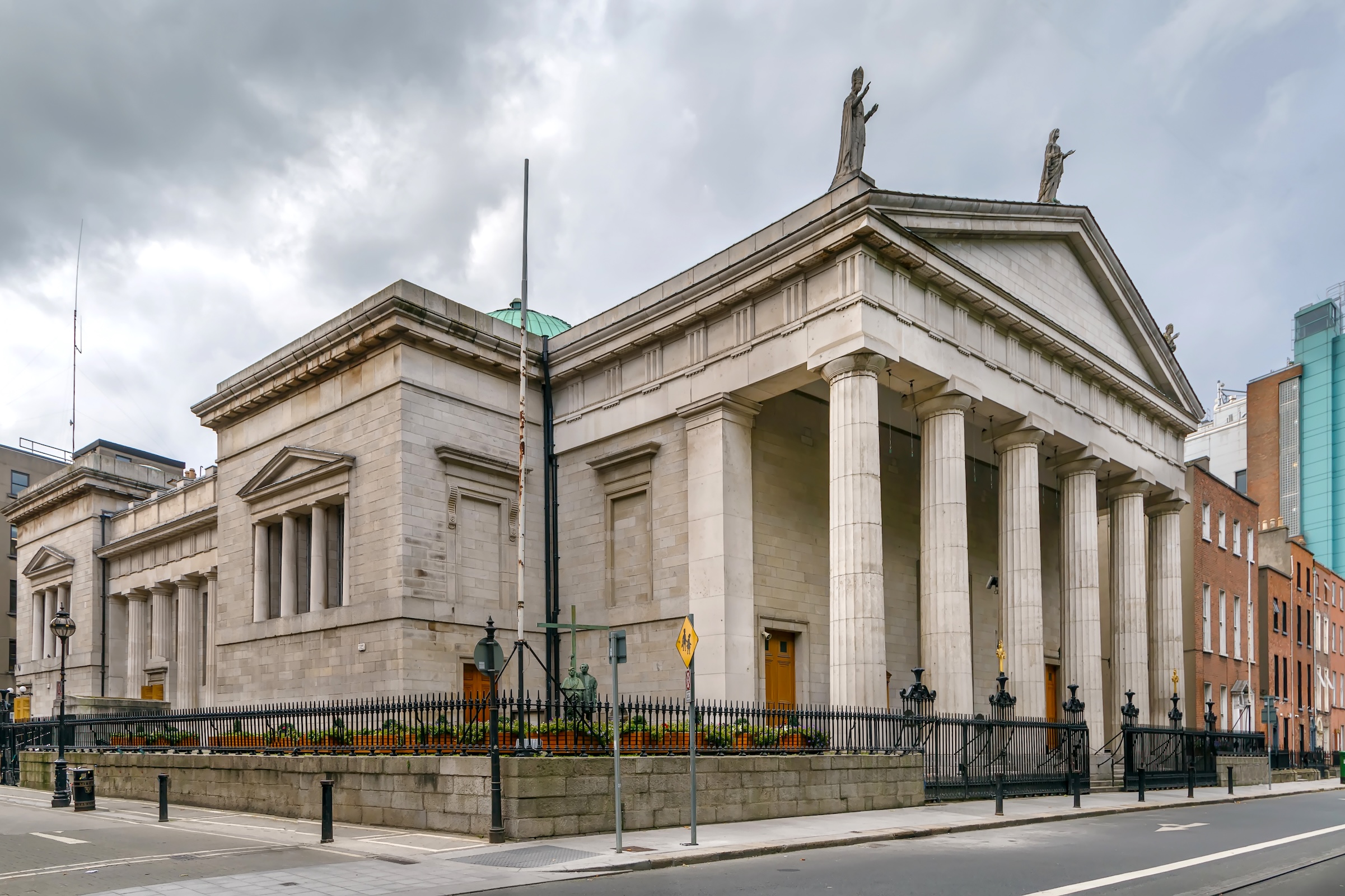
St Mary's Cathedral on Marlborough Street has been Dublin's official Catholic cathedral since November 2025, for almost 200 years before that it carried the qualifier "Pro", meaning "provisional". The neoclassical building, with its Doric-columned portico, tells the story of Catholic emancipation in Ireland. Admission is free. Worth knowing for 2026 and 2027: shortly after Easter 2026 the cathedral closes for a multi-year restoration.
From "Pro" to cathedral
The church dates from the era of Catholic emancipation. In 1803 Archbishop John Thomas Troy bought Lord Annesley's townhouse on Marlborough Street, construction began in 1815, and the church was consecrated on 14 November 1825, the feast day of the diocesan patron, Laurence O'Toole.
Its set-back location on a side street was no accident: in the early 19th century, Protestant interests insisted that no Catholic place of worship could be built on the prominent Sackville Street (today's O'Connell Street). Full Catholic emancipation didn't arrive until 1829, four years after the consecration.
The "Pro" stood for "pro tempore", provisional: the Roman Catholic Church formally still regarded Christ Church Cathedral, raised to cathedral status by Pope Alexander III in 1179, as its episcopal seat. On 14 November 2025, its 200th anniversary, St Mary's was officially made the cathedral of the Archdiocese of Dublin, ending its provisional status after almost two centuries.
Architecture
The facade is dominated by a monumental portico of six Doric columns, inspired by the Temple of Hephaestus (also known as the Theseion) in the Athenian Agora. The Greek classical style is a deliberate departure from Dublin's Gothic cathedrals.
The architect has never been confirmed. The surviving designs are signed only "P". Historians often suggest John Sweetman, a Dubliner exiled to Paris, as the likely author, though this remains an art-historical hypothesis rather than confirmed diocesan record. John Taylor and George Papworth are also possible contributors. Archbishop Troy had sought the designs through a public competition in 1814.
Inside, the nave leads to the altar, above which a dome bears a high-relief carving of the Ascension of Christ. Also worth seeing are the side altars dedicated to St Laurence O'Toole and St Joseph, and a bronze statue of the "Venerable" Matt Talbot, the Dublin labourer who overcame alcoholism and lived an ascetic life afterwards. The statue is the work of Canadian sculptor Timothy Schmalz, donated in 2006 to mark the 150th anniversary of Talbot's birth.
Music and liturgy
The Palestrina Choir is one of Ireland's most renowned church choirs. Founded in 1903, it grew out of a boys' choir; patron Edward Martyn endowed a fund to promote the music of Giovanni Pierluigi da Palestrina, which Pope Pius X had recommended as a model for church music.
If you want to hear the choir, plan your visit around the Solemn Latin Mass at 11:00 on Sunday. Note that the choir sings only during school/university term time, during the summer break in July and August the 11:00 Mass is spoken rather than sung.
Historic events
The cathedral has hosted major state occasions: the requiem Mass for Michael Collins in 1922, and the state funeral of Éamon de Valera in 1975. Daniel O'Connell, champion of Catholic emancipation, was received here in 1841 as Dublin's first Catholic Lord Mayor. Pope Francis visited on 25 August 2018 during World Meeting of Families, praying silently at the "Candle of Innocence".
Beneath the church lies a crypt holding the graves of almost 1,000 people, including former archbishops and prominent Catholic families. There are no officially published regular visiting hours or tickets for the crypt; access should only be expected on special occasions.
Restoration 2026 to 2027
Plan your visit carefully: shortly after Easter 2026 (Easter Sunday 5 April) the cathedral is expected to close for around two years. The restoration, led by FKP Architects, is costing roughly €25 million; reopening is planned well before the major celebrations of 2029, though no exact date has been set. During the closure, services and events will move to St Andrew's Church on Westland Row. The cathedral itself will therefore be closed or only partially open to visitors in 2026 and 2027.
Visiting and practical tips
St Mary's is on Marlborough Street, a few minutes' walk north of O'Connell Street.
- Getting there: take the Luas Red Line to Abbey Street; it's about a five-minute walk from the Spire. See the public transport guide for details.
- Admission: free, donations welcome. You can look around even without attending Mass.
- Time needed: 15 to 30 minutes for the architecture alone, around an hour if you attend a sung Mass.
- It combines well with the nearby General Post Office on O'Connell Street.
For more of the city's sacred buildings, see the overview of Churches in Dublin, from St Patrick's Cathedral to St Michan's Church with its mummy crypt. For the wider historical context, see the Dublin history guide.
Frequently asked questions
How much does it cost to visit St Mary's Cathedral? +
When does the Palestrina Choir sing? +
Is St Mary's Cathedral open in 2026? +
How do I get to St Mary's Cathedral? +
Nearby
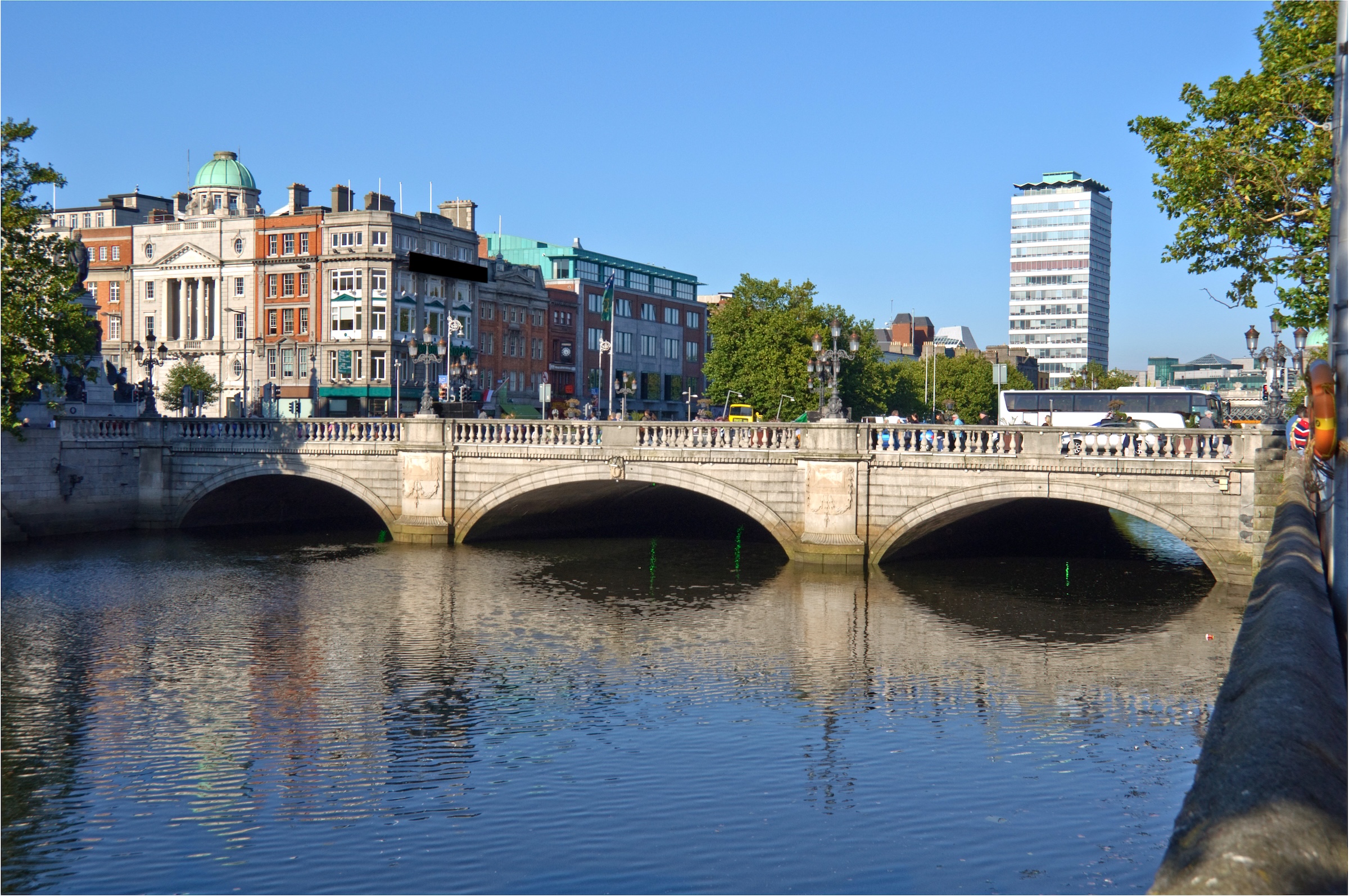
O’Connell Bridge
Dublin's O'Connell Bridge is wider than it is long, lit green-gold-white at night, and free to cross around the clock. History, location and getting there.
National Wax Museum Plus
Dublin's wax museum opposite Trinity College - Irish legends, megastars, Chamber of Horrors and a hands-on floor. Prices, opening hours, how to get there.
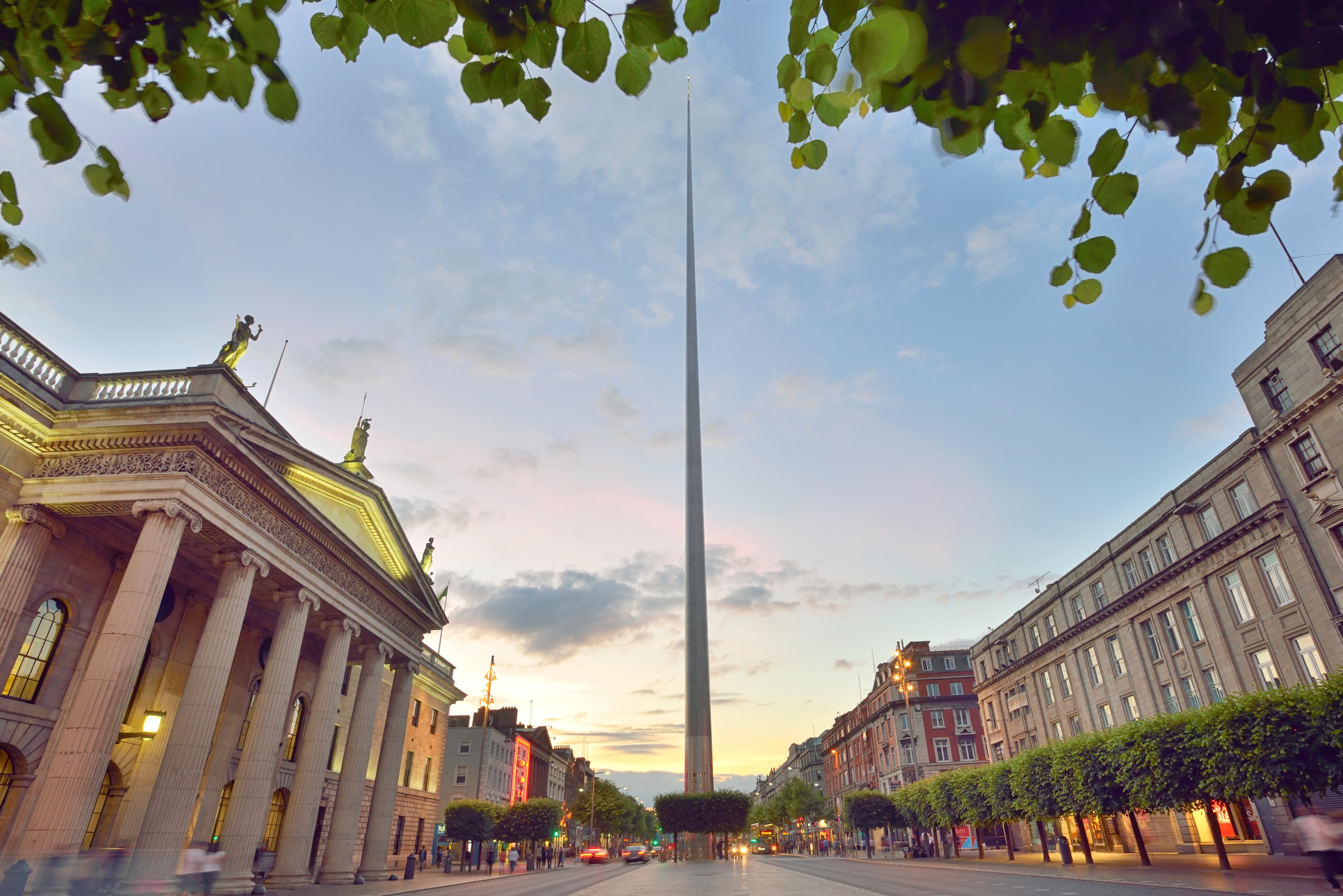
The Spire
The Monument of Light on O'Connell Street is Ireland's tallest sculpture at 120m. The slender spire rises opposite the GPO, free to view any time.
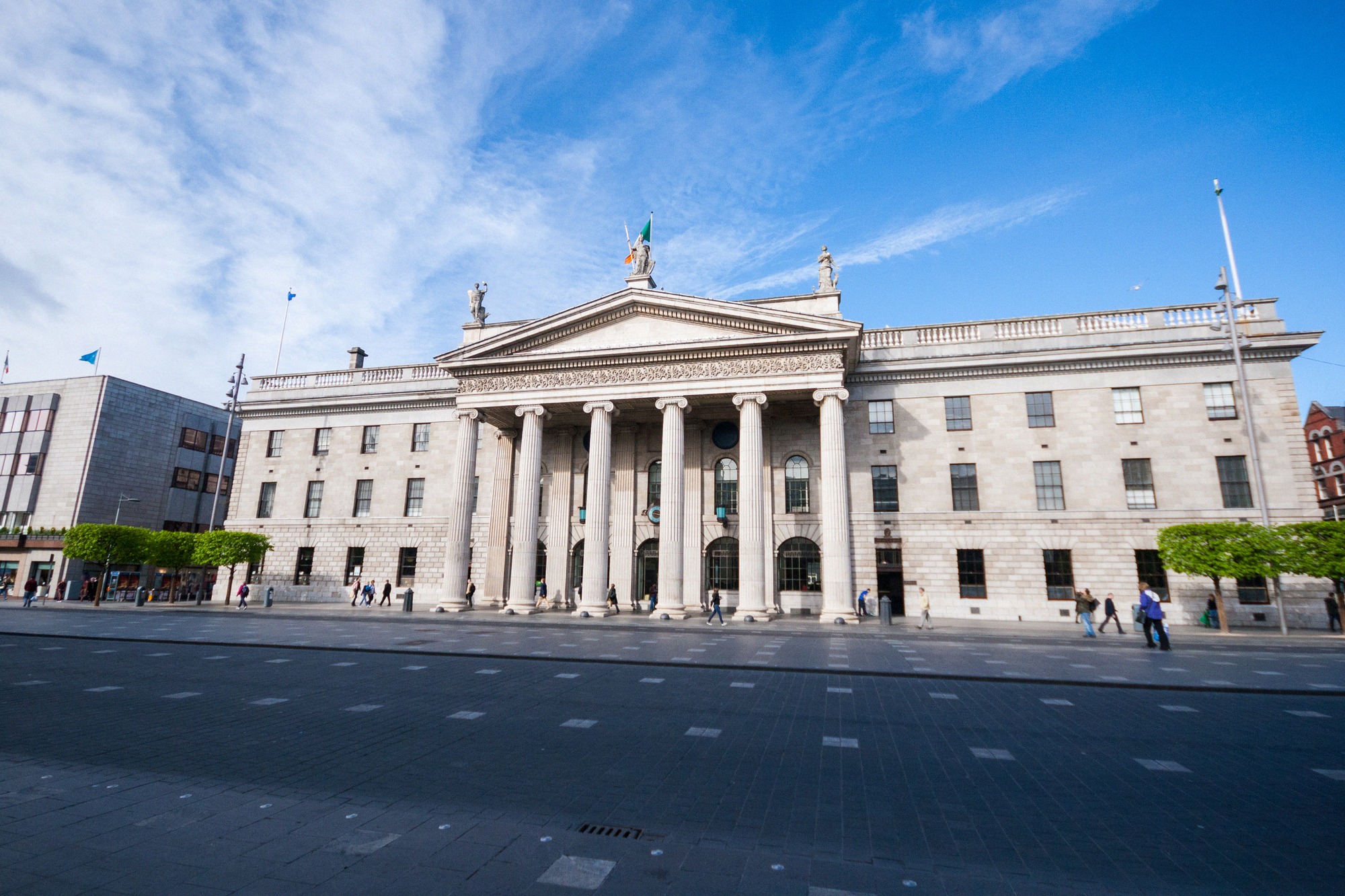
General Post Office
The GPO on O'Connell Street was the headquarters of the 1916 Easter Rising. The Art Deco hall is free to enter; GPO Witness History charges admission.
Custom House
Dublin's neoclassical Custom House on the Liffey, built 1781-1791 by James Gandon. Tickets, opening hours, prices and how to get to the Visitor Centre.
Bank of Ireland
The historic Parliament House on College Green was the seat of the Irish parliament until 1800 and is now a bank branch. Its magnificent House of Lords survives.