
Dublin Writers Museum
Permanently closed - the alternatives
The Dublin Writers Museum on Parnell Square has been permanently closed since March 2020. What became of the collection and which houses tell literary Dublin's story today.
Contents
For nearly three decades, the Dublin Writers Museum on Parnell Square was the first stop for anyone tracing literary Dublin. It is now permanently closed. Visitors who turn up today find a Georgian townhouse with no museum inside, and anyone who is still offered tickets online is looking at an outdated listing. This page explains what happened, what became of the collection, and which houses cover the subject today.
What happened
The museum opened on 18 November 1991 in two 18th-century houses on Parnell Square North. It was run initially by Dublin Tourism and later by the state tourism agency Fáilte Ireland. It displayed first editions, letters, portraits and personal belongings of Ireland's leading writers, from Swift and Wilde to Yeats and Joyce to Beckett and Behan, along with readings and a bookshop.
In March 2020, the museum closed because of the first Covid lockdown. It never reopened. In 2022, Fáilte Ireland decided, following a commissioned review, to close the museum for good; the stated reason was that it no longer met the expectations of today's visitors. That was a fair point: the exhibition was a classic case-and-caption display from early-1990s museum thinking, while MoLI, a more modern literary house, had opened in Dublin in the meantime.
No reopening under the old name is planned, and none has been suggested by any party involved.
Where the collection is now
Accounts differ here, so we present both.
The Museum of Literature Ireland (MoLI) states that the Writers Museum donated its collection to MoLI so visitors and researchers could keep using the objects, and that the building on Parnell Square passed to Dublin City Council. Other accounts, including the English-language Wikipedia entry, still name Fáilte Ireland as custodian of the objects.
What's certain is that the roughly 1,100 objects are not on display anywhere as a dedicated permanent exhibition. If you're after a specific item, the best move is to ask MoLI directly. For an ordinary visit, the practical upshot is simple: literary Dublin is now spread across several houses rather than gathered in one.
MoLI - the main alternative
The Museum of Literature Ireland at St Stephen's Green is the closest thing to a successor, and in almost every respect the better house. It occupies two Georgian townhouses shared by University College Dublin and the National Library, uses sound, film and staged displays rather than plain glass cases, and its centrepiece is "Copy No. 1" of the first edition of Joyce's Ulysses, along with his early notebooks.
It's open daily from 10:00 to 17:00, last admission 16:00; the former Monday closure no longer applies. Allow one to two hours for a visit, longer if you linger over the café and garden. Admission is free on Friday evenings, on the first Friday of the month. MoLI is also included in the Go City Dublin Pass.
Other stops for literary Dublin
If you want more than one house, the theme is spread across the city:
- James Joyce Centre, North Great George's Street: a Joyce exhibition, guided tours and the starting point for Bloomsday events, just a few minutes from Parnell Square.
- James Joyce Tower, Sandycove: the Martello tower where Ulysses opens, half an hour away by DART, free admission.
- Marsh's Library, next to St Patrick's Cathedral: Ireland's first public library, dating from 1707, with the reading room where Swift and Joyce once sat.
- National Library of Ireland, Kildare Street: a free permanent exhibition on W. B. Yeats, with manuscripts, his Nobel medal and personal belongings.
- St Patrick's Cathedral: Jonathan Swift served here as dean and is buried here, with his epitaph and pulpit on display.
- Merrion Square: Oscar Wilde's childhood home at No. 1, and the colourful Wilde statue in the park across the road.
- Dublin Literary Pub Crawl: a literary pub tour led by actors - details and prices in our Tours and Day Trips guide.
Our Literary Dublin guide covers the wider picture - biographies, locations and Bloomsday - while the other museums are listed in the Museums in Dublin hub.
What's next for the building on Parnell Square
Since 2023, Dublin City Council has been pursuing plans to turn No. 18 into a museum dedicated to stained-glass artist Harry Clarke, Ireland's leading exponent of early-20th-century stained glass. No confirmed opening date has been set; the originally mentioned 2026 timeframe has not been met. As of September 2026.
Elsewhere on the square, things are moving. In May 2026, a restored Georgian house at No. 11 Parnell Square East opened as a home for poetry and heritage, run by the Irish Heritage Trust together with Poetry Ireland, housing the Seamus Heaney Poetry Library. And from September 2026, construction begins on the first phase of the Parnell Square Cultural Quarter: behind Nos. 23-28, the new city library, around 6,100 square metres, is due for completion in 2030.
For the next few years, the upshot is this: Parnell Square remains Dublin's literary address - just no longer through the Writers Museum.
Frequently asked questions
Is the Dublin Writers Museum still open? +
Why was the Dublin Writers Museum closed? +
What happened to the Dublin Writers Museum's collection? +
What is the alternative to the Dublin Writers Museum? +
What will happen to the building on Parnell Square? +
Closed since March 2020 (permanent, no reopening planned)
Nearby
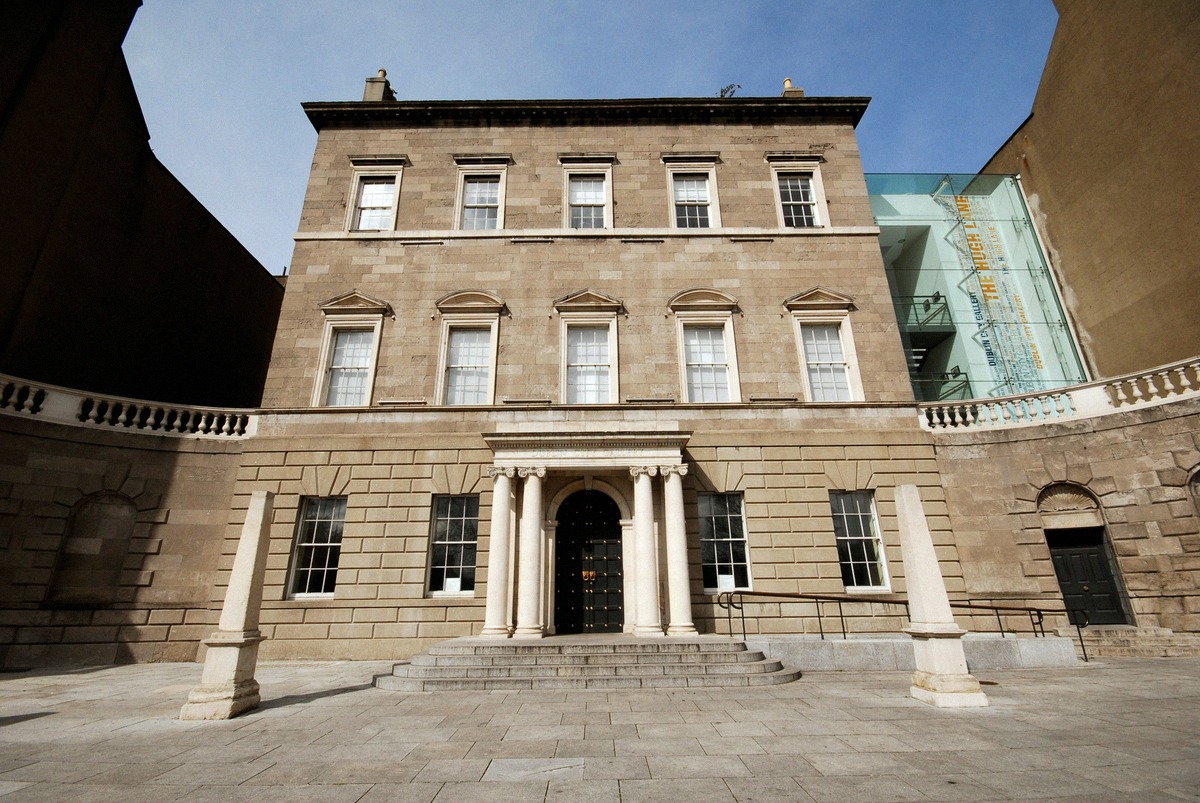
Hugh Lane Gallery
The Dublin City Gallery The Hugh Lane in Charlemont House holds French Impressionists, Harry Clarke's stained glass and Francis Bacon's studio. Closed for renovation since September 2025, expected until around 2028.
James Joyce Centre
The James Joyce Centre on North Great George's Street covers the life and work of the Ulysses author and runs guided Joyce tours through Dublin.
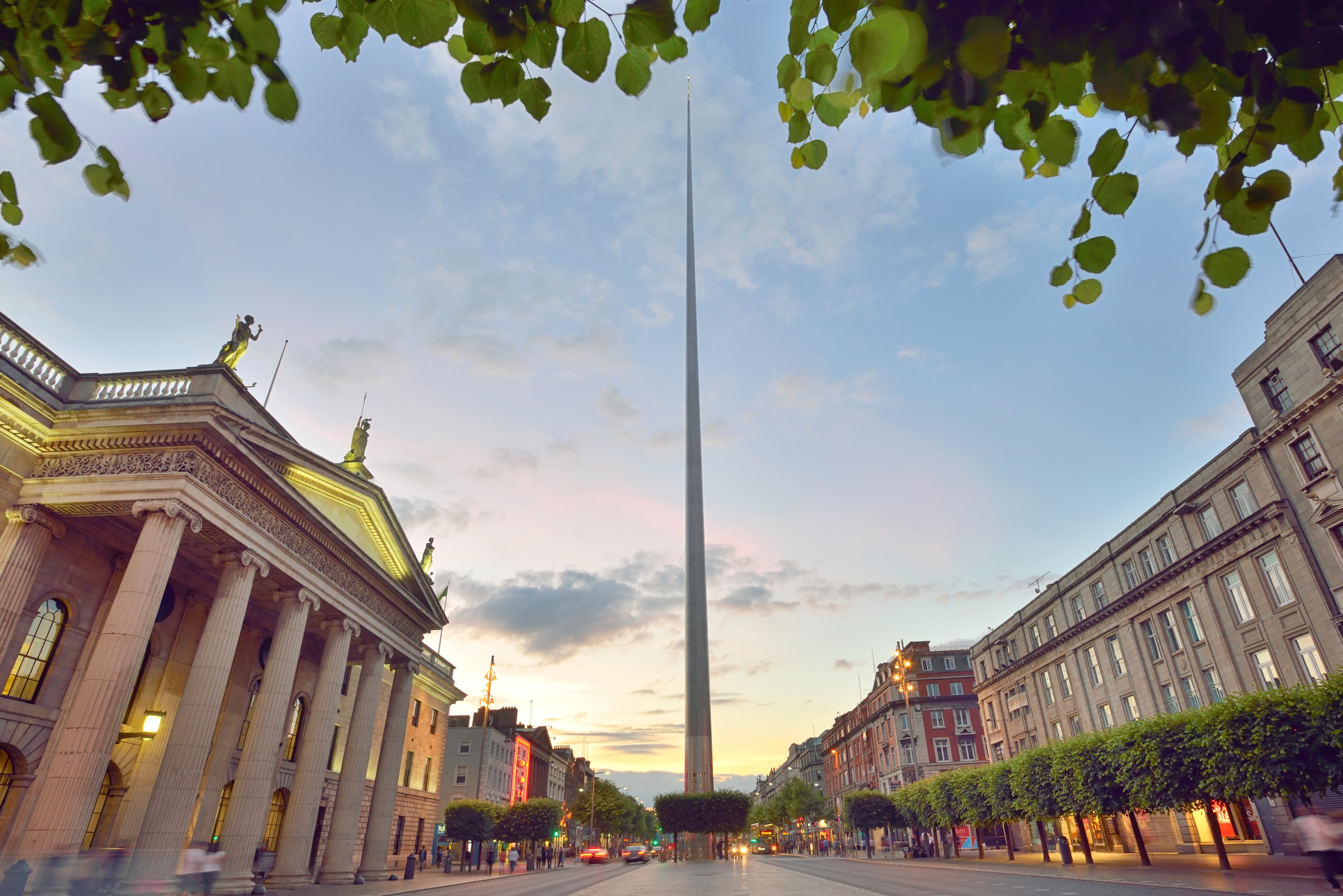
The Spire
The Monument of Light on O'Connell Street is Ireland's tallest sculpture at 120m. The slender spire rises opposite the GPO, free to view any time.
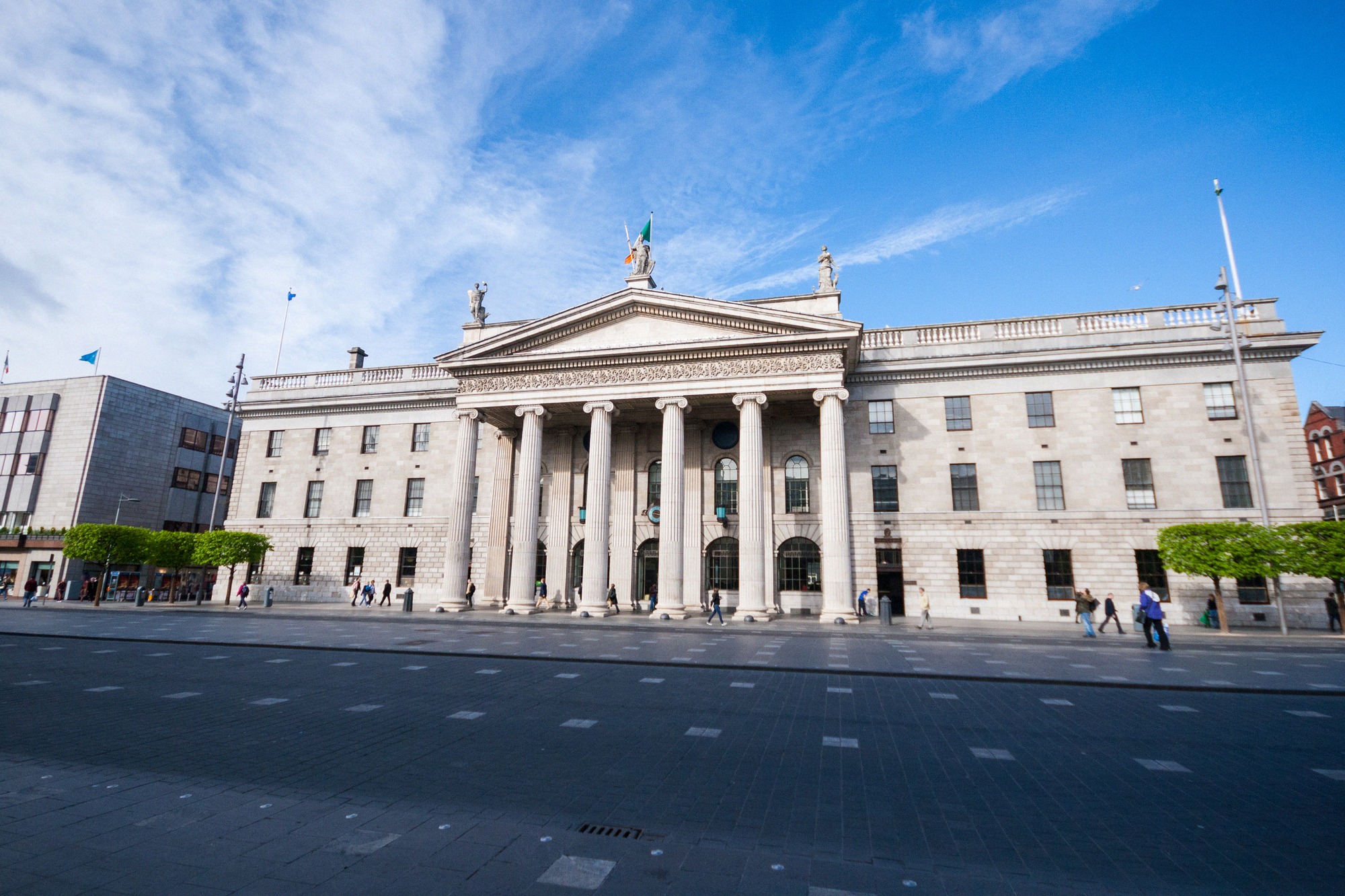
General Post Office
The GPO on O'Connell Street was the headquarters of the 1916 Easter Rising. The Art Deco hall is free to enter; GPO Witness History charges admission.
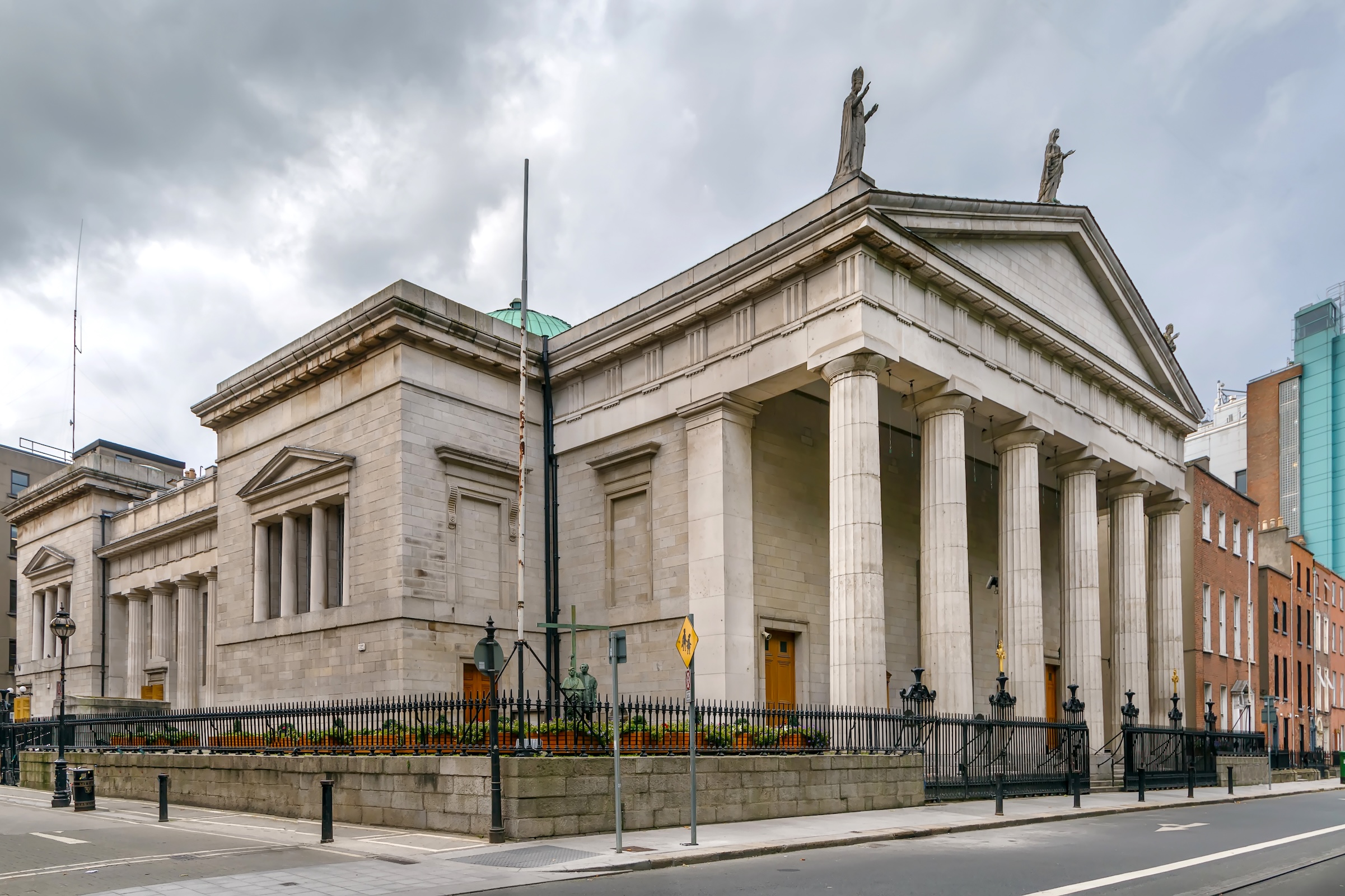
St Mary's Cathedral
Known as the "Pro-Cathedral" until November 2025, this neoclassical Marlborough Street church is now Dublin's official Catholic cathedral and home to the Palestrina Choir.
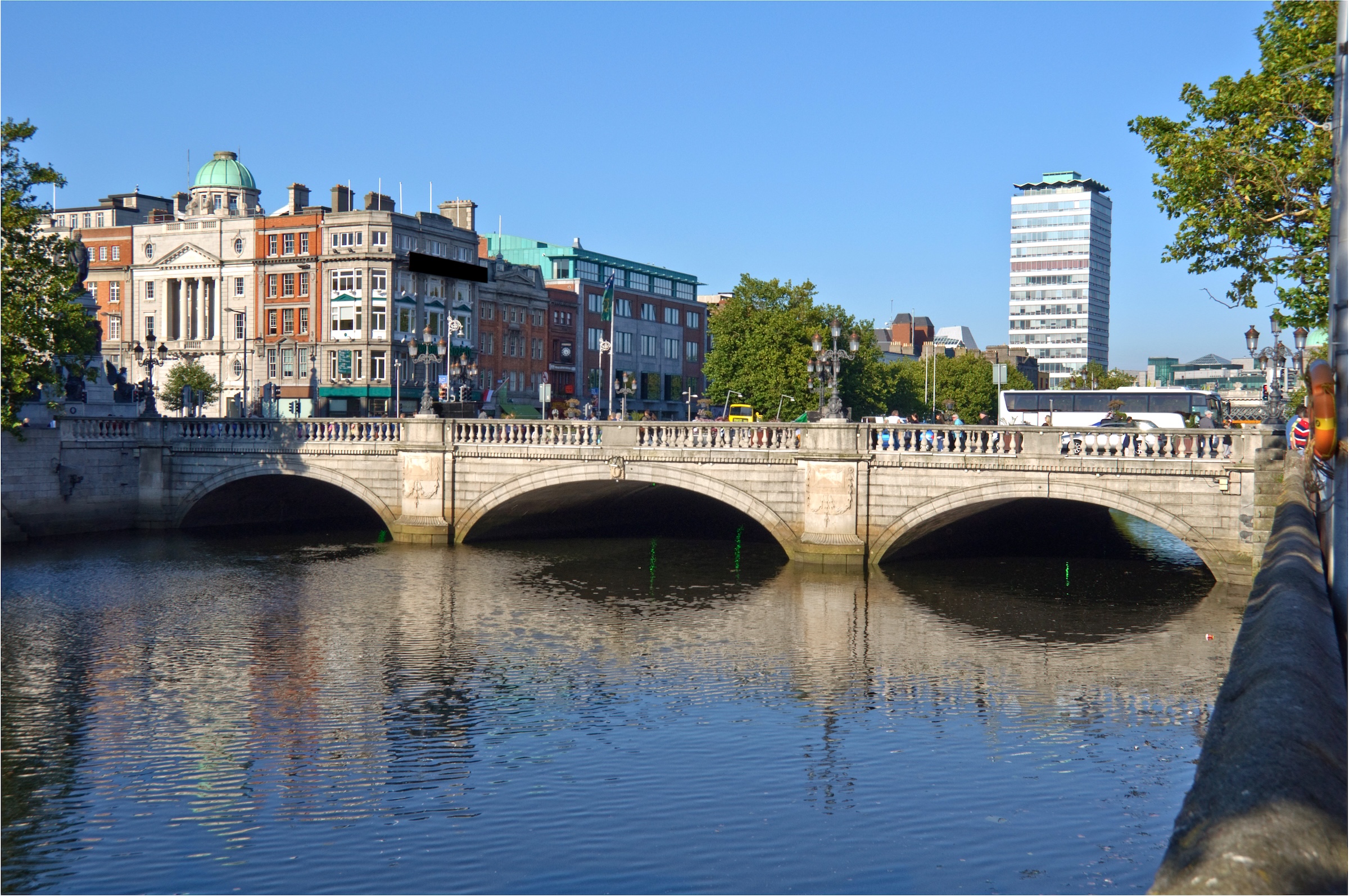
O’Connell Bridge
Dublin's O'Connell Bridge is wider than it is long, lit green-gold-white at night, and free to cross around the clock. History, location and getting there.