
Hugh Lane Gallery
City gallery on Parnell Square - closed until around 2028
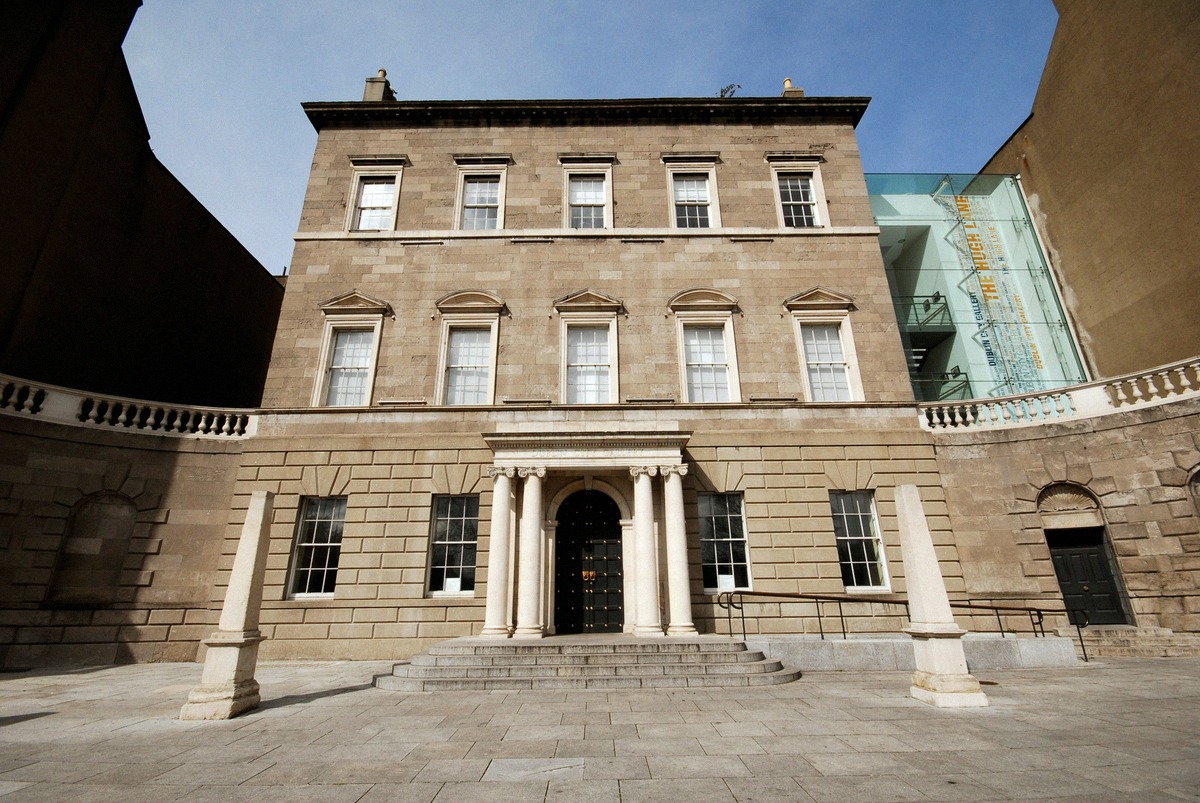
The Dublin City Gallery The Hugh Lane in Charlemont House holds French Impressionists, Harry Clarke's stained glass and Francis Bacon's studio. Closed for renovation since September 2025, expected until around 2028.
Contents
The Hugh Lane Gallery in the Georgian Charlemont House ranks among Dublin's finest art museums: French Impressionists, Irish modernism and the meticulously reconstructed London studio of Francis Bacon. Admission to the permanent collection is normally free. Important for your planning: the building is currently closed entirely for a multi-year renovation.
Important: closed for renovation
The gallery has been closed to the public since Sunday, 28 September 2025. The original 1930s gallery wing is being renovated to bring it up to modern standards for security and climate control. The work forms part of a larger project to create a cultural quarter on Parnell Square, including a planned direct link to the new Dublin City Library.
- The gallery expects a closure of at least three years, putting the earliest reopening around 2028; an exact date has not been officially announced.
- Travellers should not build a firm visit into their itinerary for now, and should check hughlane.ie before travelling in case the timeline shifts.
- Francis Bacon's reconstructed studio stays inside Charlemont House throughout the building works and remains protected, but it cannot be viewed during the closure.
Where to see the collection in the meantime
The collection hasn't vanished from the city during the building works, several works are on loan and on view elsewhere:
- Key works have gone to the National Gallery of Ireland, the closest alternative for a free art museum.
- Existing loans are held by the Office of Public Works at Dublin Castle, at Farmleigh House and at the Kilmainham Gaol Museum.
- The rest of the collection is in museum storage.
- The education and outreach programme (Explore & Learn) continues across the city; specific dates are listed in the "What's On" calendar at hughlane.ie. The bookshop remains reachable online at hlgallerybooks.com.
The Chester Beatty at Dublin Castle is also closed at times in 2026, when planning museum days, it's worth checking the overview of museums in Dublin.
History and architecture
Sir Hugh Lane (1875-1915), an Irish art dealer and collector, founded the gallery on 20 January 1908 as the Municipal Gallery of Modern Art, the world's first public museum of modern art. Initially housed in Clonmell House on Harcourt Street, the collection moved to its current home in Charlemont House on Parnell Square in 1933.
The Georgian townhouse was designed in 1763 by the neoclassical architect Sir William Chambers for James Caulfield, 1st Earl of Charlemont. It's regarded as one of Dublin's finest townhouses and retains many original features: ornate plasterwork ceilings, a marble fireplace by Pietro Bossi and the original wrought-iron staircase balustrade. In 1933, city architect Horace T. O'Rourke extended the house with gallery rooms in the garden; a further extension by Gilroy McMahon Architects opened in 2006 after two years of building work.
The collection
French Impressionists
The centrepiece is 39 paintings by 19th-century French masters, including works by Édouard Manet, Edgar Degas, Pierre-Auguste Renoir, Claude Monet, Camille Pissarro and Berthe Morisot. They belong to the Lane Bequest, a gift with a complicated history: Hugh Lane originally left the works to the National Gallery in London, but shortly before his death in 1915, he died in the sinking of the RMS Lusitania, he amended his will. Because the codicil was unwitnessed, a decades-long dispute broke out between Dublin and London. Since 1959 the two cities have shared the collection; under the 2021 partnership agreement, works continue to rotate between the National Gallery London and Dublin.
Irish art and Harry Clarke's stained glass
Alongside the Impressionists, the collection includes major Irish artists such as Roderic O'Conor and Jack B. Yeats, as well as one of the most important public collections of the Irish-American painter Sean Scully. In the Stained Glass Room, the monumental window The Eve of St Agnes by Harry Clarke (1889-1931) makes a striking impression. Completed in 1924, it depicts John Keats' poem of the same name across 14 scenes; Clarke worked with double-layered glass, repeated acid etching and the finest details scratched in with a needle. The gallery acquired the window in 1978.
Francis Bacon's studio
Another highlight is the fully reconstructed London studio of the Dublin-born painter Francis Bacon (1909-1992), who worked at 7 Reece Mews in South Kensington from 1961 until his death. In 1998, director Barbara Dawson secured the donation of the entire studio from Bacon's heir John Edwards and his estate's executor, Brian Clarke. A team of archaeologists, conservators and curators documented and packed up more than 7,000 objects, books, photographs, cut-up canvases, artist's materials and even the dust. The walls, doors, floor and ceiling were also dismantled and faithfully reassembled in May 2001. The studio remains inside the building during the closure but cannot be seen until the gallery reopens.
Getting there and practical information
Charlemont House stands on Parnell Square North, at the northern end of O'Connell Street.
- Luas: Green Line, Parnell or O'Connell Street Upper stop, around a 6-minute walk. More in the Public transport guide.
- Bus: many routes stop at Parnell Square and on O'Connell Street.
- DART: about a 23-minute walk from Connolly Station.
- Dublinbikes: the Parnell Square North station is right outside the building.
- Accessibility: Charlemont House is normally wheelchair accessible, with step-free access, lifts between floors and accessible toilets on the ground and lower ground floors.
Once the gallery reopens, it combines well with other sights in the north city centre. For ideas on planning your day, see the Attractions overview and the Museums in Dublin guide.
Frequently asked questions
Is the Hugh Lane Gallery open? +
How much does it cost to visit the Hugh Lane Gallery? +
Can I see Francis Bacon's studio while the gallery is closed? +
Where can I see the Hugh Lane Gallery's works while it is closed? +
What can you normally see at the Hugh Lane Gallery? +
Nearby
Dublin Writers Museum
The Dublin Writers Museum on Parnell Square has been permanently closed since March 2020. What became of the collection and which houses tell literary Dublin's story today.
James Joyce Centre
The James Joyce Centre on North Great George's Street covers the life and work of the Ulysses author and runs guided Joyce tours through Dublin.
The Spire
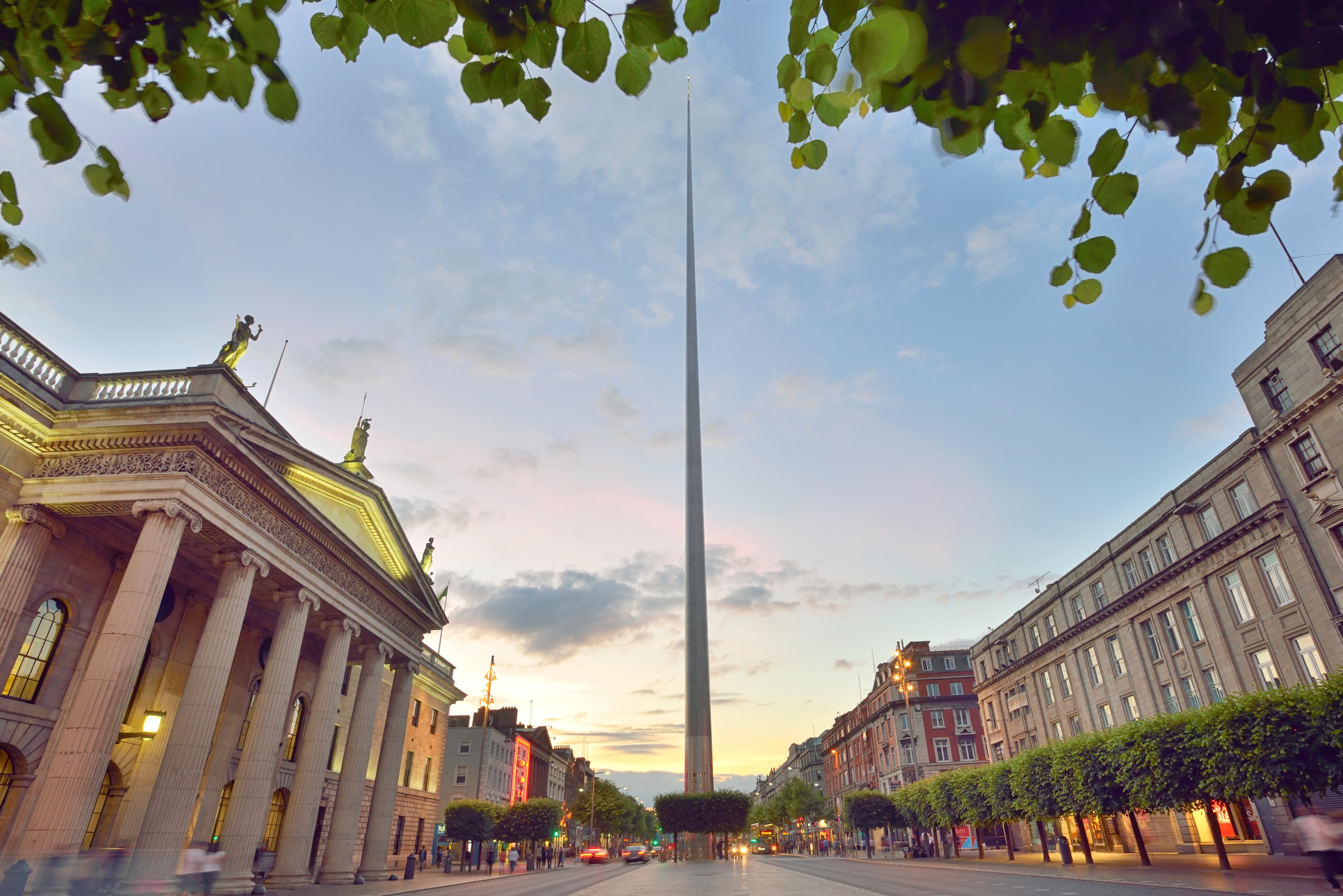
The Monument of Light on O'Connell Street is Ireland's tallest sculpture at 120m. The slender spire rises opposite the GPO, free to view any time.
General Post Office
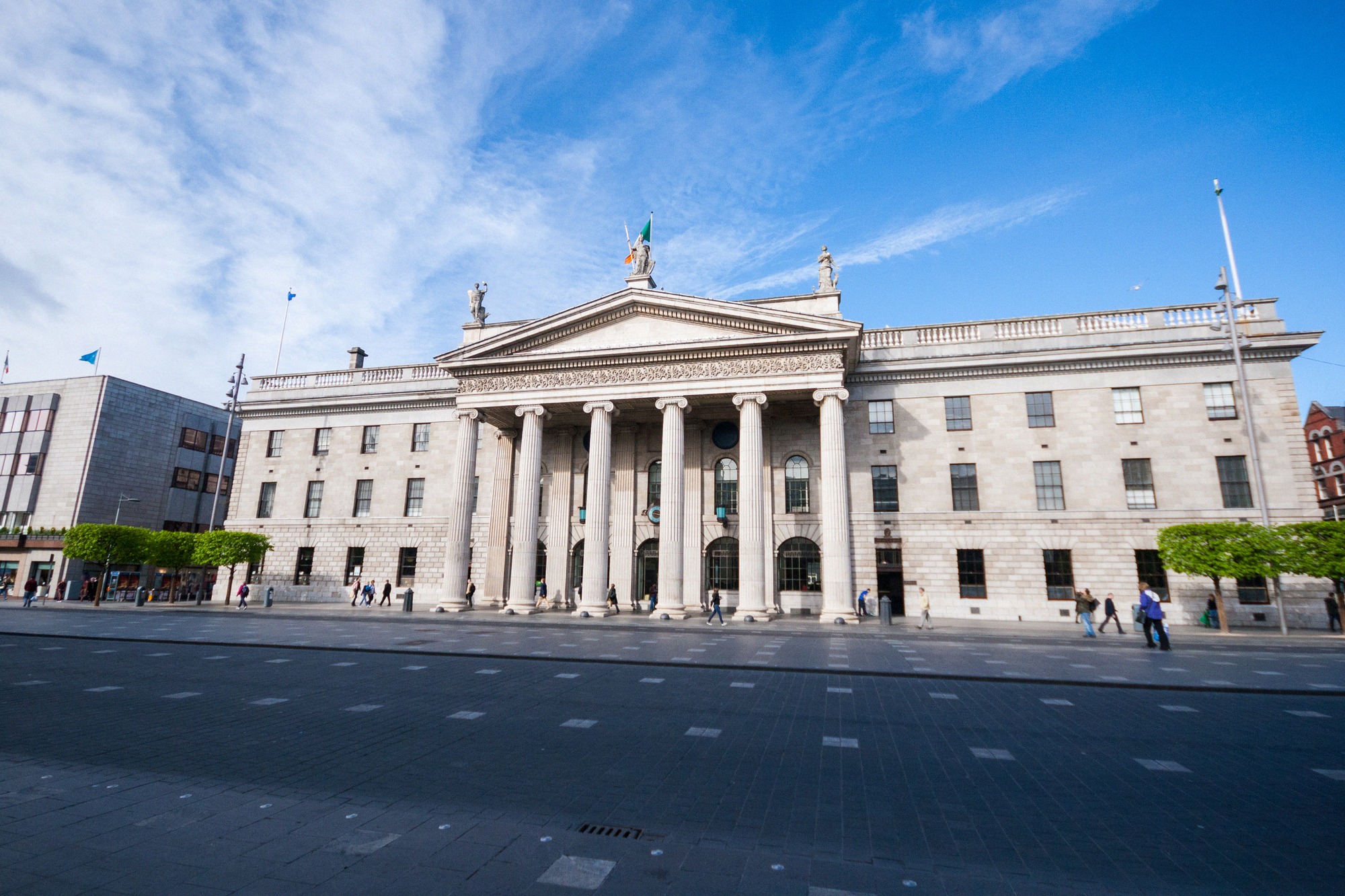
The GPO on O'Connell Street was the headquarters of the 1916 Easter Rising. The Art Deco hall is free to enter; GPO Witness History charges admission.
St Mary's Cathedral
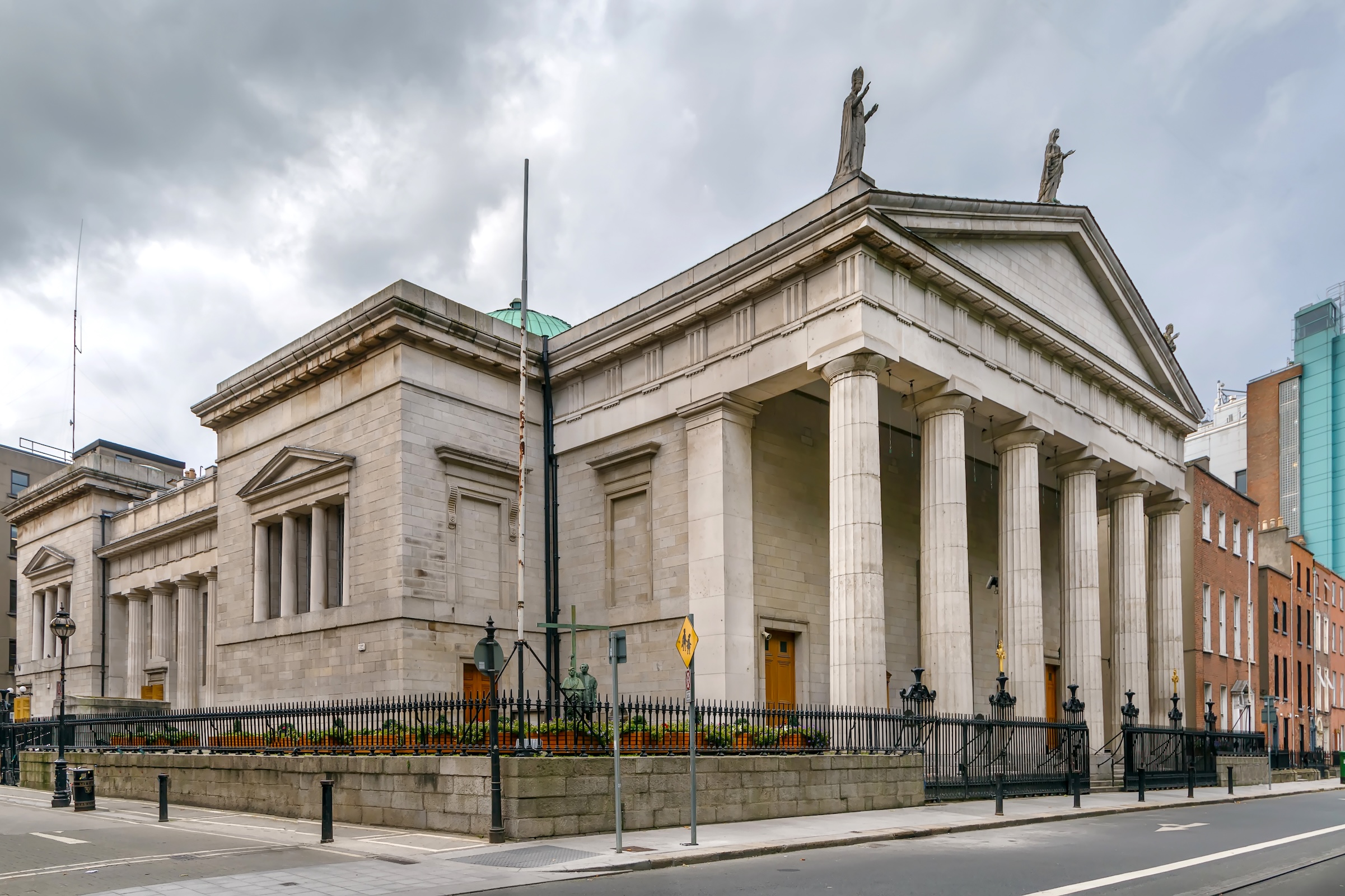
Known as the "Pro-Cathedral" until November 2025, this neoclassical Marlborough Street church is now Dublin's official Catholic cathedral and home to the Palestrina Choir.
O’Connell Bridge
Dublin's O'Connell Bridge is wider than it is long, lit green-gold-white at night, and free to cross around the clock. History, location and getting there.