
Bank of Ireland
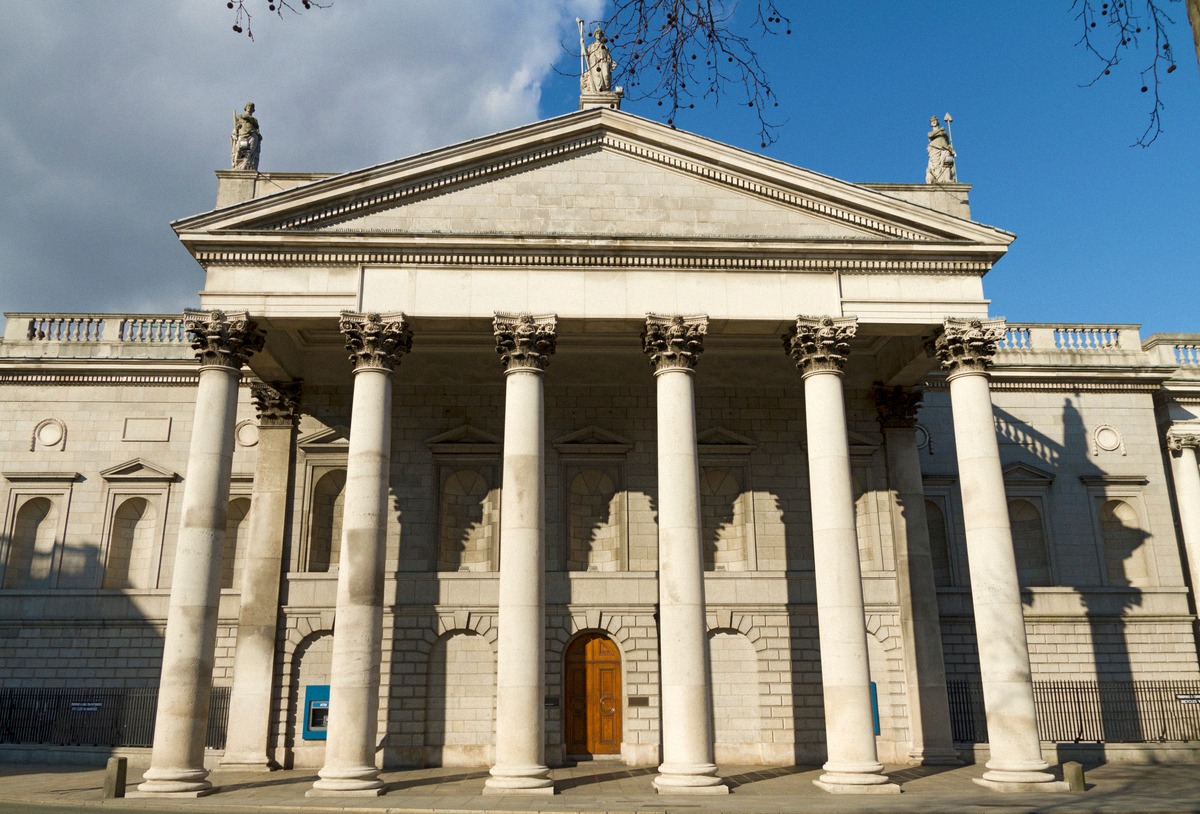
The historic Parliament House, now a bank branch
The historic Parliament House on College Green was the seat of the Irish parliament until 1800 and is now a bank branch. Its magnificent House of Lords survives.
Contents
On College Green, opposite Trinity College, stands one of Dublin's most significant buildings: the world's first structure purpose-built as a bicameral parliament house. The Irish parliament sat here only until the Act of Union in 1800, though; today the building houses a Bank of Ireland branch. If you're looking for today's parliament, you'll find it at Leinster House on Kildare Street. The magnificent House of Lords chamber survives from the old Parliament House, and is free to visit.
History and architecture
Construction began in 1729 to designs by the Irish architect Sir Edward Lovett Pearce, the leading exponent of Palladianism in Ireland. Pearce, himself a member of parliament, won the design competition and was knighted in 1732 for his work. After his early death in 1733, Arthur Dobbs carried the project through to completion in 1739. The original building had a semicircular plan with an E-shaped colonnade of Ionic columns.
Between 1785 and 1789, James Gandon added the eastern portico with Corinthian columns facing Westmoreland Street. Robert Parke designed the western extension towards Foster Place in 1787. The curved connecting walls that give the building its unified appearance were added later by Francis Johnston. Statues by the sculptor Edward Smyth crown the main entrance: Hibernia, the personification of Ireland, flanked by Fidelity and Commerce.
From parliament to bank
The Irish parliament sat here until the Act of Union in 1800, which sealed the union with Great Britain. Through widespread bribery, the British government persuaded the parliament to vote for its own abolition. Dublin was then without a parliament of its own for more than a century; only in 1922 did the new state's Dáil and Seanad move into Leinster House, where parliament sits to this day.
In 1803, the Bank of Ireland acquired the building on condition that it would never again be used for political assemblies. The banking hall opened here in 1808, one of the oldest continuously operating banking halls in the world. The former House of Commons was rebuilt as a cash hall after a fire in 1792, while the House of Lords survives with its coffered ceiling, oak panelling and historic tapestries. The tapestries depict the Battle of the Boyne and the Siege of Derry. The cannons in the courtyard belonged to the bank's own militia.
What to expect
The highlight for visitors is the House of Lords, the former upper-chamber. Here you can see the original 18th-century furnishings: the gilded coffered ceiling, an Irish crystal chandelier, and tapestries some 300 years old. On most weekdays the chamber is open for self-guided visits, with an information panel explaining its history. For a more in-depth visit, time your trip for a Tuesday, when bank staff lead free tours of the room.
Note that access can be closed if the chamber is in use for a private event. Since May 2025, the entire complex has also been undergoing an extensive restoration expected to take around three years, at a cost of €36 million. The works cover 280 windows, 45 staircases, 200 kilometres of electrical cable, 54 roofs, and the cleaning of the historic tapestries in the House of Lords. The bank branch remains open as normal throughout the works; whether and when visitor access will be restricted has not been officially specified.
Visiting and practical information
Admission is free, and the Tuesday tours are also free and require no booking. As Bank of Ireland does not publish official visiting hours, it's worth a quick call on 01 677 6801 before you go, especially while the restoration works are under way.
The building stands right on College Green, opposite the main gate of Trinity College and its Book of Kells. Within a few minutes' walk you'll reach Dublin Castle, the City Hall and the nightlife quarter of Temple Bar; The Spire and the General Post Office on O'Connell Street are also close by, making this an easy stop to combine with a walk through the city centre.
Frequently asked questions
Does the Irish parliament still sit here? +
How much does it cost to visit the Bank of Ireland on College Green? +
When do the free tours of the House of Lords run? +
Is the House of Lords open during the restoration works? +
How do I get to the Bank of Ireland on College Green? +
Nearby
Irish Whiskey Museum
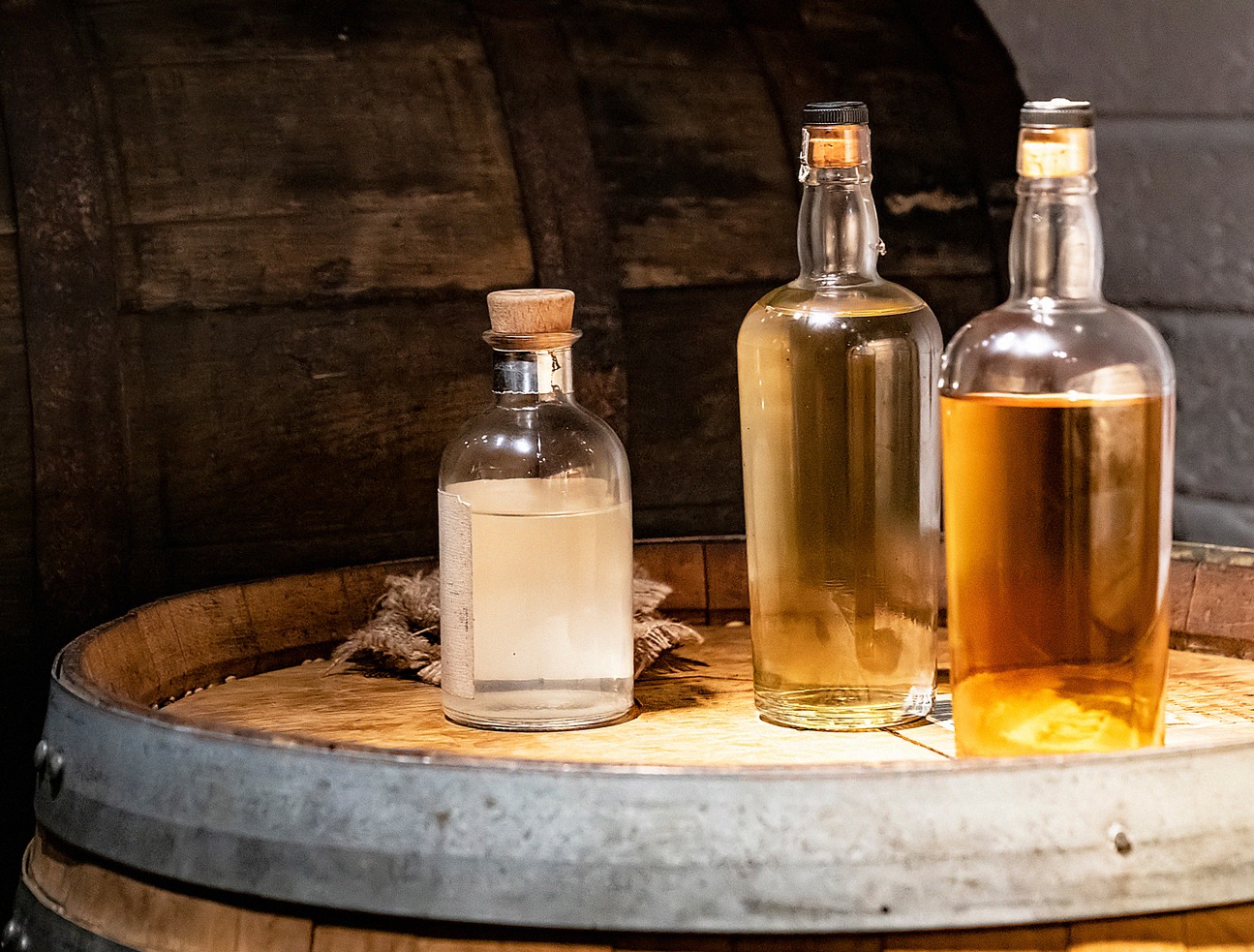
Guided tours through the story of Irish whiskey with three to four tastings, right on Grafton Street opposite Trinity College.
Trinity College
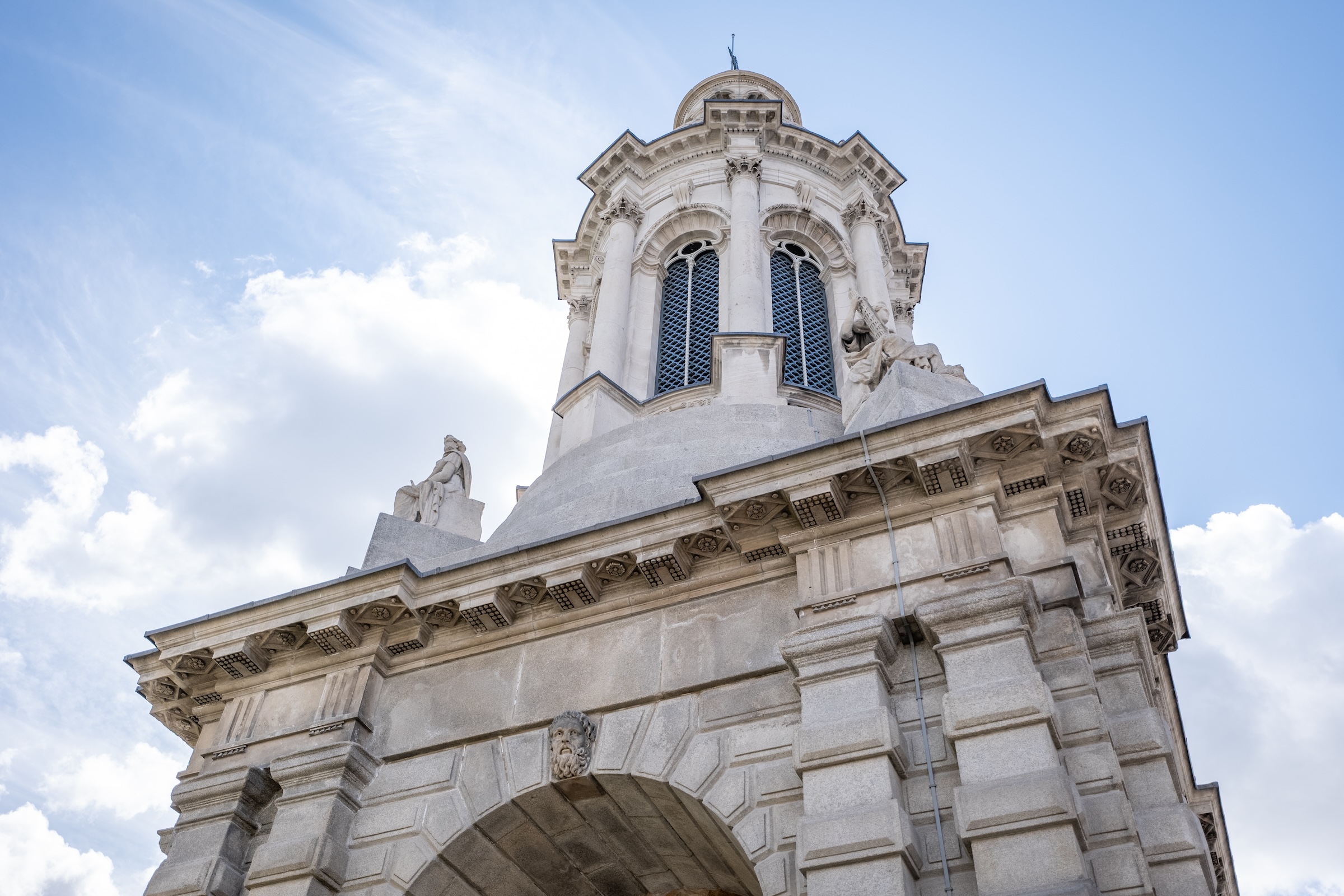
Trinity College Dublin is Ireland's oldest university. The Old Library holds the Book of Kells and the monumental Long Room. Campus free, Experience from €26.
National Wax Museum Plus
Dublin's wax museum opposite Trinity College - Irish legends, megastars, Chamber of Horrors and a hands-on floor. Prices, opening hours, how to get there.
Temple Bar
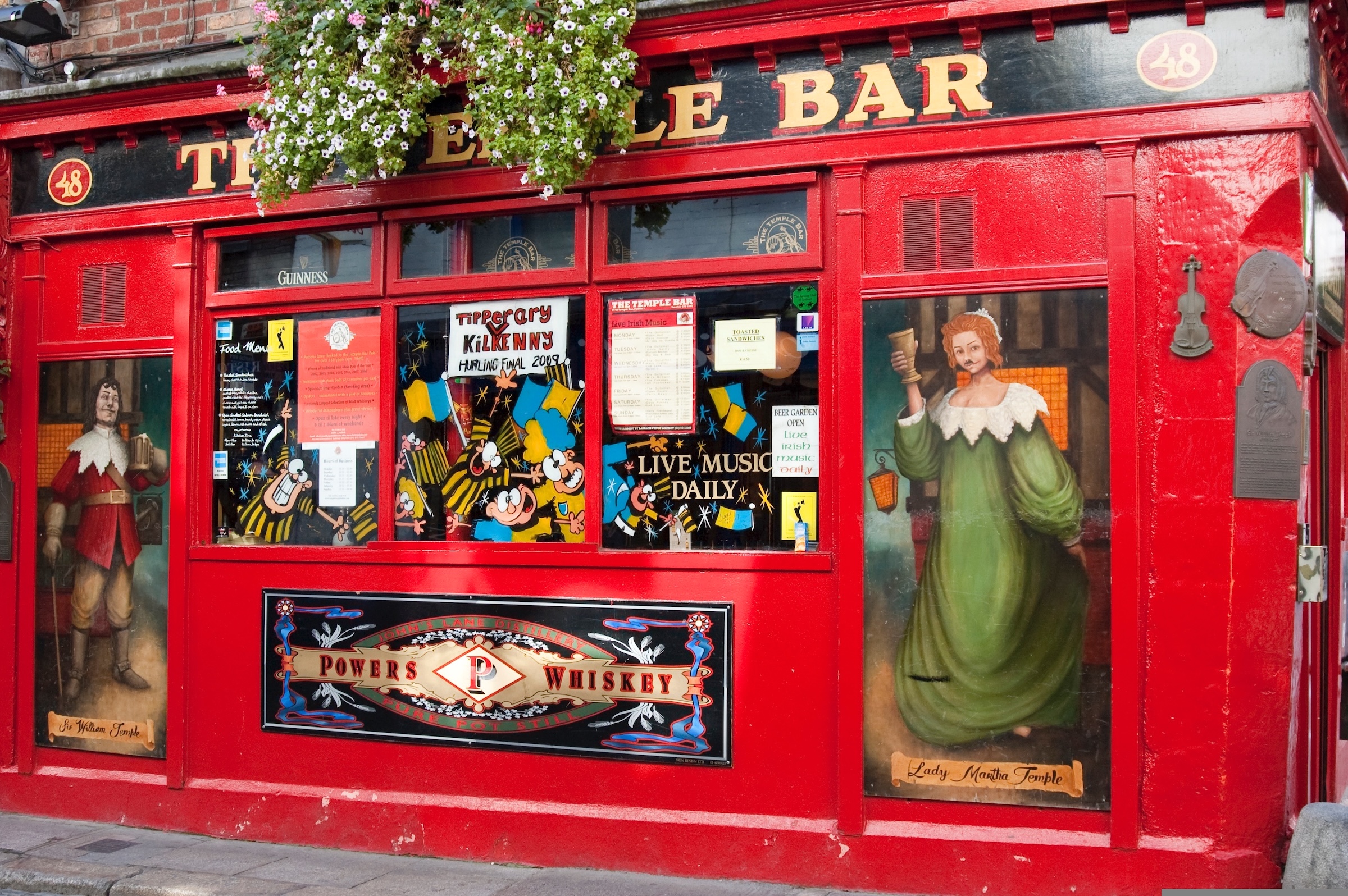
Temple Bar is Dublin's entertainment quarter on the Liffey, with cobbled lanes, live-music pubs, galleries and the Wall of Fame. Free to enter.
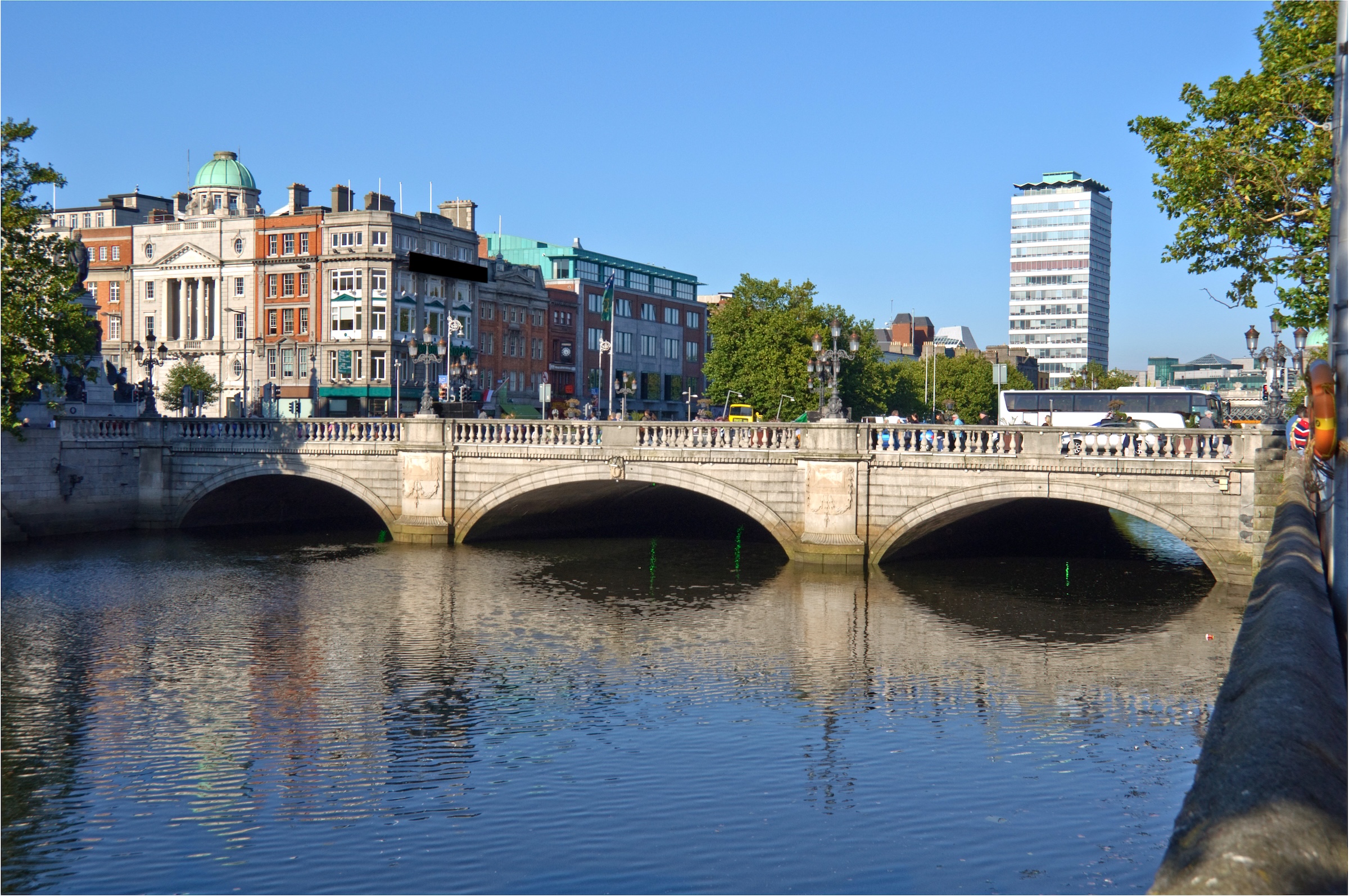
O’Connell Bridge
Dublin's O'Connell Bridge is wider than it is long, lit green-gold-white at night, and free to cross around the clock. History, location and getting there.
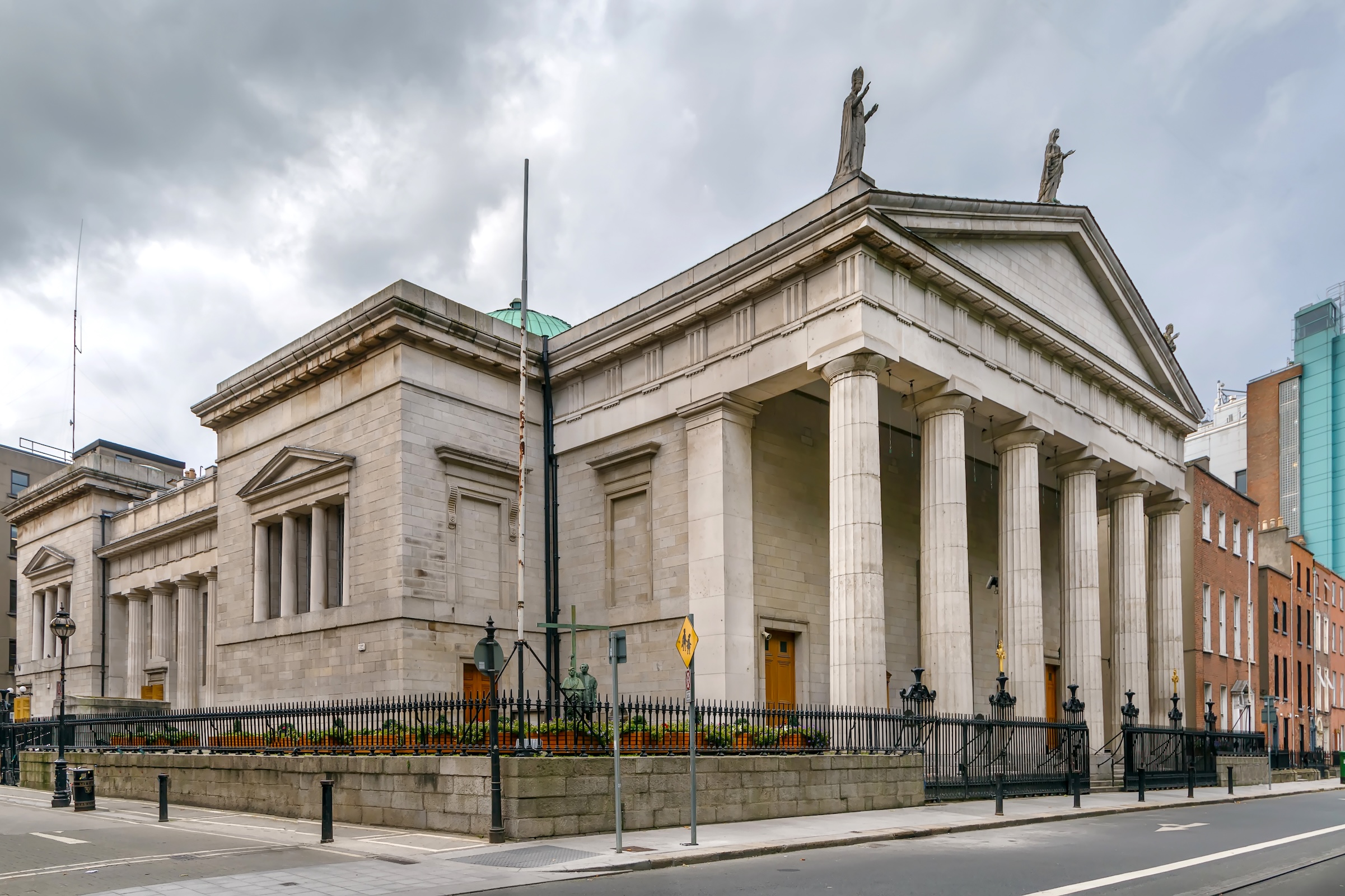
St Mary's Cathedral
Known as the "Pro-Cathedral" until November 2025, this neoclassical Marlborough Street church is now Dublin's official Catholic cathedral and home to the Palestrina Choir.