
O’Connell Bridge
Liffey bridge in the city centre, wider than it is long
Dublin's O'Connell Bridge is wider than it is long, lit green-gold-white at night, and free to cross around the clock. History, location and getting there.
Contents
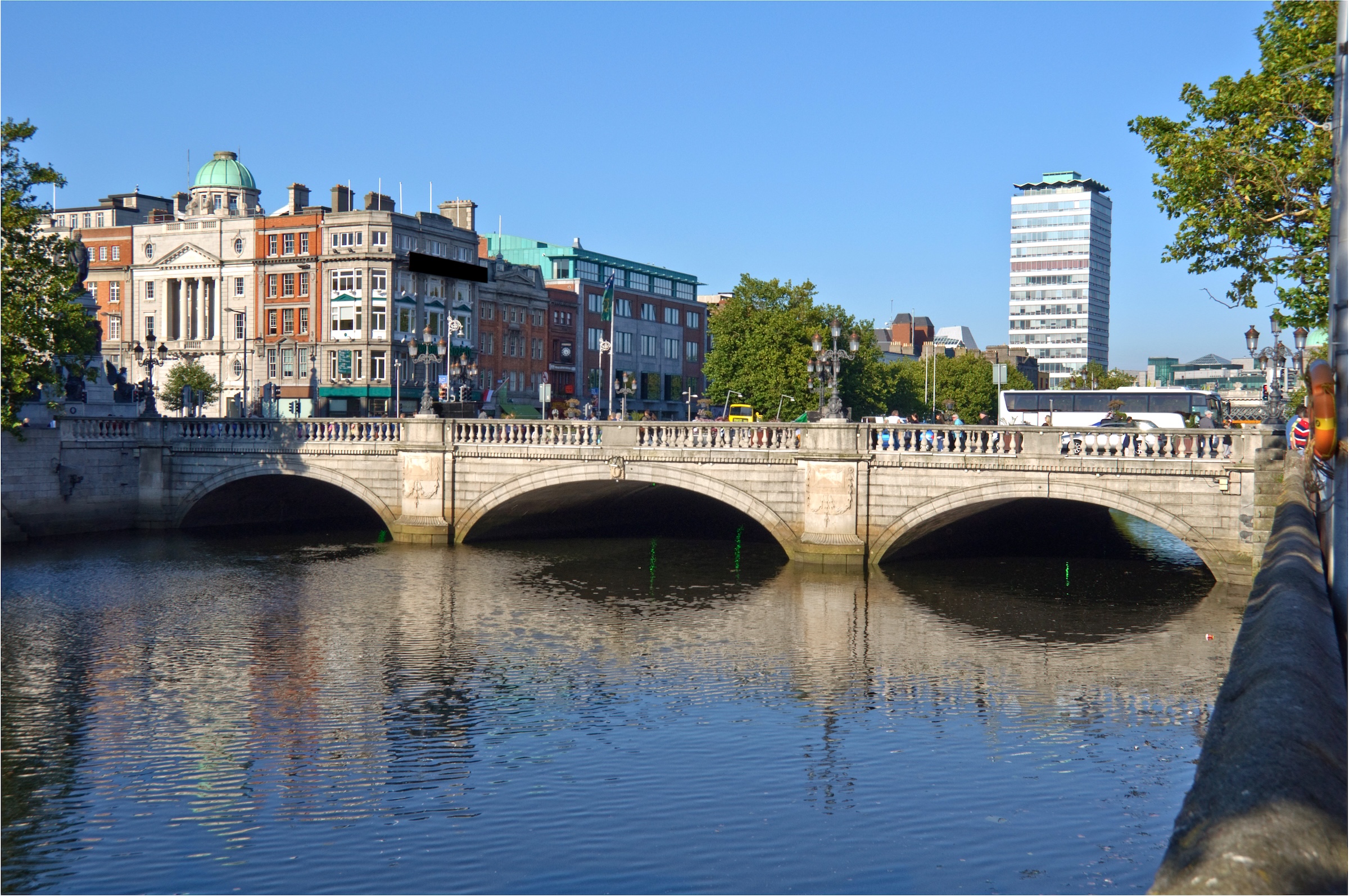
O'Connell Bridge links the north and south sides of Dublin across the River Liffey, right in the city centre, at the foot of O'Connell Street. It's known for an architectural quirk: it's wider than it is long. The bridge isn't a destination in its own right; it's a brief photo and viewing stop of a few minutes that sits on almost every city-centre route anyway.
History and construction
O'Connell Bridge (Irish: Droichead Uí Chonaill) spans the Liffey in the heart of Dublin, linking O'Connell Street on the north side with the fork of D'Olier Street and Westmoreland Street to the south.
The site was originally occupied by Carlisle Bridge, designed by architect James Gandon and built between 1791 and 1794. It was named after Frederick Howard, 5th Earl of Carlisle, then Lord Lieutenant of Ireland. The narrow, arched bridge became a bottleneck as 19th-century traffic grew. From 1877, it was rebuilt under Bindon Blood Stoney, engineer to the Dublin Port and Docks Board: Stoney kept Gandon's three arches but replaced the semicircular arches with segmental ones and reduced the roadway's gradient. The new bridge opened to traffic in August 1880.
Renamed for Daniel O'Connell
On 15 August 1882, the bridge received its current name, at the same time as the unveiling of the monumental O'Connell Monument at its northern end. Daniel O'Connell (1775-1847), known as "The Liberator", was one of the most important Irish politicians of the 19th century. He won Catholic Emancipation in 1829, opening the way for Catholics to sit in the British Parliament for the first time, and became the first Catholic Lord Mayor of Dublin since 1688. Throughout his life, he championed non-violent political change.
An architectural oddity
O'Connell Bridge measures around 45 metres in length and about 50 metres in width, a rare proportion in which the width exceeds the length. These dimensions came from the desire to match the bridge to the width of the broad Sackville Street (today's O'Connell Street).
Architecturally, it's defined by three arches, sandstone balustrades and ornate piers, along with Parisian-style lamp standards. The keystones of the central arches carry heads symbolising the River Liffey (facing west) and the Atlantic (facing east), the work of sculptor Edward Smyth, whose finest work can be seen nearby on the Custom House. The bridge is maintained by Dublin City Council, which carried out major repairs to the two main piers in 2008.
Lit up at night
The bridge's real appeal comes out after dark. Its structure carries 24 lamps, plus a lighting scheme in Ireland's national colours: green light falls on the Liffey, gold on the balustrades, and white lamplight completes the green-white-gold tricolour effect. Combined with the reflection in the water, this is the best moment for a photo.
Dublin City Council doesn't publish a fixed schedule for when the lighting switches on and off, so simply plan your visit for the hours after sunset. In winter, the "Dublin Winter Lights" festival adds further seasonal light installations along O'Connell Street and on neighbouring bridges.
Location and getting there
The bridge sits in an extremely central spot, between O'Connell Street to the north and Temple Bar and Trinity College to the south. It's just a few minutes' walk in either direction, which is why most visitors end up crossing O'Connell Bridge almost automatically.
- Luas: The nearest stop is Abbey Street (Red Line), a few minutes' walk to the north.
- Bus: Numerous Dublin Bus routes stop at both ends of the bridge, including 4, 7, 13, 14, 16, 27, 39A and 151, as well as BusConnects routes such as E2, F1, F2, G1, G2.
- Accessibility: The bridge is a level road bridge with no steps, making it easy to cross with a wheelchair or pushchair.
For more on tickets, the Luas and buses, see our public transport guide.
Visiting and practical information
Allow 5 to 15 minutes, the bridge is a stop, not a full itinerary. As part of the public road network, it's free and accessible around the clock, though Dublin City Council may impose temporary traffic restrictions during roadworks or major events.
The bridge is best combined with the sights around it: a short walk north brings you to the General Post Office and The Spire, while Temple Bar and Trinity College beckon to the south. For ideas on planning your day, see our attractions overview.
Frequently asked questions
Is there an admission charge for O’Connell Bridge? +
What makes O’Connell Bridge unusual? +
When is the best time for a photo? +
How do I get to O’Connell Bridge? +
Nearby
National Wax Museum Plus
Dublin's wax museum opposite Trinity College - Irish legends, megastars, Chamber of Horrors and a hands-on floor. Prices, opening hours, how to get there.
St Mary's Cathedral
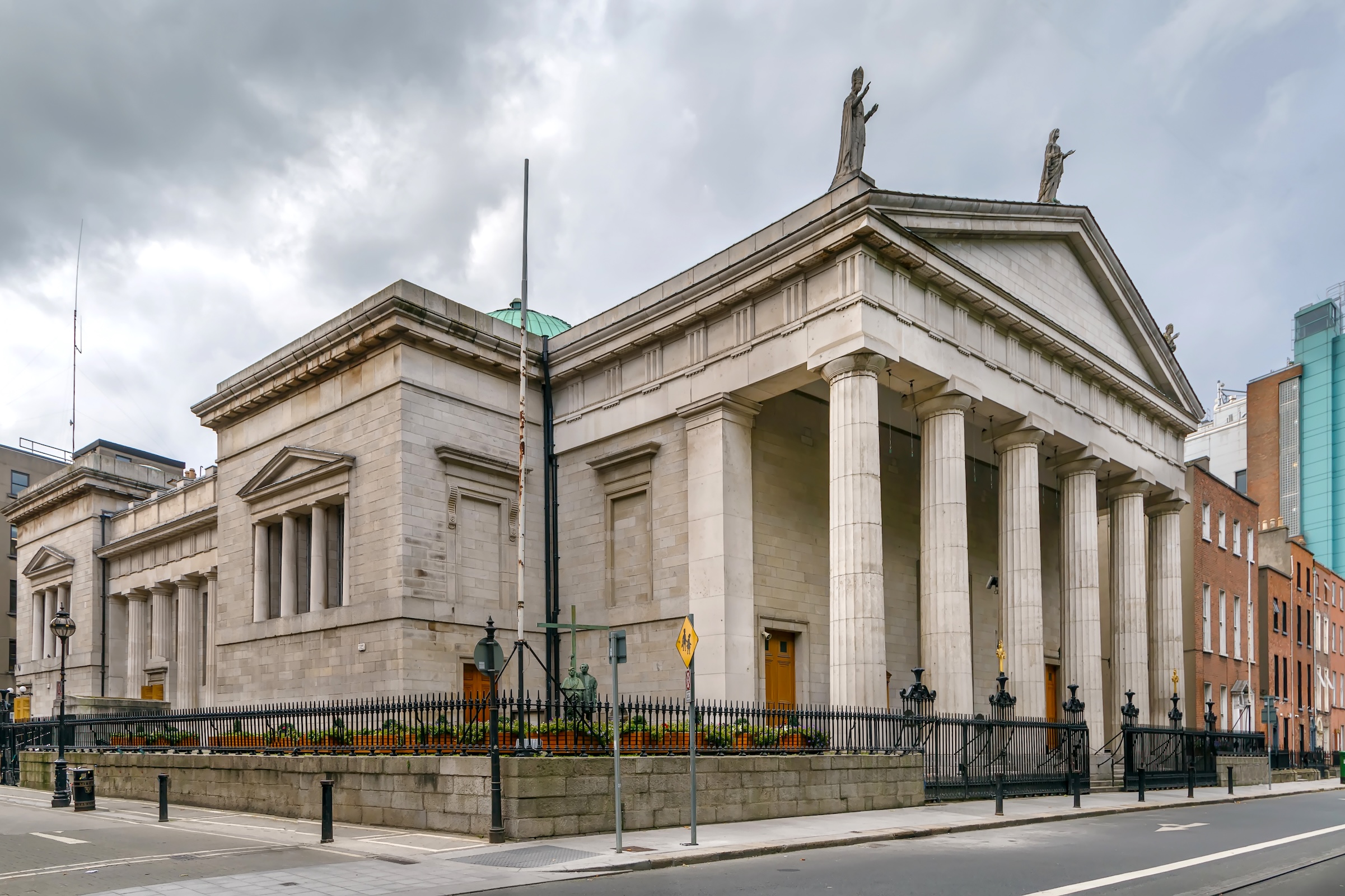
Known as the "Pro-Cathedral" until November 2025, this neoclassical Marlborough Street church is now Dublin's official Catholic cathedral and home to the Palestrina Choir.
General Post Office
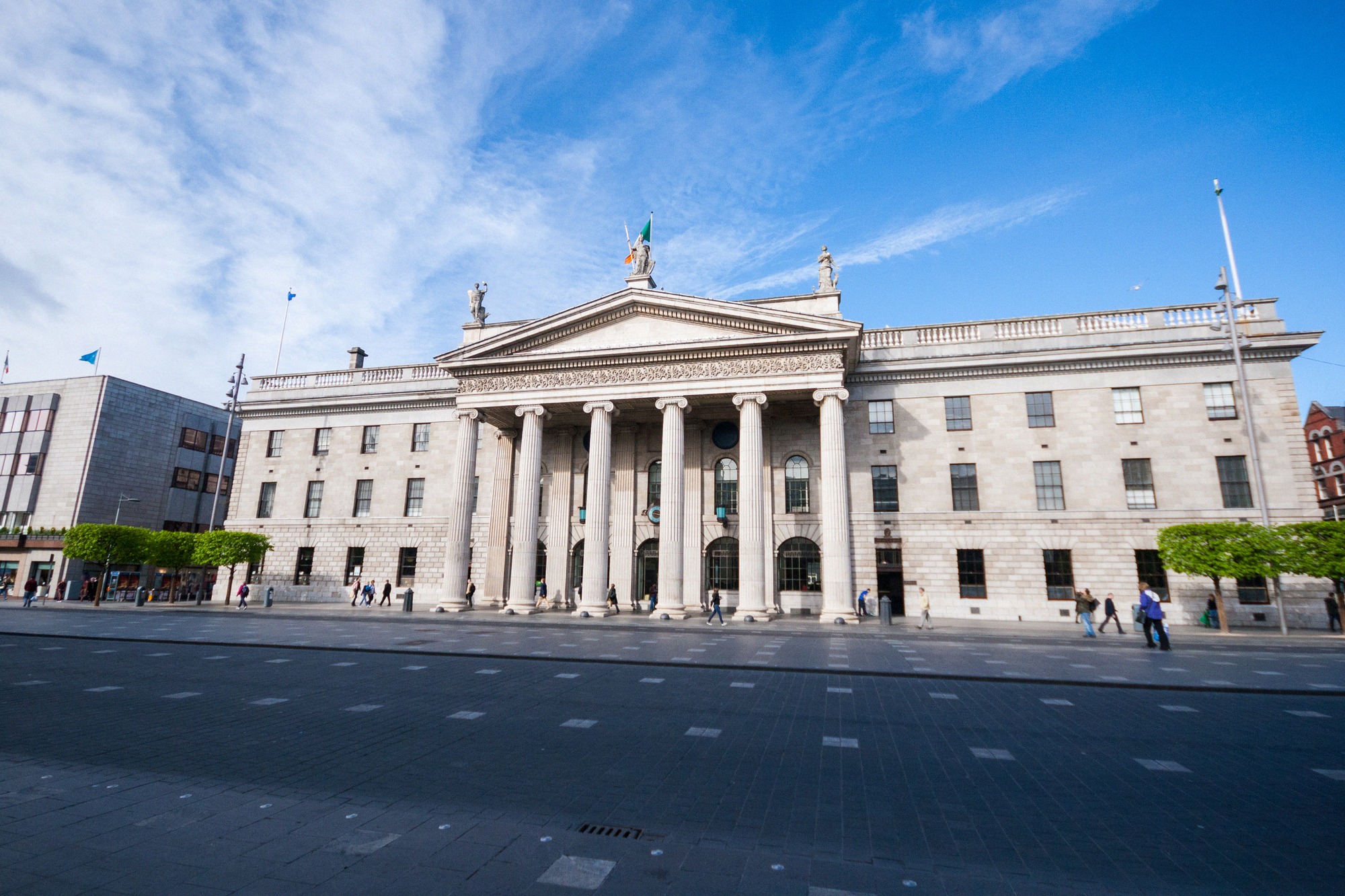
The GPO on O'Connell Street was the headquarters of the 1916 Easter Rising. The Art Deco hall is free to enter; GPO Witness History charges admission.
Bank of Ireland
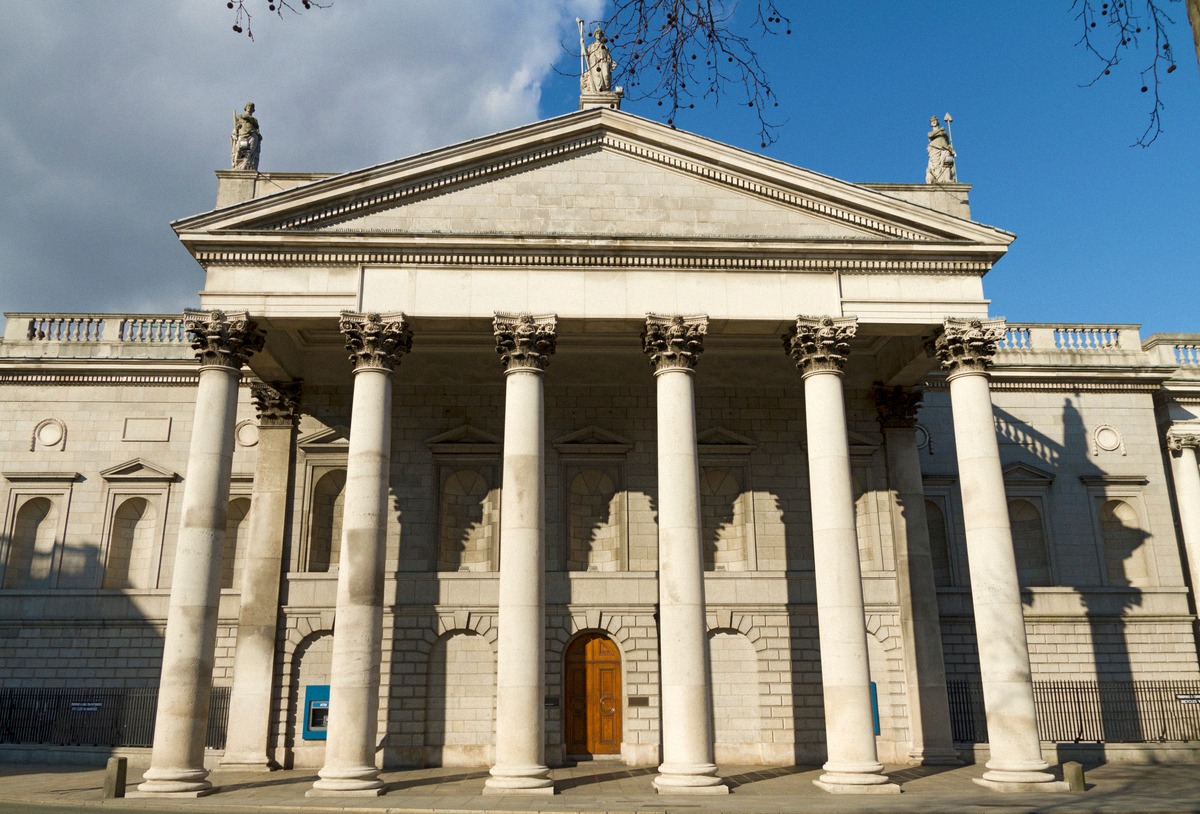
The historic Parliament House on College Green was the seat of the Irish parliament until 1800 and is now a bank branch. Its magnificent House of Lords survives.
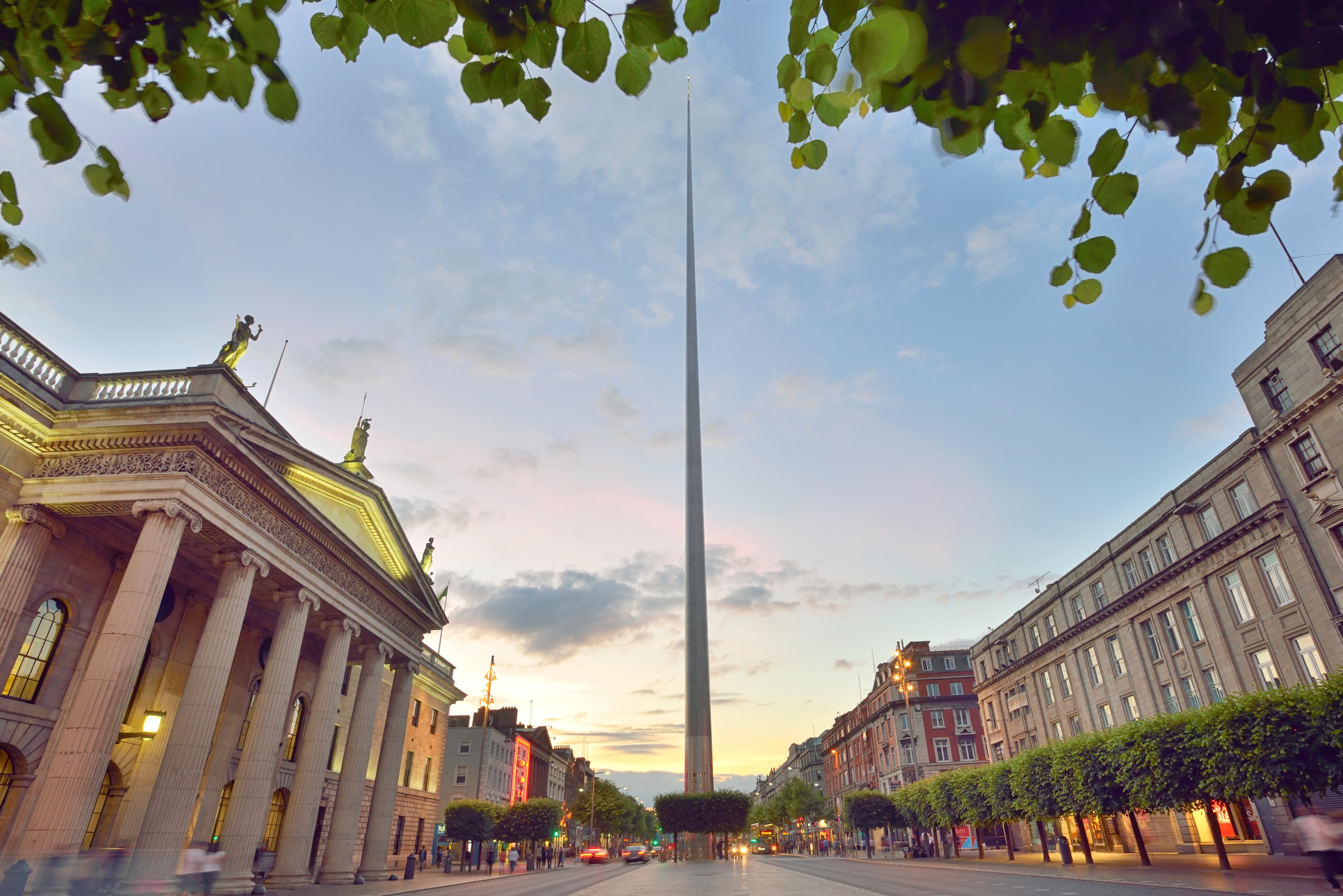
The Spire
The Monument of Light on O'Connell Street is Ireland's tallest sculpture at 120m. The slender spire rises opposite the GPO, free to view any time.
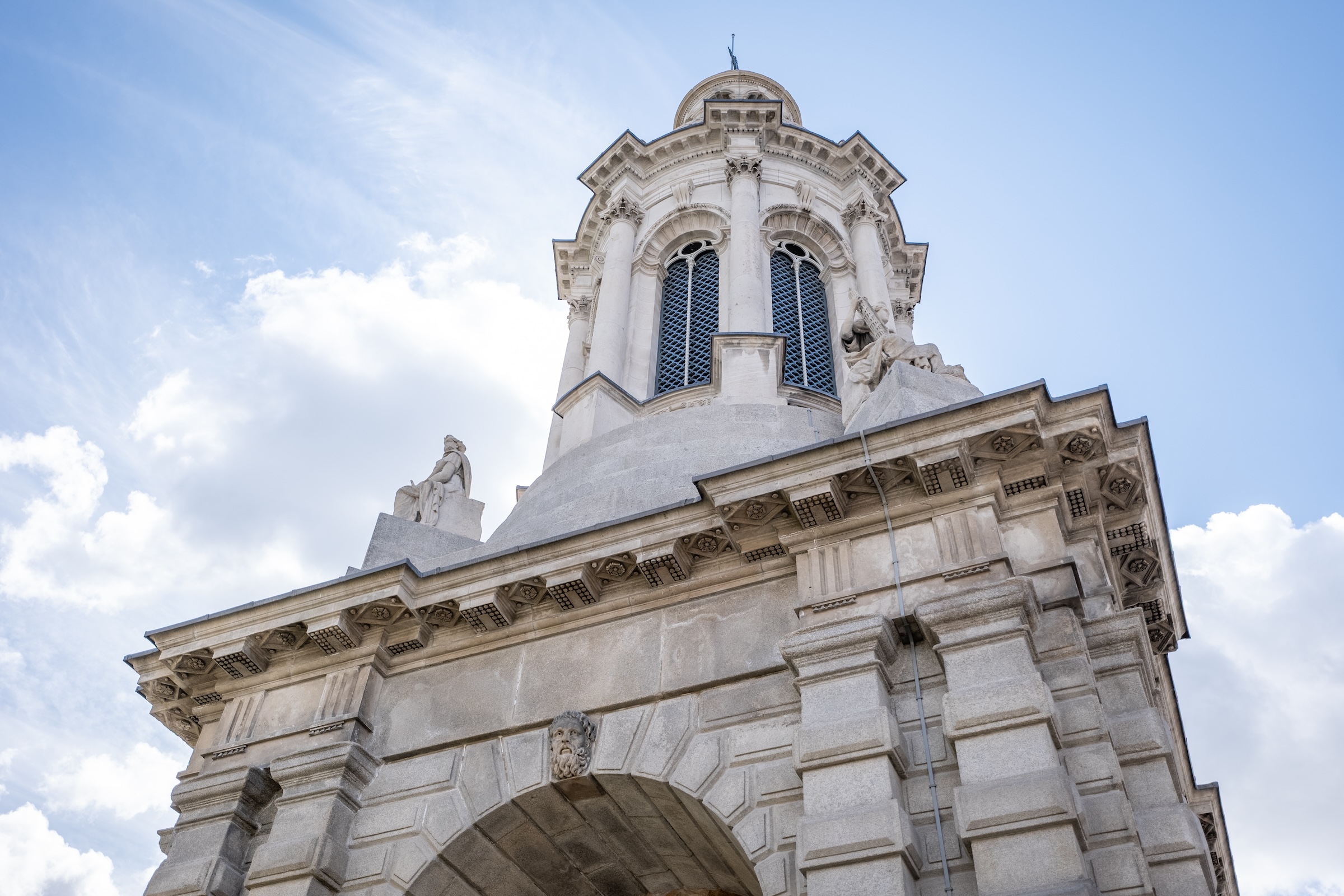
Trinity College
Trinity College Dublin is Ireland's oldest university. The Old Library holds the Book of Kells and the monumental Long Room. Campus free, Experience from €26.