
The Spire
120m stainless-steel spire on O'Connell Street
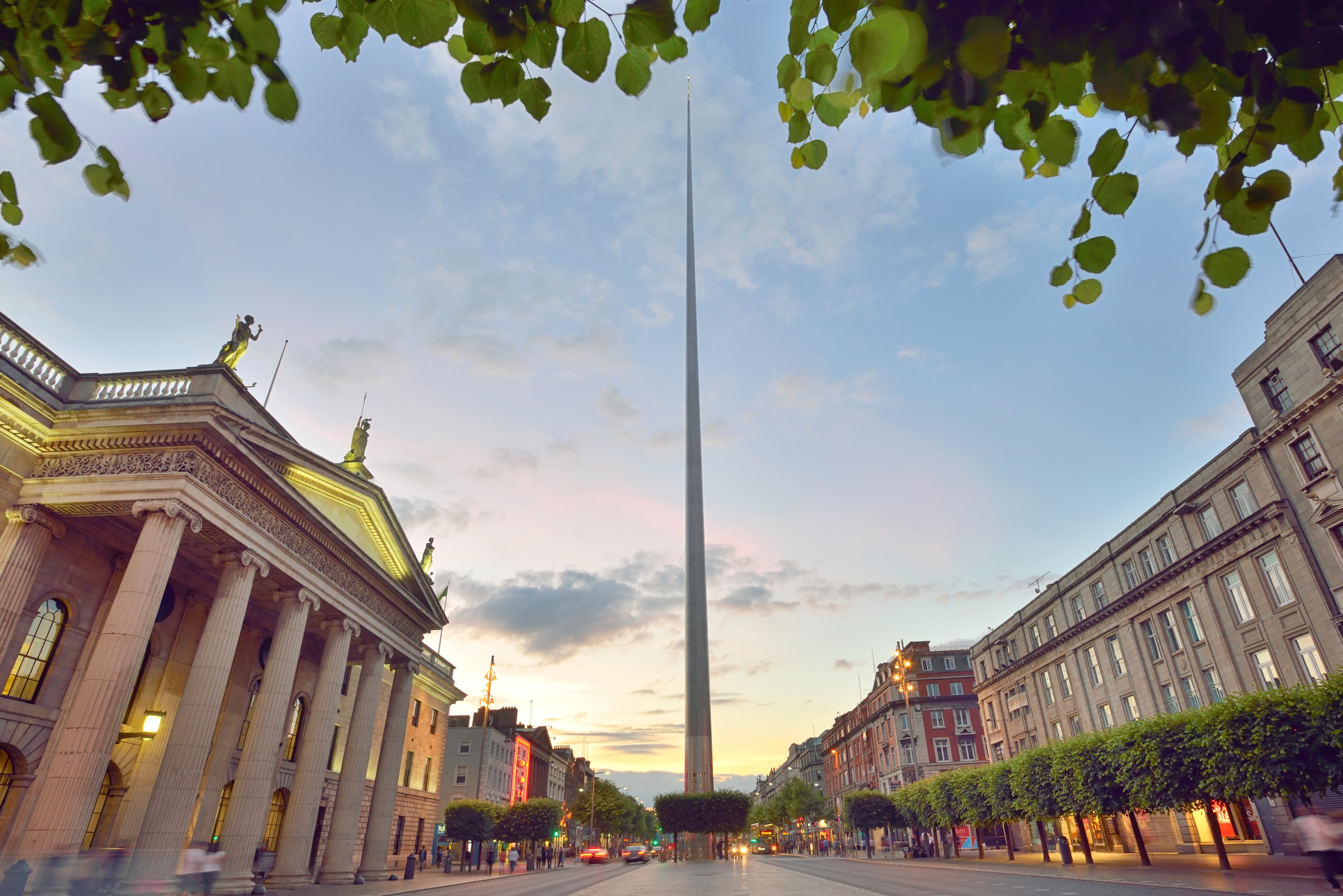
The Monument of Light on O'Connell Street is Ireland's tallest sculpture at 120m. The slender spire rises opposite the GPO, free to view any time.
Contents
The Monument of Light, its official name, is Ireland's tallest sculpture and a symbol of the economic boom of the Celtic Tiger era. In the middle of O'Connell Street, the slender stainless-steel spire rises 120 metres into the Dublin sky, directly opposite the General Post Office (GPO). There's no admission charge and no way up: The Spire is a purely outdoor monument you take in as you pass by.
What to expect
The Spire is a waypoint, not an hour-long stop on your itinerary. The monument stands freely in the O'Connell Street pedestrian zone, accessible around the clock, with no fence and no night closure. You view it from outside, there's no interior, no viewing platform and no way to climb it. An internal ladder reaches only about two-thirds of the way up and is reserved for maintenance technicians.
The visit is correspondingly short: most people stop for a photo for five to ten minutes. Honestly, The Spire isn't a destination in its own right so much as a striking landmark in the city centre that you'll pass anyway while strolling along O'Connell Street.
Architecture and construction
British architect Ian Ritchie won the international competition in 1998, beating 205 entries. His concept: elegant, dynamic simplicity at the intersection of art and technology.
The technical specifications at a glance:
- Height: 120 metres - Ireland's tallest sculpture
- Diameter: 3 metres at the base, tapering to 15 centimetres at the tip
- Structure: eight hollow stainless-steel sections, the longest 20 metres
- Weight: around 133 tonnes (Wikipedia; official teaching material puts it at 126 tonnes)
- Built: between December 2002 and January 2003, at a cost of around €4 million
Two tuned mass dampers in the fifth segment, weighing around two tonnes together, stabilise the structure. In extreme wind, the tip can still sway up to 1.5 metres in either direction. The surface was treated by shot peening, a process that optimises light reflection. The pattern at the base combines geological core samples from the site with the structure of a DNA double helix. It is owned by, and was commissioned by, Dublin City Council; there is no dedicated website for the monument itself.
Lighting
By day, the stainless-steel surface reflects the Irish sky. After dusk, the top 10 metres light up: LEDs shine through 11,884 tiny perforations (15mm each). This illumination turns The Spire into a landmark visible from a considerable distance. It's worth a look by day and by night, so there's no need to insist on an after-dark visit.
Historical context
Nelson's Pillar stood on this spot from 1809 to 1966, a 40-metre granite column honouring Admiral Horatio Nelson's victory at Trafalgar. The monument was seen as a symbol of British rule and was increasingly regarded as an affront.
On 8 March 1966, a splinter group of former IRA members destroyed the upper half of the column in a bomb attack codenamed "Operation Humpty Dumpty". Six days later, the Irish Army demolished the remaining stump. The site stood empty for years before the Anna Livia Monument was installed there in 1988, making way in turn for The Spire around 2001. For more on the city's past, see the guide Dublin history.
Controversy and nicknames
Reactions to the structure have always been divided. Supporters compare the initial backlash to that faced by the Eiffel Tower. Critics point to its lack of cultural or architectural connection to the city.
True to Dublin form, the monument picked up plenty of nicknames: The Spike, Stiletto in the Ghetto, Stiffy by the Liffey, The Nail in the Pale, Pin in the Bin, and The Erection at the Intersection. In 2004 the project won the National Structural Steel Design Award.
Visiting: the practicalities
The Spire is free and can be viewed from outside at any time, allow five to ten minutes. The site is at ground level in the O'Connell Street pedestrian zone, so it's step-free and easy to reach. The monument itself has no facilities of its own, no toilets, no information point. You'll find loos and cafés in the surrounding streets.
- Photo tips: From the base, the narrow side streets give you nice leading lines. For a shot of The Spire with the skyline behind it, head to O'Connell Bridge or the bank of the Liffey, ideal for dusk and long-exposure night shots.
- Safety: O'Connell Street is one of the areas with a higher pickpocketing risk, especially in crowds between 12:00 and 18:00. After midnight, travel sources report drinking and antisocial behaviour, particularly north of The Spire. Stick to well-lit main streets at night and keep your valuables secure. More in the guide Safety in Dublin.
Combine your visit with
The Spire sits right in the city centre and fits easily into a walking tour. Directly opposite stands the historic General Post Office (GPO), scene of the 1916 Easter Rising. A few minutes south, you cross the Liffey via O'Connell Bridge; from there it's a short walk to Trinity College and the nightlife district of Temple Bar. Downstream stands the grand Custom House. For planning your day, see the overview Attractions, the map of Dublin for orientation, and the guide Public transport for getting around.
Frequently asked questions
How tall is The Spire? +
How much does it cost to visit The Spire? +
Can you go up The Spire? +
Where is The Spire located? +
Nearby
General Post Office
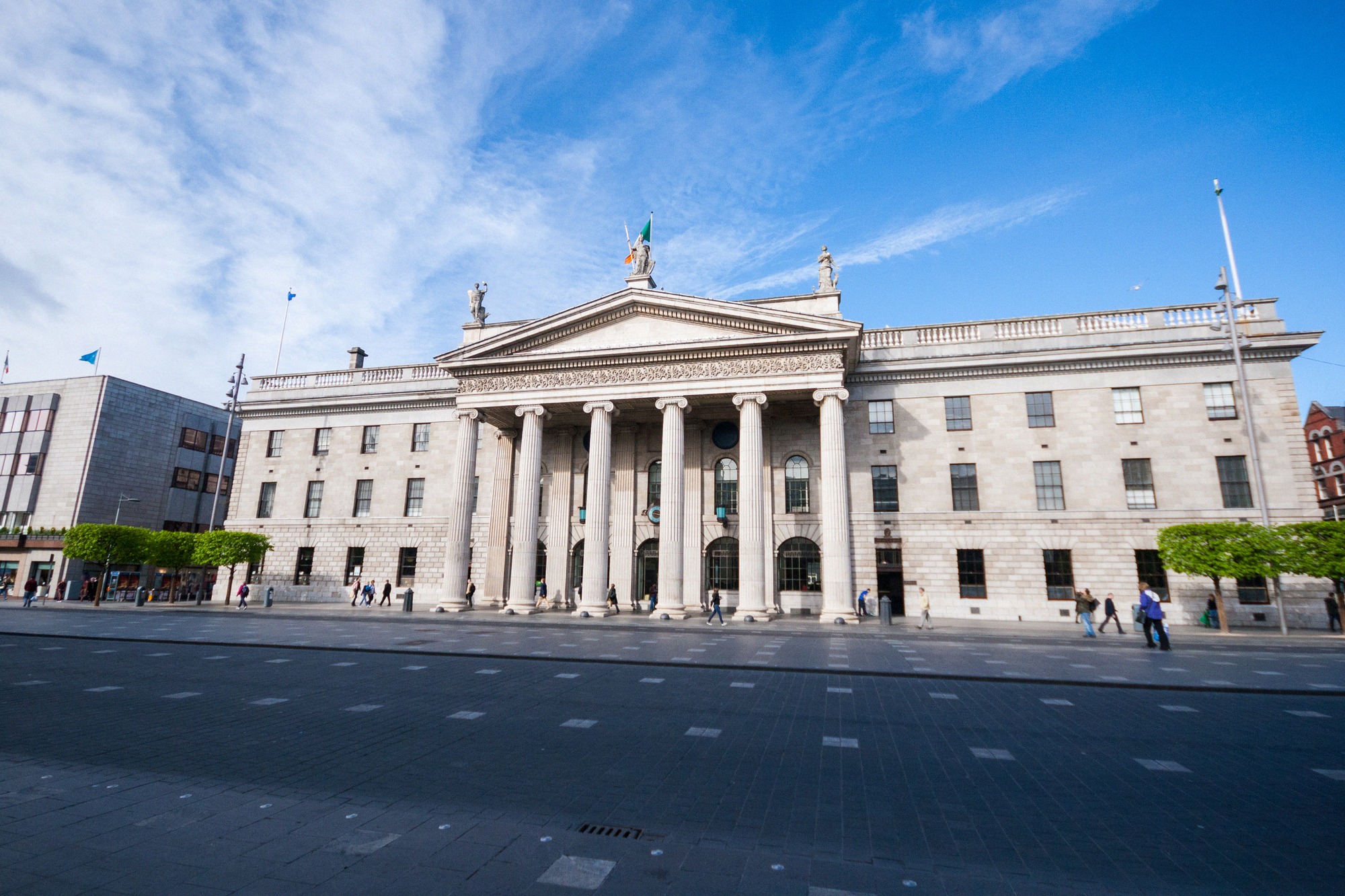
The GPO on O'Connell Street was the headquarters of the 1916 Easter Rising. The Art Deco hall is free to enter; GPO Witness History charges admission.
St Mary's Cathedral
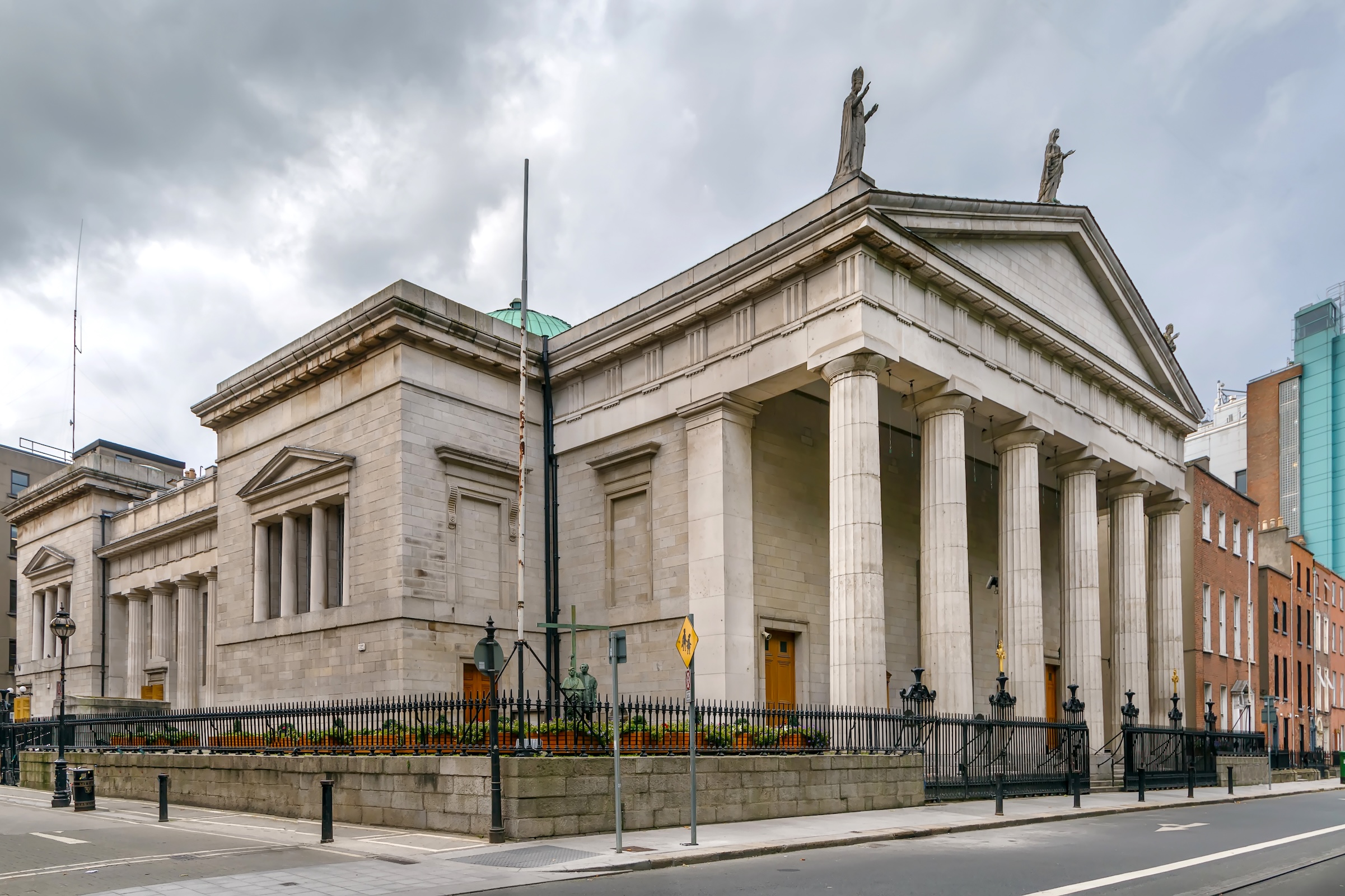
Known as the "Pro-Cathedral" until November 2025, this neoclassical Marlborough Street church is now Dublin's official Catholic cathedral and home to the Palestrina Choir.
O’Connell Bridge
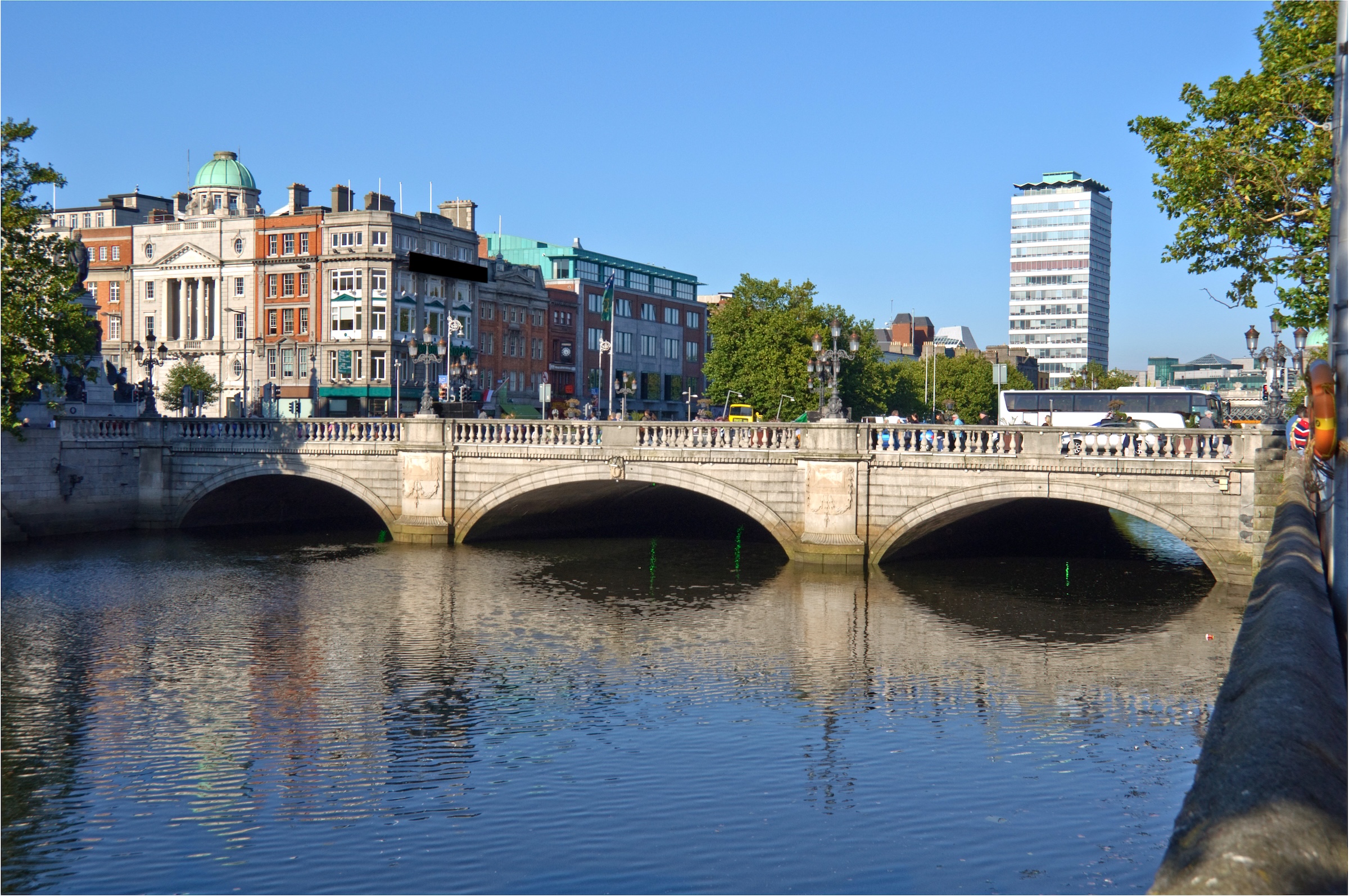
Dublin's O'Connell Bridge is wider than it is long, lit green-gold-white at night, and free to cross around the clock. History, location and getting there.
National Wax Museum Plus
Dublin's wax museum opposite Trinity College - Irish legends, megastars, Chamber of Horrors and a hands-on floor. Prices, opening hours, how to get there.
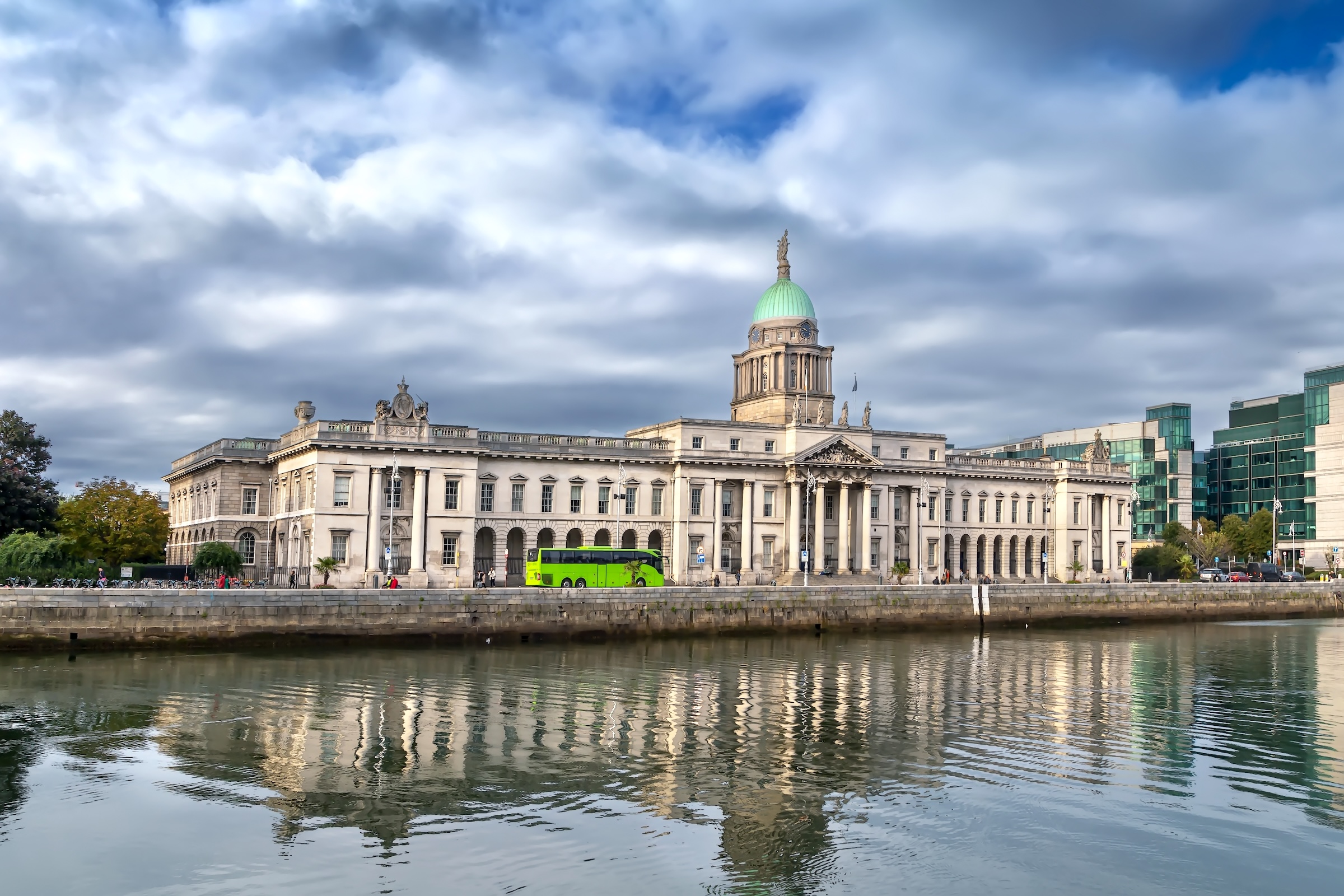
Custom House
Dublin's neoclassical Custom House on the Liffey, built 1781-1791 by James Gandon. Tickets, opening hours, prices and how to get to the Visitor Centre.
James Joyce Centre
The James Joyce Centre on North Great George's Street covers the life and work of the Ulysses author and runs guided Joyce tours through Dublin.