
General Post Office
Headquarters of the 1916 Easter Rising
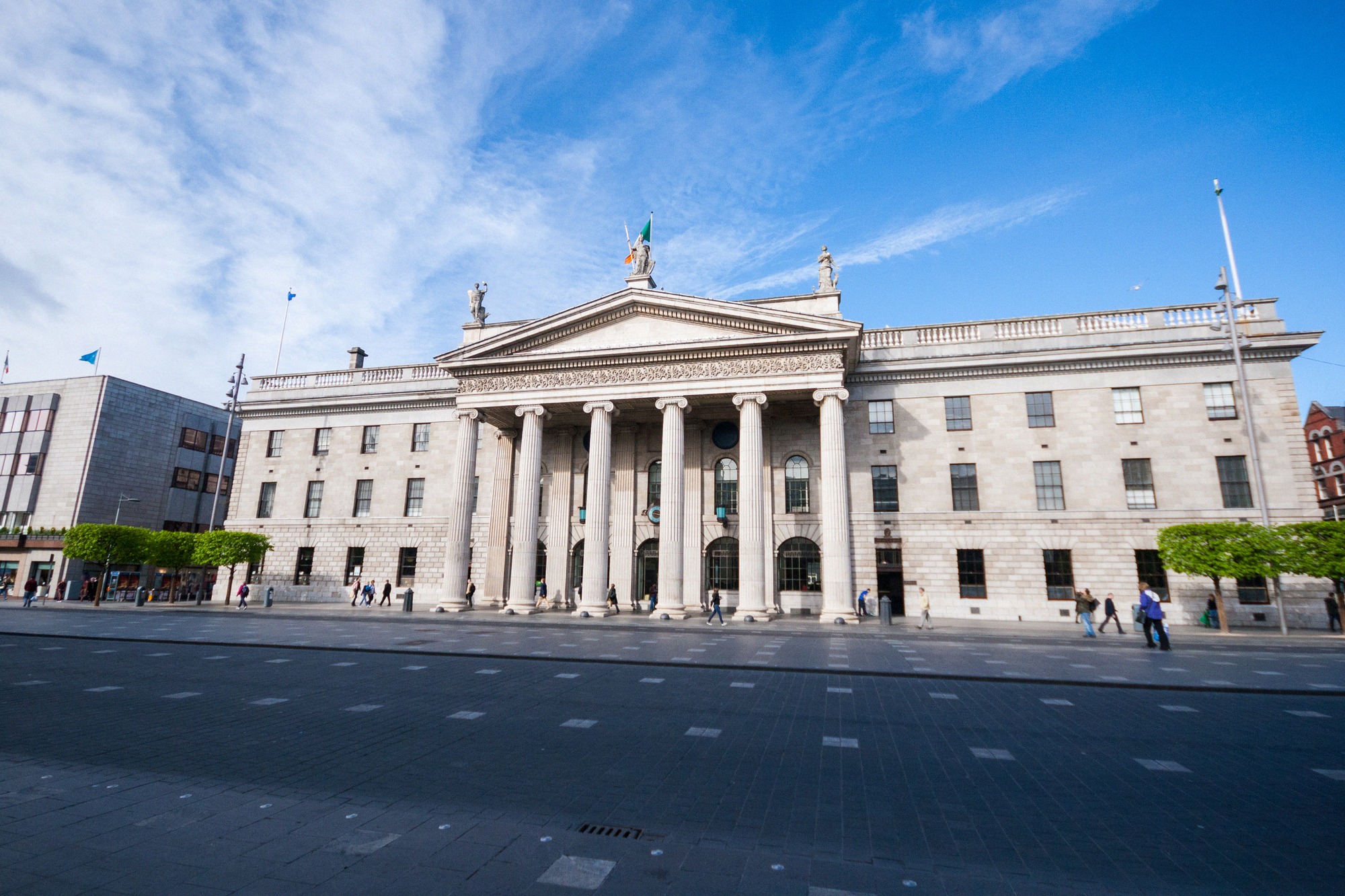
The GPO on O'Connell Street was the headquarters of the 1916 Easter Rising. The Art Deco public office is free to enter; GPO Witness History charges admission.
Contents
The General Post Office on O'Connell Street is far more than a working post office, for the Irish, it's a national shrine and the most important monument to their fight for independence. Anyone trying to understand the 1916 Easter Rising can't skip the GPO. The magnificent public hall is free to walk into, while the history unfolds inside the "GPO Witness History" museum.
Architecture and history
The GPO was built between 1814 and 1818 to designs by architect Francis Johnston in the Greek Revival style, opening as the main post office on 6 January 1818. The main structure is Wicklow granite, while the striking portico with its six Ionic columns is Portland stone. Three statues by sculptor John Smyth crown the roof: Mercury with his herald's staff and purse, Fidelity with a key, and Hibernia, the personification of Ireland, with harp and spear.
It was the last great Georgian public building erected in Dublin. The same architect, Francis Johnston, is also thought to have designed the Clock Tower Building, now home to the Chester Beatty.
The 1916 Easter Rising
On 24 April 1916, several hundred members of the Irish Volunteers and the Irish Citizen Army occupied the GPO as the headquarters of the Easter Rising. Patrick Pearse read the Proclamation of the Irish Republic outside the building. After six days of fierce fighting, the rebels surrendered. The building's interior was completely destroyed by British artillery fire and the blazes that followed, only the granite façade and portico survived the fighting. Bullet holes are still visible on the columns today.
Reconstruction continued until 1929. The interior gained the Art Deco touches that still define the public hall today. In 1935, the bronze statue "The Death of Cúchulainn" by Oliver Sheppard was installed inside. It depicts the mythical Irish hero at the moment of his death and symbolises the rebels' sacrifice. In the same Rising, other units occupied further buildings across the city, including City Hall, the wider story is covered in the guide Dublin History.
GPO Witness History
Since March 2016, the GPO has housed the award-winning "GPO Witness History" museum. The interactive exhibition documents the Easter Rising and the birth of the Irish Republic through original artefacts, touchscreens, video installations and a film that puts you right in the middle of events. In 2017, the museum received the Micheletti Award from the European Museum Academy.
- Audio guide: free via QR code on your own smartphone, or hire a handset for €2.00. Available in English, Irish, German, French, Italian and Spanish, so don't forget your headphones.
- Guided tours: public tours run on Mondays, Thursdays and Saturdays at 14:30 (around 1 to 1¼ hours), after which you're free to keep exploring on your own.
- Accessibility: the museum is fully wheelchair accessible, with seating available throughout.
Tickets and prices
The museum charges admission; the public hall does not. Booking online is cheapest: adults pay €15.00, seniors and students €13.00, children aged 6 to 13 €7.50, and a family ticket (2 adults plus 2 children) €40.00. Walk-in prices are higher - €17.00 for adults, €15.00 for seniors and students, €8.50 for children aged 6 to 13, and €45.00 for a family of 2+2. Children under 6 go free. Booking online saves €2 to €5 per ticket and locks in a fixed time slot; on busy days, pre-booked visitors take priority over walk-ins, so booking ahead effectively works as a skip-the-line option.
You can book directly on the official site, gpomuseum.ie. For an overview of tickets and savings passes for Dublin's attractions, see the hub Attractions.
Visiting and practicalities
Allow around 1 to 1.5 hours for the museum, or about 2 hours in total with the public hall. It's quietest on weekdays shortly after opening at 10:00; weekends and afternoons get busier.
- Museum opening hours: Monday to Saturday 10:00-17:00, last admission 16:00. Closed Sundays, public holidays and Christmas Eve.
- Post office opening hours: Monday to Saturday 08:30-18:00 (opening at 09:00 on the last Tuesday of the month, except in December). Closed Sundays and public holidays.
- Public hall: free to enter during post office hours, worth a look at the Art Deco hall and the Cúchulainn statue even if you skip the museum.
- Getting there: the green Luas line stops right outside at "O'Connell - GPO", and numerous bus routes also serve O'Connell Street.
Every year, the state's official Easter commemoration of the 1916 Rising takes place in front of the GPO. In 2026 it marks the 110th anniversary: on Easter Sunday, 5 April 2026, at 12:00, with assembly in the public areas from 11:30 and big screens set up. The public is welcome to attend.
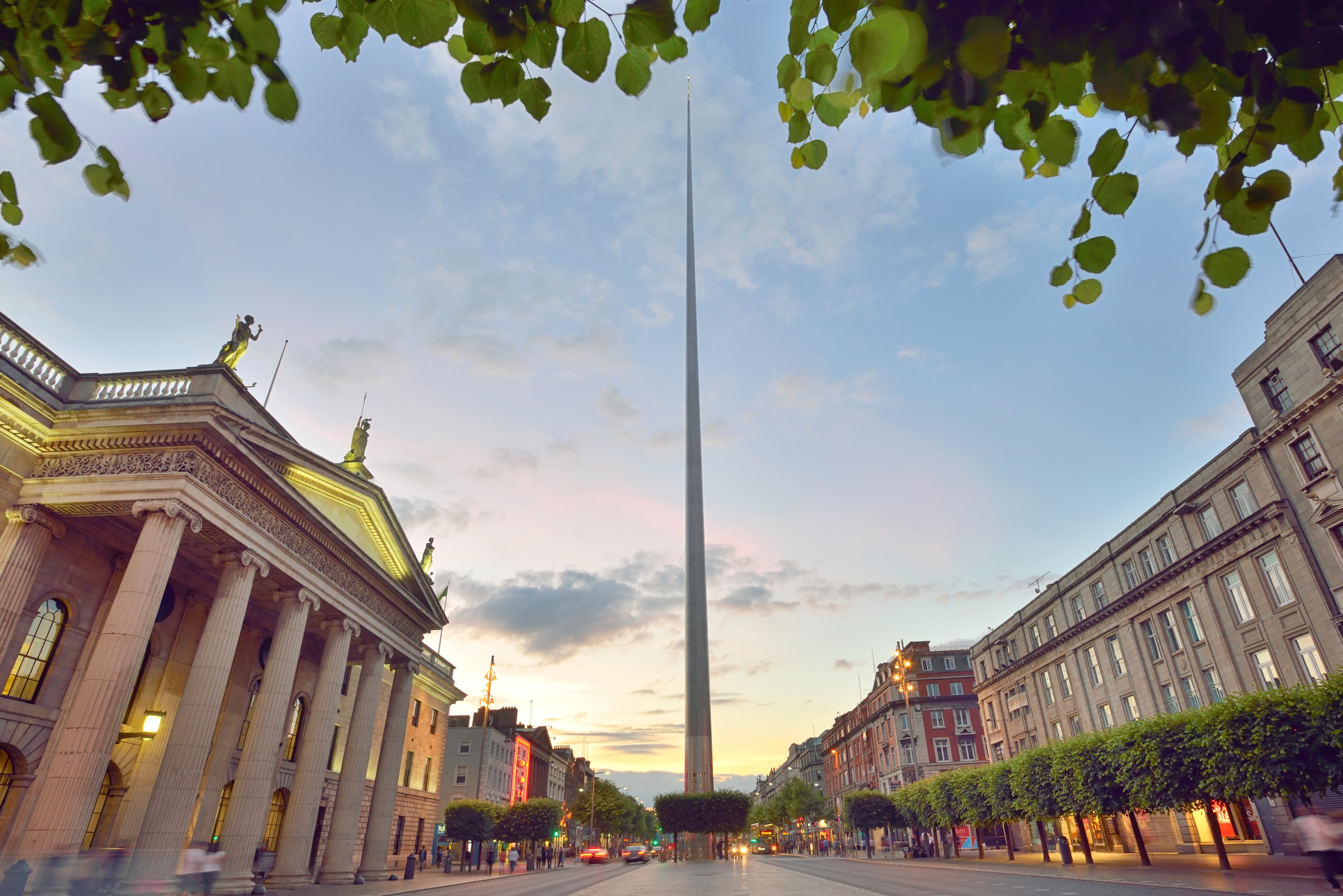
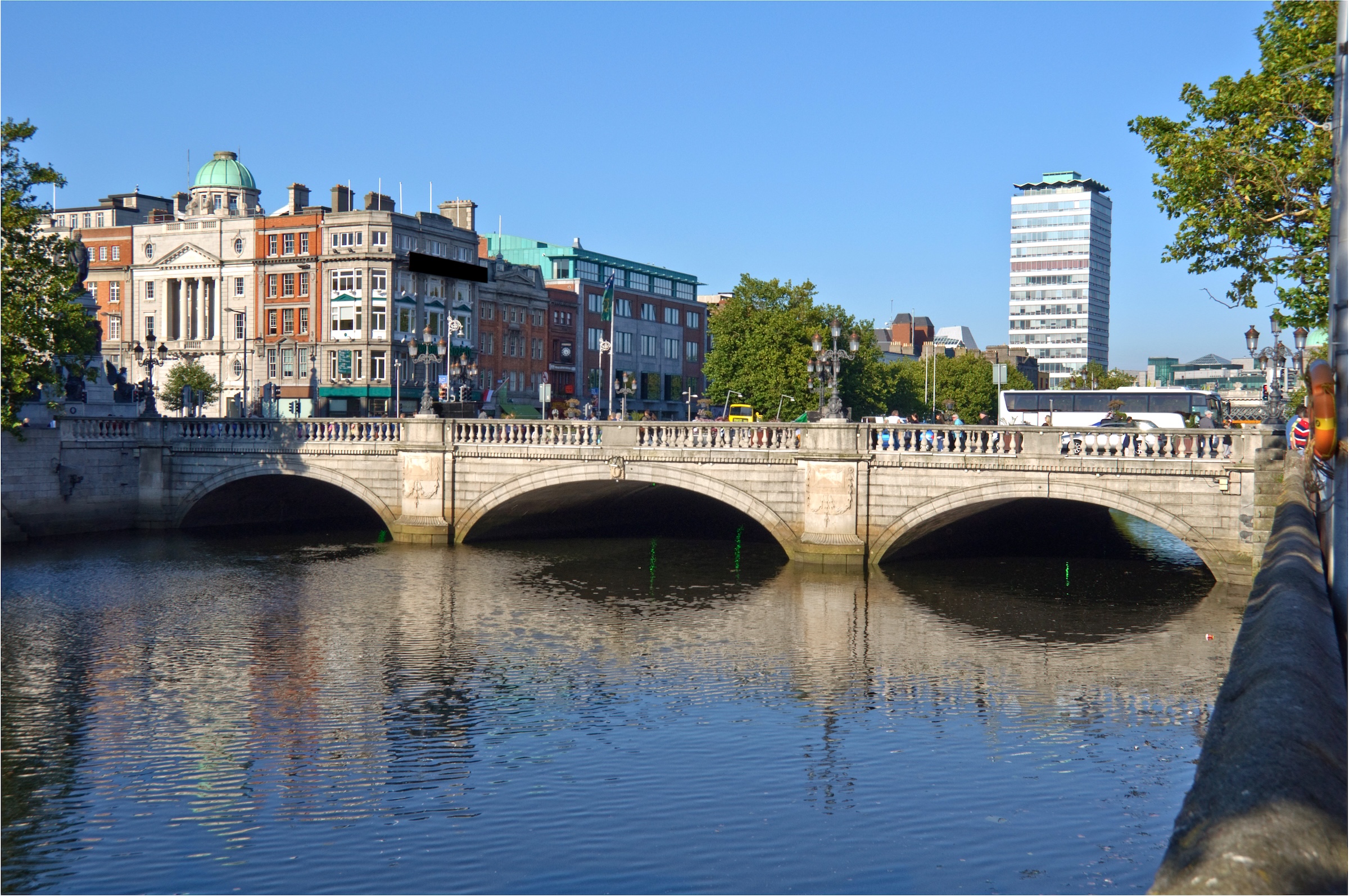
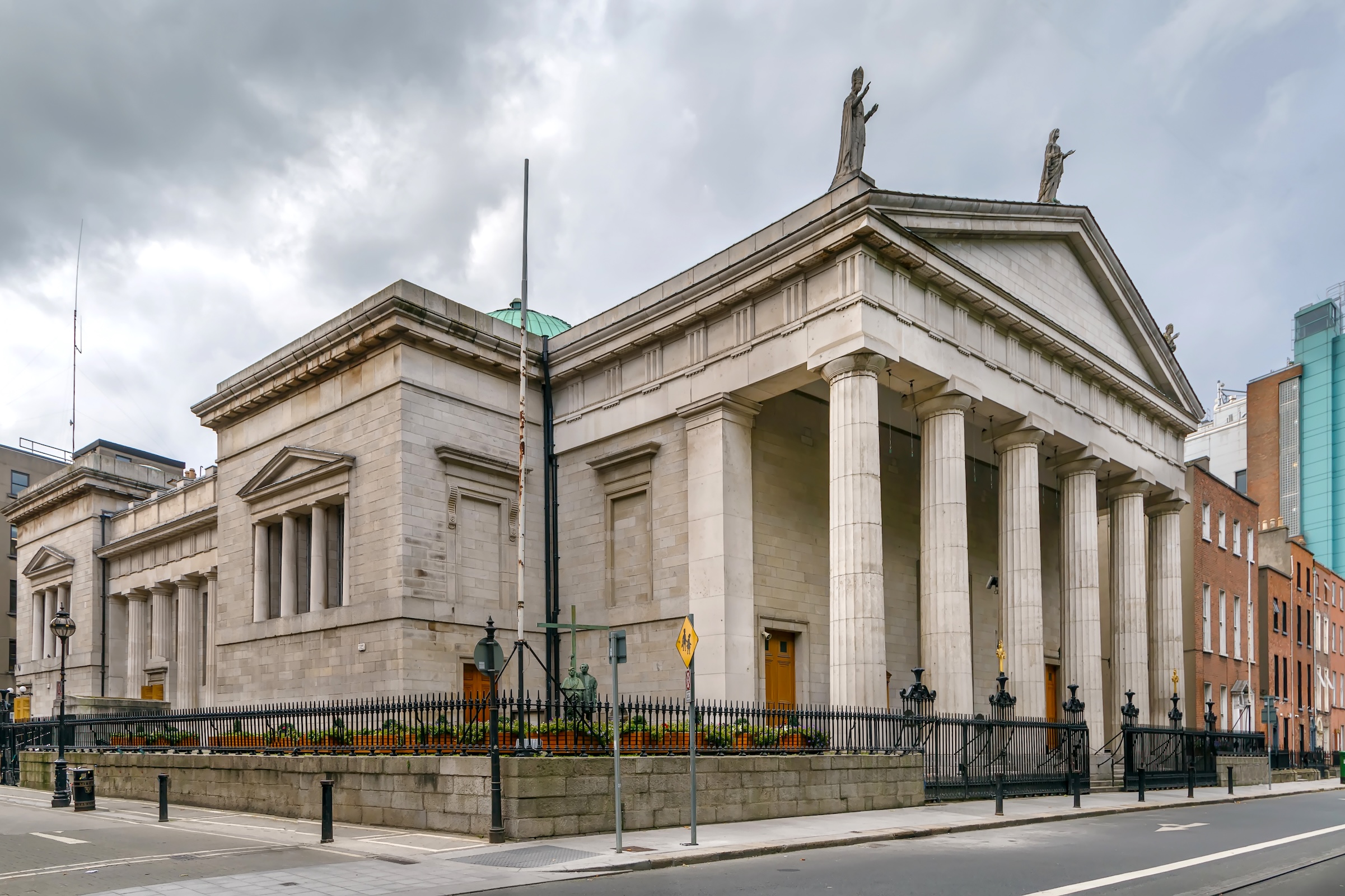
Right outside stands The Spire, reaching into the sky, and just a short walk away are St Mary's Pro-Cathedral and O'Connell Bridge. For more ideas on planning your day, see the overview Attractions.
Frequently asked questions
How much does GPO Witness History cost? +
Do you have to pay to see the public hall? +
How long does a visit to GPO Witness History take? +
Is there an audio guide? +
How do you get to the General Post Office? +
Nearby
The Spire
The Monument of Light on O'Connell Street is Ireland's tallest sculpture at 120m. The slender spire rises opposite the GPO, free to view any time.
O’Connell Bridge
Dublin's O'Connell Bridge is wider than it is long, lit green-gold-white at night, and free to cross around the clock. History, location and getting there.
St Mary's Cathedral
Known as the "Pro-Cathedral" until November 2025, this neoclassical Marlborough Street church is now Dublin's official Catholic cathedral and home to the Palestrina Choir.
National Wax Museum Plus
Dublin's wax museum opposite Trinity College - Irish legends, megastars, Chamber of Horrors and a hands-on floor. Prices, opening hours, how to get there.
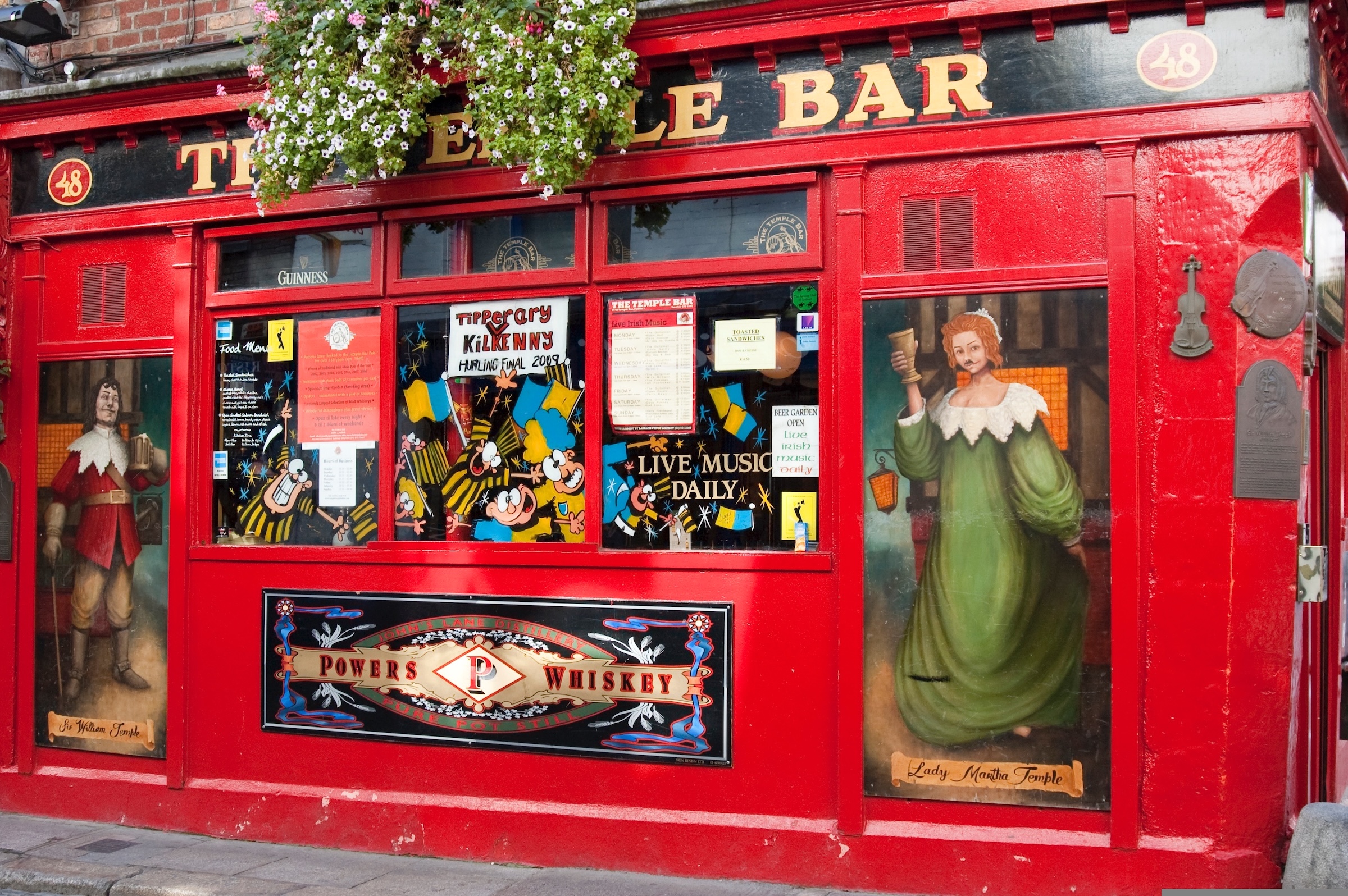
Temple Bar
Temple Bar is Dublin's entertainment quarter on the Liffey, with cobbled lanes, live-music pubs, galleries and the Wall of Fame. Free to enter.
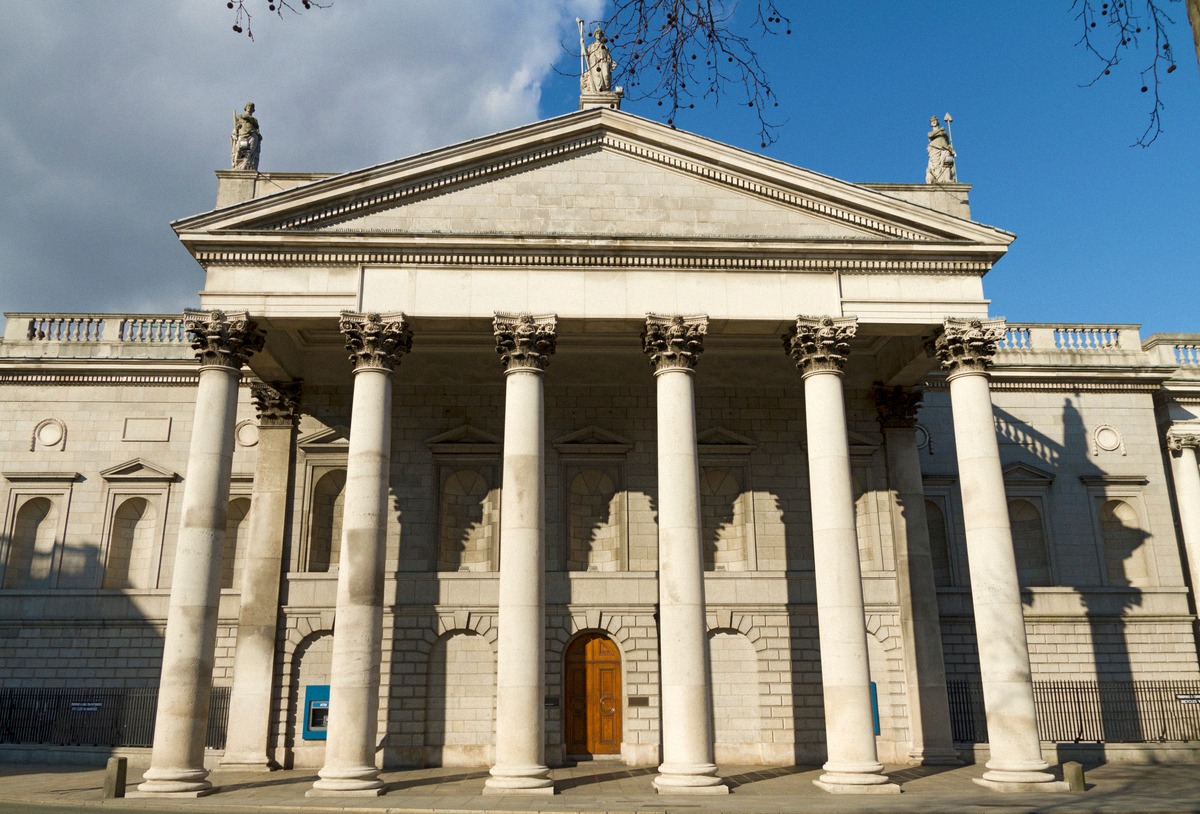
Bank of Ireland
The historic Parliament House on College Green was the seat of the Irish parliament until 1800 and is now a bank branch. Its magnificent House of Lords survives.