
Custom House
Gandon's customs palace on the Liffey
Dublin's neoclassical Custom House on the Liffey, built 1781-1791 by James Gandon. Tickets, opening hours, prices and how to get to the Visitor Centre.
Contents
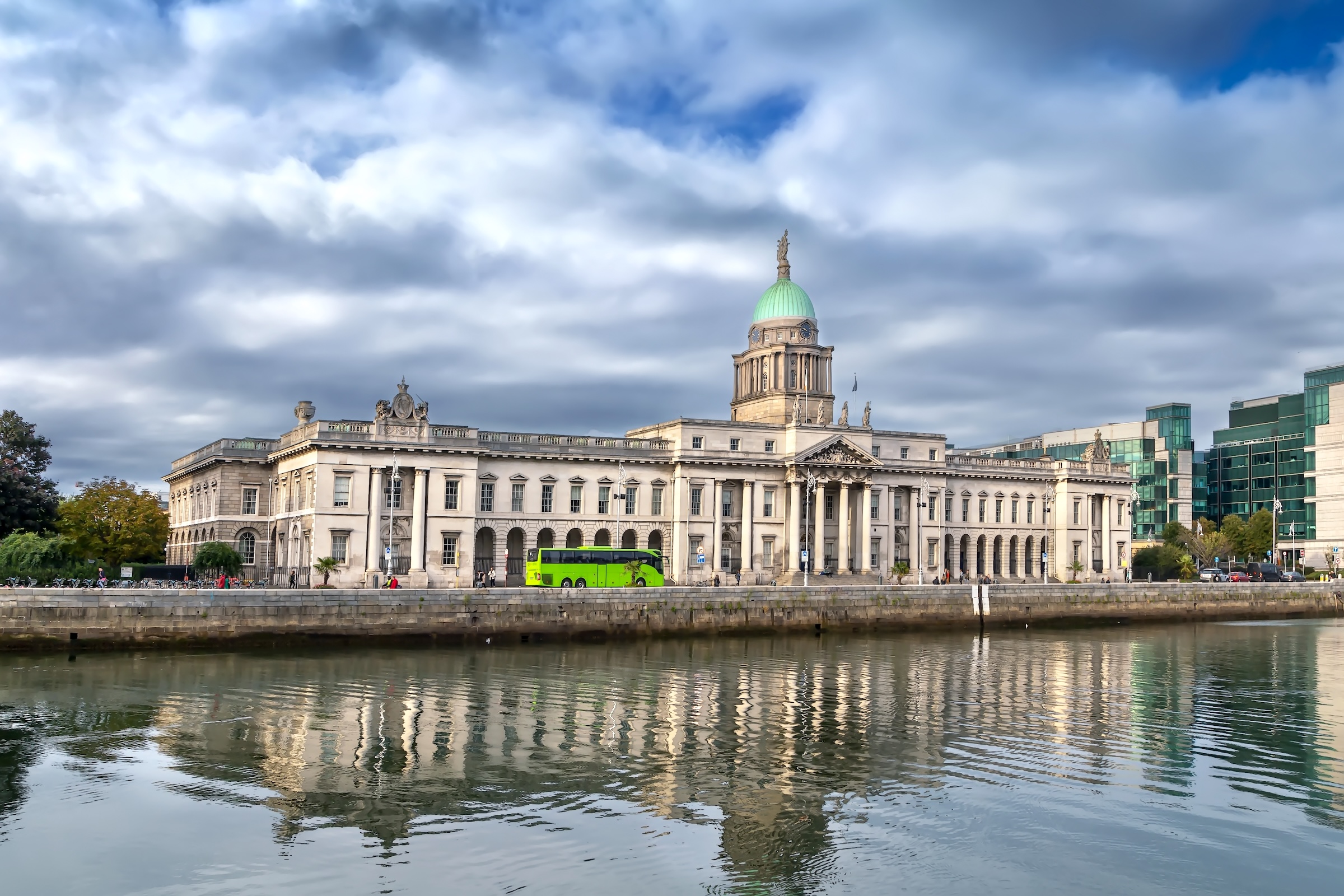
The Custom House ranks among the most significant neoclassical buildings in Europe and is one of Dublin's architectural landmarks. Built between 1781 and 1791 by James Gandon as a customs house, it combines monumental scale with elaborate sculpture. Today, the Visitor Centre lets you trace its turbulent history, from Gandon's masterpiece, through the devastating fire of 1921, to its later reconstruction.
Architecture and design
The freestanding building stretches some 114 metres (375 feet) in length and around 62 metres in width. It was the first public building in Dublin with four equally grand monumental facades. The south facade facing the Liffey is built entirely of Portland stone and dominated by a Doric portico; the other three sides are faced in Irish mountain granite.
The building is crowned by a copper-clad dome that rises around 38 metres to its tip, topped by a bronze statue of Commerce roughly five metres tall, the work of sculptor Henry Banks. The best view of the full facade is from the south bank of the Liffey.
The work of Edward Smyth
Irish sculptor Edward Smyth created the sculptural decoration on the Custom House. Most striking are the 14 so-called Riverine Heads, keystone masks above the doors and windows representing 13 Irish rivers plus the Atlantic. Among them is Anna Livia, the personification of the River Liffey and the only female figure in the series. The sculptures blend classical form with Celtic mythology and are considered Smyth's finest work.
The tympanum above the south portico carries allegorical figures of Hibernia and Britannia, together with Neptune driving away Famine and Despair.
James Gandon and the building's history
London-born architect James Gandon was brought to Dublin in 1780 by John Beresford, the Chief Revenue Commissioner. The Custom House was his first major commission and established his reputation as the foremost architect of Georgian Dublin. He went on to design the Four Courts, King's Inns, and extensions to the Parliament House, today the Bank of Ireland on College Green.
The project was controversial from the start. Dublin merchants feared it would shift the city centre eastward, and the High Sheriff and members of Dublin Corporation tried to stop the laying of the foundation stone with a crowd several thousand strong. The project went ahead regardless, breaking ground on 8 August 1781. Completion on 7 November 1791 cost the enormous sum of £200,000 for the time, and involved almost every stonemason working in Dublin.
Fire and reconstruction
As Dublin's port shifted downriver, the building lost its original function as a customs house and became the headquarters of the Local Government Board for Ireland.
On 25 May 1921, during the Irish War of Independence, around 120 IRA volunteers under Oscar Traynor set the building alight to destroy British administrative records. The fire burned for days, destroying Gandon's entire interior along with irreplaceable historical documents, including parish registers of births, marriages and deaths, some dating back to medieval times. The central dome collapsed.
Reconstruction, led by T.J. Byrne of the Office of Public Works, took place from 1926 to 1929. The new dome was built using Irish Ardbraccan limestone, noticeably darker than the original Portland stone, a difference still visible today. A major restoration of the exterior followed in the 1980s, completed in 1991 to mark the building's bicentenary.
The Visitor Centre today
The building now houses the Department of Housing, Local Government and Heritage. The Custom House Visitor Centre has been open to visitors since November 2021, run by the Office of Public Works (OPW). The exhibition documents the building's construction, destruction and restoration, covering more than 230 years of Irish history. An audio guide for the exhibition is part of the Centre's facilities and is included in the admission price.
Realistically, the Custom House will appeal mainly to those interested in architecture and history: if you're short on time, you can take in the spectacular facade for free from the riverbank and skip the interior in favour of larger attractions such as Kilmainham Gaol or the General Post Office.
Visiting and practical information
The Visitor Centre is open daily, all year round, from 09:30 to 17:30, with last admission at 16:45. A self-guided visit costs €6 (concessions €5/€3, family €15), and the guided tour costs €8 (concessions €6/€4, family €20). Online tickets are available through the Custom House's official booking portal. Groups of 10 or more should register by email in advance, and visitors needing mobility assistance should get in touch at least three days ahead.
The building stands on the north bank of the Liffey, just a few minutes' walk from Connolly Station, the Busáras bus station and the Luas Red Line, with numerous bus routes stopping at Custom House Quay. From here it's a short walk to the General Post Office and The Spire on O'Connell Street, for more on getting around, see our public transport guide.
Frequently asked questions
How much does it cost to visit the Custom House Visitor Centre? +
When is the Custom House Visitor Centre open? +
Do I need to book tickets in advance? +
How do I get to the Custom House? +
Nearby
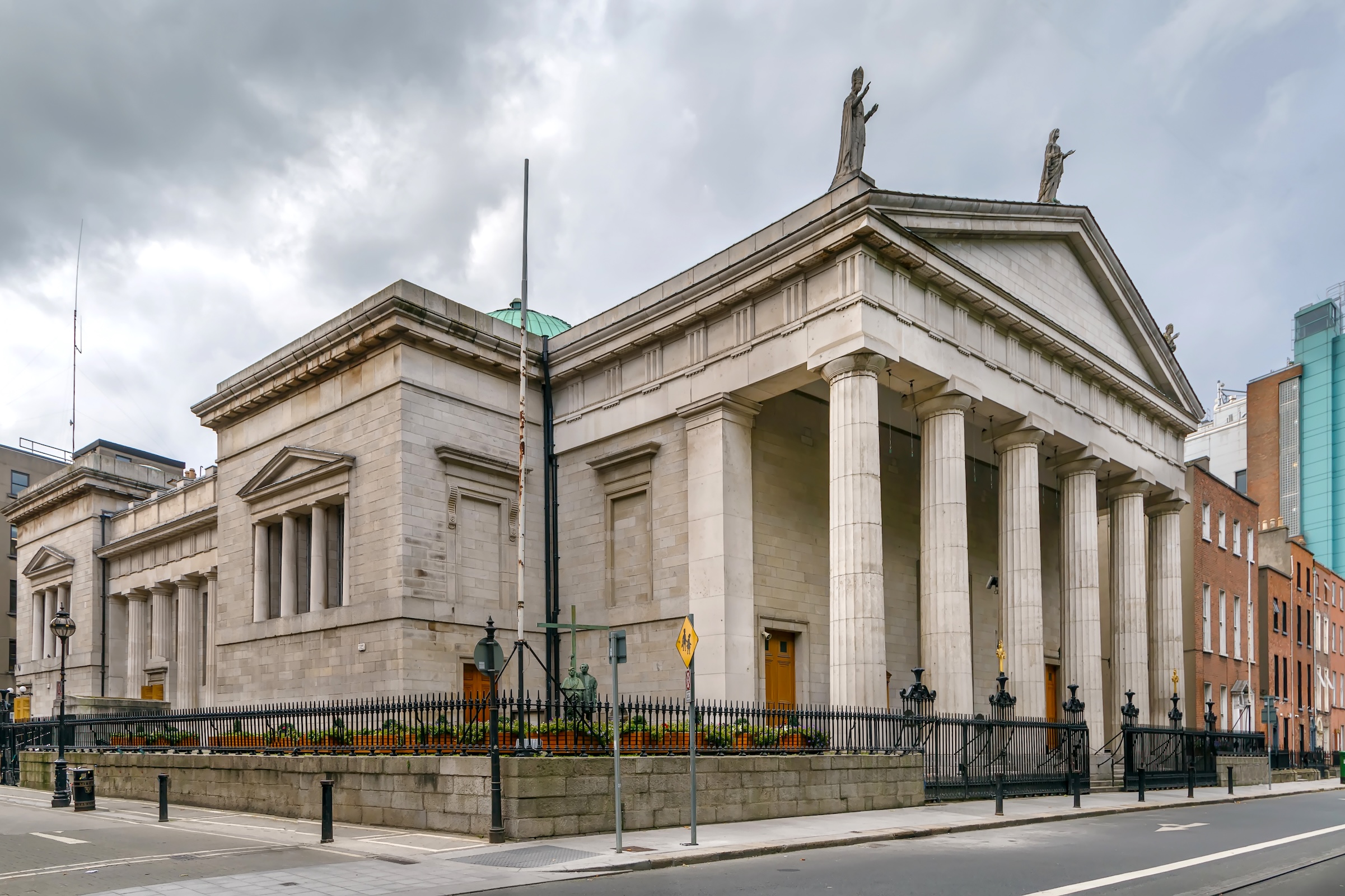
St Mary's Cathedral
Known as the "Pro-Cathedral" until November 2025, this neoclassical Marlborough Street church is now Dublin's official Catholic cathedral and home to the Palestrina Choir.
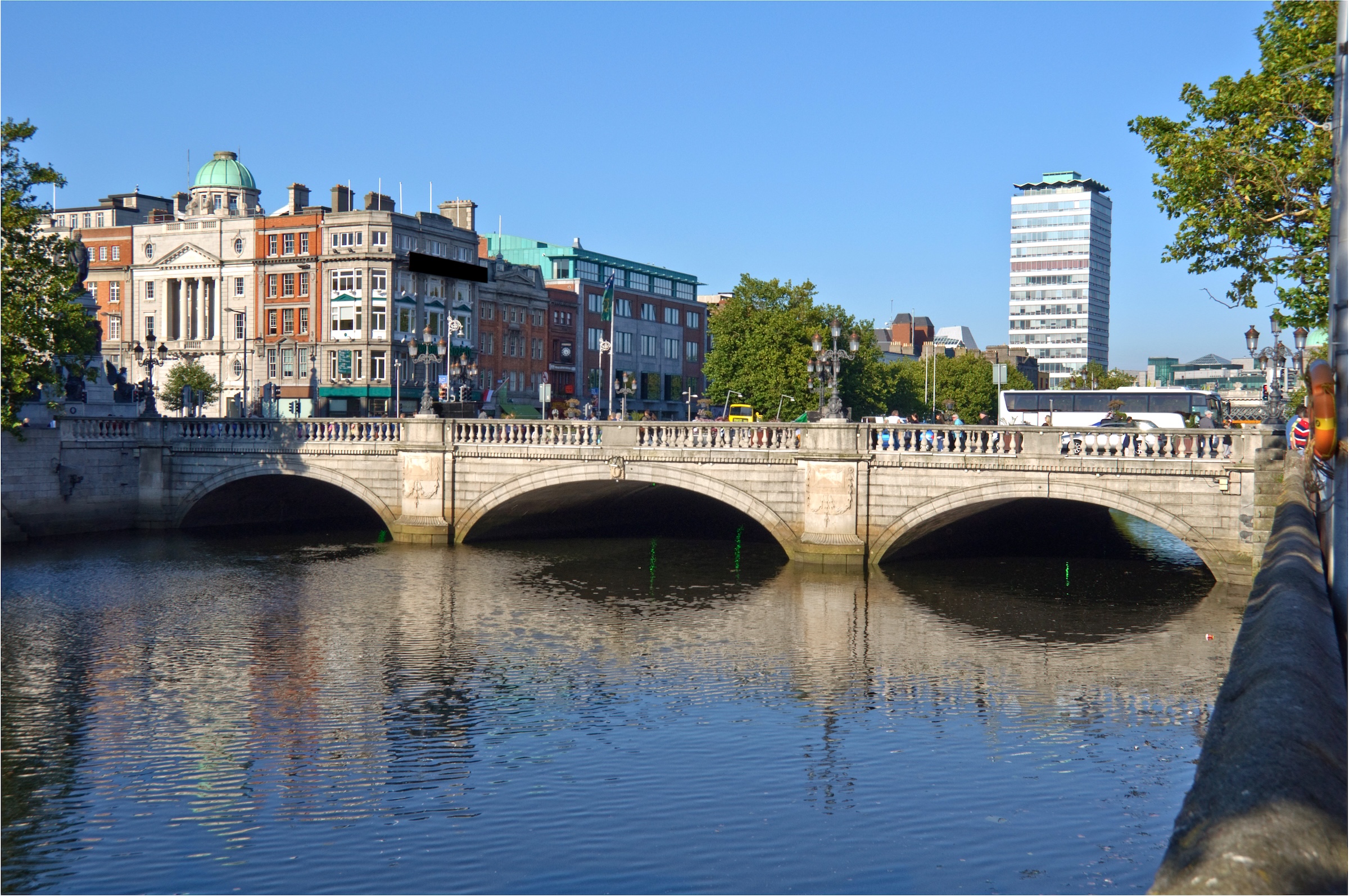
O’Connell Bridge
Dublin's O'Connell Bridge is wider than it is long, lit green-gold-white at night, and free to cross around the clock. History, location and getting there.
National Wax Museum Plus
Dublin's wax museum opposite Trinity College - Irish legends, megastars, Chamber of Horrors and a hands-on floor. Prices, opening hours, how to get there.
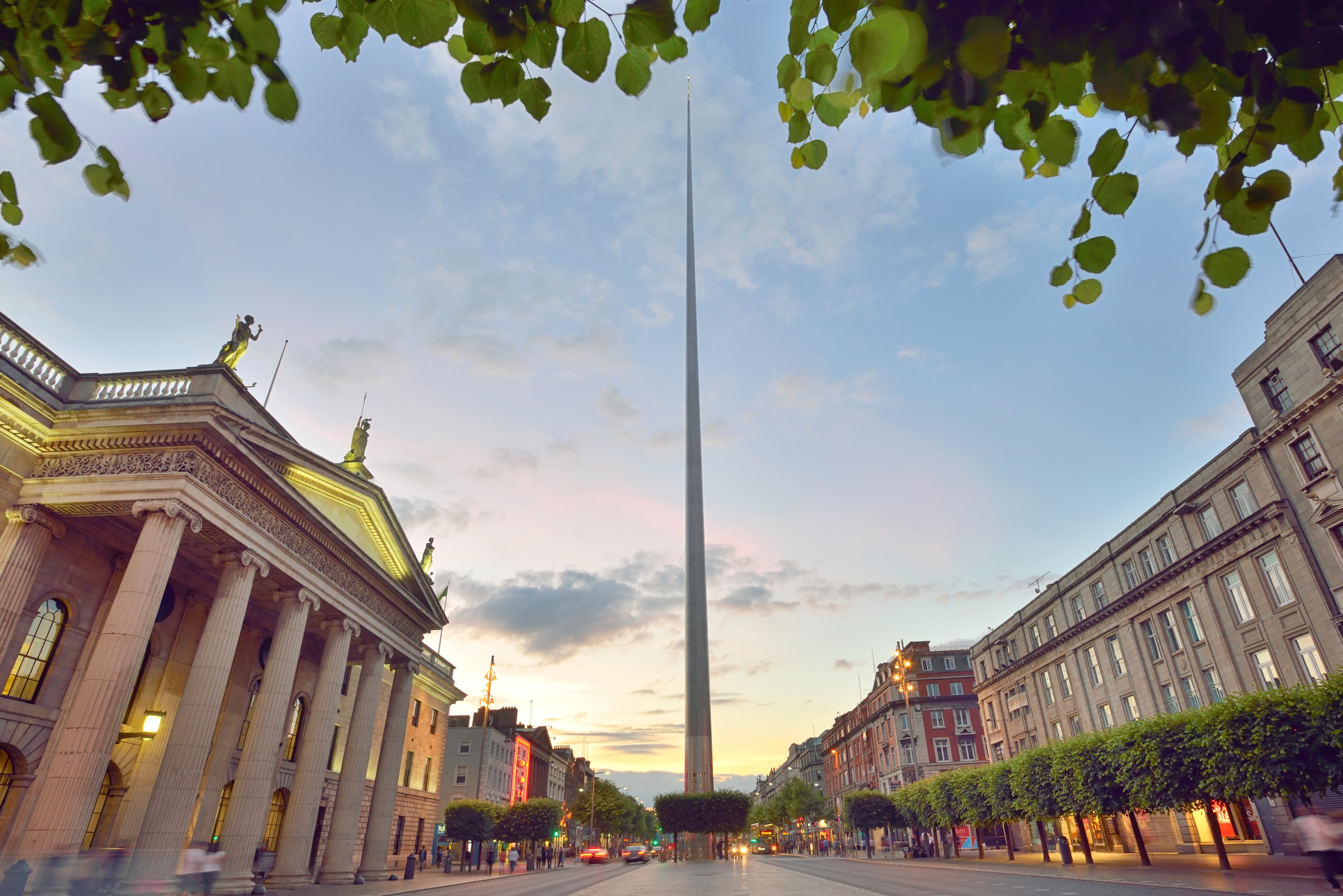
The Spire
The Monument of Light on O'Connell Street is Ireland's tallest sculpture at 120m. The slender spire rises opposite the GPO, free to view any time.
General Post Office
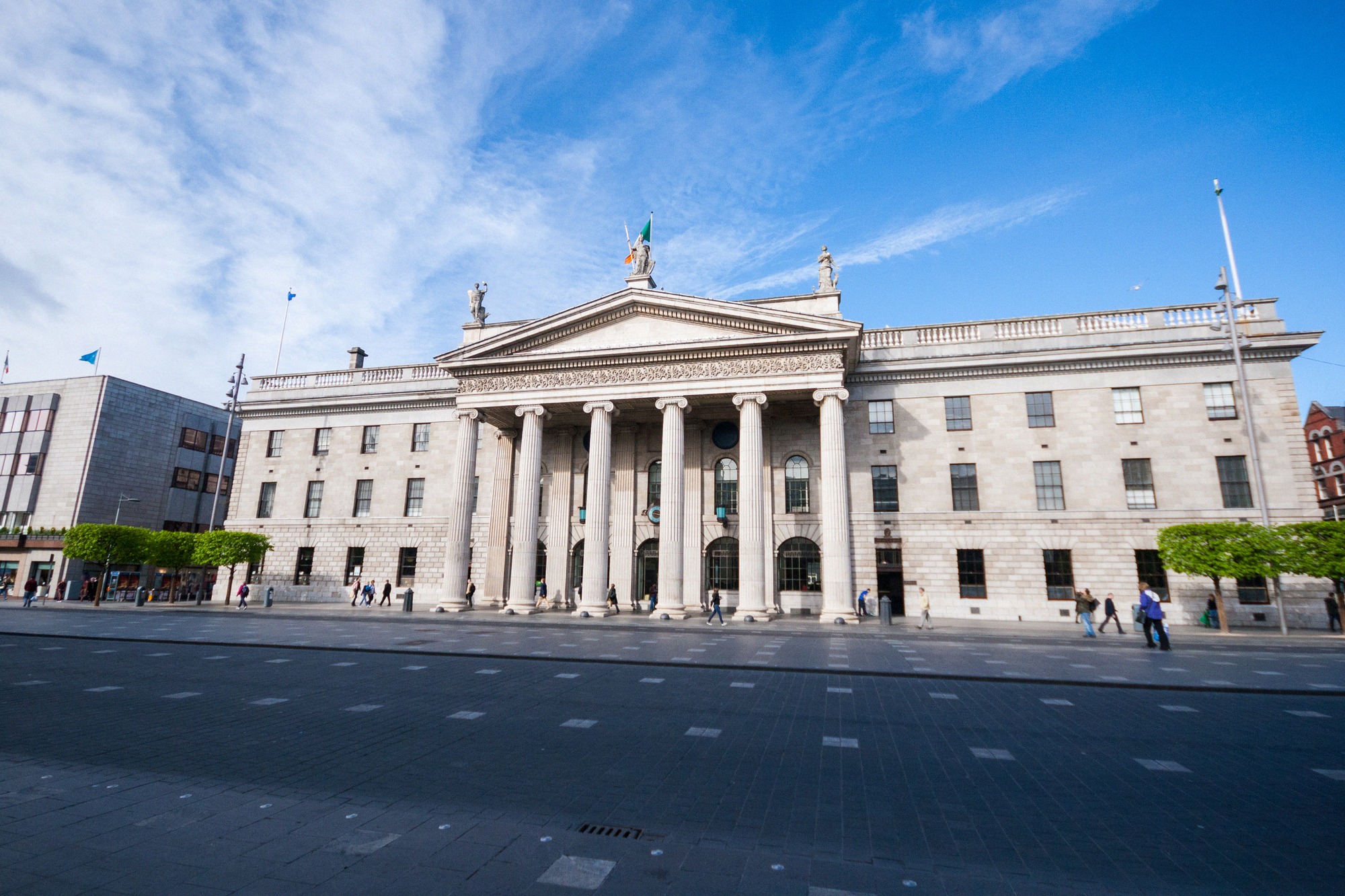
The GPO on O'Connell Street was the headquarters of the 1916 Easter Rising. The Art Deco hall is free to enter; GPO Witness History charges admission.
Trinity College
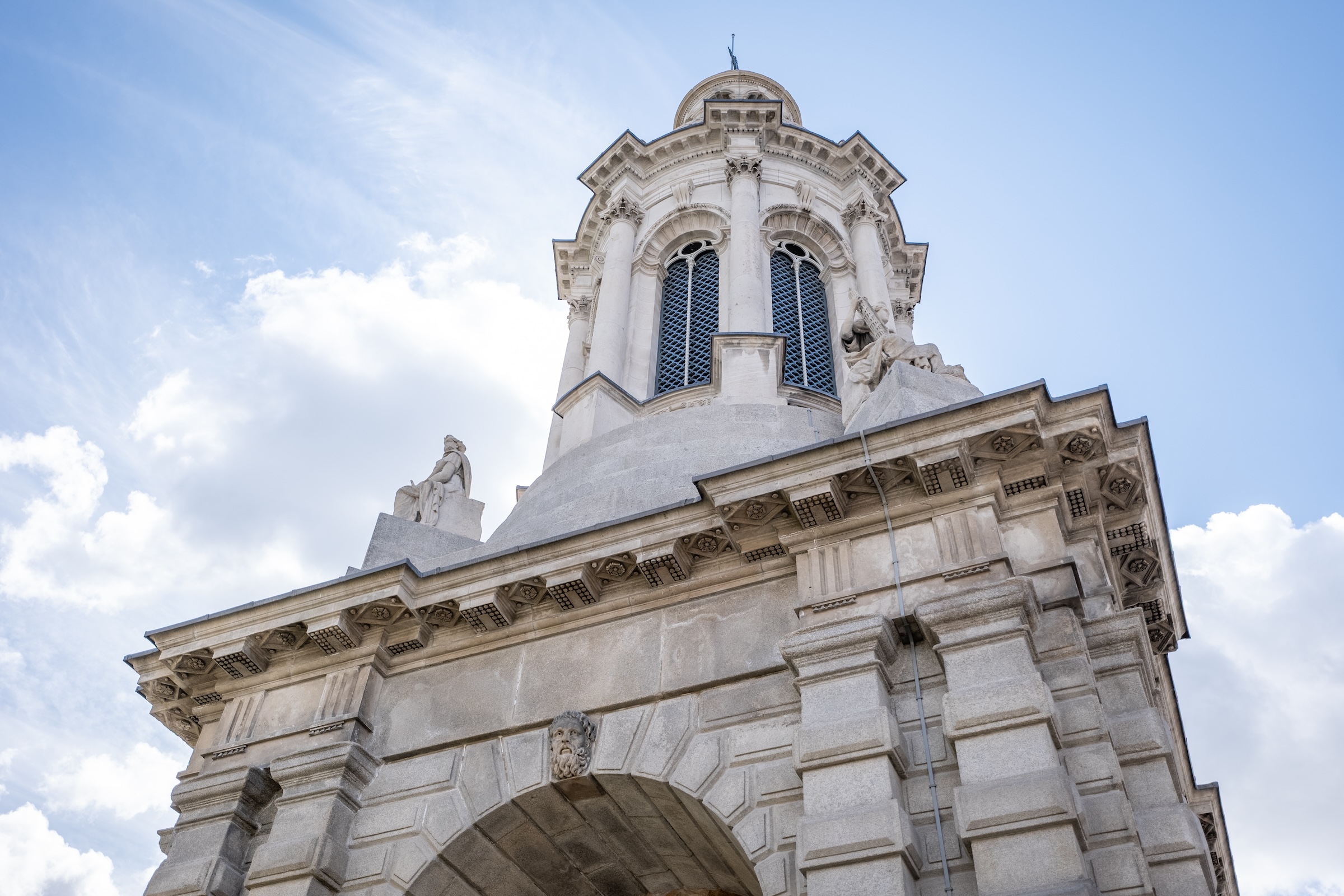
Trinity College Dublin is Ireland's oldest university. The Old Library holds the Book of Kells and the monumental Long Room. Campus free, Experience from €26.