
Casino Marino
Neoclassical garden pavilion full of architectural tricks
Neoclassical garden pavilion built for the 1st Earl of Charlemont in north Dublin - behind the facade of a single room hide 16 rooms. Access by guided tour only.
Contents
Casino Marino is one of Ireland's most idiosyncratic buildings: a neoclassical temple on a lawn in north Dublin, no bigger from the outside than a garden pavilion, yet inside a complete house with sixteen rooms across three levels. Stand in front of it and you see a single room behind columns; step inside and you find drawing rooms, bedrooms, a kitchen and servants' passages. Access is by guided tour only, but it costs little, and the tour is exactly why the trip is worth making.
One misunderstanding to clear up first: "casino" here means nothing more than "small house", from the Italian casa. No gambling ever took place here. And beyond the shared name, the building has nothing to do with the Casino Model Railway Museum in Malahide.
Charlemont, Chambers and the building
The building was commissioned by James Caulfeild, 1st Earl of Charlemont, who as a young man spent nine years on a Grand Tour through Italy and Greece and returned with a firm idea of how architecture should look. On his Marino estate north of Dublin, he had a garden pavilion built from 1758 that lived up to that vision.
The design came from Scottish architect William Chambers, one of the leading classicists of his day, who never set foot in Ireland and planned the building from London. Sculptor and stonemason Simon Vierpyl carried out the construction; it wasn't finished until around 1775, after nearly two decades of work. The result is still considered one of Ireland's most important neoclassical buildings and is protected as a National Monument; it is managed by the Office of Public Works (OPW).
Little remains of the surrounding estate. The main house was demolished in 1921 and the grounds built over with housing in the 1920s. The Casino itself stood half-derelict for decades before the state began restoring it from the 1970s onward. One footnote from that earlier period: the tunnels beneath the building served as a firing range for republicans in the 1920s, Michael Collins among them.
The building's tricks
At its core, the Casino is an architectural puzzle. Chambers wanted it to read from outside as a single, monumental room, and hid everything practical:
- The door is a deception. What looks like one enormous door panel is actually made up of many painted panels; only two of them actually open.
- The windows don't give away the floors. Their panes are slightly curved, bending the light so that from outside you can't tell that several rooms and mezzanine levels sit behind a single window.
- The columns are downpipes. Four of the columns are hollow and carry rainwater from the roof, with chains inside to muffle the sound.
- The urns are chimneys. The Roman funerary urns on the roof look purely decorative but actually vent smoke from the fireplaces.
- The proportions are a trick of scale. The building measures only around 15 metres square on the outside. Everything looks larger because Chambers deliberately oversized the columns, cornices and steps.
Inside, the floors are inlaid with several types of wood, the plaster ceilings are finely worked, and some rooms are reachable only via narrow service stairs. That's exactly what the tour explains - and exactly why the visit doesn't work without one.
Visiting and tours
The Casino is accessible by guided tour only. Tours run Thursday to Monday at 10:00, 12:00, 14:00 and 16:00; school and group tours are slotted in between at 11:00, 13:00 and 15:00. Opening hours are 9:30 to 17:30, with last admission at 16:00; the building is closed Tuesdays and Wednesdays. The OPW adjusts these times through the year, so it's worth checking heritageireland.ie before you travel.
Admission is low: €5 for adults, €4 for seniors and groups, €3 for children and students, €13 for a family. Card payment is accepted. A visit is included in the Go City Dublin Pass, though there with a fixed tour time.
Two accessibility notes: the paths on the grounds are uneven, and inside, narrow, sometimes steep stairs connect the levels. The OPW specifically flags limited accessibility; handrails should be used. Assistance dogs are permitted, other dogs are not. Toilets, a car park and bicycle parking are available on site.
Getting there and what's nearby
The Casino sits around five kilometres north of the city centre in Marino, Dublin 3, reached via Cherrymount Crescent off the Malahide Road. By car it's 15 to 25 minutes depending on traffic, with a car park on site. Dublin Bus routes run along the Malahide Road from the centre; the nearest DART station is Clontarf Road, about a 20-minute walk away. Fares and cards are explained in the Leap Card guide, and the whole network in the Public Transport overview.
Since the visit itself is short, it's worth combining it with something else. Nearby lie Glasnevin Cemetery, with the graves of Ireland's independence movement leaders, and the National Botanic Gardens, both to the west in Glasnevin. Heading east, the coast road leads to Bull Island and on by DART to Howth. Those who'd rather stay within Georgian Dublin can find buildings from the same era in the Georgian Dublin feature and the Attractions overview.
Frequently Asked Questions
Is Casino Marino a gambling casino? +
How much does admission to Casino Marino cost? +
Can I visit Casino Marino without a guided tour? +
How many rooms does Casino Marino have? +
Is Casino Marino the same as the Casino Model Railway Museum? +
How do I get to Casino Marino? +
Nearby
James Joyce Centre
The James Joyce Centre on North Great George's Street covers the life and work of the Ulysses author and runs guided Joyce tours through Dublin.
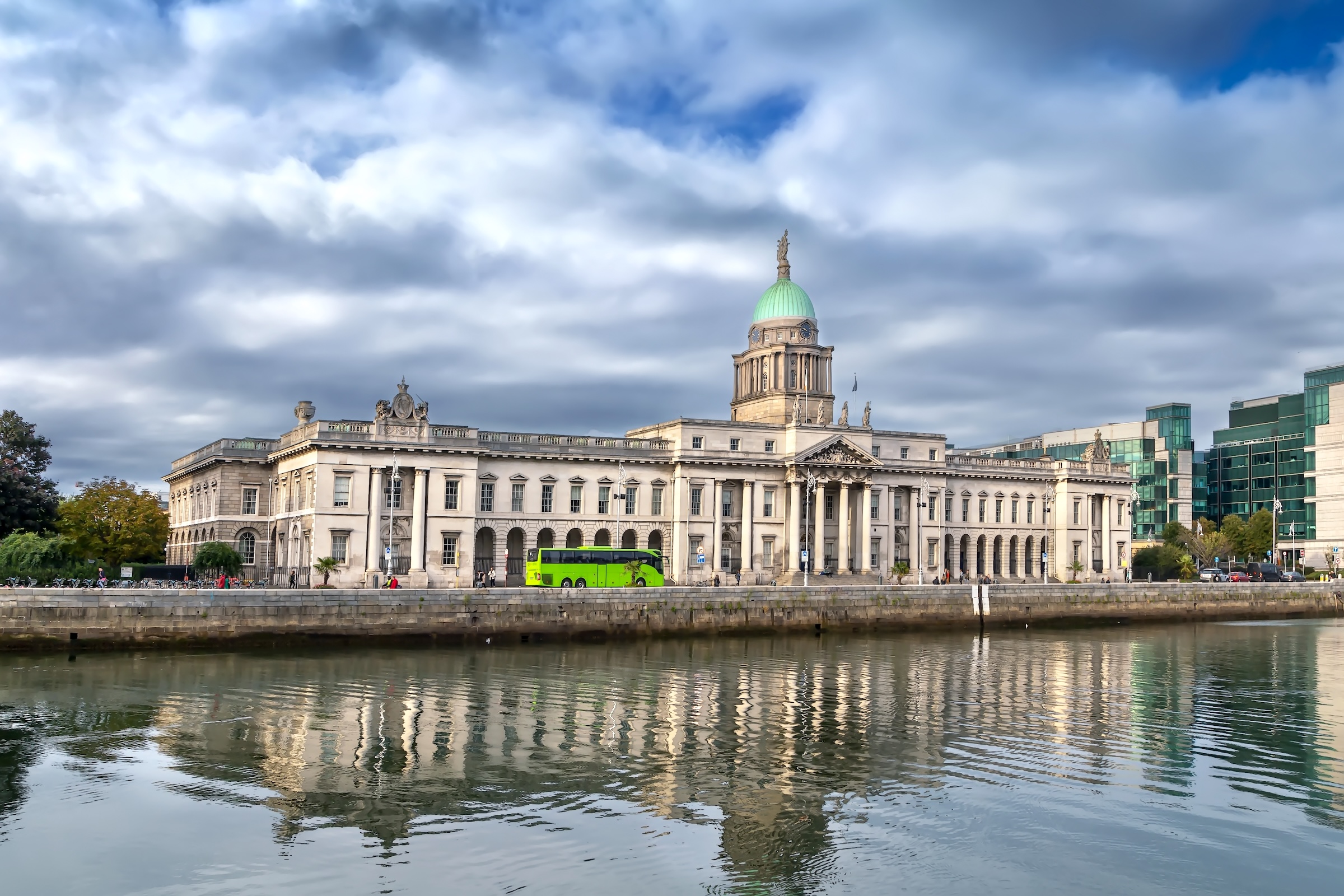
Custom House
Dublin's neoclassical Custom House on the Liffey, built 1781-1791 by James Gandon. Tickets, opening hours, prices and how to get to the Visitor Centre.
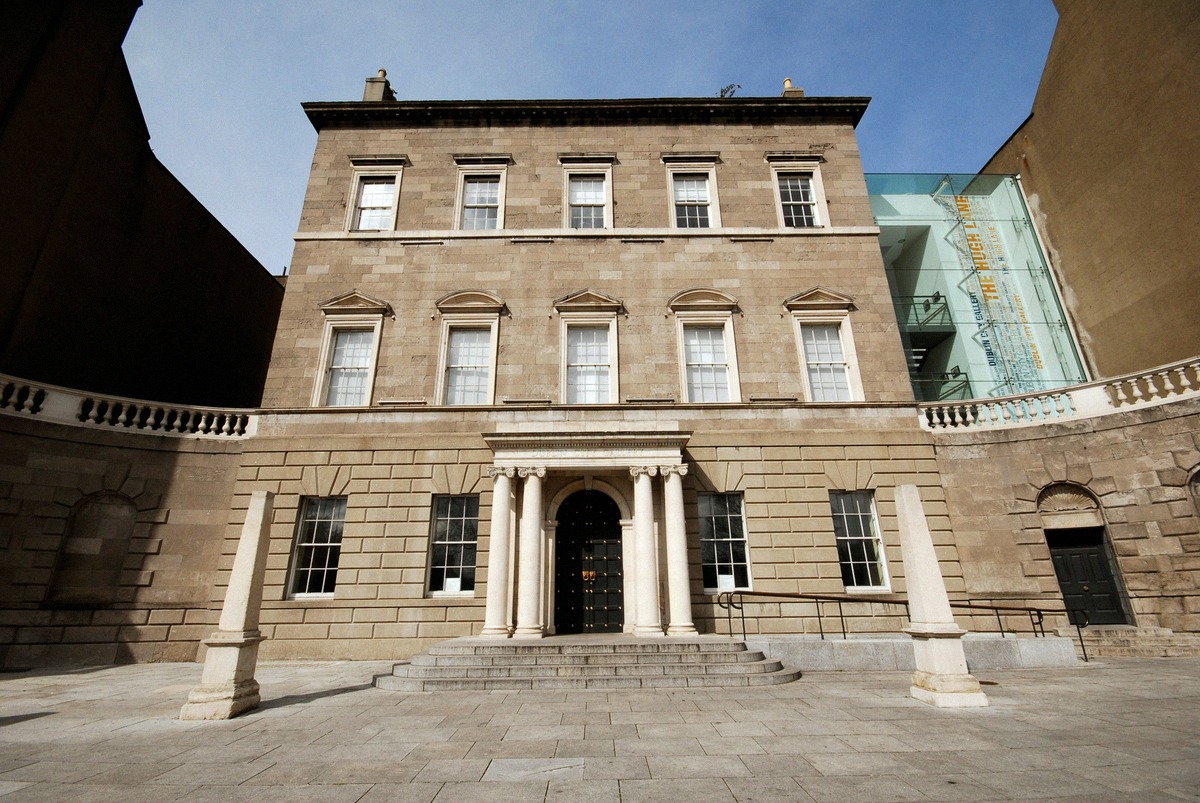
Hugh Lane Gallery
The Dublin City Gallery The Hugh Lane in Charlemont House holds French Impressionists, Harry Clarke's stained glass and Francis Bacon's studio. Closed for renovation since September 2025, expected until around 2028.
Dublin Writers Museum
The Dublin Writers Museum on Parnell Square has been permanently closed since March 2020. What became of the collection and which houses tell literary Dublin's story today.
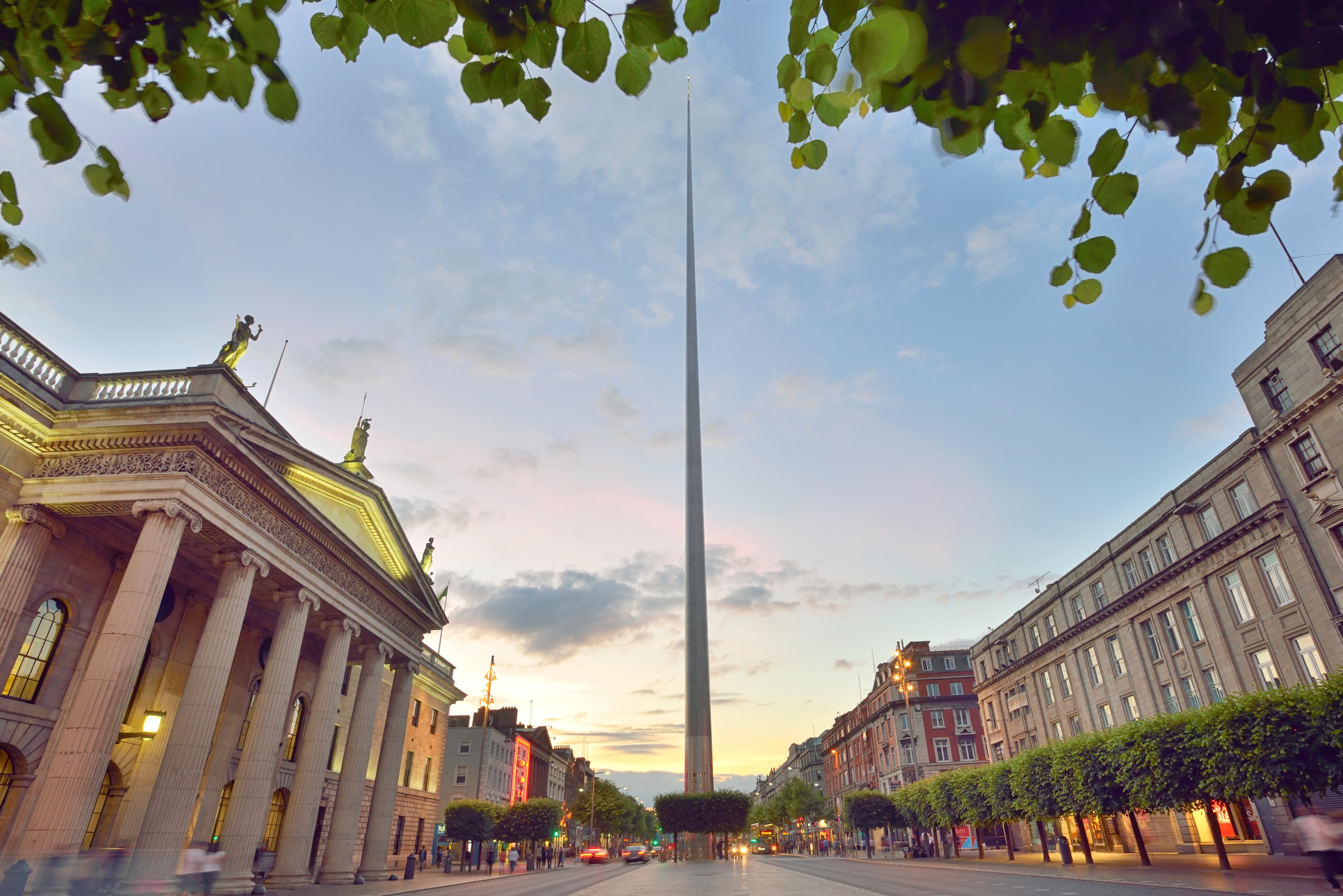
The Spire
The Monument of Light on O'Connell Street is Ireland's tallest sculpture at 120m. The slender spire rises opposite the GPO, free to view any time.
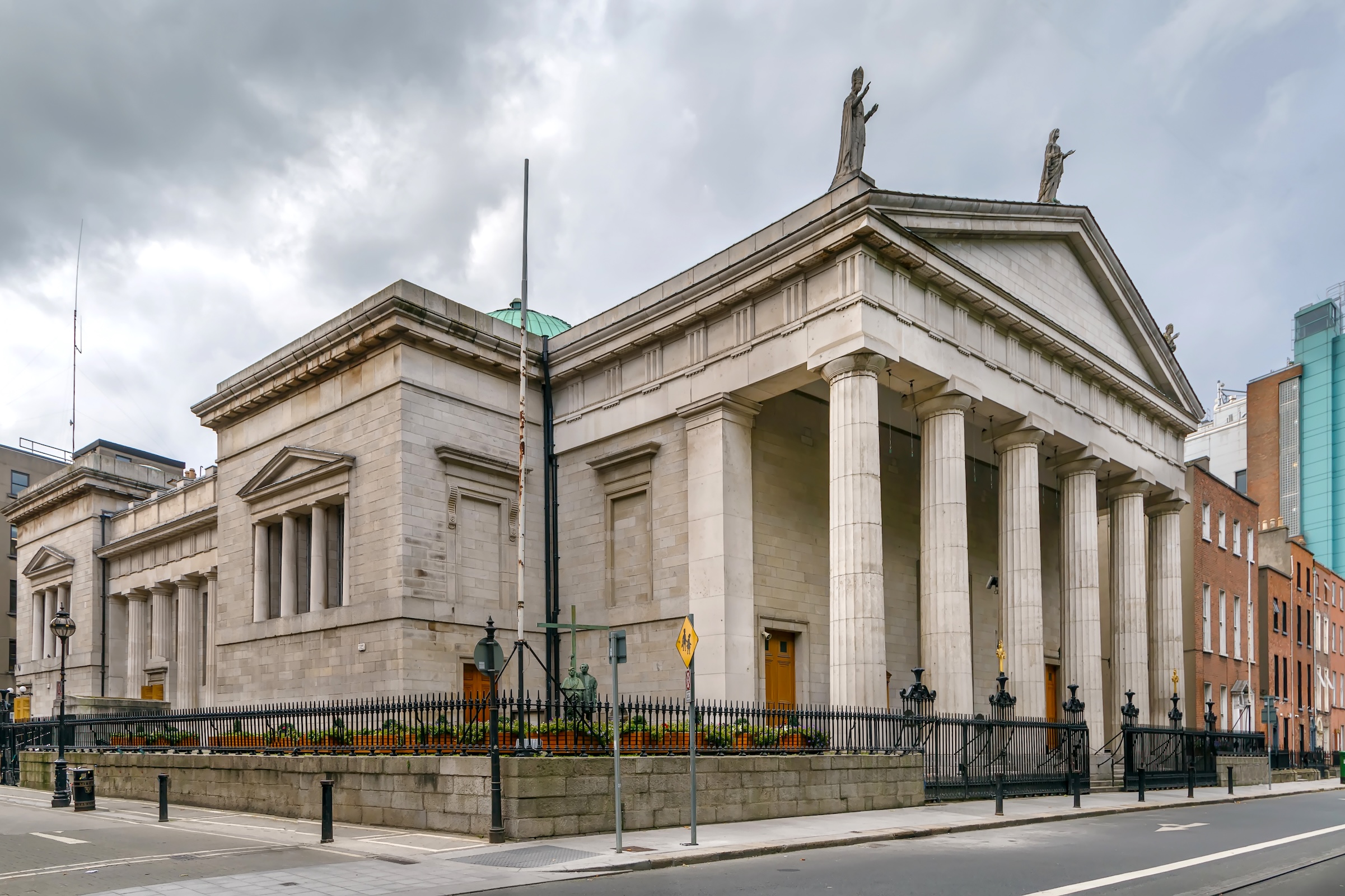
St Mary's Cathedral
Known as the "Pro-Cathedral" until November 2025, this neoclassical Marlborough Street church is now Dublin's official Catholic cathedral and home to the Palestrina Choir.